
Little Rocket Lab Lands Oct 7 on Steam and Game Pass — Cozy Automation With Real Potential
Game intel
Little Rocket Lab
Transform your childhood home as you build brilliant factories and forge lifelong friendships, then reach for the skies and finally finish your family's dream…
Cozy Factory-Building With Actual Stakes? Little Rocket Lab Might Stick the Landing
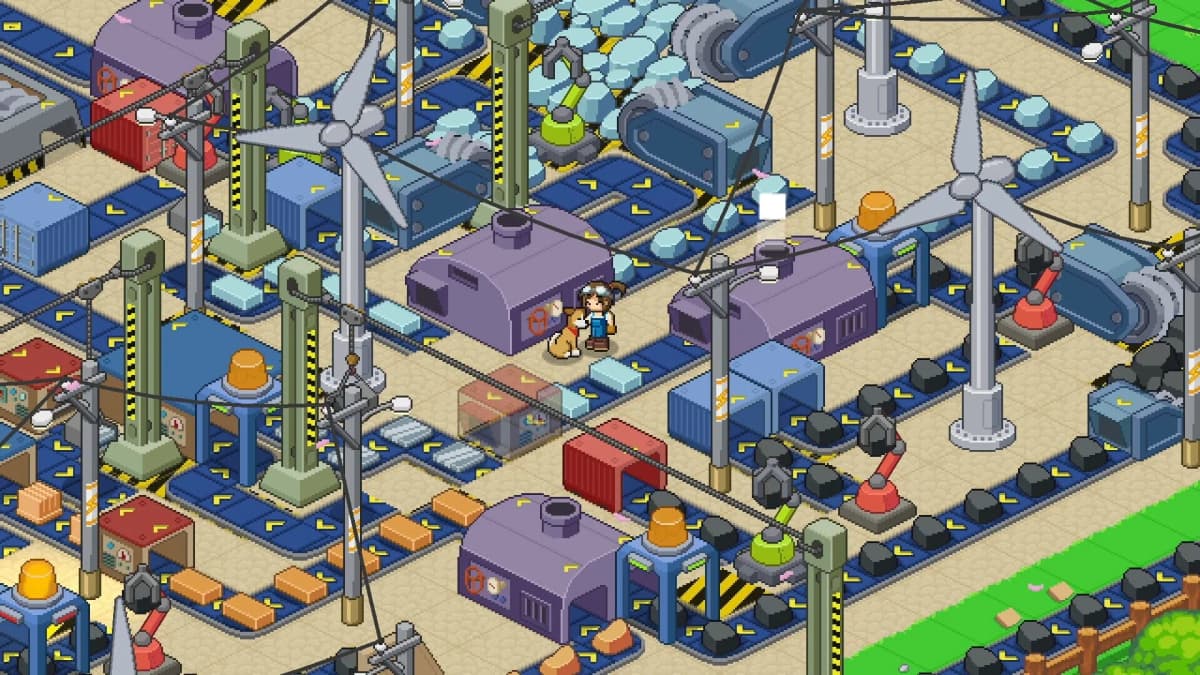
Little Rocket Lab immediately caught my eye because it’s aiming for a sweet spot most automation games miss: the zen flow of belts and assemblers, but anchored by a town, characters, and a clear end goal. Developed by Teenage Astronauts and published by No More Robots, it launches October 7 for $19.99 on Steam and day one on Xbox/PC Game Pass, with a Nintendo Switch version planned for later in 2025. You’re Morgan, an engineer returning to the faded town of St. Ambroise to rebuild industry, make friends, and ultimately assemble a rocket. It’s Factorio energy with a Stardew heartbeat-if the systems are deep enough.
Key Takeaways
- $19.99 and day-one Game Pass is a strong value play for a niche-but-growing “cozy automation” scene.
- Systems include belts, cranes, furnaces, power and water management, research, and robotics-promising depth beyond vibes.
- Controller UX will make or break the Xbox version; smart snapping, blueprints, and radial menus are non-negotiable.
- The story-led structure could either guide newcomers or gatekeep complexity; the balance matters.
Breaking Down the Announcement
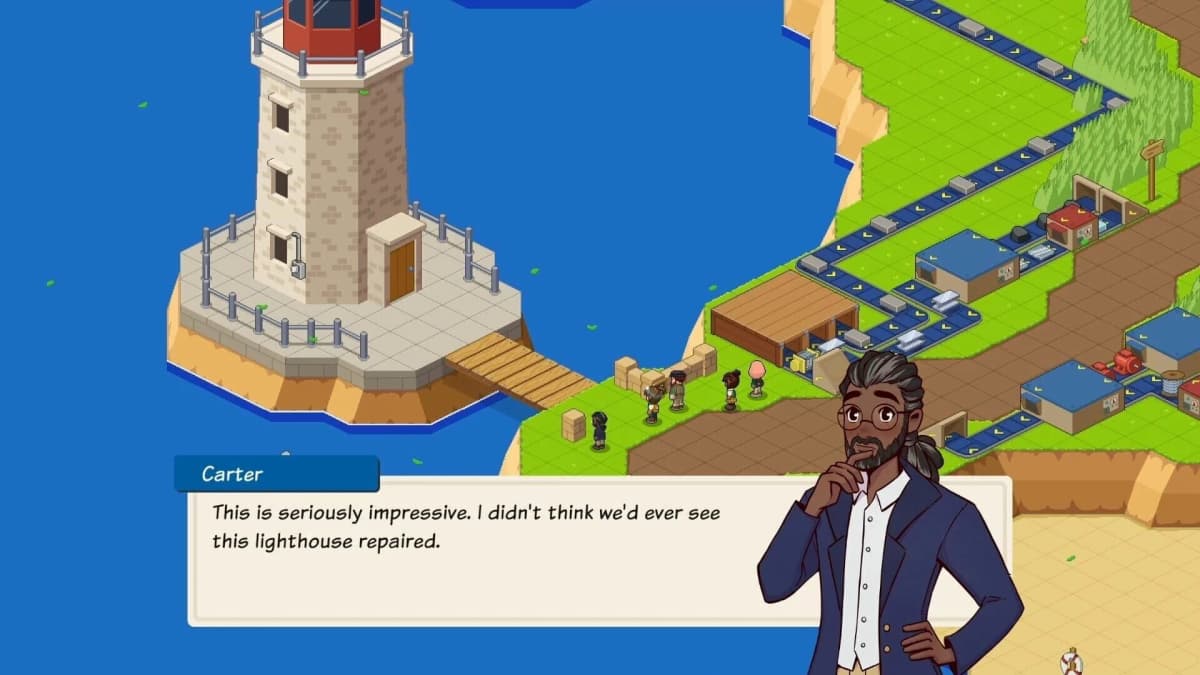
On October 7, Little Rocket Lab launches on Steam and hits Xbox/PC Game Pass the same day, priced at $19.99 for everyone else. A Nintendo Switch release follows later in 2025. You’ll build multi-site production lines across St. Ambroise-think railyards, quarries, coastal zones—research better machines at the local university, wrangle electricity and water, then bring in “mechanical friends” (robotic helpers) to scale the whole operation up. The endgame target isn’t just infinite throughput; it’s getting Morgan’s family rocket off the ground. That narrative spine could be the difference between another conveyor sandbox and something you actually want to finish.
The Real Question: Depth vs. “Cozy”
“Cozy” sells, but it can also mean “we sanded off the interesting edges.” Factory-heads like me care about late-game complexity: do we get blueprint ghosts for fast rebuilding? Smart splitters and filters? Any circuit logic? Can we mirror designs, schedule trains (or equivalents), or set priority lanes? The pitch mentions electricity, water, and robotics alongside multi-area factories, which hints at logistical planning rather than a single sprawling rectangle—good. If the NPC quest flow gently unlocks tech without hard-throttling you, the equilibrium could feel more like Satisfactory’s milestone pacing than a tutorial that never ends.
One upside to the town framing: it gives purpose to production. Shipping steel beams to restore the railyard so you can move heavy components faster is the kind of satisfying feedback loop that pure sandboxes rarely nail. Just keep the errands meaningful—no “fetch five cogs because vibes.”
Controller UX Could Make or Break It on Xbox
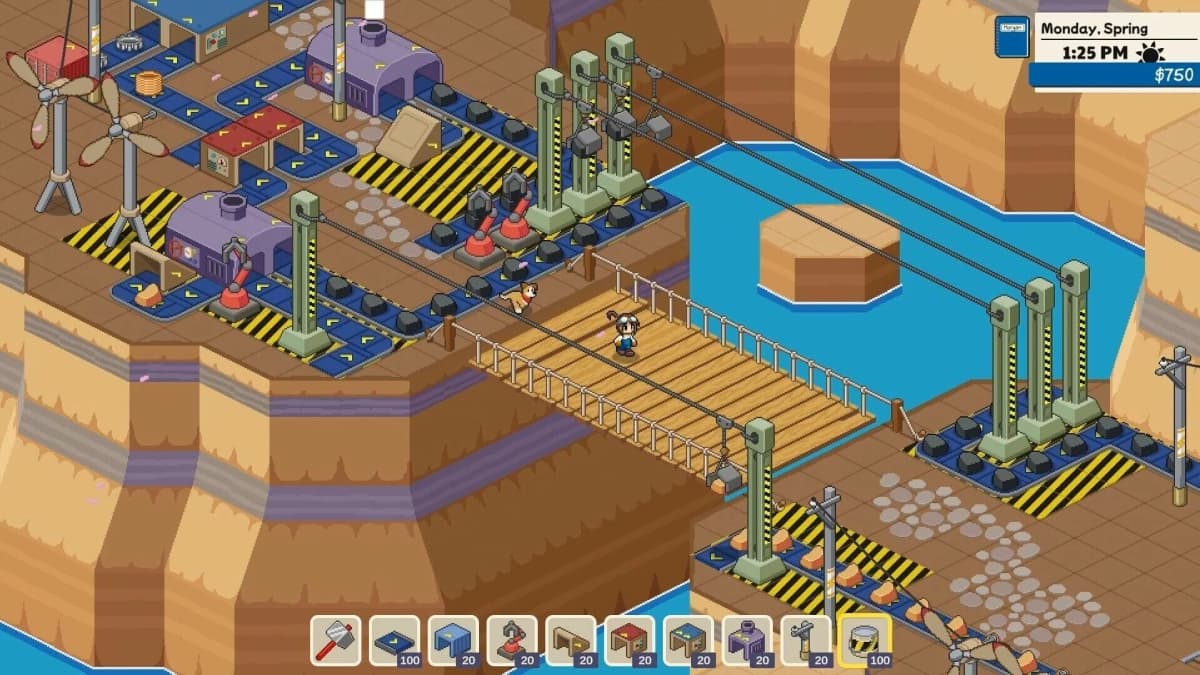
Building factories with a controller is notoriously tricky. Satisfactory figured it out with smart snapping and generous aim assist; Dyson Sphere Program never even tried. For Little Rocket Lab to feel right on Xbox and Game Pass, it’ll need:
- Fast placement and snapping for belts, inserters/cranes, and pipes.
- Blueprints and copy/paste that aren’t buried three menus deep.
- Radial menus with recent parts and quick rotate/flip controls.
- Clear overlays for power and water flow you can toggle without UI clutter.
If Teenage Astronauts nails that, Game Pass could give this thing real legs. No More Robots has experience making the most of the subscription audience—see Descenders’ long-tail popularity—so the runway is there.
What Sets It Apart From Factorio-likes
Beyond the town narrative, Little Rocket Lab promises multi-site factories across distinct districts, which changes how you think about throughput. Instead of one megabase, you might run specialty foundries in the quarry, assemble electronics near the university, and ship subassemblies to a coastal launchpad. That approach encourages modular builds and logistical planning—fun problems, not just bigger numbers.
The “mechanical friends” angle is also interesting. If robots can shuttle items, maintain lines, or automate repetitive tasks without trivializing belts, they become late-game relief rather than a bypass. And water as a resource often separates casual from crunchy; pipe networks and flow constraints add brain-itch in the best way when they’re readable.
Price, Platform, and Performance Reality Check
At $19.99, it undercuts Factorio and Satisfactory while promising more than a bite-sized tinkering toy. That’s aggressive and welcome. The Switch version arriving later in 2025 makes sense: even with 2D pixel art, a factory sim’s UI density and pathfinding can hammer handheld CPUs. I’m optimistic, though—Factorio runs beautifully on Switch because the UI was rethought. If Teenage Astronauts invests in console-first UX, the port should be fine.
Why This Matters Now
Automation games exploded because they scratch that tinkerer’s itch. But we’ve also hit a point where many feel like productivity apps with nicer skies. Little Rocket Lab’s pitch—restore a place, get to know folks, build something that literally leaves the ground—adds the human layer I’ve been missing. If it respects the player’s time with smart QoL (chunky undo, generous blueprinting, performant late-game) and avoids busywork, this could be 2025’s sleeper sim. If “cozy” turns into shallow, it’ll be a weekend curiosity.
What Gamers Should Watch For at Launch
- Blueprints and copy/paste: Are large builds painless or a chore?
- Logistics depth: Smart splitters, item filters, priority lanes, and routing.
- Performance: Does the frame rate hold when factories sprawl across districts?
- Quest pacing: Helpful guidance or hand-holding that throttles creativity?
- Endgame: Is there meaningful play after the rocket launches?
TL;DR
Little Rocket Lab hits Steam and Xbox/PC Game Pass on October 7 for $19.99, aiming to blend Factorio-style automation with a heartfelt town story. If the systems have depth and the controller UX sings, this could be the cozy factory sim that actually respects your brain and your time. Keep an eye on blueprints, logistics tools, and late-game performance before you commit to a permanent save.