
Little Rocket Lab lands on Game Pass: a cozy factory-builder with heart, story, and a rocket to
Game intel
Little Rocket Lab
Transform your childhood home as you build brilliant factories and forge lifelong friendships, then reach for the skies and finally finish your family's dream…
Why Little Rocket Lab Actually Caught My Eye
No More Robots just launched Little Rocket Lab on Steam and Xbox/PC Game Pass, and it immediately pinged my radar. I’ve sunk a ridiculous amount of time into Factorio and, more recently, Techtonica, but I’ve also got a soft spot for small-town life sims. Little Rocket Lab promises both: you’re Morgan, a young engineer rebuilding St. Ambroise by automating junk into useful parts, helping neighbors, and eventually finishing a rocket your mom never got to launch. On paper, it’s Satisfactory meets Spirittea-ambitious, but the kind of mash-up that, if the devs stick the landing, could be a legit comfort game with real systems depth.
Key Takeaways
- Factory automation in a compact, story-led map-expect puzzle-like layouts over infinite sprawl.
- Quests and relationships appear to gate recipes and areas, which could streamline or frustrate depending on your playstyle.
- Day-one on Game Pass lowers the barrier to try a factory sim that isn’t a stress machine.
- If you want Factorio-level chaos math, temper expectations; this aims for approachable, cozy-first automation.
Breaking Down the Announcement
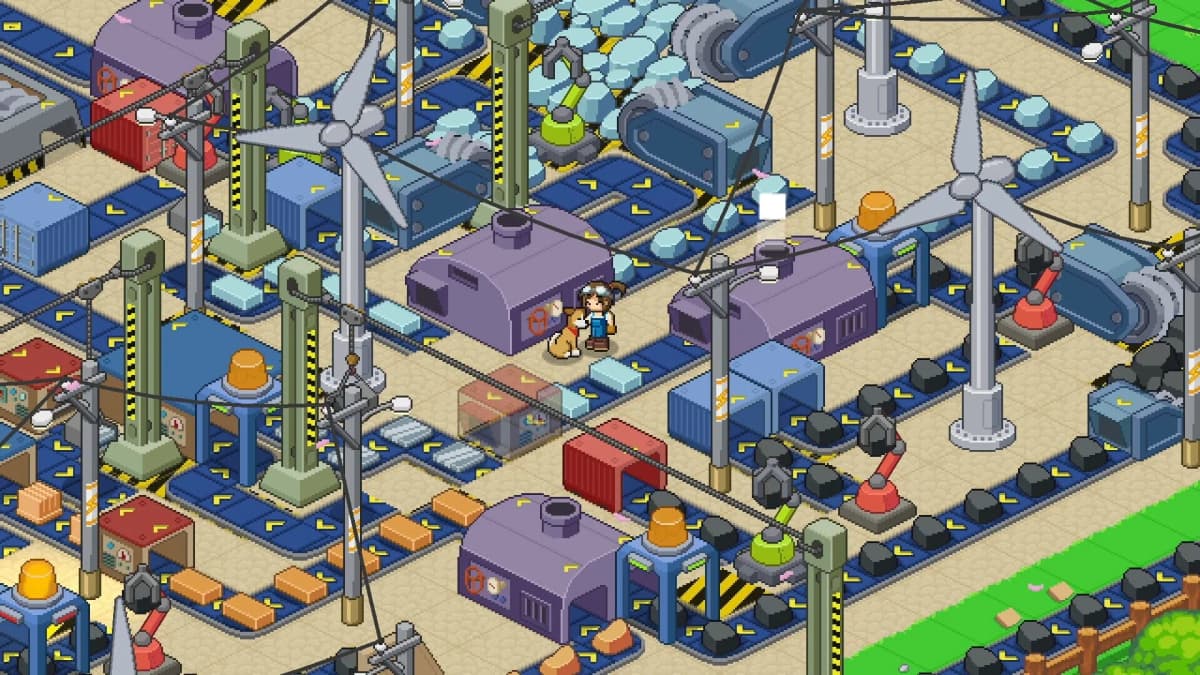
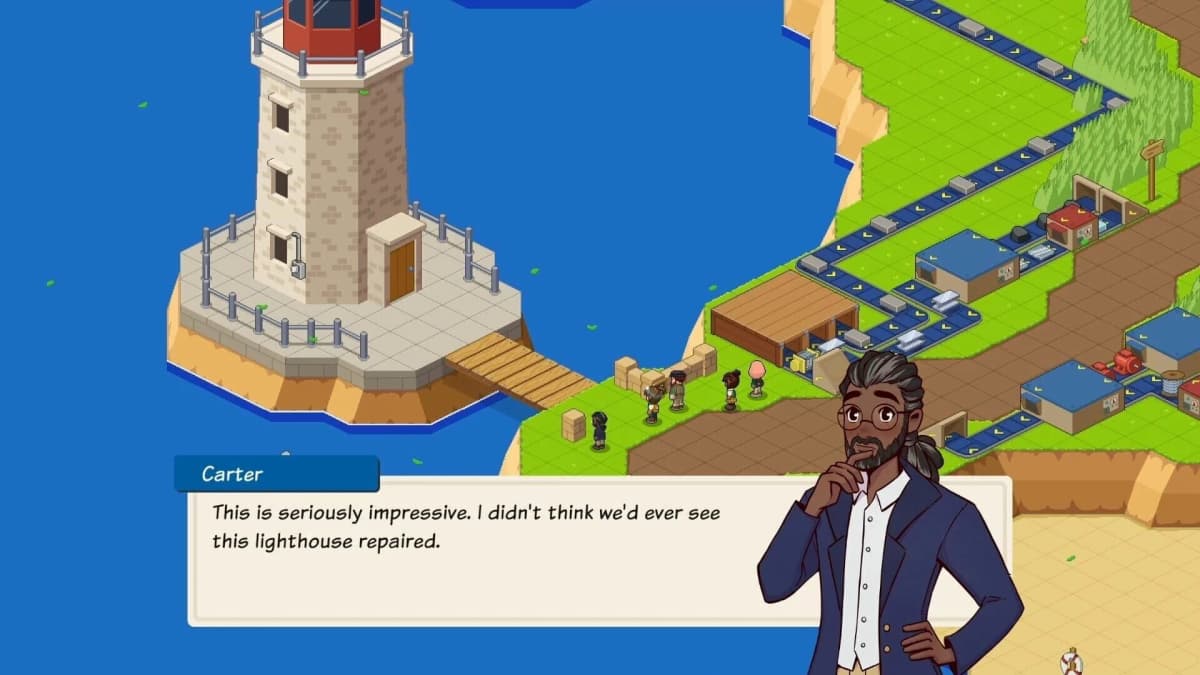
Here’s the pitch without the fluff: you arrive in your hometown, clean up an overgrown yard, and start wiring together drills, furnaces, assemblers, and conveyors. Those parts restore the town-fixing power, rebuilding old machines, opening paths—and, as you help locals, you unlock the tech needed for the endgame: assembling a rocket in a repaired silo. It’s available now on Steam and included with Game Pass on Xbox and PC, which matters because most factory sims show their true colors after a few hours—Game Pass makes that low-risk “does this loop click for me?” test easy.
Why This Matters Now
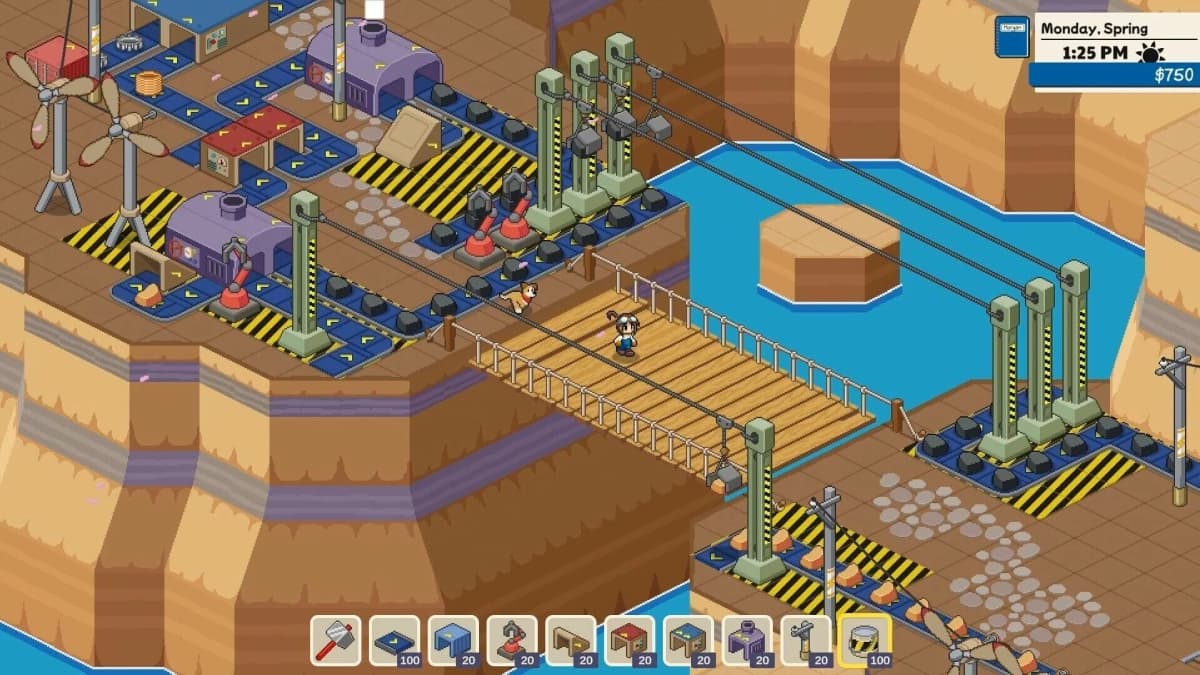
Automation has been drifting in two directions: hardcore optimization (Factorio/Dyson Sphere Program) and vibey survival/base-building (Lightyear Frontier, even bits of Sandrock). Little Rocket Lab plants its flag in the middle. The town of St. Ambroise gives you a finite canvas, so you’re not paving over a planet; you’re threading belts through a neighborhood, managing space like a puzzle box. That’s interesting because it forces more deliberate layouts—think compact “modules” and tidy buses rather than spaghetti across a desert.
No More Robots’ track record is relevant here. They publish systems-heavy games with personality—Descenders, Hypnospace Outlaw, Let’s Build a Zoo, Spirittea—so the promise of a warm narrative wrapped around crunchy mechanics doesn’t feel out of character. The hook that you’re finishing a parent’s rocket gives the endgame a clear destination, not just “grow bigger forever,” and that alone could keep newcomers from bouncing off the genre’s usual endlessness.
The Real Story for Factory Fans
The pivotal question: does the story empower your builds or put you on rails? If quests unlock core machinery at a measured pace, that’s great onboarding. If NPC errands time-gate your belts and splitters, veterans will feel shackled. From what the launch pitch implies, this leans toward “guided but not hand-holdy”—you still set up production lines, deal with power, and solve bottlenecks, just within a curated map that nudges you forward.
Expect the usual factory pain points to make or break it: is copy/paste or blueprinting supported? Are splitters, filters, and prioritization readable and console-friendly? Does the game surface throughput stats so you can fix jams without spreadsheeting? If those boxes are ticked, the cozy wrapper won’t come at the cost of depth. If not, it risks becoming a charming but shallow builder you finish in a weekend and shelve.
Controller Reality Check
Console and Game Pass matter only if the controls work. Plenty of builders have stumbled here with fiddly placement and clumsy menus. Little Rocket Lab will live or die on whether its radial menus, snapping, and belt placement feel snappy on a pad. If you’ve played Techtonica on controller, you know it’s doable—but it requires thoughtful UI. PC players will want hotkeys and clean grid tools; console players need forgiveness and smart auto-rotation. Keep an eye on how it handles multi-tile placement and quick edits.
Cozy Doesn’t Mean Toothless
“Cozy” in factory terms should translate to lower friction, not lower stakes. The town framing is a clever way to add meaning to your machines: you’re not cranking widgets for a graph—you’re restoring lights, reviving old tech, and helping neighbors. If NPCs deliver tangible upgrades, shortcuts, or blueprints, those story beats become part of your optimization arc. The rocket remains the north star, tying character moments to production milestones; that’s a solid loop if the narrative interludes don’t overstay their welcome.
What I’m Watching Post-Launch
- Performance as factories scale: can the engine handle dense belts without tanking frames?
- Quality-of-life: blueprinting, copy/paste, upgrade-in-place, and clear production stats.
- Recipe and tech pacing: does quest gating feel rewarding or like busywork?
- Endgame stickiness: is there meaningful play after the rocket, or is that a satisfying credits roll and done?
Also, the studio’s update cadence will matter. A game like this benefits from iterative tweaks to balance, placement rules, and UI clarity. If Teenage Astronauts (the devs) keep tightening loops and listening to builder brain feedback, Little Rocket Lab could carve out a cozy niche that still respects optimization junkies.
TL;DR
Little Rocket Lab blends small-town storytelling with approachable factory automation and it’s playable now on Steam and Game Pass. If you’ve bounced off the intensity of Factorio but want more depth than a pure life sim, this looks like a smart middle ground—provided the controller setup is slick and the quest gating serves the build, not vice versa.