
I Spent Hours Analyzing Those Zelda Set Leaks—Here’s What They Really Mean
Game intel
The Legend of Zelda (Series)
The Legend of Zelda invented a genre and captivated a gaming generation. Now you can play the timeless NES adventure on your Game Boy Advance! The evil warlock…
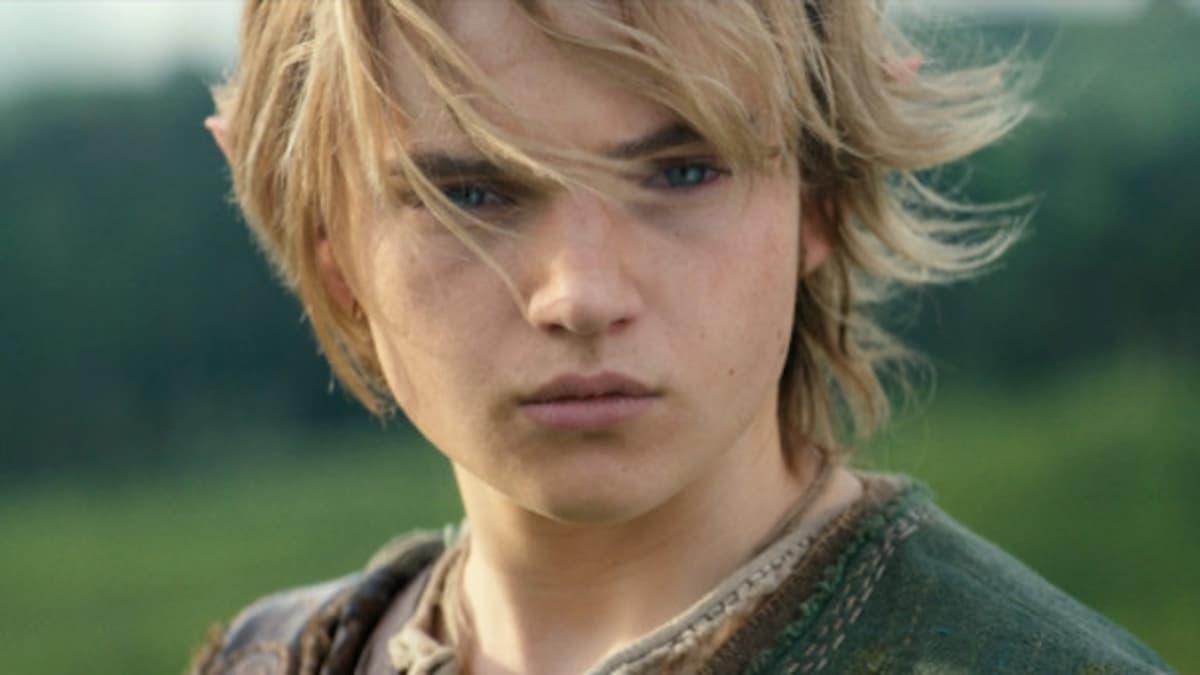
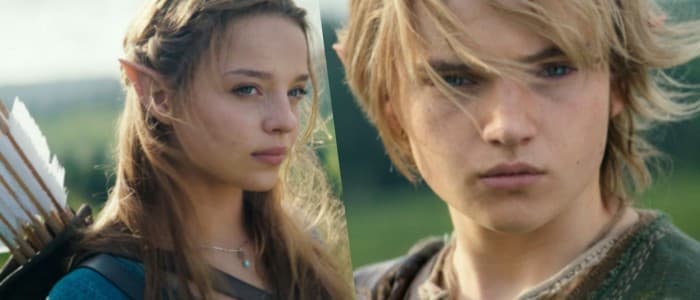
Set photos for Nintendo’s live-action The Legend of Zelda have started circulating—unverified snippets on social media and official teasers via the Nintendo Today app on November 17, 2025. Overnight, the conversation shifted from hopeful wish lists to real talk about armor, lighting, and whether Link will ever speak. This isn’t another safe animated spin after The Super Mario Bros. Movie. Nintendo’s going big: Shigeru Miyamoto and Avi Arad producing, Wes Ball directing, and filming in New Zealand (a nod to Tolkien’s landscapes). With Benjamin Evan Ainsworth as Link, Bo Bragason as Zelda, and Dichen Lachman in a mystery role, this 2027 release could finally show us a tactile, grounded Hyrule that lives and breathes.
Key Takeaways
- Official teasers dropped via Nintendo Today, but social-media leaks remain unverified—treat them as early “vibes,” not final designs.
- Wes Ball’s background on The Maze Runner and Kingdom of the Planet of the Apes signals kinetic action blended with real sets and heavy CG.
- Miyamoto’s oversight promises authenticity; Avi Arad’s track record brings both resources and the risk of blockbuster noise.
- Composer choice will make or break the atmosphere—if Koji Kondo’s themes don’t shine through, fans will notice.
- Scene ideas include a Sheikah shrine raid, a collapsing desert temple, and a misty horseback duel—cinematic nods to classic dungeons.
Why This Matters Now
For years, “cursed adaptation” was the default for video-game movies. Then HBO’s The Last of Us and Amazon’s Fallout shattered that label by respecting the source and world-building deeply. Even Nintendo’s animated Mario proved that the company can deliver family-friendly hits. But Zelda is different: its magic lives in melancholy melodies, silent heroism, and environmental storytelling. Translating that to live action without flattening it into a generic quest requires more than fan service—it demands vision. That’s what these leaks are hinting at: not just costumes, but a tactile, moody world that feels like you can step into it.
The Legacy of Gaming Adaptations
Looking back helps. The Last of Us succeeded by leaning into character moments—Joel and Ellie’s quiet campfires, their banter, their silences. Fallout captured that retro-futuristic grit through art direction and period-appropriate production design. And we can’t ignore Illumination’s Mario movies: they nailed vibrant colors and slapstick, but they stuck to animation. What Zelda needs is a hybrid approach—part epic fantasy, part small-scale human drama. Miyamoto said in past interviews that Zelda’s soul is in “exploration and wonder,” not wink-at-the-camera quips. If this film remembers that, it has a shot.
The Real Story Behind the Creative Team
It’s a curious mix. Miyamoto is a hands-on steward—he’ll veto anything that dilutes Zelda’s identity. Arad is a Hollywood power player whose films range from superhero gold (Spider-Man 2) to critically maligned (Morbius, Venom). That pairing could ensure the budget and marketing muscle are there—but could also steer the tone toward broad appeal and away from the franchise’s quieter strengths. Then there’s Wes Ball: his Maze Runner films had momentum and world-coherence, and Kingdom of the Planet of the Apes showed he can merge practical sets with photorealistic CG creatures. If Ball treats Hyrule like a living map—complete with weathered ruins, hidden shrines, and wildlife—this could finally feel authentic.
VFX Challenges and Creature Design
One of the biggest questions is how they’ll bring Hyrule’s denizens to life. Practical Goron suits could capture weight and texture, but look at the bestiary in Peter Jackson’s Lord of the Rings: it was a mix of animatronics and digital tweaks. Zora need seamless underwater shots, which often means CGI—but too much polish kills the grit. Rito wings must catch real light, not float in post-production haze. From the leaks we’ve seen, some concept art teases a weather-beaten patina on armor and natural moss on stone. That suggests the team is thinking about wear-and-tear, not just photo-ready props. We want real mud on Link’s boots, not a green-screen gloss.
Want to Level Up Your Gaming?
Get access to exclusive strategies, hidden tips, and pro-level insights that we don't share publicly.
Ultimate Gaming Strategy Guide + Weekly Pro Tips
A Cinematic Hyrule: Scene-by-Scene Conjecture
Imagine opening on a windswept plateau at dawn—Link trudges toward a Sheikah shrine, the camera lingering on glyphs glowing faintly in the mist. Inside, he disables a Guardian sentinel with a silent arrow shot; you hear only the hum of ancient machinery and the creak of gears. Cut to a storm-battered desert temple—sand floods the floor as Link and Zelda navigate collapsing pillars, relying on clever timing and puzzle instincts rather than pure muscle. Later, a horseback duel on a rocky plain under lightning-skies, with Gerudo bandits silhouetted against the storm. Finally, a quiet moment around a campfire: Zelda hums a motif that recalls “Zelda’s Lullaby,” Link plays a simple tune on the ocarina, and we feel the weight of the quest ahead. These are nods to dungeon puzzles, stealth elements, and musical lore—all adapted for film drama.
The Musical Question: Scoring a Timeless World
Koji Kondo’s melodies are the backbone of Zelda’s identity. Will the film repurpose “Gerudo Valley” rhythms for action scenes? Can “Zelda’s Lullaby” underscore a quiet conversation without feeling derivative? Hiring a composer known for thematic richness—someone like Ramin Djawadi or Bear McCreary—could bridge game tunes and cinematic scope. The score should echo the games, not mimic them directly. Think Hans Zimmer’s restrained use of motifs in Dune: you sense the heritage without hearing a note-for-note remix. Done right, the music becomes another character, hinting at hidden shrines and heartbreak buried beneath Hyrule’s beauty.
What Gamers Should Expect (and Demand)
Expect a PG-13 fantasy that weighs atmosphere over constant quips, a protagonist who talks only when it matters, and set pieces that play on puzzle logic. Demand a production design that respects geography—a final shot that lets you see the distant peaks of Death Mountain, not a green-screen backstop. Ask for practical effects where possible, and no easy CG shortcuts on muddy trenches or temple mosaics. Dialogue should be sparse but impactful: Link’s resolve shouldn’t come from witty banter, but from steely glances and purposeful action. And yes, insist on a score that weaves in Kondo’s themes without turning every scene into karaoke time.
Conclusion
Nintendo’s live-action Zelda is a high-stakes gamble—one that hinges on respect for the source, smart VFX choices, and a score that carries the franchise’s soul. With a proven director like Wes Ball, Miyamoto at the helm, and a 2027 release that allows room for creative care, this could be the adaptation fans have dreamed of. But it’ll only succeed if it trusts silence as much as spectacle, texture as much as topology, and wonder as much as action.
TL;DR
Leaked and official images hint at a grounded, mythic Hyrule under Wes Ball’s direction. Key focus areas: creature VFX, practical design, Kondo-inspired score, and cinematic nods to shrines and dungeons. Fans should demand authenticity, atmosphere, and a balance of silence and spectacle.