
The most interesting thing about Diablo IV: Lord of Hatred isn’t the usual expansion bait. It’s that Blizzard is finally admitting two of Diablo 4’s oldest class frustrations were design problems, not player imagination problems. Druids were too often dragged into forms they didn’t want, and Necromancers had a summoner fantasy that looked better on paper than it felt in your hands. The new class changes go straight at both issues. Good. They should have.
Based on the latest details, Druids now get free choice nodes between skill branches that let them decide whether a skill uses Werewolf, Werebear, or Human form in many cases, while Necromancers are getting a more centralized summon-control setup that makes large minion armies more practical and more manageable. That is the headline. The real story is what it signals: Blizzard is shifting away from “the build fantasy is somewhere in your gear and Paragon board, trust us” and back toward a cleaner promise in the skill tree itself.
Table of Contents (6)
Key takeaways
- Druid form control is the bigger deal than it sounds because it removes build friction, not just inconvenience.
- Necromancer’s minion changes look like Blizzard finally taking the summoner fantasy seriously as a primary playstyle instead of a side package.
- The uncomfortable truth: both updates read like course correction for problems players have been pointing out for a long time.
- What matters next is whether these systems hold up in endgame scaling, not whether they sound good in a reveal blog.
Druid players are finally being allowed to mean what they build
The cleanest win here is Druid shapeshift control. Instead of having certain skills force a form and asking players to solve the consequences later through gear, affixes, Paragon interactions, and awkward routing, Blizzard is putting more of that decision up front. If a Storm skill can lean Human or Werewolf, or an Earth skill can lean Human or Werebear, that changes the class from “managed chaos” into actual authorship.
That matters because Druid has spent a lot of Diablo 4’s life feeling like a class with great theorycrafting and irritating execution. You could absolutely make it work, but there was always that layer of system friction where your build identity and your actual moment-to-moment form state weren’t quite aligned. The new choice nodes sound like Blizzard looked at that and decided to stop making players negotiate with the class.
There are still rules. Companion skills, Earthen Bulwark, Cyclone Armor, and Hurricane remain form-agnostic. Native form choices also matter, because selecting a non-native form removes the Shapeshifting tag, while native form selection gives a bonus. That’s a smart limiter. It keeps the system from turning into a totally consequence-free toggle menu and preserves some identity between archetypes. More importantly, it suggests Blizzard wants flexibility without flattening the class into soup.
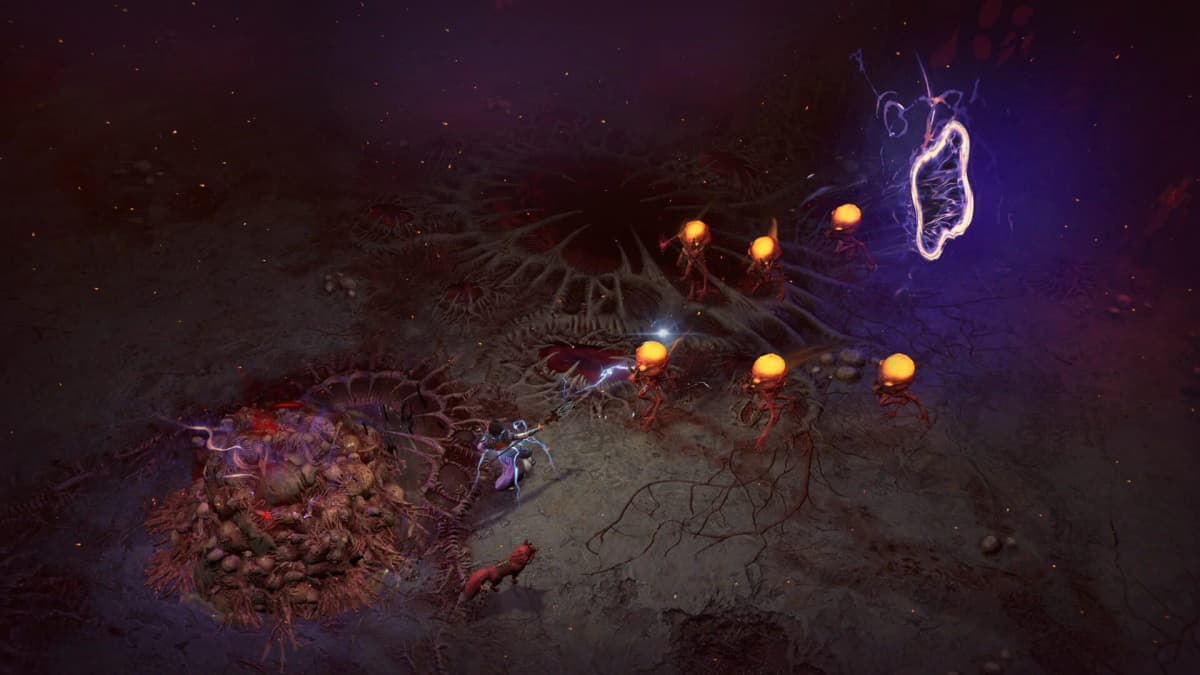
If I were in the room with Blizzard PR, the question would be simple: how much of this freedom survives once players hit serious endgame breakpoints? Because “you can finally play Human Druid” is meaningful only if that option isn’t secretly 30% worse once the spreadsheet people get involved.
Necromancer is getting the kind of minion support summoners should have had already
The Necromancer side may be even more revealing. A stronger centralized minion and summon-control system sounds less flashy than new legendary fireworks, but for the class fantasy it’s huge. Summoner builds live or die on clarity. If your army is technically strong but annoying to direct, spread across too many disconnected systems, or balanced around passive clutter instead of command, the fantasy collapses fast.
That appears to be what Blizzard is trying to fix. Pulling minion control into a more coherent skill-tree setup and making big armies more likely means Necromancer players may finally get a build that feels like commanding the dead instead of babysitting AI interns. Reports around the expansion have pointed to the possibility of truly oversized skeleton swarms with the right setup, somewhere in the “surrounded by an absurd number of skeletons” range. Whether that lands exactly at the meme-worthy top end people are throwing around matters less than the design direction. Blizzard is leaning into excess on purpose.
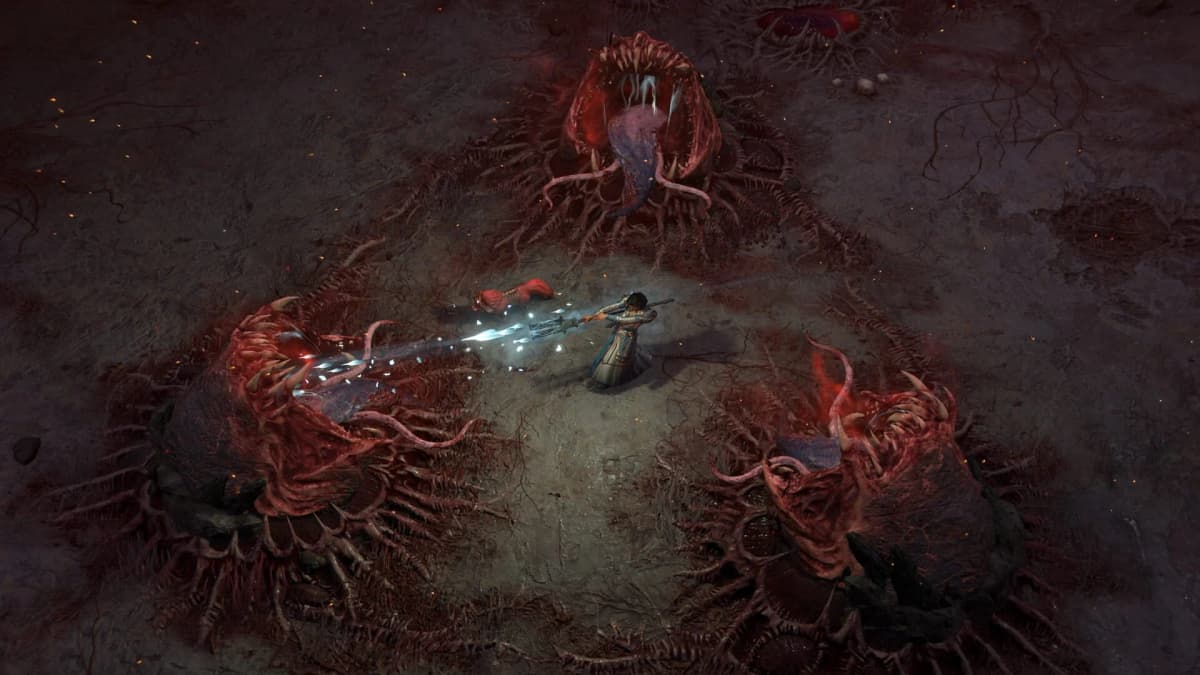
And that’s the right call. Diablo has never been hurt by letting necromancers look a little ridiculous. It gets hurt when a supposedly iconic class fantasy is hedged by too many caveats. Summoner players do not want a dissertation on why their army has to remain tasteful and restrained. They want a screen full of bones and a reason to believe that wasn’t a leveling gimmick.
This also tells you where Lord of Hatred’s class meta is headed
There’s another layer here. Background coverage around Lord of Hatred keeps circling two new class pillars: Warlock as the flashy buildcraft darling and Paladin as the obvious safe bet. That creates real pressure on older classes. If Blizzard didn’t give Druid and Necromancer more defined identities, they risked becoming the “legacy” picks people tolerate while the expansion’s new toys eat the room.
So these changes are not just balance notes. They’re defensive roster design. Blizzard is trying to make sure existing classes still have a reason to exist in a post-expansion meta where Warlock and Paladin are likely to dominate conversation, guides, and ladder experimentation. Druid gets agency. Necro gets scale. That’s not accidental.
There’s a historical lesson here too. Action RPGs routinely confuse complexity with depth. Diablo 4 has flirted with that mistake before, especially when a build’s core identity depended on too many external patches, item fixes, or hidden interactions. These class changes work because they attack that problem at the root. Less “assemble this fantasy from six subsystems.” More “pick what you want to be, then optimize it.”
What to watch before calling this a win
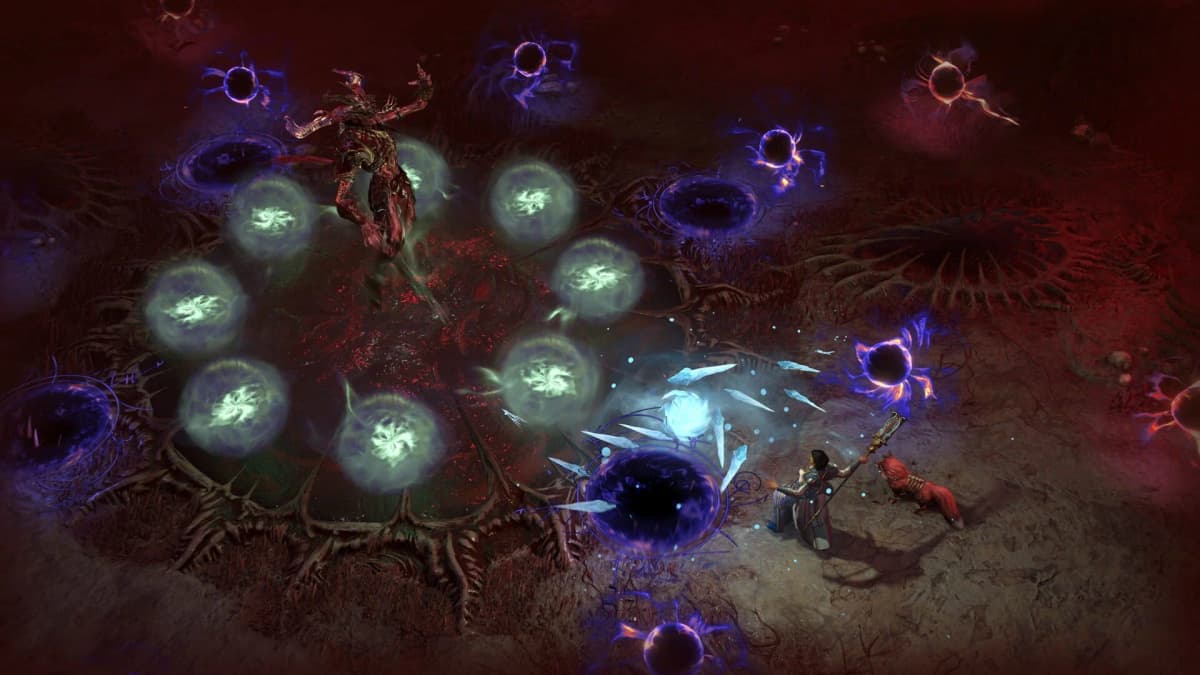
The next signal is practical, not theoretical: endgame performance after Lord of Hatred and patch 3.0.0 are fully in players’ hands. For Druids, watch whether Human-focused Storm and Earth variants actually survive high-tier content without being shoved back into old best-in-slot shapeshift patterns. For Necromancers, watch minion survivability, pathing, and command responsiveness. Big armies are fun until they jam on doorways, evaporate to scaling, or spend half a fight licking walls.
Also keep an eye on how fast build guides converge. If every “new freedom” setup gets solved into one obvious superior form choice within a week, then the system is cleaner but not necessarily deeper. If we instead get several viable Druid identities and summoner Necro variants that feel genuinely distinct, then Blizzard may have pulled off something rarer than a good patch note: a class fix that actually changes how the game feels.
TL;DR
Lord of Hatred gives Druids direct control over many shapeshift outcomes and gives Necromancers a more centralized, more serious summon-control framework. That matters because both classes have been carrying old design friction that made their fantasies less reliable than they should have been. The practical takeaway: if you bounced off Druid for forced form nonsense or Necro for messy minion play, this is one of the first Diablo 4 class updates that actually targets the real problem.
FinalBoss // Gear
Level up your setup
01Top-rated gaming headsetson Amazon→02High-refresh gaming monitorson Amazon→03Gaming chairson Amazon→04Discounted game keyson Kinguin→Affiliate links · As an Amazon Associate, FinalBoss earns from qualifying purchases.
Want to Level Up Your Gaming?
Get access to exclusive strategies, hidden tips, and pro-level insights that we don't share publicly.
Ultimate Editor's Pick Strategy Guide + Weekly Pro Tips