
Blizzard finally seems to understand the difference between adding more numbers and fixing a class. That’s the real hook in the Diablo IV: Lord of Hatred updates for Necromancer and Druid: these aren’t just balance notes dressed up as content. They target two longstanding frustrations players have been side-eyeing since launch – Necromancer minions that too often felt like decorative chaos, and Druid shapeshifting that kept forcing builds into forms they didn’t actually want.
If you’ve played either class seriously, you can see why this matters immediately. Necro players have spent ages trying to make “commander of the dead” feel like actual command instead of passive pet ownership. Druid players have been stuck in that familiar Blizzard design trap where flexibility gets advertised, then quietly fenced off by mandatory form-switching. Lord of Hatred looks like a real attempt to loosen both cages.
Table of Contents (6)
Key takeaways
- Necromancer’s rework pushes minion play deeper into the skill tree, which is where it always should have lived if Blizzard wanted summon builds to feel deliberate instead of accidental.
- The new Affliction passive is more important than it looks: it turns debuff application into a central engine for both Necro and minion damage, not just a side bonus.
- Druid’s shapeshift changes are the cleaner design win. Letting players choose what form a skill forces – or avoid forced forms entirely in some paths – opens real build freedom, especially for human-form earth and storm setups.
- The uncomfortable question is whether Blizzard will let this freedom survive the first wave of “overperforming build” panic, or nerf the fun back out of it in two patches.
Necromancer finally gets something close to actual minion control
The biggest Necromancer win here is philosophical. For a long time, minion builds in Diablo IV have existed in that awkward space where Blizzard clearly wanted them viable, but never quite seemed comfortable letting them be powerful and manageable. You could stack pet bonuses. You could chase gear. But “master of an undead army” too often translated to “watch your AI interns wander off and freelance.”
Lord of Hatred appears to address that by centralizing summon management and tying minion performance more directly to core class mechanics. The standout piece from the research is the Affliction key passive: enemies hit by Vulnerable, crowd control, or Shadow damage over time become infected and take 15% increased damage from both the Necromancer and their minions. Curse skills then add 30% Shadow damage, scaling with combined debuffs. That’s not fluff. That’s a clear signal that Blizzard wants summon Necros to actively pilot battlefield states instead of standing back and hoping the skeletons have good instincts.
That matters because it gives minion builds a gameplay loop. Apply debuffs. Spread infection. Amplify pet damage. Use curses as part of your offense rather than treating them like old homework from Diablo II. Add recent buffs — minion damage per 20% attack speed increased from 30% to 40%, Golems getting more armor and intelligence through Flesh Horror, unified resistances across all minions — and the picture is obvious: Blizzard is trying to make summon builds less brittle and less dependent on praying that one stat interaction keeps them afloat.
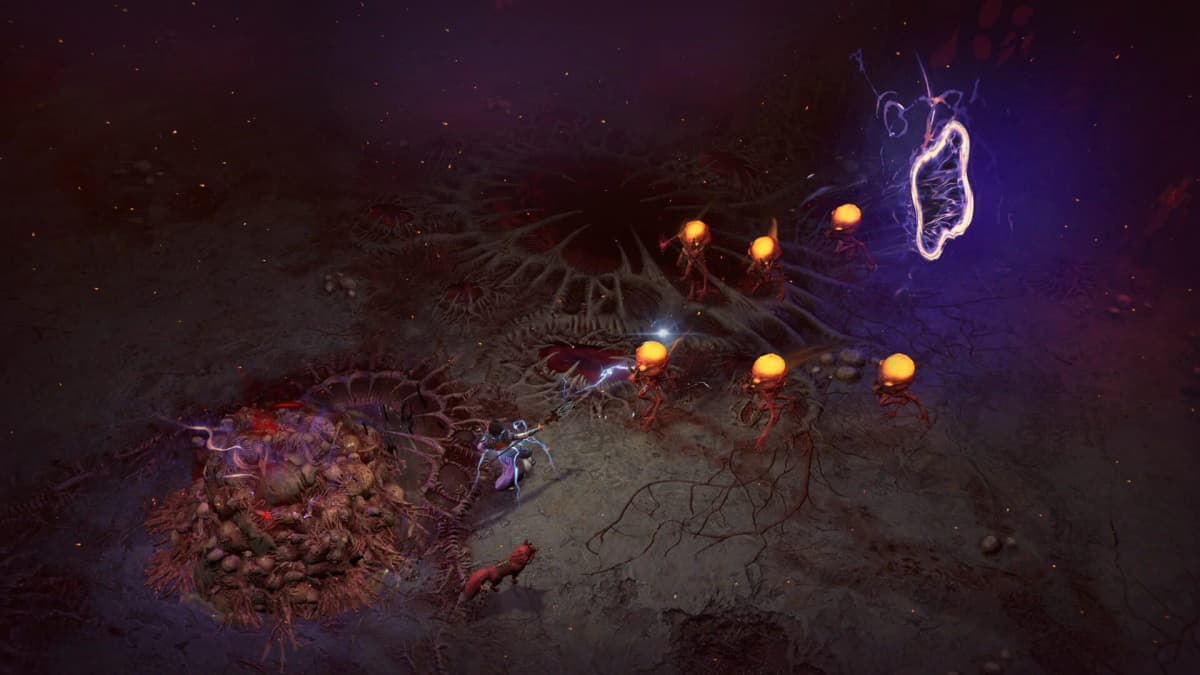
If I were in the room with a PR rep, the question I’d ask is simple: how much of this is true control, and how much is cleaner packaging for the same old AI limitations? Because that’s the trap here. Bigger skeleton counts and stronger scaling sound great. But if command inputs, target priority, and moment-to-moment responsiveness still feel mushy, then “up to 28 skeletons” is a fantasy headline, not a solved design problem.
Druid’s real upgrade is freedom from forced identity
Druid may have gotten the smarter rework. Not flashier. Smarter.
For a while now, Druid has had a weird identity issue in Diablo IV. Blizzard sold the class as a broad elemental shapeshifter, but many builds ended up feeling like they were being yanked around by form requirements rather than empowered by them. If you loved werebear or werewolf, great. If you wanted a more human-form caster style using storm or earth abilities without constantly being shoved into animal cosplay, the class could feel like it was arguing with you.
The Lord of Hatred changes reportedly let players choose which shapeshift form a skill forces them into, opening up routes for human-only or at least human-leaning setups. That sounds technical, but the impact is huge. It means buildcraft stops being a negotiation with hidden restrictions and starts becoming an actual choice. More importantly, it fixes one of Blizzard’s most persistent class-design habits: treating fantasy flavor as something that must override player agency.
This is the kind of update that won’t always look spectacular in a trailer, but experienced ARPG players know better. When skill tags, branching paths, and form rules become more flexible, you get more than variety. You get survivable build ecosystems. More off-meta ideas stay functional for longer. More players can make a class feel like theirs instead of funneling into the same solved templates by week two.
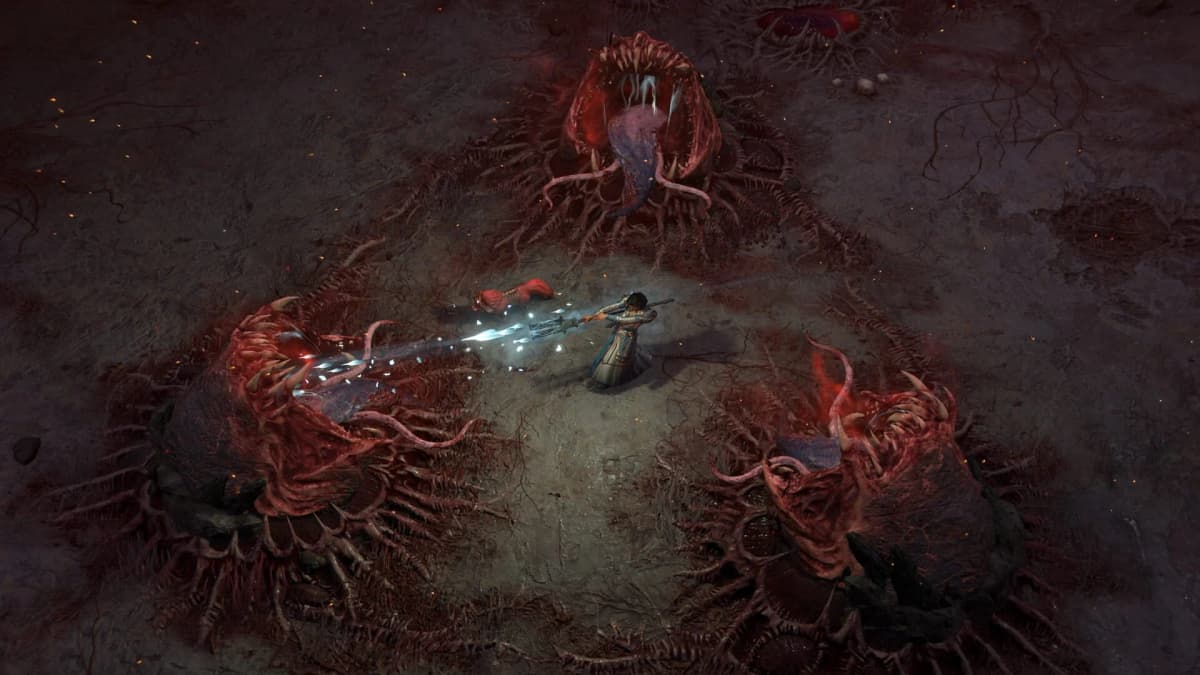
The bigger story is Blizzard moving past passive-stat design
The broader class reworks matter because they suggest Blizzard is finally moving beyond one of Diablo IV’s original sins: too much power hidden in passive multiplication, not enough in how skills actually behave. The research points to new skill variants, branching paths, and tag modifications across classes. That’s the right direction. ARPG depth gets a lot more interesting when abilities change function, not just output.
Historically, this is where Blizzard has sometimes been stubborn. The studio loves legibility, which is good until it becomes conservatism. A lot of early Diablo IV class design was tidy on paper and narrower in practice than fans wanted. These reworks suggest the team has finally accepted that players don’t just want balanced archetypes. They want permission to break open the class fantasy and build sideways.
That’s why the Necro and Druid changes stand out. They’re not just buffs. They’re admissions. Necro needed more intentional minion gameplay. Druid needed less forced shapeshift babysitting. Blizzard appears to have heard both complaints clearly.
What to watch next
The first thing worth watching is build diversity after the opening week or two of the expansion and season cycle. Not leaderboard winners — everybody can brute-force one dominant setup. The real tell is whether multiple Necromancer minion archetypes and human-form Druid variants remain viable once players finish stress-testing the system.
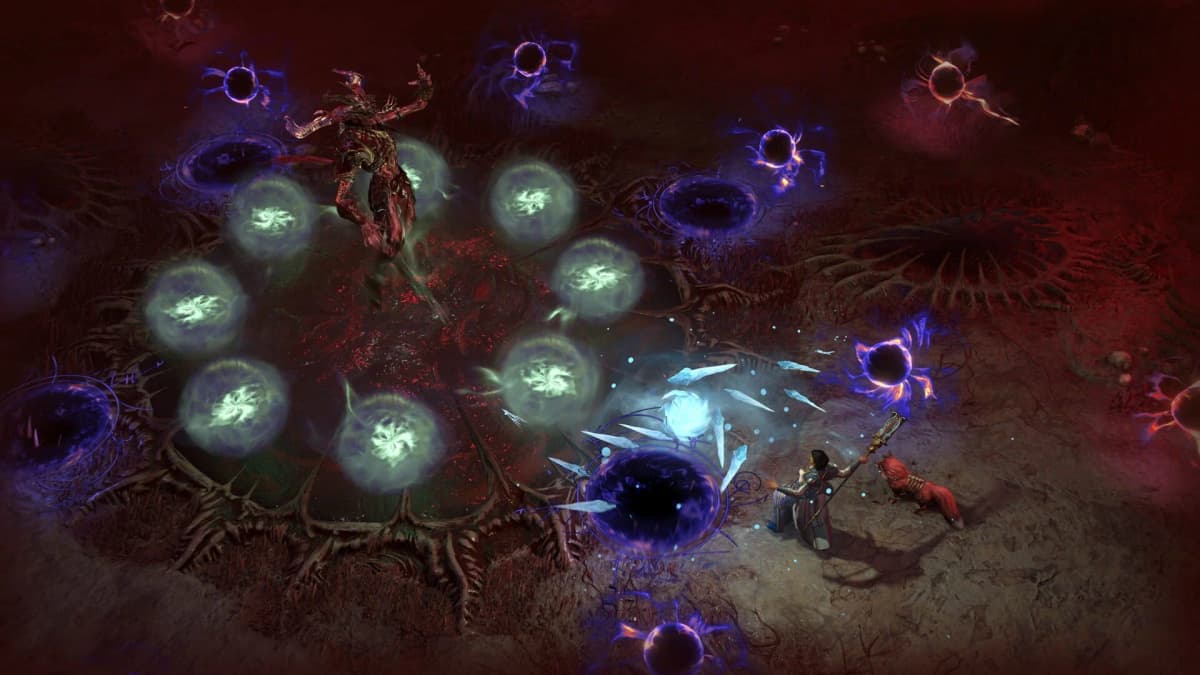
The second is Blizzard’s patch behavior. If emergency tuning immediately kneecaps skeleton count scaling, infection synergy, or human-form routing, then this whole rework starts looking like temporary courage. If the studio instead trims outliers while preserving the new play patterns, that’s a much stronger sign these changes were built to last.
Practical takeaway: if you bounced off Necromancer because minions felt too passive, or dropped Druid because the class kept forcing you into forms you didn’t want, Lord of Hatred is the first update in a while that looks like it’s addressing the actual complaint instead of tossing another percentage buff at it. That’s a better reason to come back than any cinematic ever was.
TL;DR
Diablo IV: Lord of Hatred reworks Necromancer and Druid in ways that change how those classes play, not just how they scale. Necromancer gets more deliberate minion management and stronger debuff-driven summon synergy, while Druid gains long-overdue freedom from forced shapeshift routing. Watch the post-launch balance patches closely, because they’ll reveal whether Blizzard truly believes in this new flexibility or just borrowed it for the marketing cycle.
FinalBoss // Gear
Level up your setup
01Top-rated gaming headsetson Amazon→02High-refresh gaming monitorson Amazon→03Gaming chairson Amazon→04Discounted game keyson Kinguin→Affiliate links · As an Amazon Associate, FinalBoss earns from qualifying purchases.
Want to Level Up Your Gaming?
Get access to exclusive strategies, hidden tips, and pro-level insights that we don't share publicly.
Ultimate Editor's Pick Strategy Guide + Weekly Pro Tips