
Lost Hellden: France’s Hand‑Painted JRPG Aims Big in 2025 — But Can It Deliver?
Game intel
Lost Hellden
Lost Hellden is a unique 3D hand-painted J-RPG from Artisan Studios, enhanced by dynamic lighting and weather effects. Follow Cyphel and his allies as a mature…
Why Lost Hellden Caught My Eye
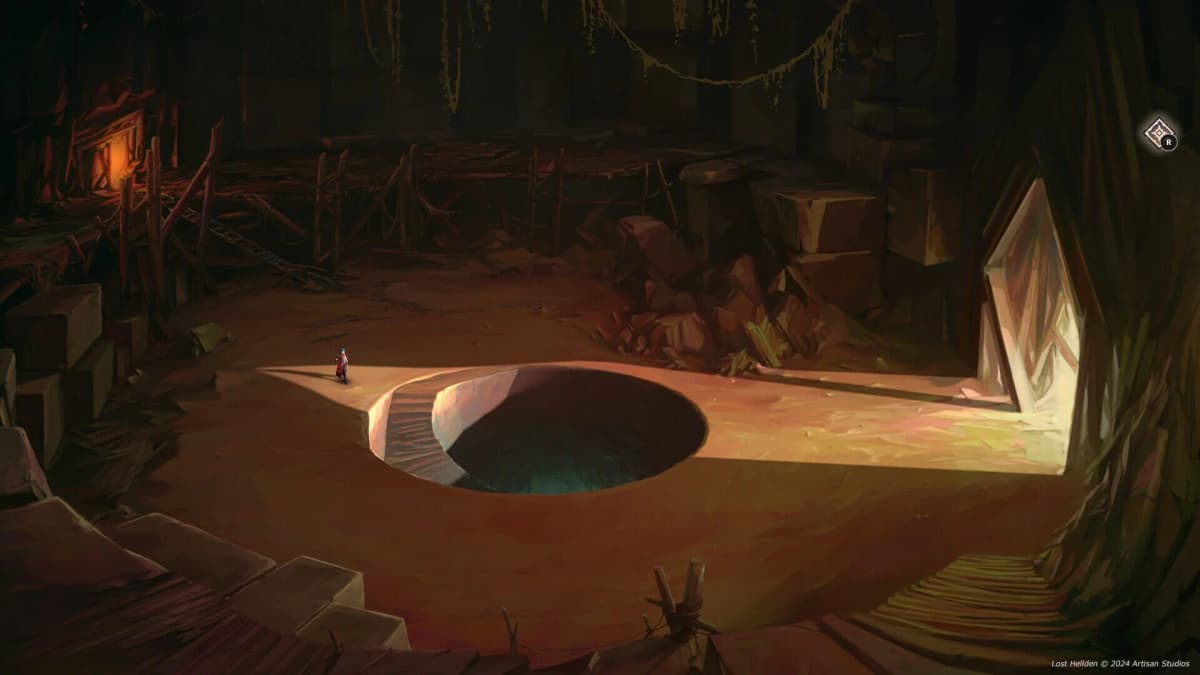
France has been pushing into JRPG territory lately, and Lost Hellden is the most ambitious swing yet. Revealed again at the Future Games Show, it’s touting hand‑painted “Deep 2D” art, music from Hitoshi Sakimoto (Final Fantasy XII, Valkyria Chronicles), and a hybrid combat system that tries to blend turn-based planning with real-time skill checks. That combo will grab any JRPG fan’s attention-mine included-but the real question is whether Artisan Studios can execute where their past games stumbled.
Key Takeaways
- Gorgeous, hand‑painted visuals and a Sakimoto score set a high bar for atmosphere.
- Hybrid combat splits into Action and Reaction phases-promising both tactics and timing-based skill expression.
- Releasing on PC, PS5, Xbox Series, plus PS4 and Switch in 2025 raises performance and scope concerns.
- Artisan Studios’ track record (Super Neptunia RPG, Astria Ascending) was mixed—beautiful art, uneven systems—so cautious optimism is warranted.
Breaking Down the Announcement
Lost Hellden is targeting a 2025 release on PC, PS5, Xbox Series X|S, PS4, and Nintendo Switch. The premise is immediately hooky: on the planet Era, every person is bound to one of the Seven Deadly Sins via a Nexus Ritual before their first birthday. Two twins buck the system—one bound to all sins, the other to none—and that setup practically begs for character-driven drama and systemic twists tied to strengths and weaknesses. Veteran artist Takeshi Oga (Gravity Rush, Siren) leads art direction, and the painterly presentation pops in motion.
The Combat System: Hype vs. Substance
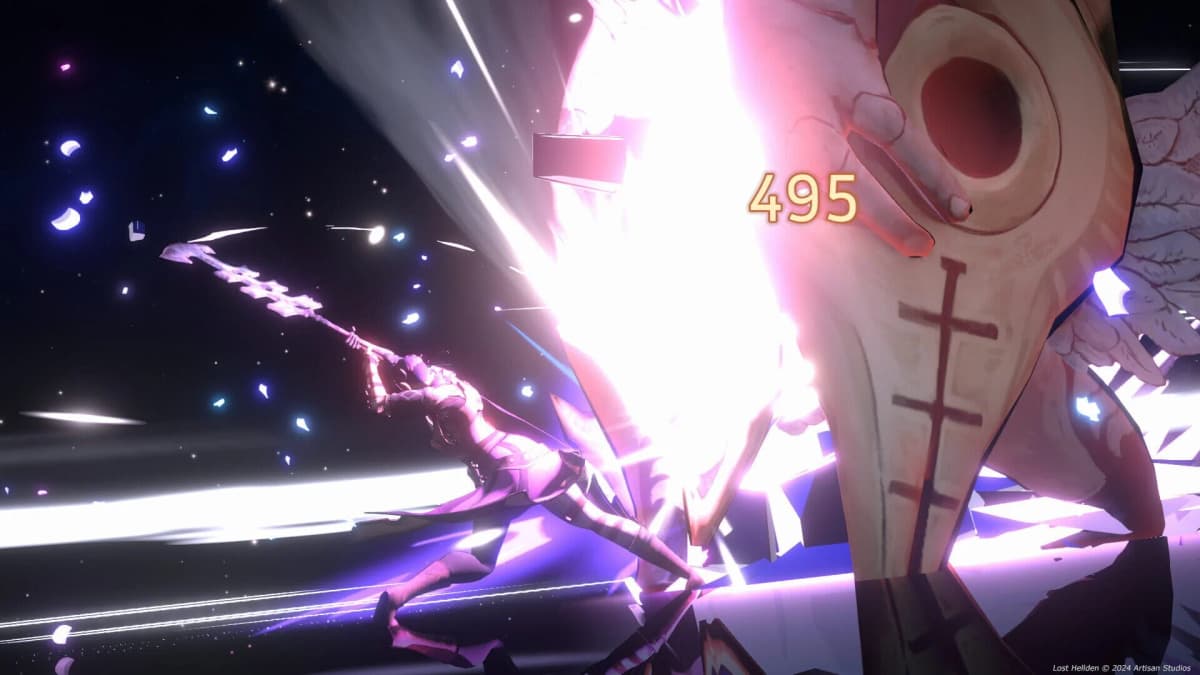
The headline feature is a two-phase battle flow. In the Action phase, you freely position and strike—think an action layer where you pick your angles, trigger abilities, and set up the turn. Then the Reaction phase flips control to enemies and asks you to dodge, parry, and counter with tight timing windows. It’s not the usual “ATB with a pause” riff we’ve seen since Final Fantasy VII Remake; this is more like alternating control blocks where your execution in the Reaction phase materially alters the next Action window.
If Artisan nails the cadence, this could thread the needle between the tactical clarity of turn-based and the adrenaline of real-time. The danger is obvious: if the Reaction windows are mushy or animations lack readability, it could feel like busywork between the “real” decisions. The studio says your characters’ “sin” alignment affects abilities and vulnerabilities, which could be a smart layer—provided it’s readable in combat and not just a spreadsheet of multipliers.
What I want to see next: encounters that reward creative positioning (AOE cones, environmental hazards), meaningful counters to big telegraphs, and boss fights that evolve phase-to-phase rather than just piling on HP. Show me a mid-game fight where a poorly timed dodge actually reshapes your next turn, not just costs you a sliver of health.
Art Direction and Audio: Aiming for Vanillaware-Level Cohesion
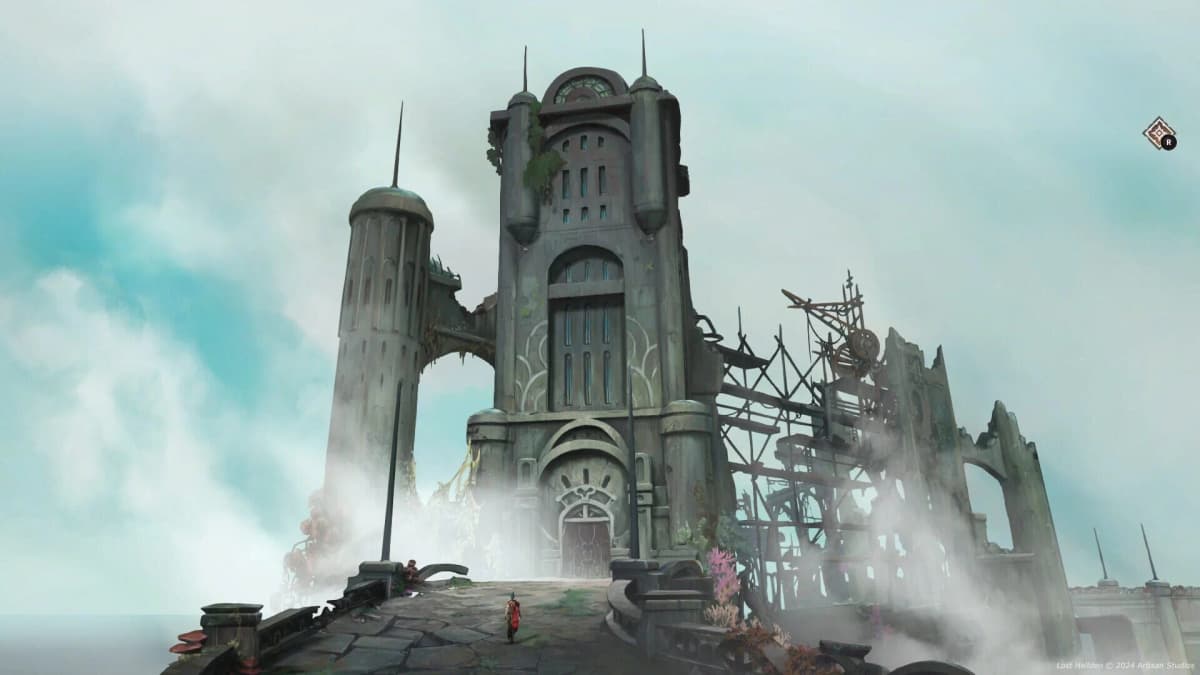
“Hand‑painted” can be marketing fluff, but the footage looks legitimately striking—deep parallax, painterly shading, and that 2D/3D blend reminiscent of studios like Vanillaware. With Takeshi Oga guiding the look, character silhouettes and environmental storytelling already feel stronger than your average AA RPG. That matters: if Lost Hellden wants to sit next to genre heavyweights, it needs more than pretty concept art; it needs readable combat animations, clean UI, and consistent visual language for status effects and sin affinities.
Sakimoto’s involvement is a big deal. His orchestration shines when battles need weight and political drama needs pulse. The risk is mix and repetition—looping short cues can cheapen even the best composition. Given how central combat rhythm is here, the audio cues for parries, perfect dodges, and big ability wind-ups need to be crisp and satisfying.
Want to Level Up Your Gaming?
Get access to exclusive strategies, hidden tips, and pro-level insights that we don't share publicly.
Ultimate Gaming Strategy Guide + Weekly Pro Tips
Context: France’s JRPG Moment and Artisan’s Track Record
Between Clair Obscur: Expedition 33 and Lost Hellden, France is suddenly a JRPG hotspot. It’s great to see Western studios chase JRPG sensibilities without losing their own identity. But let’s be honest: Artisan Studios has something to prove. Astria Ascending was gorgeous but dragged with grindy pacing and balance issues; Super Neptunia RPG had performance hiccups and flat combat feel. Lost Hellden looks like a step up across the board—production values, clearer combat identity, stronger art direction—but the team needs to stick the landing on encounter design and progression tuning.
If they can deliver a leaner progression curve, more curated loot, and fewer difficulty spikes, this could be the studio’s breakout. A public demo would go a long way to building trust—let players feel those Reaction parries and see if the timing actually sings.
Platforms, Performance, and the 2025 Window
Cross‑gen launches are a double-edged sword. Hitting PS4 and Switch massively expands the audience, but it can cap ambition—AI counts, animation density, and even camera systems often get simplified to keep 30fps. The “Deep 2D” approach might help: stylized 2D over 3D foundations tends to scale better than full-fat 3D. Still, Switch performance is a question mark until proven otherwise, and JRPGs live or die on consistent frame pacing during combat.
Release timing is also crucial. 2025 is shaping up crowded, and AA RPGs can get buried under bigger marketing budgets. Lost Hellden needs a clear value proposition—tight 30-50 hour story, confident boss design, and a unique hook (the sin system) that pays off in gameplay, not just lore. If Artisan nails those, this could be one of the year’s sleeper hits.
What Gamers Should Watch For Next
- A playable demo or extended gameplay slice with multiple encounters (trash mobs, mini-boss, full boss).
- Clarity on difficulty options and accessibility for timing-based mechanics.
- Platform-specific performance targets—especially Switch and last-gen consoles.
- How the sin alignment meaningfully alters builds, quest outcomes, and combat matchups.
TL;DR
Lost Hellden looks fantastic and its two-phase combat could genuinely freshen up JRPG battles. But with a cross‑gen release and a studio history of style outpacing systems, the proof will be in encounter design, tuning, and performance. I’m hopeful—just not taking the hand‑painted bait without a hands-on demo.