

Lost in the Open Brings Brutal, Story-Driven Tactics to PC and Steam Deck
Game intel
Lost In The Open
Lost In The Open is an atmospheric turn-based tactical game set in a procedurally generated low-fantasy world. As the target of an assassination attempt, you m…
Why Lost in the Open Caught My Eye
“As beautiful as it is brutal” isn’t just marketing fluff when you’re talking about a roguelike where one unit’s death instantly ends your run-especially when that unit is the King. WhisperGames is partnering with Black Voyage Games to launch Lost in the Open on PC and Steam Deck later this year, and the pitch lands squarely where tactical sickos live: attrition-heavy fights, a relentless pursuit across a low-fantasy overworld, and choices that sting long after you make them. The team’s pedigree is eclectic-mobile, animation, and indie backgrounds-and that often leads to interesting design swings. The demo is live, and what’s here suggests a focused tactical roguelike that mixes FTL’s “run while hunted” energy with Battle Brothers’ punishment and a dash of Banner Saga’s bleak road-trip storytelling.
Key Takeaways
- Permadeath with a twist: lose King Nrvesk and the whole run ends—no second chances.
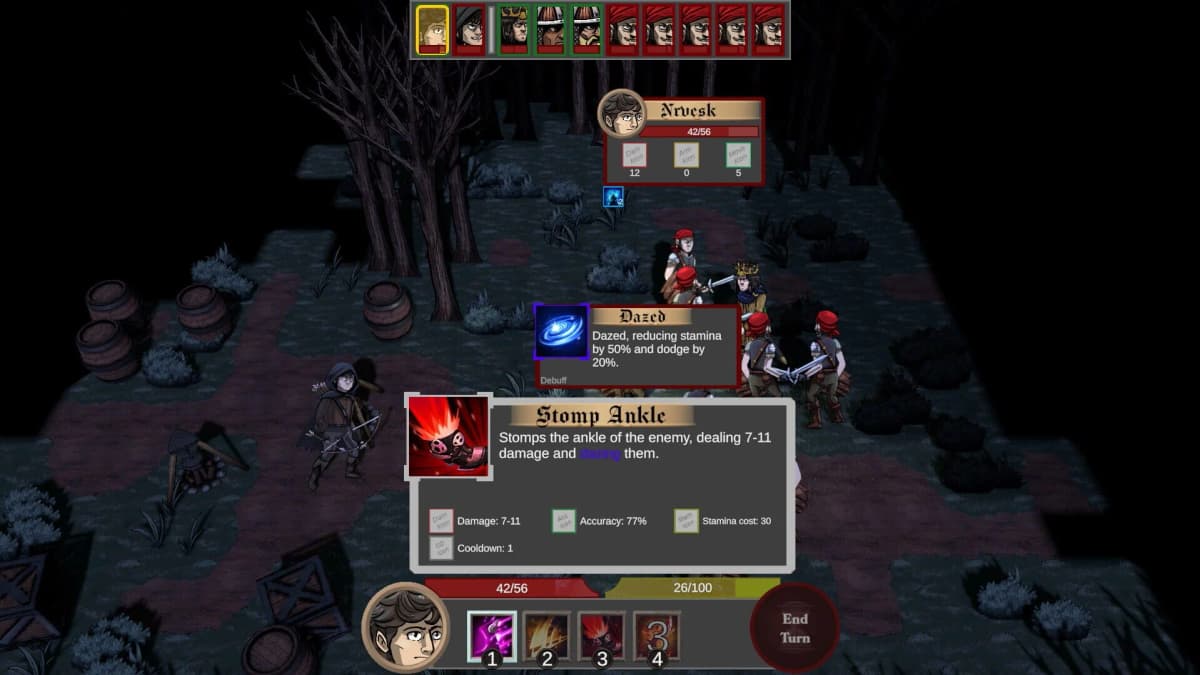
- Grid-based, 8-directional tactics with survival mechanics and bleeding injuries push cautious play.
- Procedurally generated overworld with branching events promises replayability, but balance will be everything.
- “Squad-wide progression redefined every run” sounds roguelite; clarity on meta progression will matter.
Breaking Down the Announcement
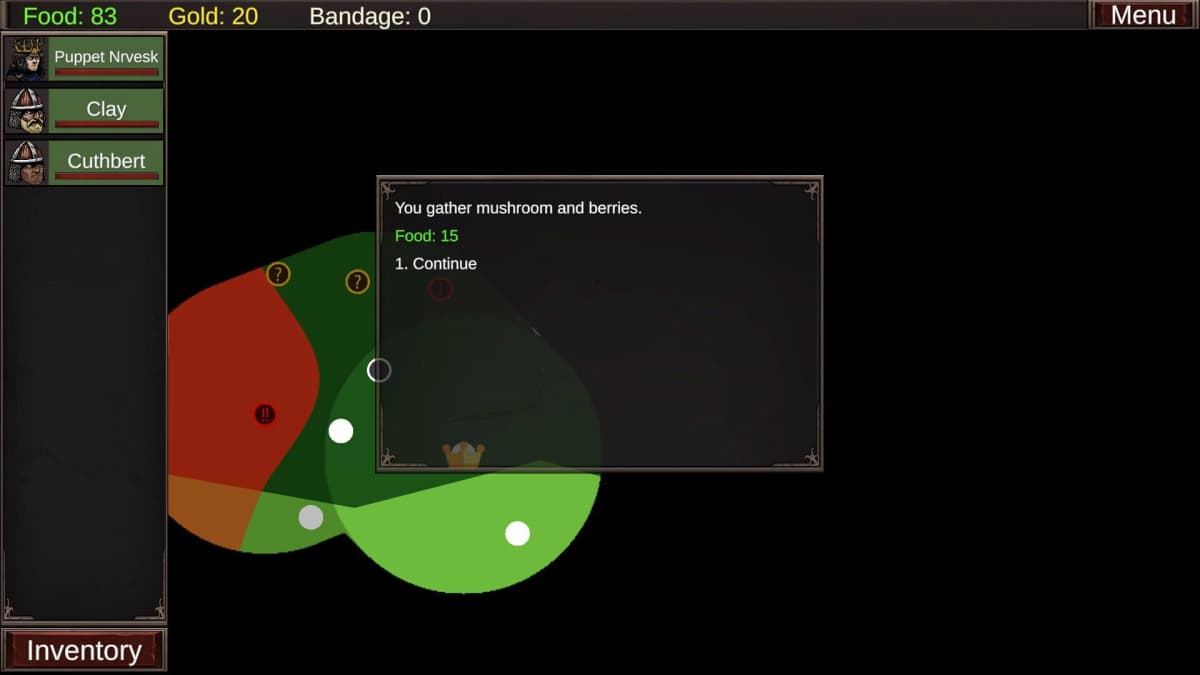
Black Voyage’s debut sets you as King Nrvesk, fresh off a failed assassination, limping through hostile lands with just two bodyguards while enemy forces chase you. That framing matters because it informs the tactical rhythm: this isn’t about clearing every fight—it’s about choosing which fights you can survive and which you should avoid, scraping by with whatever you can scavenge or recruit along the way. The studio calls out 8-directional grid combat (think square tiles with diagonal play) and highlights bleeding, broken bodies, and hard choices. If you’ve played Darkest Dungeon, you know how fast a “minor” wound snowballs; if Lost in the Open nails that same slow-crush feeling, every tile of movement and every action point will count.
There’s also an explicit narrative angle: “repent for Nrvesk’s bloody past.” That suggests encounter outcomes may hinge on who the king has been, not just who he is now. The press blurb teases event uncertainty—a distant light in the forest could be merchants, thieves, or worse—which is standard roguelike fare, sure, but the difference will be in authored event density and consequence. Are these handcrafted story nodes stitched into procedural routes (Wildermyth style), or are they pure RNG tables with flavor text? If the writing has teeth and remembers you five events later, the game could step beyond mere tactical runs and into memorable campaign tales.
The Gamer’s Perspective: Stakes That Actually Change How You Play
The “indispensable king” loss condition is a big swing. VIP-protection missions are usually the worst part of tactics games because the VIP is a liability; here, he’s your protagonist and a tactical asset. That only works if the kit supports smart risk-taking—bodyguard skills that intercept hits, disengage tools like smoke or pushes, retreat options, overwatch zones, and meaningful terrain like choke points and elevation. If the king feels like a fragile pawn you constantly park in the corner, runs will feel samey and frustrating. But if Nrvesk can anchor formations and trade risk for payoff, that single fail state will heighten tension rather than suffocate it.
Attrition design lives or dies on recovery pacing. Can you mend injuries without destroying your forward momentum? Are camps scarce, and does resting draw the pursuers closer (FTL’s creeping fleet pressure)? The announcement leans into “endure” and “on the run,” so I’m hoping there’s a tug-of-war: the longer you patch up, the tighter the noose gets. That kind of pressure turns even a mediocre fight into a white-knuckle gamble, and it’s where great roguelikes earn their stories.
Industry Context: Where It Might Fit
We’ve seen plenty of tactical roguelikes recently—Into the Breach for razor-sharp puzzles, The Last Spell for endurance sieges, and Crown Trick for grid experimentation. Lost in the Open looks closer to Battle Brothers meets Banner Saga: overworld journey, punishing injuries, and narrative choices that can go very wrong. The differentiator here could be the king-as-run condition and the “narrative on the move” framing. If Black Voyage steers clear of content bloat and focuses on tight, dangerous encounters with strong event writing, it could carve out space alongside those heavy hitters rather than be dismissed as “another grid roguelike.”
Want to Level Up Your Gaming?
Get access to exclusive strategies, hidden tips, and pro-level insights that we don't share publicly.
Ultimate Gaming Strategy Guide + Weekly Pro Tips
Steam Deck Talk and Tech Questions
The team explicitly calls out Steam Deck support, which is encouraging, but the devil’s in the details. Tactics games thrive on readability—big, legible fonts, clean iconography, and input that doesn’t fight you. If the UI scales well and the 8-directional grid snaps cleanly to controller, Deck sessions should be natural. Performance-wise, the art direction sounds moody rather than effects-heavy, so 60 FPS shouldn’t be a stretch. My bigger asks: proper quick-resume handling, an ironman mode that respects portable pauses, and accessibility toggles for text size and colorblind readability. Deck players are unforgiving when UX gets in the way of one-more-run.
What I’m Watching For
- Meta vs. run-based progression: “redefined every run” implies resets—will there be long-term unlocks, or is this a pure roguelike?
- Encounter diversity: handcrafted events with cascading consequences beat random tables every time.
- Defensive toolkit: we need bodyguard actions and escape valves so the king isn’t dead weight.
- Recovery pacing: smart trade-offs between resting, recruiting, and the encroaching pursuit.
TL;DR
Lost in the Open is a tactical roguelike where protecting your king defines every decision. If Black Voyage nails attrition pacing, event writing, and a protective toolkit that makes risk feel rewarding, this could be a standout in a crowded genre. The demo’s out—now it’s on the team to prove the brutality is fair and the beauty runs deeper than the splash art.