

Lost in the Roots Nails Hand-Drawn Horror—But Can Its Crafting Avoid Busywork?
Game intel
Lost in the Roots
A 2D adventure with a twisted story about guilt, where a girl is kidnapped and held in an attic somewhere in the countryside. Why and who took the girl to this…
Why Lost in the Roots Caught My Eye
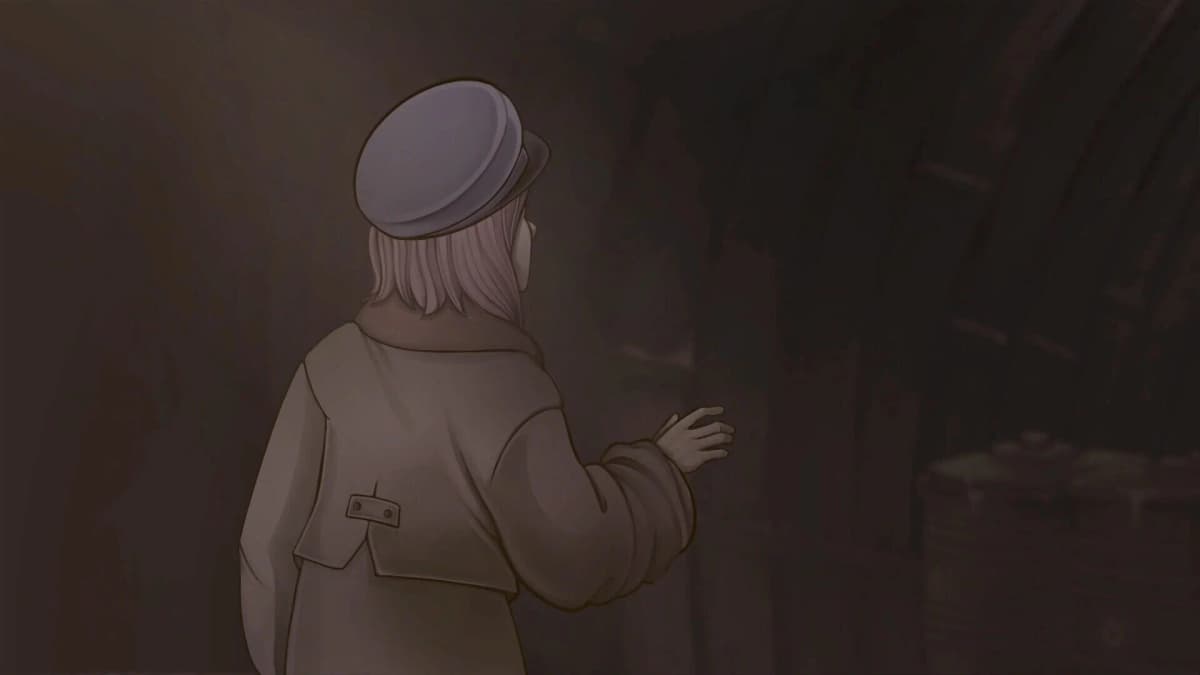
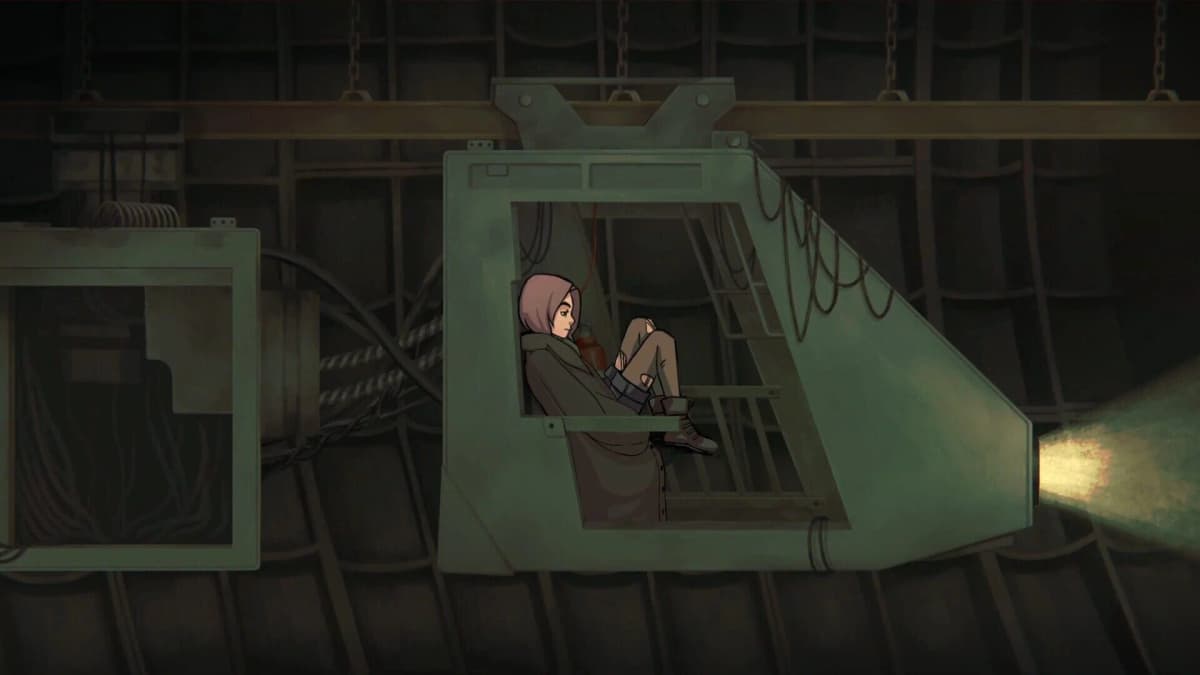
Every year a few indie adventures sidestep the chase for photorealism and instead go for mood, texture, and ideas. Lost in the Roots looks like one of those. Trioskaz studio is pairing haunting frame-by-frame animation with a psychological escape narrative: you play as Trisha, trapped by a captor named Yakob, picking through eerie spaces, crafting your way out, and questioning what’s real. It’s set in the same universe as No, I’m Not A Human, which already flags “identity under pressure” as a theme. That combo-handmade visuals, mind-bending puzzles, and a grounded horror premise-is exactly the kind of recipe that keeps me up at night in the best way.
Key Takeaways
- Frame-by-frame animation can make horror feel tactile and unsettling-if the input response stays snappy.
- Crafting in a point-and-click works when it’s diegetic (lockpicks, sedatives), not when it’s filler (collect 10 twigs).
- Puzzle design needs to avoid “moon logic” and respect players’ time with fair cluing and solid hinting.
- Set in the No, I’m Not A Human universe, expect layered narrative threads and unreliable perspectives.
Breaking Down What’s Actually New Here
On paper, Lost in the Roots is a point-and-click adventure with puzzle-driven progression and a crafting layer. The twist is the presentation: frame-by-frame animation—think painstakingly drawn motion with subtle jitter—can make every hallway and facial expression feel alive in a way clean vectors never do. Horror thrives on the imperfect and the off-kilter, and this style is built for that. The risk is responsiveness: if interactions feel sluggy because the animation is locked to long loops, players will notice. The sweet spot is letting the art breathe without making pick-up/use actions a chore.
Crafting is the wildcard. In pure adventure terms, “crafting” often just means combining inventory items. If Trioskaz pushes it further—assembling improvised tools, mixing chemicals, deciding which scarce components to commit to an escape attempt—that could add meaningful tension. If it slips into generic survival craft (find X junk to make Y), it’ll clash with the narrative pacing. The story setup screams for tangible, story-anchored recipes: fashioning a lockpick from a hairpin, diluting a sedative to avoid lethal outcomes, or binding splints before a timed sequence.
The Real Story: Puzzle Design and Player Respect
I’ve lost count of adventure games that mistake obscurity for depth. The ones that stick—recently, the puzzle darlings that had us scribbling notes IRL—earned their difficulty by playing fair: environmental foreshadowing, consistent logic, and clues that reward attention rather than brute force. Lost in the Roots has the ingredients to do the same. The premise of captivity naturally supports puzzle logic (locks, codes, improvised mechanisms), and the hand-drawn vibe is perfect for embedding visual clues—scratches near dials, layered notes, unusual brush strokes that hint at hidden seams.
Two asks from a player’s perspective: first, give us an optional hint ladder instead of a binary “on/off” hint system. A nudge keeps immersion intact; a full solution erases it. Second, a generous, manual save system. Horror plus puzzles is a delicate balance—replaying minutes of animation because I misclicked a sequence is a quick route to Alt+F4.
Universe Connections Without Homework
Trioskaz says this lives in the No, I’m Not A Human universe, which implies more than winks and cameos. I’m expecting riffs on identity, memory, and unreliable narration—threads that can make puzzle solutions feel earned rather than arbitrary. The key is accessibility: newcomers shouldn’t need a lore wiki to decode what’s happening, but returning fans should catch subtext in item descriptions or environment art. Best case: layered meaning, not gated comprehension.
What Gamers Need to Know Before Launch
- Platform and timing: It’s currently announced for PC with the release date TBA. Expect modest hardware asks, but high-res hand-drawn frames can be memory-hungry—an option to cap animation smoothing would be welcome.
- Controls and accessibility: Mouse-first is a given. Let us scale text, rebind hotkeys, and toggle high-contrast clues. Color-coded puzzles should have symbol alternatives.
- Content tone: The captivity premise and psychological stressors deserve clear content warnings. That’s not about spoilers; it’s about player trust.
- Length and value: Narrative adventures typically land in the 5-12 hour range. If crafting deepens routing (multiple solutions, sequence breaks), replay value climbs. Price should reflect that scope.
Why This Matters Now
We’re in a mini-renaissance for brainy, stylish puzzlers where the art direction is part of the puzzle. Lost in the Roots looks poised to join that club if it keeps its focus: handmade horror, puzzles that respect your intelligence, and crafting that serves the story instead of padding the playtime. What excites me most is the potential for small, consequential choices—using a scarce component now to escape this room might complicate the next one. That’s the kind of tension only games can deliver.
Looking Ahead
I’m curious about three specifics before launch: 1) how granular the crafting gets, 2) whether the hinting system is player-friendly, and 3) if the universe tie-ins deepen the story without gatekeeping newcomers. If Trioskaz nails those, Lost in the Roots could be this year’s word-of-mouth indie that puzzle fans won’t shut up about. If not, it risks being another gorgeous curiosity you bounce off after an hour. I’m rooting for the former.
TL;DR
Lost in the Roots pairs striking hand-drawn animation with a grounded escape-horror puzzle loop. The make-or-break will be smart, fair puzzle design and crafting that adds tension instead of tedium. If Trioskaz threads that needle, this could be a standout for narrative adventure fans on PC.