
Table of Contents (9)
Why This Matters: When Romance Meets Live-Service
At Gamescom 2025, Love and Deepspace didn’t need elaborate props to make its statement. A modest booth drew a crowd of mostly women and femmes—fans queued for over an hour to snap pictures with life-size cardboard cutouts of the game’s five leading men. That moment sums up why a free-to-play mobile title became more than a download: it ignited a cultural wildfire. With over $750 million in player spending, a Best Mobile Game trophy at Gamescom, and 70 million players worldwide, Papergames has taken the otome genre from niche visual novels to a mainstream live-service powerhouse.
Key Takeaways
- Innovative immersion: First-person 3D romance and ASMR-style mechanics
- Monetization mastery: Gacha pulls, limited-time events, and cosmetic-driven spending loops
- Fandom fuel: TikTok challenges, subreddit hubs, cosplay meetups, and community wikis
- Ethical questions: Intimacy hooks, loot-box regulations, and spending safeguards
- Sustainability: Content burnout risks vs. roadmap for future expansions
Breaking Down Love and Deepspace
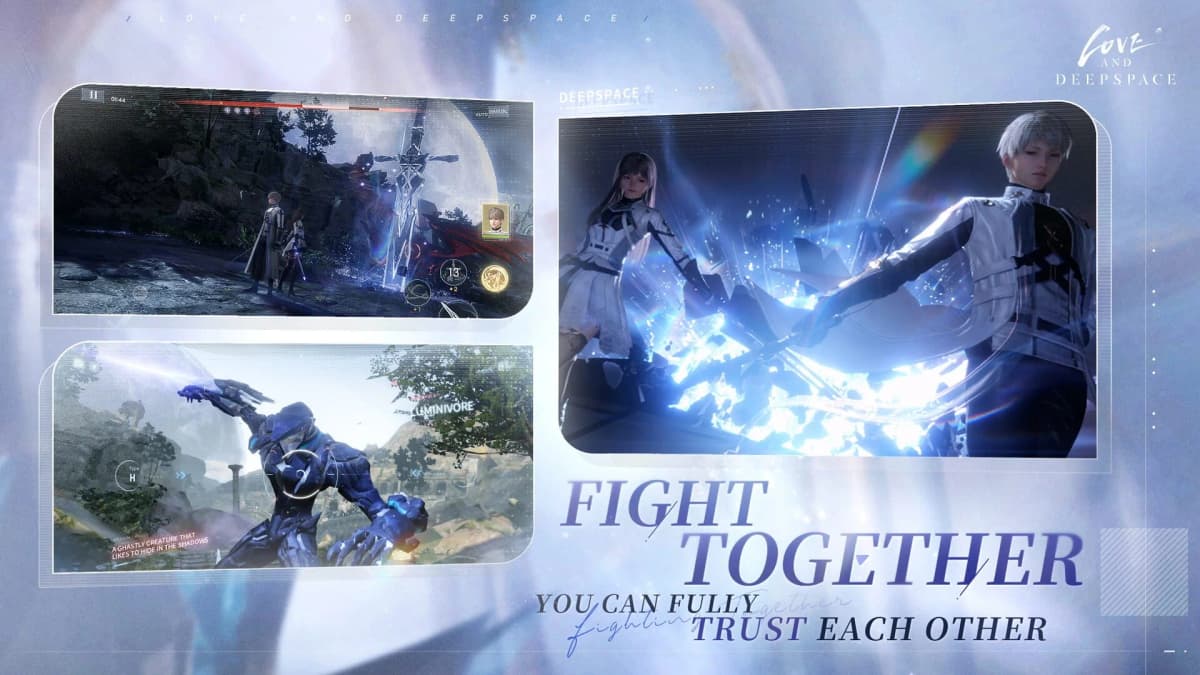
Love and Deepspace debuted on January 18, 2024, for iOS and Android. Developed by Papergames (known for the Nikki dress-up franchise) and published by Infold Games, this free-to-play title blends sci-fi combat with deep romantic narratives. You assume the role of a Deepspace Hunter defending Earth against alien Wanderers, but most of your time is spent forging emotional bonds with five male leads—Xavier, Rafael, Zayne, Sylus, and Caleb—each boasting distinct personalities and backstories.
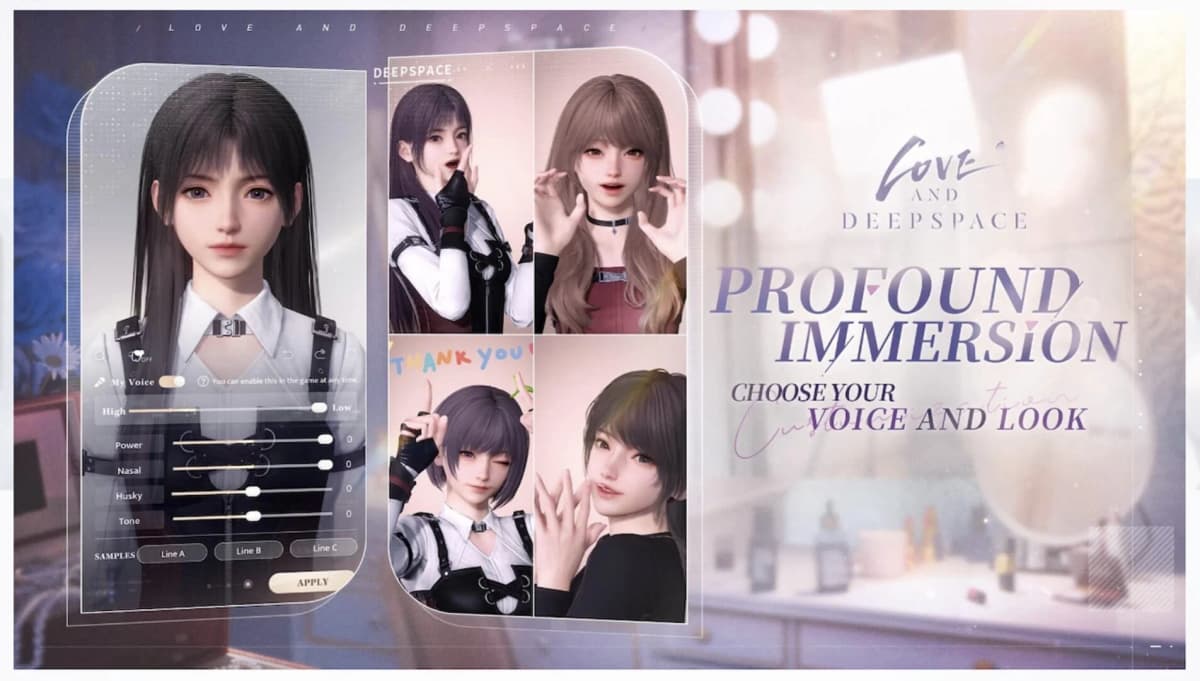
What sets it apart from traditional otome (romance simulation) games is its real-time 3D rendering. When you lean in for a hug, characters respond with unique animations, voice lines, and subtle facial micro-expressions. There’s even a “breath on me” feature using your phone’s mic. During downtime between date scenes, you jump into quick, cinematic combat using Membrane Resonance: tapping and swiping to dodge attacks, charging Resonance Levels (RLs) for combo strikes, and triggering a cinematic “Heartstring” finisher when you hit RL4. It’s a fusion of visual novel intimacy and action-packed sequences that keeps players engaged on multiple fronts.
The Mechanics Powering a Global Sensation
After Genshin Impact popularized gacha economies in the West, Love and Deepspace found a ready audience for randomized loot pulls—but with a romantic twist. Instead of chasing 5-star weapons, you pull for exclusive voice lines, character skins, and intimate date scenes. The in-game currency breaks down into:
- Hearts: Earned through daily logins and simple minigames, used for basic pulls.
- Galactic Crystals: Premium currency sold in bundles—prices range from $4.99 to $99.99.
- Event Tokens: Limited-time items dropped during story events for special scenes or outfits.
Weekly live events—like the Valentine’s “Stardust Serenade” or the Year-End “Cosmic Gala”—introduce new story arcs and exclusive cosmetics. During the Version 5.0 2nd Anniversary event (December 26, 2025), Papergames added a “Couple Concert” feature where players could team up in real-time to unlock duet scenes. That level of ongoing novelty keeps core fans spending and talking.
Community, Fandom, and Social Spread
This isn’t a solo experience. Love and Deepspace’s social hooks reward visibility. On TikTok, the hashtag #LoveAndDeepspace has racked up tens of millions of views, with players remixing whispered ASMR lines into fan-edits. A subreddit dedicated to the game quickly surpassed 100,000 members within months of release, hosting daily threads on pull luck, favorite characters, and strategy guides.
At Gamescom itself, fans explained the appeal plainly: “It’s like being part of a virtual boy band,” one attendee said, echoing comments heard across Discord servers and fan forums. Another player on a popular fan Wiki shared, “My monthly spending jumped from $50 to over $200 during the anniversary event—every new scene felt like unlocking a secret concert.” And on TikTok, a viral clip of a player reacting to Xavier’s whispered line “Are you safe?” hit over 2 million views, showing just how potent those intimacy mechanics can be when re-shared as community content.
These fan-driven moments create a loop: community hype leads to new players, new content leads to fresh clips, and so on. Cosplay streams, themed filter challenges on Instagram, and fan art tags all build a sense of collective fandom that extends well beyond in-game interactions.
Monetization: Capturing Hearts and Wallets
Behind the romance, Love and Deepspace is a finely tuned monetization engine. Limited-time banners for event characters force hard choices—do you save Crystals for a new storyline skin, or pull now for a coveted ASMR voice pack? Rare “Heart Gems” appear in gacha pools at sub-1% rates, fueling FOMO (fear of missing out).
Price points are tiered to hit all spending levels. A $4.99 starter pack grants enough Crystals for a few pulls plus bonus Hearts; a $99.99 “Galaxy VIP” bundle includes exclusive skins and a three-day double XP boost. Papergames even rolled out a subscription model: the “Stellar Pass,” priced at $14.99/month, which guarantees one Heart Gem every week plus seasonal cosmetics.
This aggressive but transparent approach—players always know pull rates and exact Crystal rewards—has driven the game’s blockbuster $750 million revenue. But it also raises questions about how much emotional attachment is being monetized. After all, when a whispered “Good morning” can cost real money, lines blur between storytelling and psychological inducement.
Ethical Considerations and Regulatory Scrutiny
Love and Deepspace’s intimacy features—breath-activated mic hooks, ASMR whispers—are undeniably immersive, but pairing them with gacha scarcity can feel manipulative. Critics argue that such mechanics, especially when aimed at younger or emotionally vulnerable players, warrant regulation. In the UK and EU, governments are already eyeing loot-box laws; Japan mandates disclosure of gacha odds. Papergames publishes pull rates, but there’s no universal standard for age gating or spend tracking.
Potential mitigations include:
- Spending caps or self-exclusion options for vulnerable players.
- Age verification measures before unlocking ASMR or mic-based intimacy content.
- Clearer on-screen reminders of total spending per session.
- Industry-wide guidelines for live-service romance titles, akin to ESRB descriptors or PEGI labels.
These steps could protect players without undermining the game’s appeal. Papergames hasn’t announced formal changes, but future regulatory pressure could force adjustments in their live-service model.

Is This Sustainable? Future Roadmap
Timing and technology aligned perfectly for Love and Deepspace: today’s mobile GPUs handle hyper-real 3D, Western audiences understand gacha, and live-service storytelling is mainstream. But sustaining a high-touch content pipeline is no small feat. Papergames will need to balance new character arcs (rumors suggest a female hunter expansion in mid-2026) with technical updates like higher-fidelity graphics and cross-platform saves.
Player burnout is a real risk. When each week promises a new event, some fans report feeling “always behind,” leading to fatigue. Papergames’ roadmap teases collaborations—think crossover date scenes with other Infold Games IPs or branded seasonal events—but each has to feel fresh. Too many rehashed mechanics could dilute the intimacy that sets the title apart.
On the competitive front, AAA studios are watching. If another major publisher rolls out a similar 3D otome-meets-action game, Papergames will need to lean into what they do best: micro-interaction depth and community engagement, rather than strictly new combat systems.
Conclusion
Love and Deepspace proves that romance and live service can be a blockbuster combination when executed with technical flair and marketing savvy. From hyper-real intimacy hooks to a fandom-driven content loop, Papergames built a $750 million cultural phenomenon—but not without raising ethical questions about monetizing emotional attachment. As regulations around gacha tighten and players demand more transparency, the game’s true test will be sustaining excitement without sacrificing trust. Whether you’re enchanted by cinematic date scenes or wary of micropayment triggers, Love and Deepspace is a title that’s reshaping how we experience romance on mobile—and it’s far from finished writing its story.
FinalBoss // Gear
Level up your setup
01Mobile gaming controllerson Amazon→02Top-rated gaming headsetson Amazon→038BitDo controllerson Amazon→Affiliate links · As an Amazon Associate, FinalBoss earns from qualifying purchases.
Want to Level Up Your Gaming?
Get access to exclusive strategies, hidden tips, and pro-level insights that we don't share publicly.
Ultimate Gaming Strategy Guide + Weekly Pro Tips