
LUCID’s New Trailer Promises Precision Platforming — Here’s What Actually Matters
Game intel
LUCID
Discover your own legend in Lucid. Platform through a crystalline world torn apart by calamity, absorb powerful abilities that expand movement and enhance comb…
This Trailer Hooked Me-But I’m Watching the Fine Print
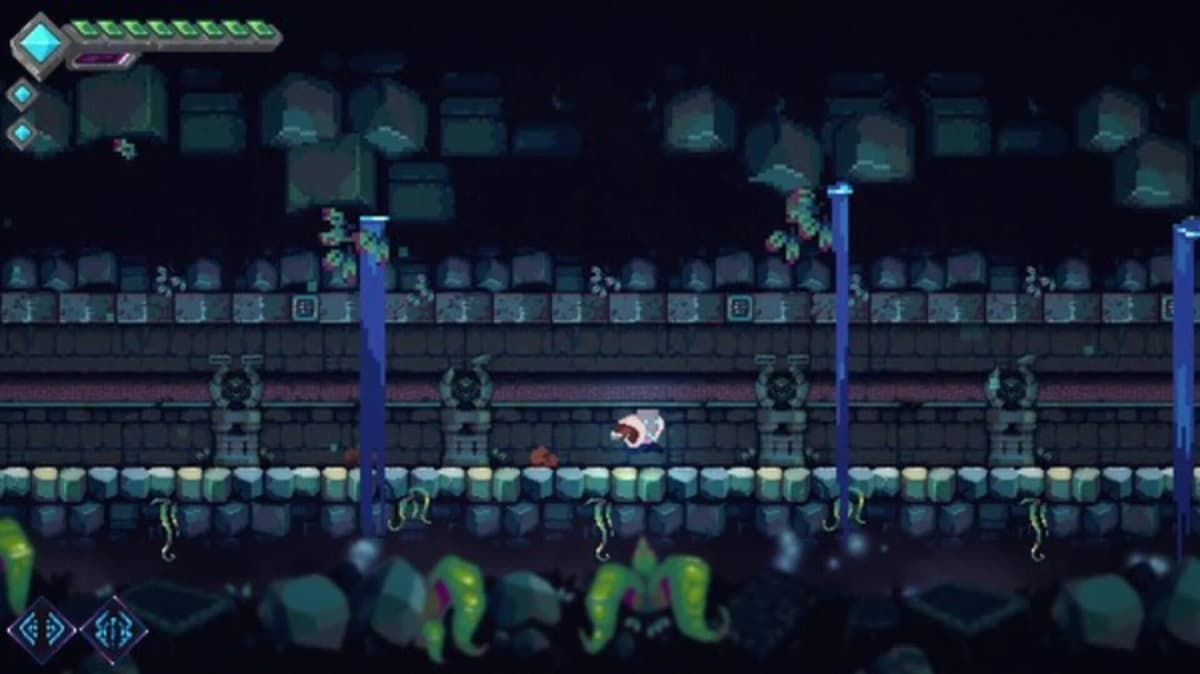
Apogee Entertainment just dropped a fresh look at LUCID, a 2D action-platformer RPG from solo developer Eric Manahan (The Matte Black Studio), and it’s exactly the kind of trailer that pings my speedrunner brain. Snappy jumps, crisp hit-stop on strikes, and boss arenas that scream “learn the pattern, earn the win.” The pitch claims “tight controls” built for both speedrunners and casual players-a bold balance to strike. The important part: LUCID is currently slated for Windows PC via Steam in 2026, with consoles to follow. If you saw older listings floating around promising a 2025 date or every platform under the sun, consider those outdated or speculative.
Key Takeaways
- Real date: 2026 on PC via Steam; console versions are planned but not dated or specified yet.
- Precision-first design could land for fans of Celeste, Ori, and classic Mega Man-if the input feel matches the trailer.
- “For speedrunners and casuals” is a tough promise; checkpointing, accessibility options, and progression pacing will make or break it.
- Watch the movement kit depth (dash, climb, cancels) and boss readability more than the flashy pixel art.
Breaking Down the Announcement
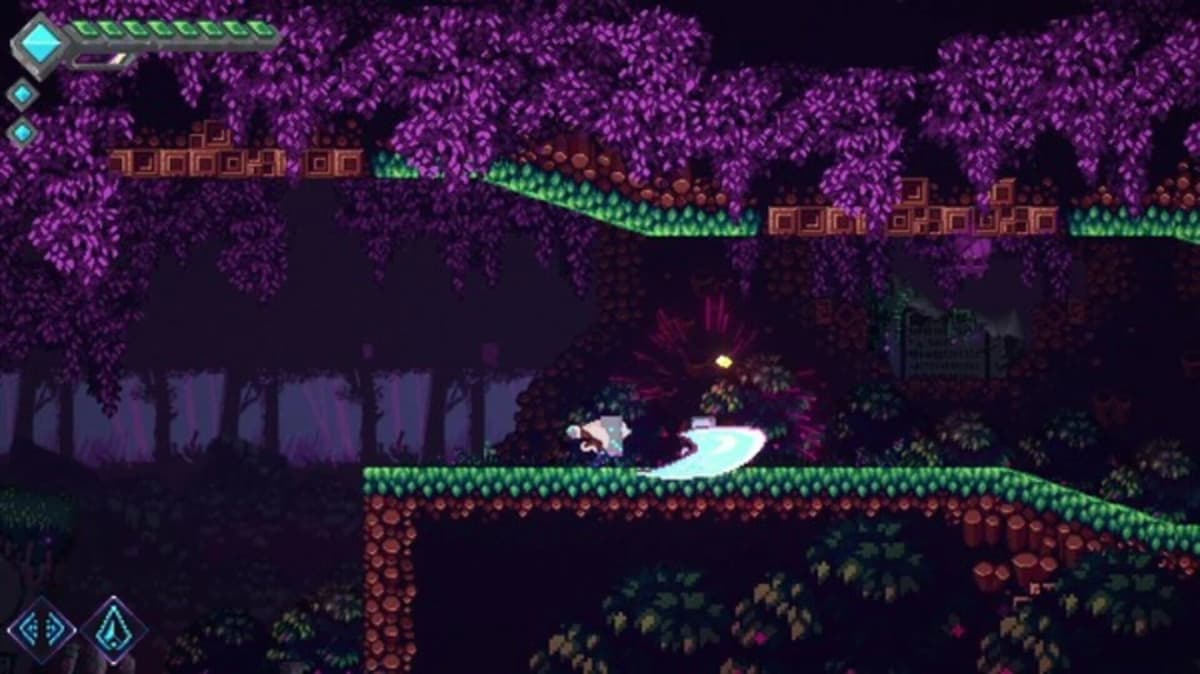
You play as Oenn, a young Sentinel trekking through a crystalline world dotted with chunky boss fights and ability upgrades. The trailer pushes a clean combat rhythm—short recoveries, readable wind-ups, and that satisfying pause on hit that makes pixel action sing. It looks built for route optimization, with chained movement that invites mastery rather than button-mash clears. That’s the right language for speedrunners, but also the right foundation for anyone who just wants reliably responsive controls.
The upgrade angle matters. “Action-platformer RPG” usually means your power curve can outpace your skill if the designer isn’t careful. If upgrades are gated by exploration and boss drops, great—that pushes players to engage with the world. If it’s a bloated currency sink, that’s friction for the sake of hours-played. LUCID’s vibe leans toward skill-forward progression, but we need to see how ability upgrades intersect with movement tech. If a late-game traversal tool trivializes early challenges, that can kneecap the speedrun scene and casual pacing alike.
Industry Context: Precision Platformers Are Unforgiving—In a Good Way
Games like Celeste and Ori earned their staying power because the inputs feel exact at 60fps+, deaths reset instantly, and the moveset is deep but legible. Hollow Knight added combat density without breaking that clarity, thanks to telegraphed enemy patterns and consistent i-frames. LUCID appears to chase that lineage: readable animations, generous invuln windows on key moves, and arenas built for learning loops instead of cheap traps. If Manahan sticks the landing on frame data, hitboxes, and cancel windows, the community will do the rest—routing, challenge runs, and speed tech tutorials will follow.
Apogee backing this is interesting. The modern Apogee label has pushed retro-leaning action (Turbo Overkill, Ion Fury), so a precision 2D platformer isn’t a wild pivot, but it is a different muscle. Their audience expects responsiveness and old-school challenge, not live-service drip feeds. That’s a positive signal for LUCID staying focused on single-player craft over monetization fluff.
What Gamers Need to Know (and Ask) Right Now
- Input feel > features list: Lock in at least 60fps, low input latency, and consistent physics. If there’s a performance mode on consoles later, choose that over fidelity.
- Speedrunner support: Instant retries, in-level timing, seed consistency, and replay ghosts are table stakes if they’re serious about that audience.
- Casual-friendly, not watered-down: Generous checkpoints, clear telegraphs, and accessibility options (damage modifiers, assist toggles) can welcome newcomers without nerfing the core.
- Progression design: Do upgrades unlock expression (new routes, tech) or just inflate numbers? The former keeps both exploration and speedplay interesting.
- Boss design: Multi-phase fights are great if transitions are signposted and punishments feel fair. Knockback rules and i-frame timing should be documented or consistent enough to learn.
Also, don’t overlook controller feel. If dash and attack live on neighboring inputs with tight buffers, accidental overlaps can ruin runs. Smart remapping and deadzone tuning will matter just as much as any flashy parry mechanic.
Consoles “To Follow” Means: Be Patient
The current, on-the-record plan is 2026 for PC via Steam, with consoles after. No specific platforms or dates were confirmed in this trailer drop. Ignore old storefront placeholders that still say 2025 or list every platform imaginable—that stuff changes constantly during indie dev. If you’re a console-first player, expect a gap of months (or more) while the team optimizes for different CPUs, storage speeds, and input quirks. For a precision platformer, that optimization period is worth the wait.
The Gamer’s Perspective
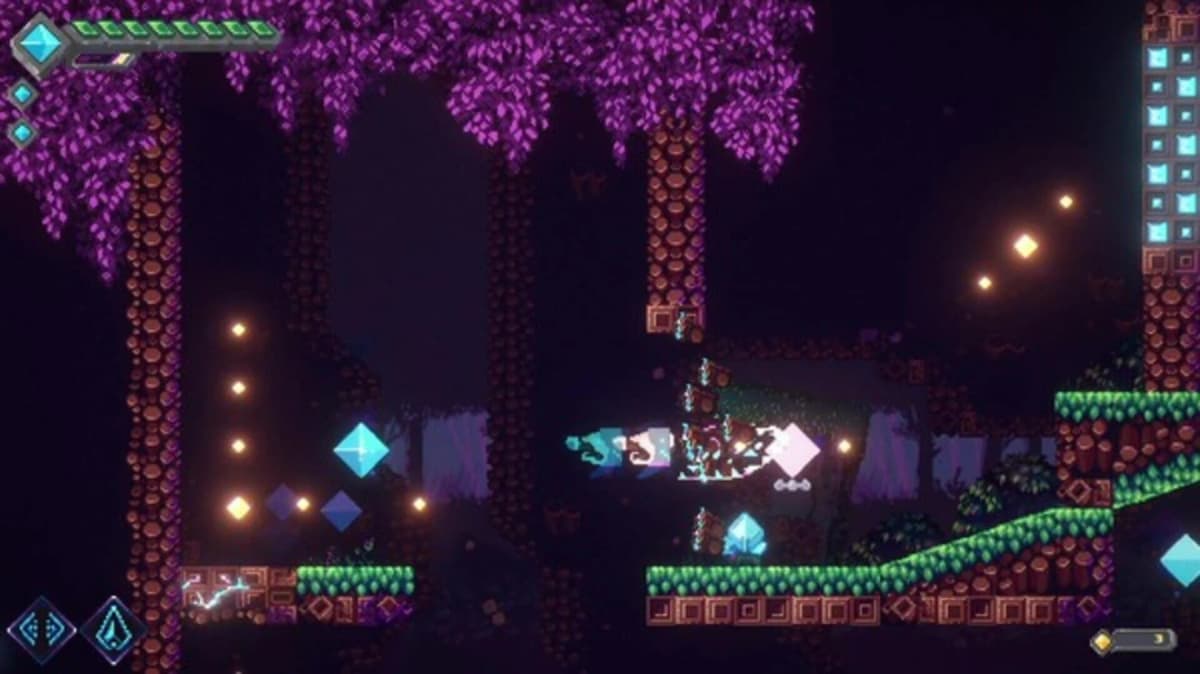
This caught my attention because the trailer shows a developer who understands the “feel first” rule. If LUCID ships with the same snappiness we’re seeing—and nails the little things like restart speed, readable telegraphs, and meaningful upgrades—it could sit comfortably alongside the modern greats. If it leans on grindy RPG padding or muddled difficulty tuning to widen the audience, expect the buzz to fade fast. The promise is there; now it’s about execution and time. Solo-developed games often slip, and that’s fine if the result is sharp.
TL;DR
LUCID looks like a precision 2D action-platformer with real potential, targeting both speedrunners and newcomers—a hard balance but a worthy aim. It’s PC-first on Steam in 2026, with consoles later, so temper your expectations and watch for concrete details on performance, progression, and accessibility. If the input feel matches the trailer, this one’s worth the wait.