
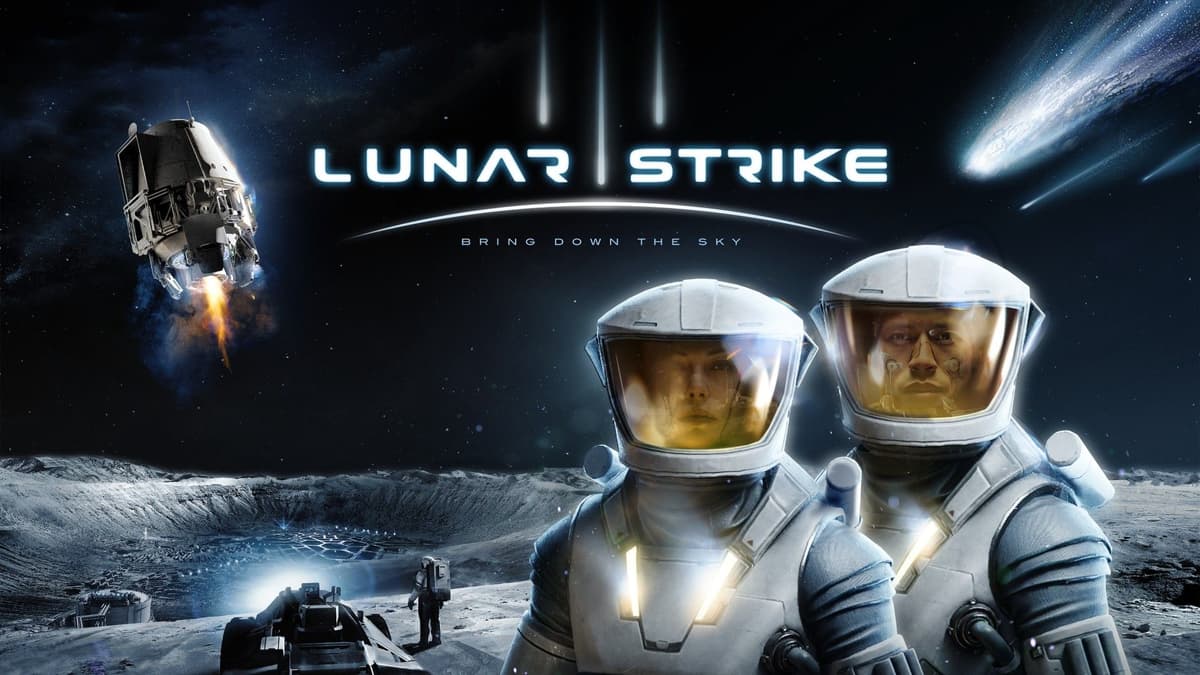
Lunar Strike trades power fantasy for hard-science moon survival — here’s the real pitch
Game intel
Lunar Strike
Lunar Strike blends speculative fiction with a game world grounded in hard science. The game focuses on compelling survival and character-driven storytelling o…
Why Lunar Strike Caught My Eye
Lunar Strike grabbed my attention because it isn’t promising another galaxy-spanning power fantasy. It’s pitching something rarer: grounded survival on the Moon where your job isn’t to save the colony, but to document its final days. If you’ve played Deliver Us The Moon or The Invincible and wished they leaned harder into real-world space hazards and tough, human decisions, this angle hits different. “Hard sci-fi” gets tossed around a lot, but when a game talks about realistic survival and decision-making in a setting modeled on actual lunar research, I start asking the right questions. Can it deliver tension without cheap jump-scares? Can it make checklists, EVA prep, and triage feel thrilling? That’s the bar.
Key Takeaways
- Premise focuses on documenting a dying lunar colony-less heroics, more hard choices under pressure.
- Emphasis on realism suggests oxygen, power, thermal and low-g movement will matter.
- Story-first survival: decisions about what to preserve could shape the ending and tone.
- There’s a Steam page, but no launch date yet-platforms and pricing are still unconfirmed.
Breaking Down the Announcement
The pitch is tight: near-future Moon, a colony in decline, and you as a kind of space archivist racing to capture the evidence before it’s swallowed by failure. That shift-from “fix everything” to “preserve what matters”—is genuinely fresh for survival games, which usually revolve around crafting, combat and power curves. The team says environments are based on real lunar research, which I’m reading as plausible base layouts, south-pole lighting conditions, and movement tuned to one-sixth gravity. The Steam page is up, but there’s no date or specs yet—no news on console versions, performance targets, or how systemic the survival model is. That’s fine this early; I’d rather see clear systems than a premature release window.
Why “Hard Sci‑Fi” Matters (and Where It Can Go Wrong)
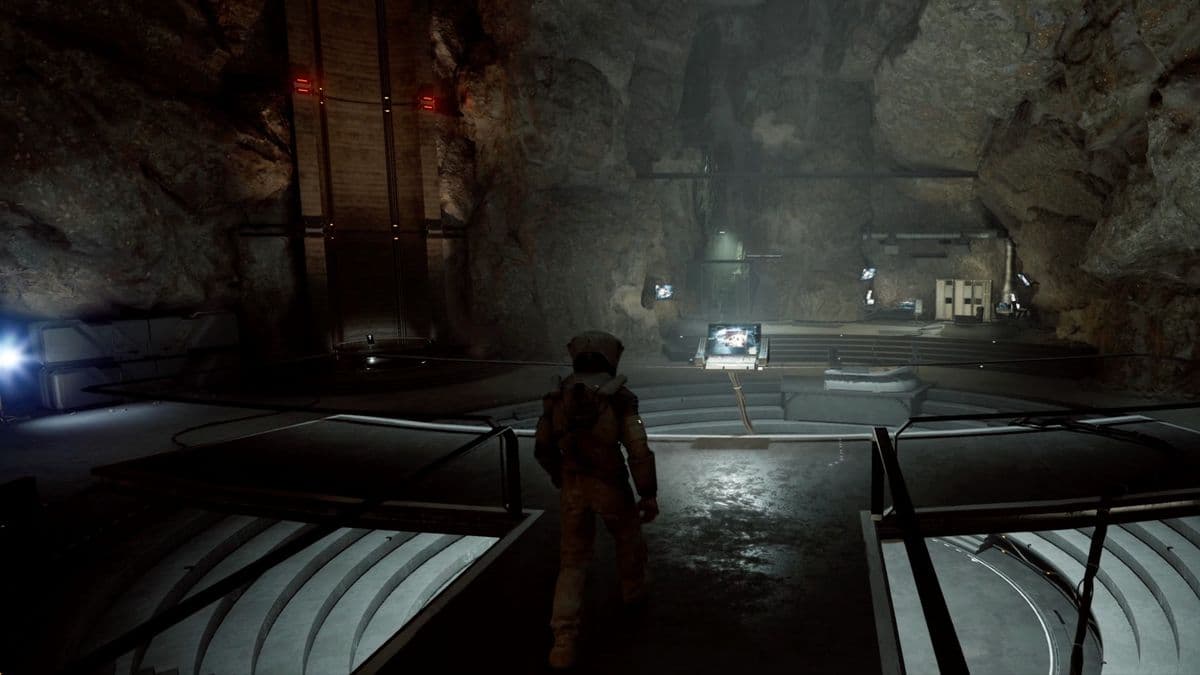
Hard sci-fi works when the constraints are the point. In games like Observation or Deliver Us The Moon, the best moments come from wrestling with realistic procedures—power routing, airlocks, comms blackouts—rather than blasting aliens. If Lunar Strike is serious, I want to feel lunar dust chewing up seals, the panic of watching my suit’s sublimator struggle during a long EVA, and the inertia of low-g movement that punishes sloppy momentum. Give me horizon-limited radio, tight oxygen budgets, deliberate tool use, and checklists that aren’t busywork but a source of dramatic tension. The danger is “hard sci-fi” as a skin: low gravity jumps that feel floaty but arcade-fast, magic flashlights that ignore power draw, and a timer slapped on for “urgency.” If realism is the sell, the systems need teeth.
Survival as Documentation, Not Domination
The archival premise is the most interesting part. Games rarely ask you to choose which pieces of humanity survive. Done right, this becomes less about loot and more about legacy: a broken rover log that explains an engineering breakthrough, a family recording that rehumanizes a nameless crew member, or a scientific dataset that could outlive you back on Earth. Think Tacoma’s human storytelling meets The Invincible’s tactile tech, with the triage pressure of This War of Mine. The key is making those choices hurt. If I can preserve everything by grinding side rooms, the point’s lost. Force tradeoffs: weight, time, power draw, and the physical risk of stepping into shadowed regolith to reach a doomed lab for one last sample.
Open Questions Before We Get Hyped
- Systems depth: Are oxygen, heat, and power simulated in a way that meaningfully interact, or are they isolated bars?
- Movement model: Does low gravity affect inertia, footing, and fatigue, or is it just higher jumps?
- Structure: Hand-authored hub with branching missions, or semi-open base with emergent failures?
- Failure states: Is there ironman tension or generous saves? Time pressure can be exciting—or exhausting.
- Interface: Do tools and checklists feel tactile (panel layouts, glove clumsiness), or menu-only abstractions?
- Accessibility: Subtitles, colorblind options, input remapping, and aids for motion sensitivity in low-g scenes matter.
- Scope and length: Is this a focused 8-12 hour story with multiple endings, or a replayable survival sim?
The Gamer’s Perspective
I’m cautiously excited. The genre’s crowded with space games that promise the cosmos and deliver checklists without meaning. Lunar Strike flips the script by making the checklist the meaning—preserve what you can, for as long as you can, in a place that doesn’t care if you exist. If it nails the tactile stress of lunar operations and makes the act of choosing what survives emotionally heavy, it could land alongside the better “grounded” sci-fi games of the last few years. If not, it risks becoming a walking sim with a countdown. With no date yet and details still light, I’m rooting for the former—and waiting to see those systems in motion.
TL;DR
Lunar Strike aims for hard-science survival on the Moon with a rare focus on documenting a dying colony instead of saving it. The concept slaps, but the execution will come down to how deep its survival systems run and whether its preservation choices carry real weight. No release date yet—put it on your radar and keep the expectations measured.