
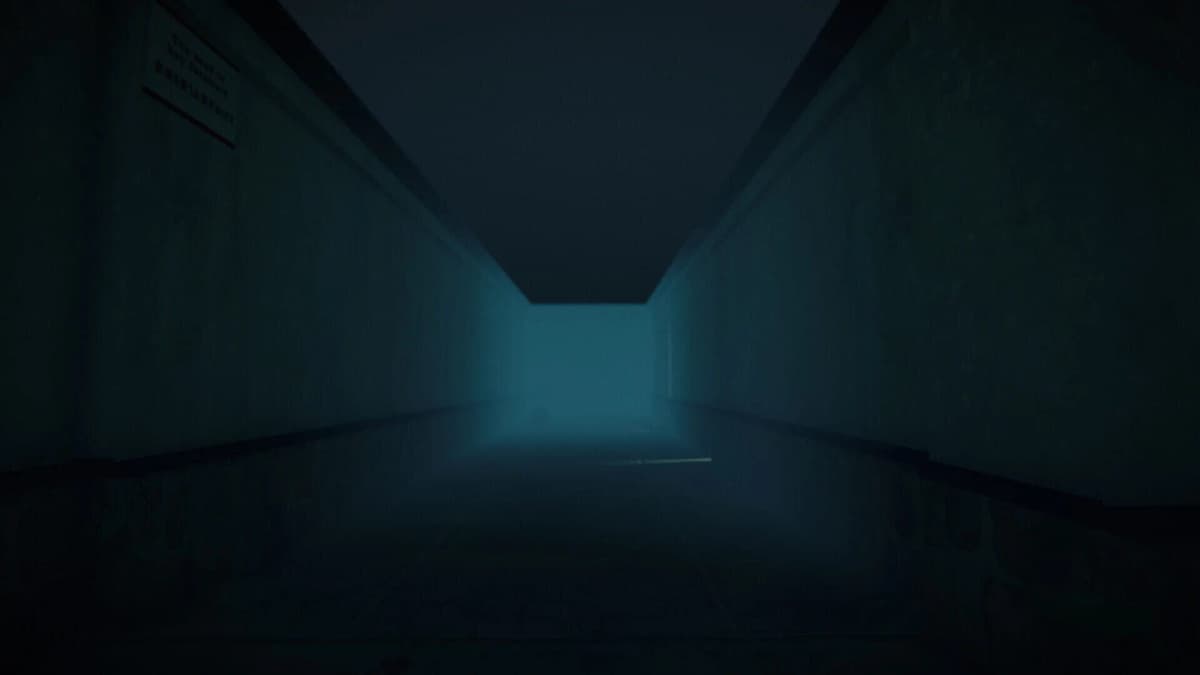
Macabre Early Access: Stealth-Extraction Horror With an Adaptive Stalker Worth Watching
Game intel
Macabre
Navigate 1980s Japan as a schoolgirl in this Junji Ito-inspired horror game. Each choice shapes your fate, leading to safety or deeper into the macabre. Uncove…
Why This Launch Caught My Eye
Macabre just crept onto Steam in Early Access, and it immediately pinged my radar for one reason: it’s pushing the “extraction” loop into stealth-horror territory instead of another scream-and-sprint party game. As someone who sank way too many hours into Lethal Company’s procedural chaos and still swears by Alien: Isolation’s relentless AI, the idea of sneaking through collapsing time Rifts while an adaptive predator-aptly nicknamed the Crawler-studies you is exactly the kind of tension I want in co-op nights. This isn’t about bonking the monster; it’s about not being seen at all.
Key Takeaways
- Stealth-first extraction: scavenge, sneak, and extract before the Rift collapses.
- Adaptive stalker: the Crawler reportedly learns tactics, which could make runs genuinely dynamic-or just punishing if not tuned right.
- Procedural SubRifts: variable layouts and objectives aim to keep nightly runs fresh.
- 1-4 players or solo: viable solo play would be a big deal if the systems truly support it.
- Early Access roadmap: more locations, monsters, objectives, and gear will live or die by update cadence and community feedback.
Breaking Down the Announcement
Macabre is a co-op stealth-extraction horror game from Australian indie Weforge Studio. The pitch is straightforward but promising: you and up to three friends drop into a volatile time Rift, push into procedural SubRifts to scavenge, and then get out before the place collapses with you inside. The hook is the Crawler—an adaptive predator that reacts to how your team behaves. Create noise patterns, rely on the same distractions, or turtle in familiar corners, and it’s meant to counter that habit the next time. On paper, that’s the leap that could separate Macabre from the growing pile of co-op spookathons.
What sets it apart for me is the emphasis on stealth over slapstick. Plenty of multiplayer horror leans into chaos and jump scares as content. Macabre wants tension to be the mechanic. Think sightlines, sound discipline, and route planning. The collapsing Rift timer adds pressure without turning every run into a headless chicken race, and procedural SubRifts suggest each incursion might have a different rhythm: a tighter layout one night, a wide outdoor stretch the next, shifting both your tools and tactics.
Crucially, the game supports one to four players, and Weforge is saying solo is a legit option. If that’s true and fun, it helps Macabre stand out. Solo-able extraction is rarer than you’d think; too many games feel tuned for four and miserable for one. If the Crawler scales its awareness and aggression smartly, Macabre could double as a tense single-player experience between squad sessions.
Industry Context: Where It Fits
We’re in a boom for session-based horror. Lethal Company dominated with procedural moons and slapstick teamwork disasters. Phasmophobia popularized evidence-focused co-op tension. On the extraction side, Dark and Darker made risk-reward runs mainstream. Macabre plants a flag in the middle: extraction stakes, horror atmosphere, and a stalker that supposedly evolves. If the Crawler delivers anything close to Alien: Isolation’s “it knows” vibe—without devolving into psychic wallhacks—it’ll earn its spot. If it just rotates behavior presets in response to triggers, players will figure out the flowchart in a weekend and the fear will fade.
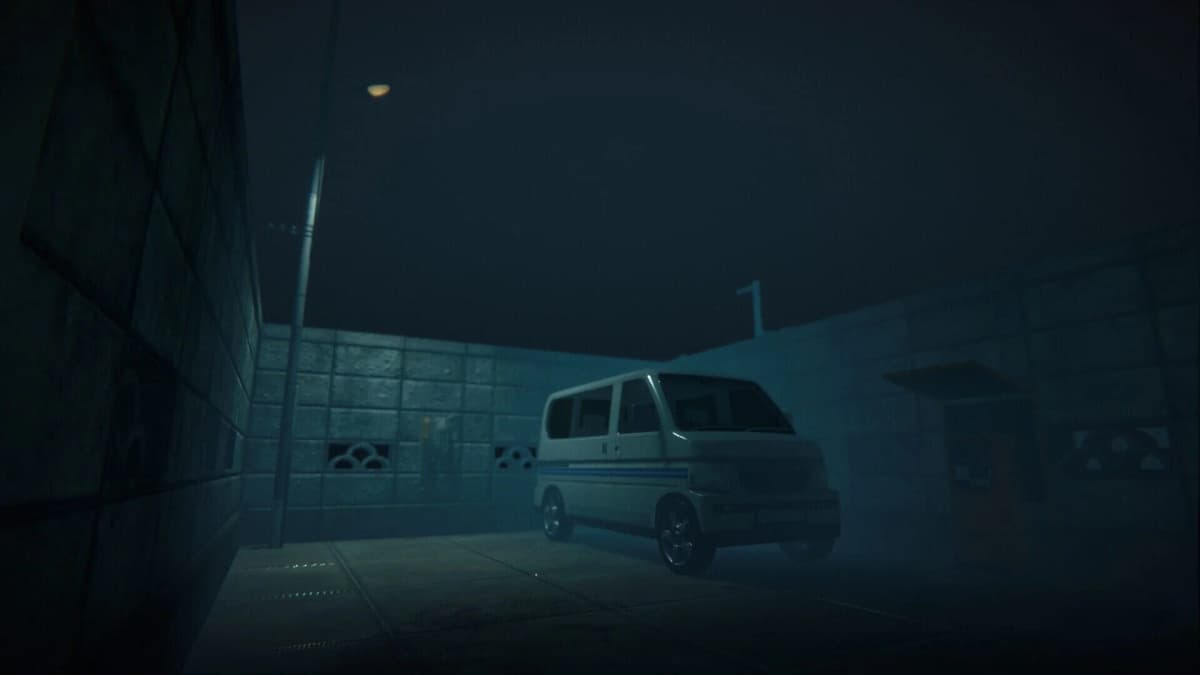
That’s why Early Access here actually makes sense. Weforge says it will expand locations, monsters, objectives, and equipment based on player feedback. This genre thrives on iteration—new enemy behaviors that counter dominant strategies, fresh objectives that force risk, and gear that opens non-lethal playstyles. The trap is obvious too: thin updates, a predictable meta, and content that pads length without adding possibilities. We’ve seen both outcomes in Early Access; cadence and honesty win communities, not roadmaps alone.
Want to Level Up Your Gaming?
Get access to exclusive strategies, hidden tips, and pro-level insights that we don't share publicly.
Ultimate Gaming Strategy Guide + Weekly Pro Tips
Promises vs. Proof
“Adaptive AI” is classic marketing kryptonite. It can mean anything from machine-learning myths to “it gets faster when you run.” Here’s what will actually matter for Macabre: does the Crawler meaningfully respond to repeated tactics within a session and across sessions, and does that response create interesting counterplay rather than cheap hits? If spamming noisemakers stops working, do we get tools that re-open stealth—decoys, misdirection gadgets, temporary safe zones—or is the answer always “run and pray”?
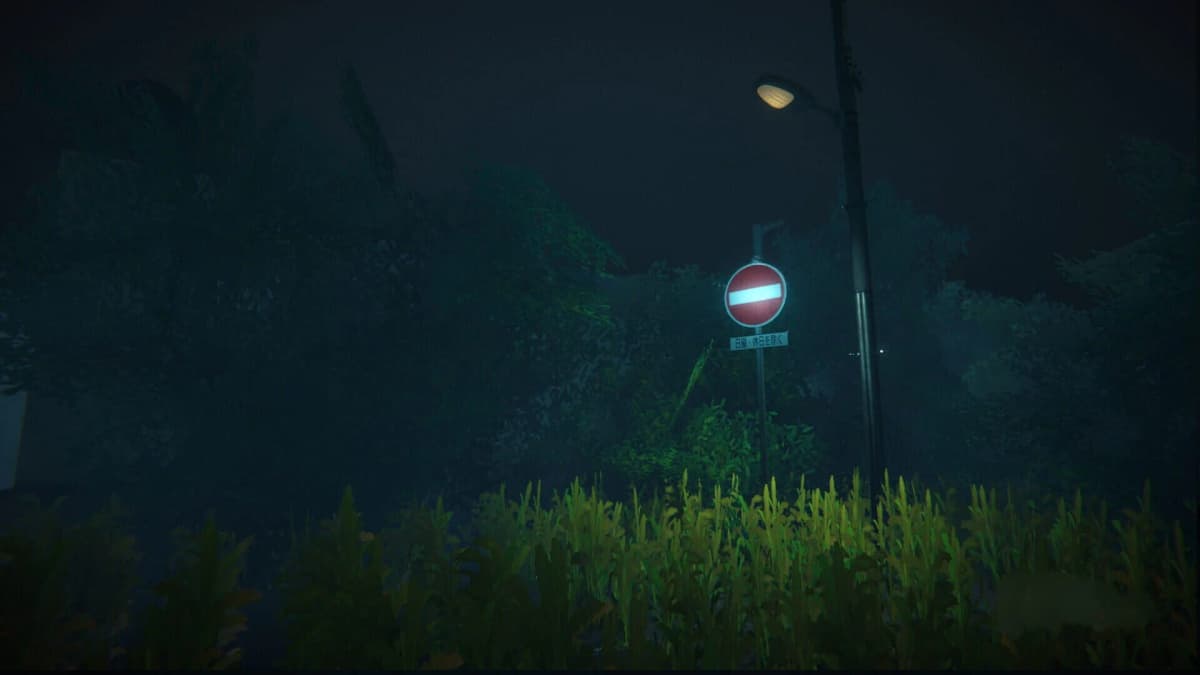
Solo balance is another big question. If the Crawler’s detection windows, patrol logic, and objective timers don’t flex for one player, solo will feel like punishment. And for squads, netcode and voice comms are king; proximity audio and clear cues are the difference between “cinematic terror” and “who closed the door again?” Finally, procedural design needs more than shuffled rooms—objective variety, enemy modifiers, and environmental hazards should remix runs in ways that nudge new behaviors, not just new routes.
What I’ll Watch During Early Access
- Update pace: are new SubRifts, enemy types, and gadgets arriving monthly, and do they change how we play?
- AI depth: does the Crawler genuinely adapt, and can players read and outplay those adaptations?
- Solo viability: are objective timings, loot density, and detection fairness tuned for one without becoming trivial for four?
- Run variety: beyond layouts, do new objectives and modifiers push different stealth approaches?
- Onboarding: are there quick, readable systems that let new players contribute without turning every run into noise spam?
TL;DR
Macabre’s pitch is strong: a stealth-first extraction horror where an adaptive stalker raises the pressure every time you settle into a comfort tactic. If Weforge nails AI nuance, solo balance, and a steady content cadence, this could become a staple of late-night co-op. If not, it’ll be another spooky weekend fling. Right now, it’s absolutely worth a look—especially if you prefer your scares quiet and your wins earned by patience, not panic.