

Mad Skills BMX 2 Hits Switch: Physics, Boss Races, and Couch Duels—Here’s the Real Deal
Game intel
Mad Skills BMX 2
Fast BMX racing, cool stunts, and fun with friends!
Why This Caught My Eye
Mad Skills BMX 2 landing on Nintendo Switch on August 15 is the kind of mobile-to-console pivot that either shines with tighter controls and couch rivalry-or exposes shallow, event-driven design outside its original ecosystem. Turborilla’s been honing 2D physics racing since the Mad Skills Motocross days, so the promise of “arcade-style fun with realistic physics” isn’t marketing fluff; it’s their whole identity. The question is whether those razor-thin margins-scrubbing a jump, timing a pump, milking momentum-translate cleanly to Joy-Con and a TV without the F2P baggage.
Key Takeaways
- Switch version focuses on local head-to-head; don’t expect the mobile game’s full online event ecosystem at launch.
- Physics-first gameplay should benefit from physical buttons—if performance hits a steady framerate.
- Boss battles and career progression add structure, but long-term legs depend on track cadence.
- Big unknown: how the mobile monetization model translates to Switch.
Breaking Down the Announcement
Here’s the pitch: a fast, side-scrolling BMX racer where you nail jumps, throw stylish flips, and fight gravity while sprinting through handcrafted tracks. The Switch release brings local multiplayer for true couch duels, plus career “boss” races that gate progress with skill checks. If you’ve played the mobile version (it’s been around since 2018), you know the loop—learn a track’s rhythm, shave milliseconds with better lines, and ride that addictive flow state until your thumbs cramp.
On Switch, the draw is obvious: physical inputs and a bigger screen for a game where micro-adjustments matter. Turborilla’s physics model has always rewarded finesse over chaos—more Trials Rising than Descenders, even if BMX instead of motorbikes. The line between speed and faceplant is thin, and that’s the fun.
Do The Physics Hold Up on a Controller?
This series lives or dies by how good it feels to pump into a landing, compress a suspension arc, and convert airtime into speed. On touchscreens, that meant precise taps and tilts. On Switch, you’ll likely lean and time compressions with buttons and sticks, which could actually improve consistency for high-skill play. What I’ll be watching for on day one: stable framerate during two-player races, input latency (especially docked), and whether trick inputs (backflips, whips) interfere with optimal racing lines. The best runs in Mad Skills are usually about going fast, not showboating; the trick system should enhance, not punish, speed.
Content, Progression, and Those Boss Battles
Career mode strings tracks together with escalating challenges and boss races—think “beat this AI ghost or you’re not moving on.” It’s a simple setup that works when the track design is sharp. Expect multiple bikes to unlock and upgrade, plus rider customization that lets you kit out your racer without changing the physics foundation. The real hook remains track mastery: learning when to lift, when to dive, and when to commit to a flip for speed (not just style).
The mobile version thrives on a drip-feed of fresh tracks and weekly events. That cadence is a big part of why players stick. The announcement for Switch leans on handcrafted tracks and local play, but it doesn’t promise the same ongoing event calendar. If the console edition ships as a strong “greatest hits” package plus bosses, that’s fine; just set expectations for longevity accordingly.
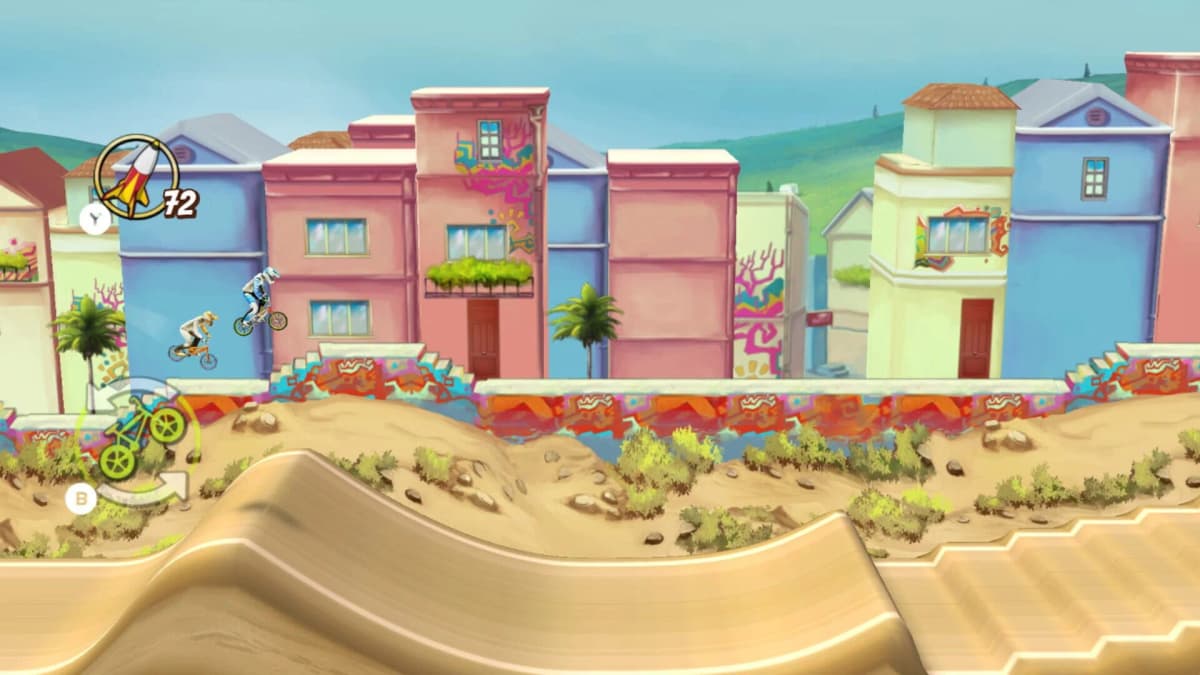
Couch Duels vs. Online: Know What You’re Getting
Local multiplayer is the Switch headline, and honestly, that’s a good fit. Physics racers are perfect for “pass the pad” bragging rights and instant rematches. But note what’s not being trumpeted: online multiplayer on Switch. On mobile, global leaderboards and weekly events create a perpetual metagame. On Switch, it sounds like the competitive focus is your living room. That’s not a deal-breaker—Trials was at its best as a personal time-attack obsession—but it changes the vibe and long-term engagement.
Want to Level Up Your Gaming?
Get access to exclusive strategies, hidden tips, and pro-level insights that we don't share publicly.
Ultimate Gaming Strategy Guide + Weekly Pro Tips
The Monetization Question
On phones, Mad Skills BMX 2 has been a free-to-play game with in-app purchases. When these games move to Switch, we usually see one of two outcomes: a clean premium package with progression tuned for a single purchase, or a clunky port where vestigial timers and currencies linger without the live-service scaffolding to justify them. The publisher here is positioning this as a console product with customization and progression baked in; what we need to see is whether everything is earnable at a fair pace and whether any microtransactions remain. If Turborilla trimmed the fat and balanced upgrades for a premium audience, great. If not, expect pushback.
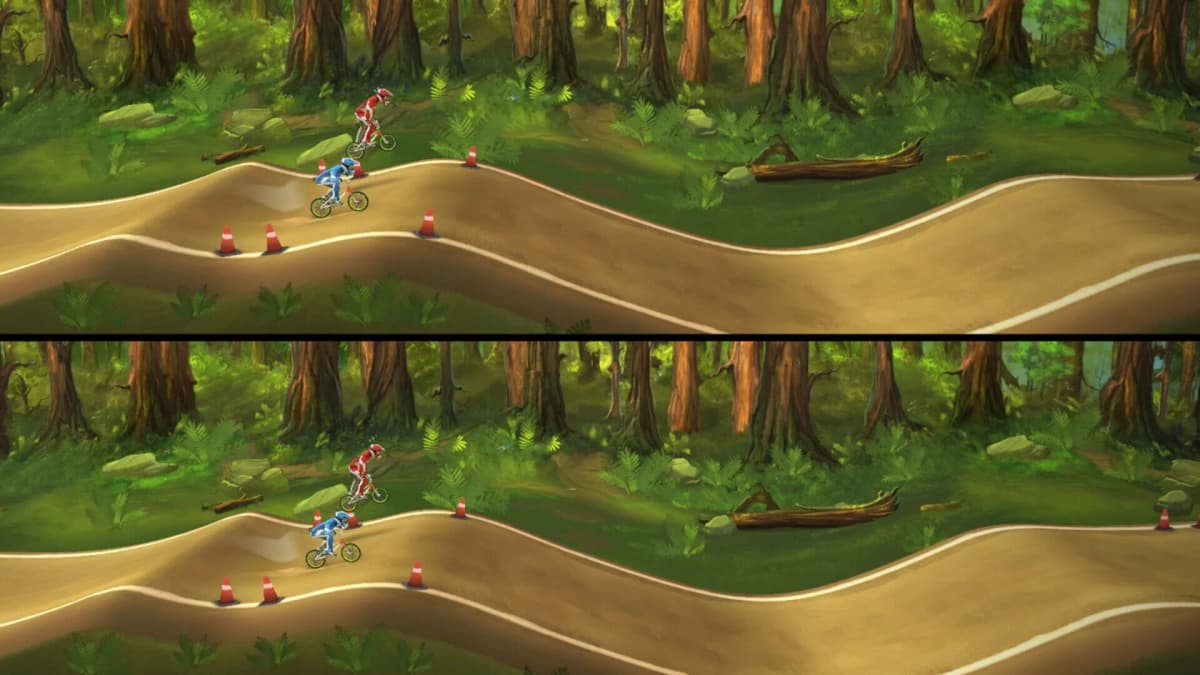
How It Stacks Up on Switch
Compared to Trials Rising, this is simpler in presentation but similarly unforgiving in execution. Versus Lonely Mountains: Downhill or Descenders, it’s less about open lines and more about precision rhythm. That niche can thrive on Switch—short sessions, repeatable runs, endless “one more try.” The local two-player option gives it a party-friendly edge those other games don’t always nail, provided performance holds and restarts are quick.
What Gamers Should Watch For
- Performance: Is it a steady framerate in handheld and docked, especially in two-player?
- Controls: Sensible mapping for pump/lean/flip without finger gymnastics.
- Content cadence: Are there new tracks or seasonal drops, or is this a fixed package?
- Progression balance: Upgrades should feel earned, not gated by grindy currency loops.
- Party viability: Fast restarts and short load times make or break couch competition.
TL;DR
Mad Skills BMX 2 on Switch has the right DNA: tight physics, track mastery, and couch duels that could become dangerously addictive. The fun will be real if performance is solid and the port ditches mobile-era monetization traps. If you love Trials-style precision and have a friend to race, keep August 15 circled—just calibrate expectations for local play over live-service spectacle.