
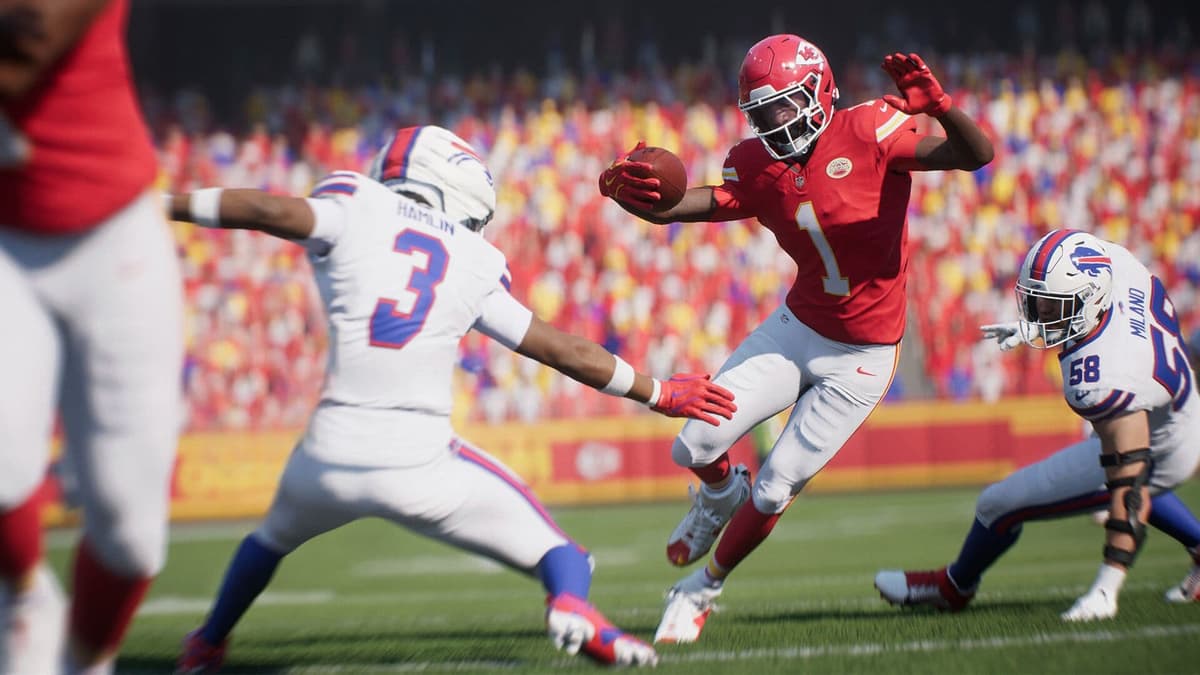
Madden 26 PC System Requirements: The Real Deal for 1080p, 1440p, and 4K
Game intel
Madden 26
Dominate the league in EA SPORTS Madden NFL 26.
Why These Requirements Caught My Eye
EA’s annual sports games don’t usually rock the PC hardware boat, and Madden 26 is firmly in that lane. The specs are essentially a rerun of Madden 25, which is both good and predictable: accessible for most modern rigs, but not pushing anything new. As someone who plays a lot of sports titles on PC, that’s not a complaint. It means most players can hit a steady 60fps at high settings without a wallet-melting upgrade, and this year’s improved cross-play makes PC a more legit place to play than it used to be.
Key Takeaways
- Specs mirror Madden 25: easy to run on mid-range builds from the last few years.
- Recommended tier (RTX 3060/RX 6600 XT + i7-8700K/Ryzen 7 2700X) targets smooth 1080p-1440p at high settings.
- 65GB storage footprint, DirectX 12, and no SSD requirement (though you absolutely should use one).
- Cross-play continues to level the playing field for PC players, narrowing that long-standing console/PC divide.
Breaking Down the Madden 26 PC Specs
Minimum
- OS: Windows 10 or later
- CPU: Intel Core i7-6700K or AMD Ryzen 5 1600
- GPU: Nvidia GeForce GTX 1050 Ti or AMD Radeon RX 570
- RAM: 10GB
- Storage: 65GB
- Notes: DirectX 12; broadband internet required for certain modes
Recommended
- OS: Windows 10 or later
- CPU: Intel Core i7-8700K or AMD Ryzen 7 2700X
- GPU: Nvidia GeForce RTX 3060 or AMD Radeon RX 6600 XT
- RAM: 12GB
- Storage: 65GB
- Notes: DirectX 12; broadband internet required for certain modes
The odd 10GB/12GB RAM targets stand out-most modern 3D games ask for 16GB. In practice, you’ll be happier with 16GB if you run Discord, a browser, and recording software alongside the game, but the headline is clear: Madden 26 won’t choke mid-range PCs. The recommended GPUs are mid-tier by today’s standards; the RTX 3060’s 12GB VRAM gives it extra headroom for higher textures, while the RX 6600 XT brings solid 1080p and respectable 1440p performance.
Real-World Performance: 1080p, 1440p, and 4K
If you match the recommended spec, history with the series suggests you’re in the pocket for 60fps at high settings at 1080p, and likely 60fps at 1440p with a couple of dials nudged down. Sports games aren’t just about eye candy-input response matters-so chasing higher frame rates can be worth it. Expect 100-144fps at 1080p on stronger GPUs (think RTX 3070/4070 or RX 7700 XT) paired with a solid CPU.
4K is the one place these unchanged requirements won’t carry you to victory. You’ll want something in the RTX 4070/7900 XT ballpark for native 4K at high settings with stable frames. If you’re set on UHD but your GPU is closer to the mid-range, lean on resolution scaling features if available, and prioritize the settings that move the needle: shadows, crowd detail, and screen-space effects typically hit performance hardest in stadium scenes.
Also worth noting: while the game doesn’t require an SSD, running on a SATA or NVMe SSD meaningfully improves loading, scene transitions, and menu snappiness. It’s a cheap, tangible upgrade that makes even annualized sports titles feel better to use day-to-day.
Want to Level Up Your Gaming?
Get access to exclusive strategies, hidden tips, and pro-level insights that we don't share publicly.
Ultimate Gaming Strategy Guide + Weekly Pro Tips
PC Parity and Cross-Play: Finally Feeling Like First-Class
For years, PC Madden lagged behind consoles in both features and social reach. That gap has narrowed recently, and Madden 26 keeps that trajectory. Cross-play is the big difference-maker: it expands the player pool, shortens matchmaking, and gives PC players actual competition variety instead of the same few matchups on repeat. It also means your hardware investment pays off—you can enjoy higher frame rates and sharper visuals without playing in a multiplayer ghost town.
Specs sticking to last year’s template tells a bigger story: EA’s not rolling a drastically new engine year-over-year, which is typical for the genre. The upside is stability and wide compatibility; the downside is you shouldn’t expect a visual revolution. If you skipped upgrades for Madden 25, nothing in Madden 26’s requirements forces your hand now.
Practical Tuning Tips
Want the smoothest experience? Pair the recommended CPU/GPU with 16GB of RAM and an SSD. Start with the high preset at 1080p or 1440p, cap at your monitor’s refresh rate or a consistent 60/120fps, and trim heavy hitters if needed: shadows from ultra to high, crowd detail one notch down, and reduce screen-space reflections. If your GPU has ample VRAM (like the 12GB RTX 3060), keep textures high and cut back elsewhere for a sharper look with minimal performance loss.
TL;DR
Madden 26 keeps Madden 25-level PC specs, which is great news for anyone on a mid-range build. Expect smooth 1080p and solid 1440p at high settings on the recommended hardware, but you’ll need a beefier GPU for 4K. Cross-play continues to make PC a legit home for Madden, and an SSD plus 16GB RAM will round out a hassle-free experience.