
Magicraft x Dave the Diver Drops Free DLC — And a Serious Tech Rebuild Under the Waves
Game intel
Magicraft
"Magicraft" is a Roguelike game that uses a variety of spells to match unimaginable spell effects, and the construction of ultra-high degrees of freedom cannot…
Dave the Diver swims into Magicraft – and brings a performance buff with him
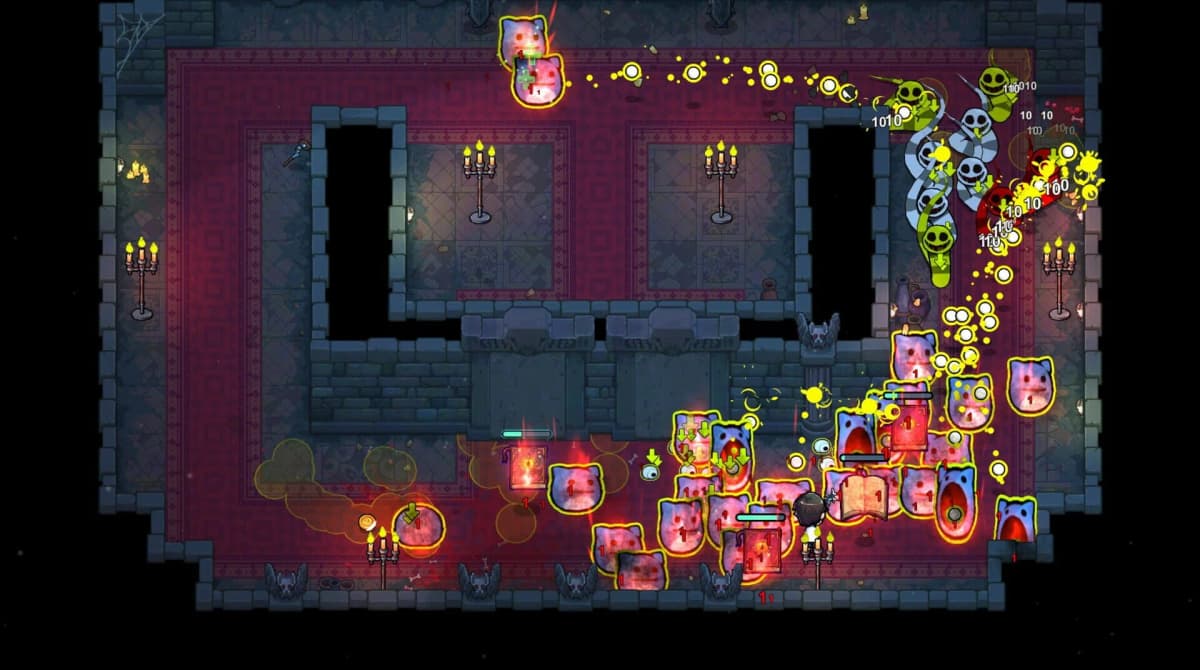
This crossover caught my attention for two reasons: it’s free, and it’s not just a slap-on skin pack. Magicraft’s new Dave the Diver update adds handcrafted maps, new bosses, and, crucially, a full-on performance rebuild using Unity’s DOTS tech. For a spell-slinging roguelike where the screen is usually a confetti cannon of VFX and summons, that last part matters as much as the fanservice.
- Free crossover DLC on Steam adds new bosses: Giant Squid, Truck Hermit Crab Truck, and John Watson.
- Dave’s harpoon gets rune-enhanced abilities like Triple Axel and Harpoon Tip for buildcraft shenanigans.
- Under-the-hood DOTS rewrite promises smoother spellcasting, better collision, and clearer VFX in big fights.
- Mobile version targeted by end of 2025 with touch-first controls, but big questions remain about fidelity and input.
Breaking down the crossover: more than a cosmetic cameo
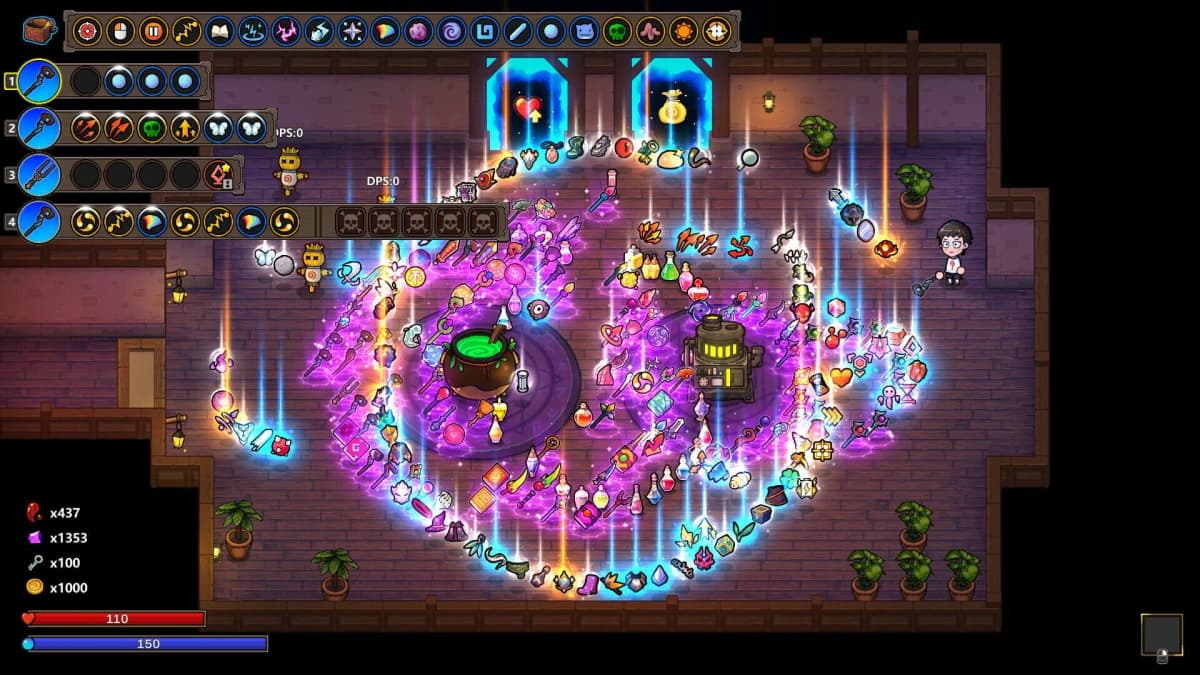
Magicraft has quietly built a strong rep since its 2024 launch – 700k copies sold and a 90% “Very Positive” rating is no accident. Its hook is modular spellcraft: you stitch together runes and effects to turn encounters into a sandbox of arcane nonsense. Dropping Dave into that chaos is a smart move. He’s not just posing for screenshots; his signature harpoon is now a core toy in the toolbox, powered up with runes that open new routes through combat. Triple Axel and Harpoon Tip sound like straightforward modifiers, but in a system like Magicraft’s, small knobs often create wild outcomes when combined with elemental procs or summon loops.
The new areas riff on Dave’s world – Bancho Sushi and Sea People Record — and the bosses lean into that goofy-serious energy Dave fans know. Giant Squid is expected, Truck Hermit Crab Truck is gloriously dumb in the best arcade way, and “John Watson” is the kind of curveball name that makes you check if you missed a lore memo. The important part is that these fights are handcrafted, not roguelike filler. If the patterns are tight and the tell clarity is good, they’ll become the runs you remember, not just nodes you click past.
The real headline: DOTS-powered performance and feel
Let’s talk tech without the buzzword veneer. DOTS (Unity’s Data-Oriented Technology Stack) bundles an Entity Component System, a Job System, and the Burst compiler to better use your CPU cores. For games like Magicraft, where dozens of entities are ticking buffs, collisions, and status effects every frame, that usually translates to steadier frame times and quicker input response — the stuff you feel even when you can’t name it.
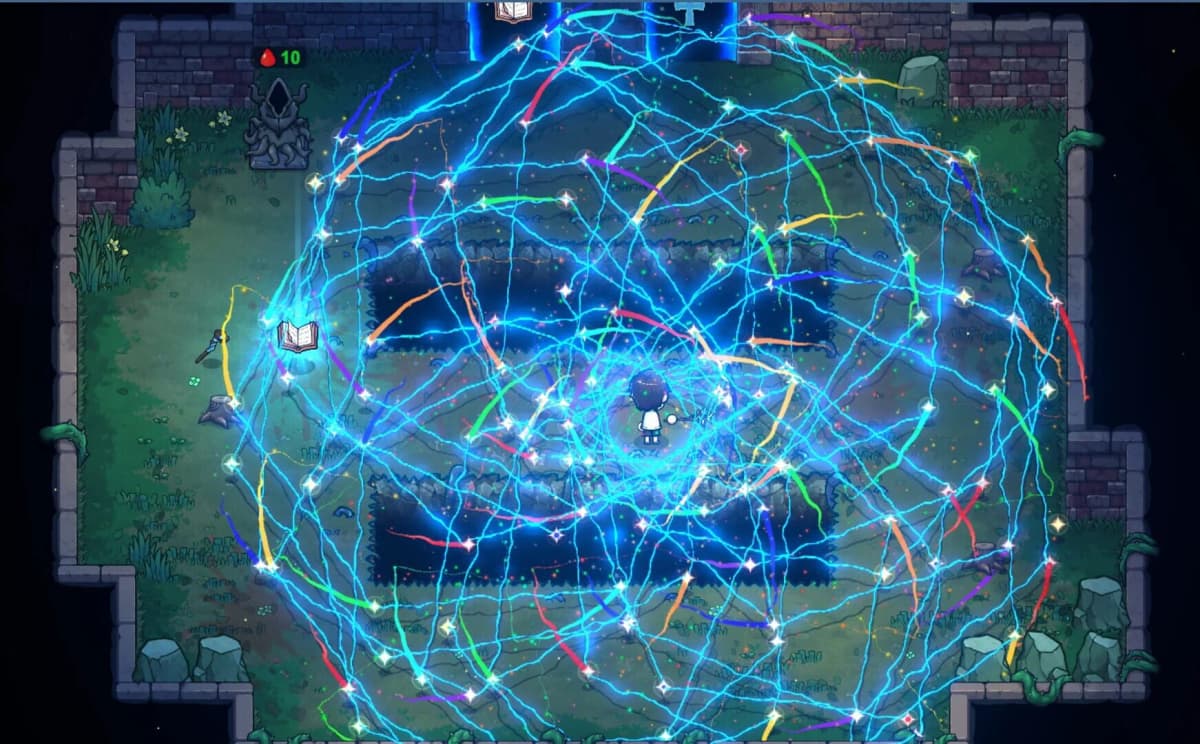
The update calls out smoother spellcasting, refined collision and summoning, and clearer VFX. That last one’s crucial: too many roguelikes turn into spell soup where you can’t read danger. Clearer silhouettes and toned-down particle spam can be the difference between a clean dodge and a hit you swear you never saw. Also interesting: tweaks to spell formulas and damage calculations. Translation: some of your comfort builds might get shaken up. Expect a meta wobble as players rediscover which rune combos scale best post-patch.
I’m cautiously optimistic. A DOTS rewrite is a big surgical move mid-life, and it can create edge-case bugs (AI behavior, pathing, summon caps) before it stabilizes. If you’re the kind who floods rooms with minions, this is your stress test moment. Watch how the game handles late-run chaos on your rig — reduced stutter during screen-wide detonations is the outcome we all want.
Why this crossover makes sense right now
Crossovers are everywhere, but they’re not all created equal. Dead Cells built a cottage industry out of smart guest content; Dave the Diver has done cheeky collabs before without losing its identity. Here, Magicraft benefits from Dave’s mainstream recognition while giving players substantive reasons to return. For an indie roguelike, free content that brings back lapsed players just as you roll out a major engine-side tune-up is savvy — you get test coverage and goodwill in one swing.
It also fits the broader moment for Chinese indies. Between Warm Snow, Rogue Spirit, and a handful of breakout hits, there’s an audience hungry for fast, readable combat with depth beyond the first run. Magicraft joining that club with a technically ambitious update is a statement: this isn’t just another content drip, it’s a foundation upgrade.
About that mobile version
The team says the mobile build lands by the end of 2025 with DOTS optimizations and touch-friendly controls. I love the ambition, but action roguelikes live and die by input feel and screen clarity. Dead Cells nailed it with tight gestures and generous aim assists; Hades’ iOS port worked because interface density was rethought, not just shrunk. Magicraft’s rune-crafting and particle-heavy fights will test both UI design and battery budgets. Big wins would be 60 fps targets on mid-range devices, smart auto-aim cones for the harpoon and spells, and legible telegraphs even on 6-inch screens. Monetization and parity also matter — premium price with full content would be the cleanest path, but we’ll need details.
What players should do right now
- Jump in on Steam — the DLC is free and available now.
- Test the new rune-harpoon combos; look for builds that exploit multi-hit or pierce with DOT stacking.
- Re-evaluate your go-to spell setups; formula tweaks could buff underdogs.
- Stress the engine: summon-heavy, projectile-rich rooms will reveal whether DOTS paid off on your hardware.
TL;DR
Magicraft’s Dave the Diver crossover isn’t just fan art — it’s meaningful content with a serious tech uplift. If the DOTS rewrite holds up under late-run chaos, this could be the patch that locks Magicraft in as a top-tier action roguelike, with mobile on the horizon to widen the net.