
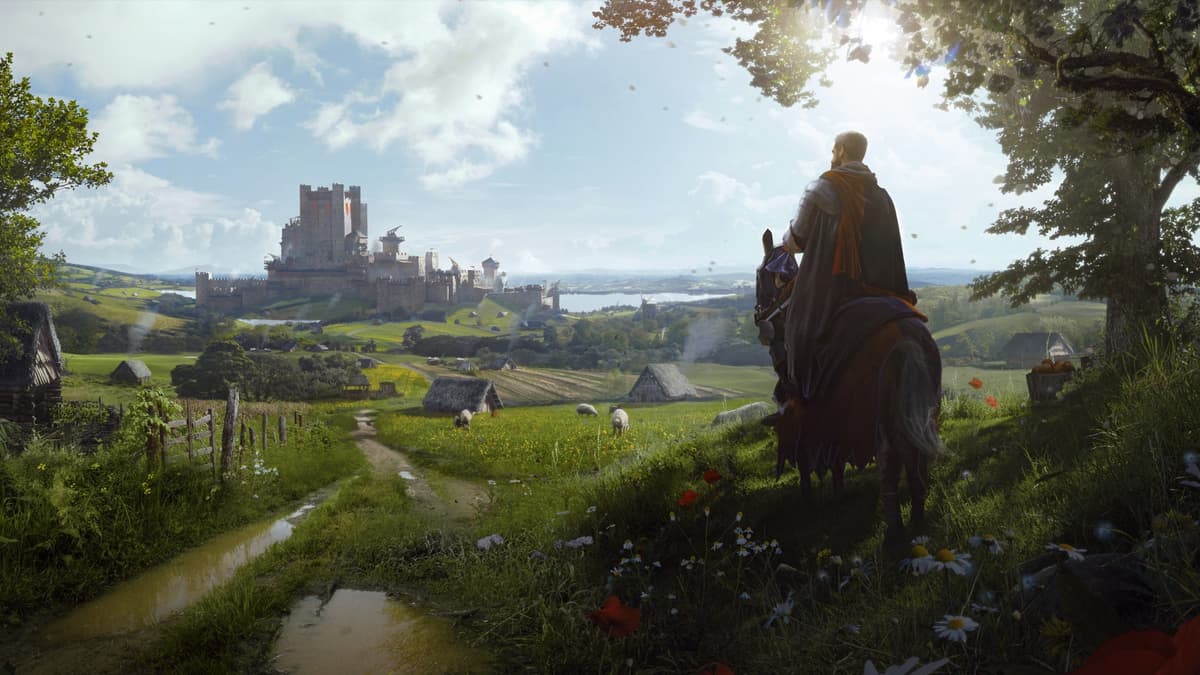
Manor Lords’ Ambitious Overhaul: From Prototype to Genre Staple
Game intel
Manor Lords
Manor Lords is a strategy game that allows you to experience the life of a medieval lord. Grow your starting village into a bustling city, manage resources and…
The recent hush around Manor Lords had me wondering if the early access darling was slipping off our radar. But Greg “Slavic Magic” Styczen has confirmed that a colossal update is on the horizon—one that goes beyond bug fixes and UI polish. Whether you’ve been lost for hours in its medieval rhythms or tempered your expectations after early wobbles, the coming overhaul may be the turning point that elevates Manor Lords from promising prototype to bona fide city-building classic.
Setting the Stage: Why This Update Matters
Since its launch, Manor Lords has drawn praise for blending relaxed town management with real-time tactics. Early sessions felt magical: carving out your first hamlet, fending off bandit raids with a clutch militia, or watching trade wagons snake through the countryside. Yet, as players reached midgame, familiar cracks emerged—static systems, shallow progression loops, and the dreaded “radius buff” fallback that made layouts feel like circles instead of living worlds.
Updates trickled in, but few addressed the foundational issues. Now, after a period of radio silence, Styczen and his small but growing team have gone back to the drawing board. This isn’t a tweak or a small DLC; they’re rebuilding core mechanics from the ground up. In an age where early access titles sometimes fizzle, it’s a daring bet—one that could either reinvigorate the player base or risk losing momentum entirely.
Affinity System Overhaul: From Circles to Ecology
One of the most exciting changes centers on Manor Lords’ affinity system. Gone are the days of abstract AoE circles granting flat bonuses. Instead, affinities will now stem from genuine environmental and building interactions.
- Terrain-Based Bonuses: Meadows, woodlands, farmland, even urban sectors will each carry distinct ecological effects. Apiaries thrive beside forests, orchards bloom with nearby meadows, and attempting to clear-cut your wood supply now has real long-term consequences.
- Inter-Building Dynamics: Your structures won’t operate in isolation. Dense housing boosts urban affinity—but overexpand and you’ll undercut your own forest yields. These checks and balances promise emergent gameplay, where a single zoning decision ripples across production, happiness, and resilience.
This deeper sim logic aligns Manor Lords more closely with genre icons like Anno or Settlers, where every plot of land carries narrative weight. If executed cleanly, it could finally shake off the “cookie-cutter city-builder” stigma and reward thoughtful, ecological planning.
Production Chains and Economic Nuance
Beyond affinities, the update also tackles production chains. Currently, Manor Lords offers solid but linear resource flows: wood into planks, wheat into flour, stone into bricks. The revamp promises branching crafting paths, specialized workshops, and dynamic supply-demand fluctuations that respond to player actions and global trade.
Imagine a network where oversupplying flour leads to surplus markets that depress grain prices, or where a shortage of charcoal impacts your weaponsmiths. These ripple effects could elevate the economic simulation from serviceable to sophisticated—with careful UI design needed to keep complexity from becoming opaque micromanagement.
Map, Interface, and Quality-of-Life Improvements
Complementing the mechanical core is a suite of usability upgrades. A new “Divided” map mode introduces regional diversity—forest-dense districts, arid hills, and river valleys each with unique challenges. Town interfaces are being streamlined: resource tracking, alerts, and building previews will become more intuitive, reducing the clicks-to-insight ratio that early adopters found frustrating.
These QoL changes may seem cosmetic compared to system-level reworks, but they’re critical. A complex simulation only shines if players can grasp its inner workings at a glance. Manor Lords may soon marry its newfound mechanical depth with an interface that feels equally polished.
Want to Level Up Your Gaming?
Get access to exclusive strategies, hidden tips, and pro-level insights that we don't share publicly.
Ultimate Gaming Strategy Guide + Weekly Pro Tips
High Stakes: Risks and Community Expectations
Rewriting foundational code is inherently risky. Extensive internal changes can introduce new bugs, break existing saves, or demand lengthy downtime. Early access players accustomed to intermittent patches might find the pause jarring. Moreover, grand system resets can alienate those who have built sprawling towns under the old rules.
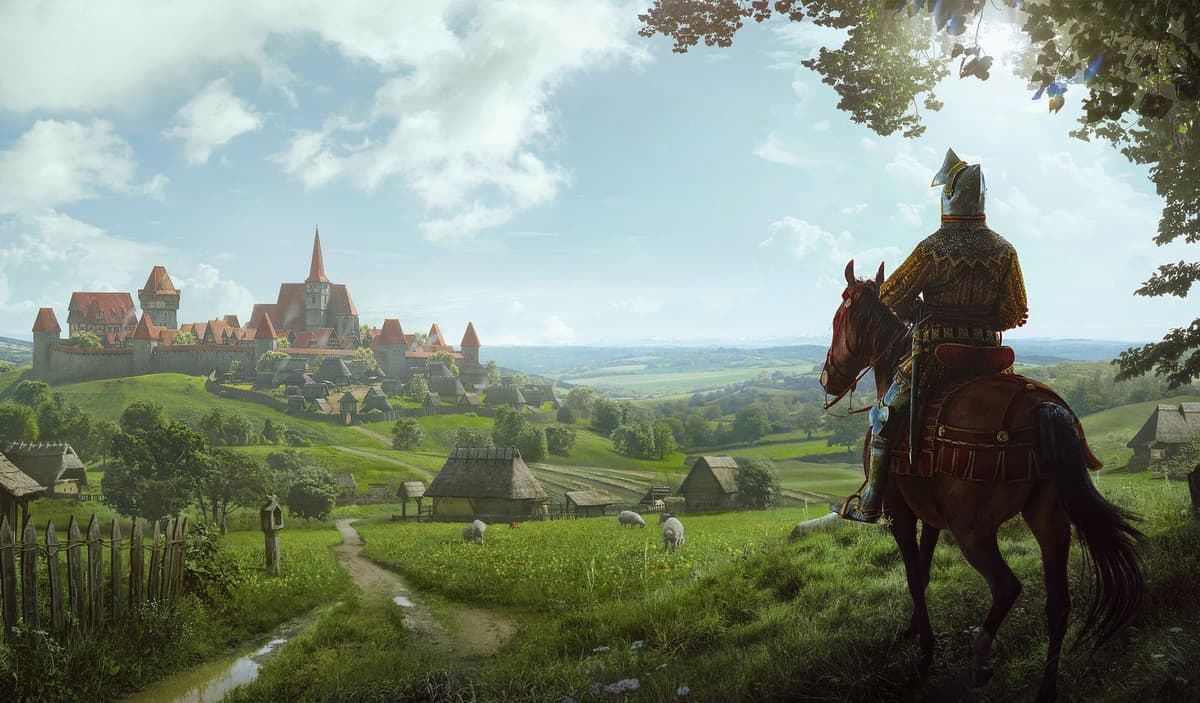
On the flip side, half-measures have already shown their limits. Rushed, incremental fixes risk accumulating technical debt that blocks future innovation. By investing now in a “big bang” solution, Manor Lords may clear the path for a steadier cadence of updates—if they can pull it off without losing too many supporters in the process.
Styczen has pledged that after this major overhaul, future releases will be smaller and more frequent. That feedback loop would honor early adopters’ patience and establish a sustainable roadmap—provided the team has the resources to deliver.
Broader Impacts for City-Builder Fans
If Manor Lords sticks its landing, it could shift expectations for indie builders. The emphasis on terrain-driven mechanics and integrated production may inspire competitors to depart from prefab radius systems. More importantly, it underscores how depth doesn’t require massive budgets—just clear design goals and a willingness to break the mold.
However, the update also raises questions about complexity boundaries. Veteran players often clamor for emergent interactions, but novices can feel lost amid too many interlocking variables. Balancing accessibility and depth will be a delicate task—a balancing act that many big studios still struggle to master.

Looking Ahead: Next Steps for Experimentation
With no firm release date announced, Manor Lords’ future hinges on transparent communication. Dev diaries, open playtests, or staged previews could help maintain interest and gather broader feedback. Players eager to see the new systems in action may appreciate a public test realm where they can stress-test affinities and production chains before the full rollout.
Furthermore, ongoing data collection—player behavior metrics, heatmaps, and surveys—will be key to refining complexity thresholds. Rather than guessing how many interactions are “just right,” concrete usage stats can guide polish phases and prevent feature bloat.
Conclusion: A Pivotal Moment for Manor Lords
Manor Lords’ upcoming overhaul represents a high-risk, high-reward gamble. By reimagining affinities, production, and map diversity, the team aims to shed early prototype limitations and deliver a richer, more replayable medieval sim. Yet the success of this transformation depends on clean implementation, thoughtful UI, and consistent follow-up support.
For strategy and city-builder enthusiasts who have stuck with Manor Lords, the promise of genuine ecological simulation and dynamic economies is tantalizing. And for skeptics, this grand redesign may finally answer whether Manor Lords can fulfill its initial promise. The coming months will be critical: will this update propel it into the upper echelons of the genre, or will development setbacks tarnish its reputation? Either way, Manor Lords is worth watching closely—its fate could shape the future of indie city-building in early access.