
Table of Contents (11)
Marathon Is The Best I’ve Felt Holding A Virtual Gun… Inside A Messy Shell
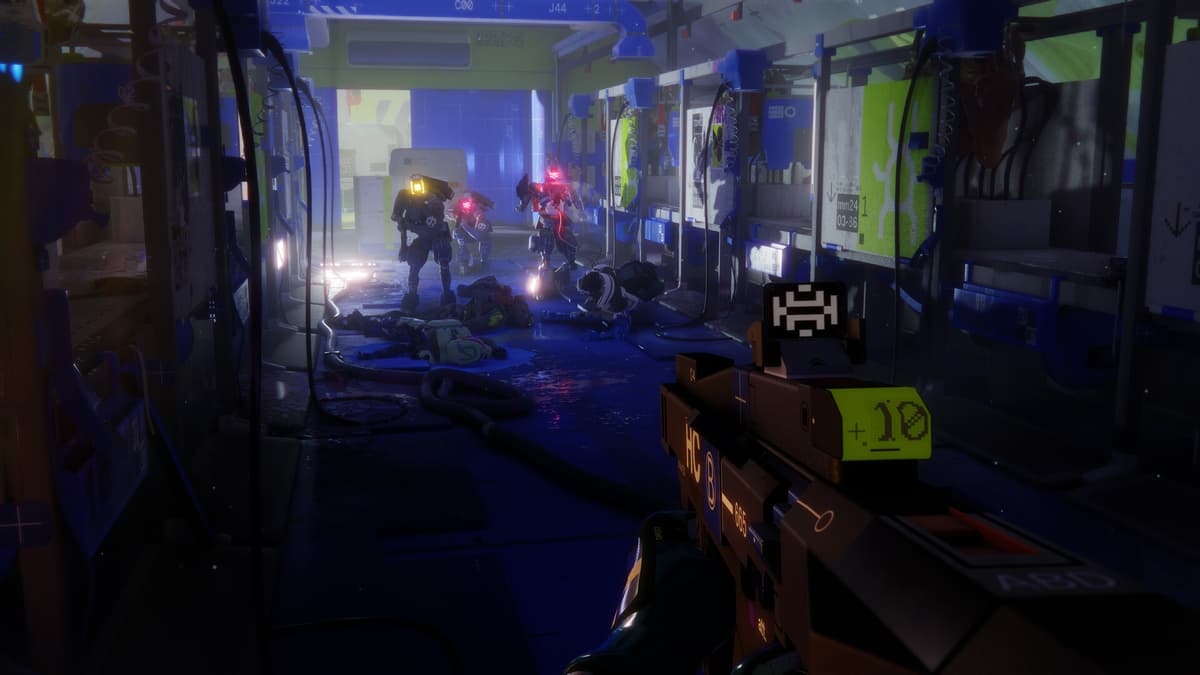
Crouched in a neon-dripping loading bay, I’d just downed a rival Runner with a hand cannon that sounded like a thunderclap in a steel drum. Their sponsor kit spilled out – a purple rifle, rare implants, the exact ammo I was starving for. I grabbed everything, heart racing, and sprinted for extraction.
Thirty seconds later, a swarm of Tau Ceti IV drones and a sniper I never saw ended that dream. Back to the hub. Loot gone. Vault empty. My faction rep dropped, my sponsor contract failed, and I sat there staring at a gorgeous but cluttered UI wondering how a game could feel this good in the moment-to-moment and still make basic navigation such a chore.
That tension – between sublime gunplay and fussy systems – is Marathon in a nutshell. It’s Bungie reclaiming its sci-fi roots as a PvPvE extraction shooter, and it’s also a live-service launch that’s rough around the edges, especially if you’re playing in Japanese.
What Marathon Actually Is: Extraction Shooter, Not Destiny 3
If you’ve only seen trailers, it’s easy to assume “Destiny with more neon.” It’s not. Marathon is a 25-minute run-based PvPvE extraction shooter. You drop onto Tau Ceti IV alone or in squads of up to three, loot weapons and implants, complete contracts, and try to extract before the timer and other players end you.
If you die, anything not safely stashed in your vault is gone. Some sponsor contracts even reward you for dying under specific conditions, turning failure into weird meta-progress. It’s closer to Escape from Tarkov or Hunt: Showdown than Destiny, but trimmed down and more readable… at least in theory.
Between runs you’re in a sleek hub orbiting Tau Ceti IV, juggling:
- Runner Shells – class-like bodies with unique abilities and implant slots
- Factions – six corporate weirdos competing for your loyalty
- Sponsor Kits – pre-built loadouts and contracts that shape your goals
- Vault – your persistent stash of loot, always too small
It’s a tight loop: load in, improvise with what you find, try not to die, then rebuild and tweak in the hub. When it works, it’s dangerously addictive. When the UI gets in the way or a bad spawn chain-stuns you to death, it’s the kind of game you alt+F4 while still knowing you’ll boot it again tomorrow.
Bungie’s Gunfeel Is Ludicrously Good
I’ve played every Bungie shooter since the original Marathon trilogy, and they haven’t lost their touch. The combat feel here is obscene in the best way:
- Time-to-kill is snappy but readable – You can delete someone in a heartbeat if you land your shots, but it rarely feels random.
- Recoil and flinch have personality – A burst rifle wants short taps at midrange; auto SMGs beg to be hip-fired around tight corners.
- Audio sells impact – The hard electro soundtrack pulses underneath metallic, bassy gun reports. A good headshot sounds like a circuit board being torn in half.
One moment that sold me: I was playing a more mobile Runner Shell, running a kinetic hand cannon and a burst rifle. A squad pushed me at a comms relay. I snapped to the first guy with the hand cannon, two-tapped him, slid behind cover as his teammate tried to beam me, then strafed back out and shredded him with a perfectly controlled burst. It all happened in under three seconds, completely reactive, and it felt like the game was keeping up with me, never fighting my inputs.
AI enemies are more than just bullet sponges in the middle of all this. They:
- Create noise that attracts other players if you’re sloppy
- Flank and rush in ways that force you to reposition rather than just backpedal
- Guard key loot and objectives, so you’re always weighing ammo and time versus potential gain
Good PvPvE depends on that three-way tension between you, the environment, and other players, and Marathon absolutely nails that when you’re in the field. You hear an exchange in the distance, wonder if you can third-party it, and realize there’s a drone nest between you and the fight. Every decision becomes a risk calculation.
The 25-Minute Run: Risk, Reward, And The “Death Loop”
Runs are capped at 25 minutes, which turns every drop into a little self-contained story. You pick a zone entry, drop in with your chosen Sponsor Kit (or your own cobbled-together gear), and immediately start listening:
- Where are the drones buzzing?
- Which contracts do I have pinned – hack relays, extract a data core, hunt another Runner?
- Do I chase high-value loot spots early or play it safe and farm?
What I really like is that failure feeds back into the meta-game. One sponsor had a kit that paid out extra rep if I died after dealing a certain amount of total damage in a run. That flipped my mentality. I became a chaos gremlin: push every fight, burn every grenade, worry about extraction later.
On one of those “suicide contract” runs, I wiped two duos, cleared a PvE stronghold, and realized with five minutes left that I’d actually built a ridiculous loadout on the fly: epic shotgun, stacked armor plates, two offensive implants. The contract would’ve rewarded dying, but now I wanted to live. I bailed on fights, played rat, and barely made it to extraction while a storm of tracer fire stitched the landing zone behind me.
That’s what the game means by a “death loop”. Your successes and failures both become fuel for the next decision. Sponsors pressure you into weird objectives, factions dangle long-term unlocks, and the 25-minute cap means you’re rarely just slowly grinding materials. You are always one bad call away from losing everything you carried in.
Runner Shells, Builds, And Early Balance Weirdness
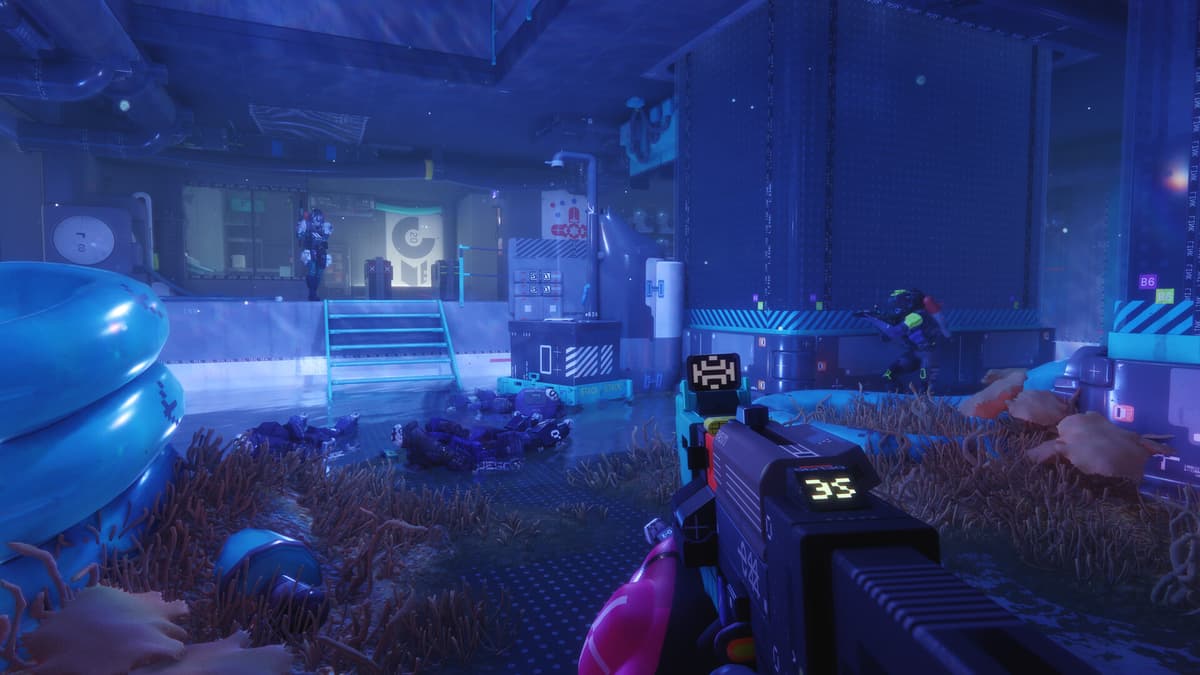
Runner Shells are one of Marathon’s smartest ideas. They’re essentially “classes,” but they’re presented as different bodies you inhabit run-to-run, each with unique base stats, abilities, and implant layouts.
Examples from my rotation:
- The Assassin-like Shell – Invisibility burst, low health, high mobility. Perfect for ambushes and escape.
- The Bulwark archetype – Tankier, defensive ability that projects cover and lets you anchor fights.
- The Recon-type Shell – Intel tools, better scanners, information advantage over raw power.
Slots for implants change how you approach each run. One night I leaned into a glass-cannon build: bonus damage at low health, faster ADS, more sprint speed. Another night I stacked survivability and regen and basically turned into the annoying guy who just refuses to die.
Not every Shell feels tuned yet. The stealth-focused one, in particular, can feel unfair in lower-skill lobbies; I’ve both abused and suffered invisibility flanks that erased squads before they could react. Higher up the ladder, people are better at countering it, but it’s the kind of thing that’s obviously going to be on the balance patch radar.
Still, the buildcraft leans more meaningful than fussy. You don’t spend twenty minutes in a spreadsheet — you grab an implant that synergizes with your kit and go. It’s closer to Hunt: Showdown’s trait system than a full-blown looter-shooter tree, which fits the game’s pace.
Six Factions, Sponsors, And A Surprisingly Deep Meta
Outside of runs, the real game is playing your factions and sponsors against each other. There are six factions, each dripping with this clinical, slightly unhinged sci-fi corporate personality. They don’t dump cutscenes on you; lore seeps in through contract flavor text, hub chatter, and little snippets in the codex.
Perform well for a faction and you unlock:
- New weapons and sponsor kits
- Better-paying contracts with more complex conditions
- Implants and cosmetic stuff that signal your allegiance
The sponsor kits are where the meta mind games get fun. One kit might push you towards playing extraction rat: bonuses for looting specific containers and leaving early. Another might emphasize PvP kills or hunting AI bosses deep in contested zones.
- New weapons and sponsor kits
- Better-paying contracts with more complex conditions
- Implants and cosmetic stuff that signal your allegiance
The sponsor kits are where the meta mind games get fun. One kit might push you towards playing extraction rat: bonuses for looting specific containers and leaving early. Another might emphasize PvP kills or hunting AI bosses deep in contested zones.
🎮 Get This Game at the Best Price
Compare prices instantly and save up to 80% on Steam keys with Kinguin — trusted by 15+ million gamers worldwide.
*Affiliate link — supports our independent coverage at no extra cost to you
One sponsor practically begged me to pick fights. Their contract lined up with a weekend event on the newer Cryo Archive map, which is already a meat grinder of tight corridors and sightlines. It turned my night into a series of doomed last stands that… still felt worth it, because each failure pushed that sponsor track forward and unlocked better gear for future, saner runs.
If you’re the kind of player who likes having medium- and long-term goals above the immediate run, Marathon feeds that itch constantly. You’re rarely just playing “for nothing.” There’s always a faction bar creeping upwards, a sponsor challenge halfway done, a Shell upgrade a couple of good extractions away.
Vibes: Razor-Sharp Aesthetics And Hard Electro
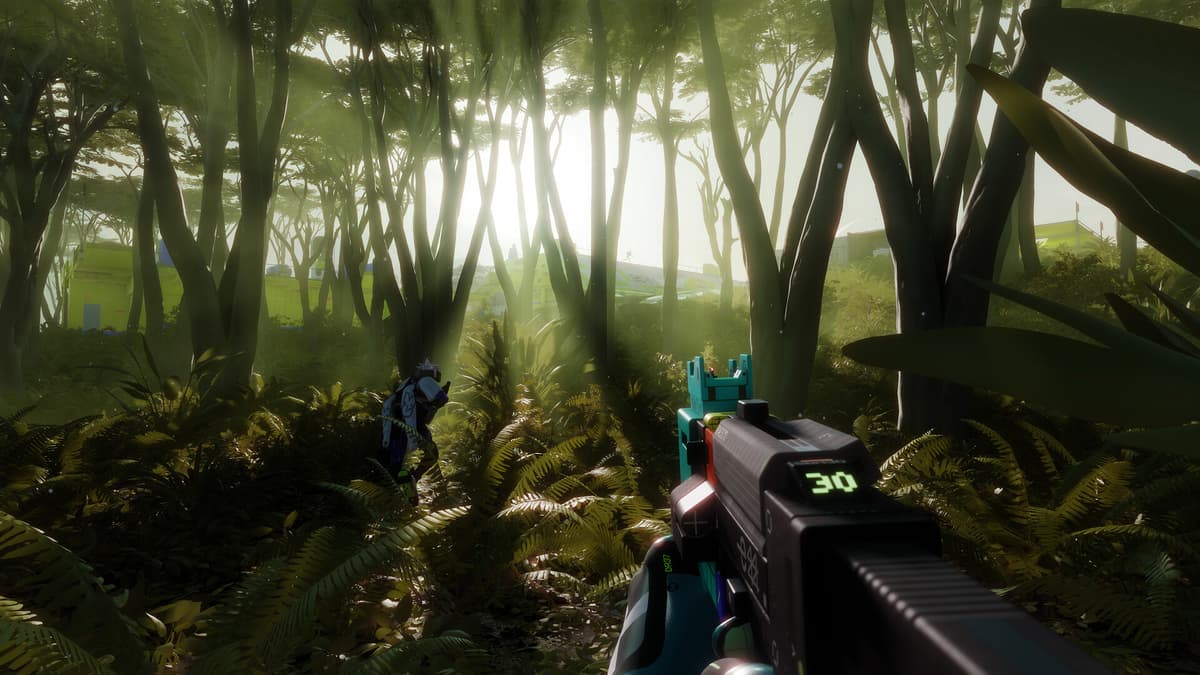
Whatever you think of the systems, Marathon is one of the most striking sci-fi shooters I’ve played in years. Tau Ceti IV is all hostile blues and radioactive greens, industrial ruins and brutalist structures cut against impossible skies.
The visual language is clean and punchy:
- Runner silhouettes are readable even amid chaos
- Loot pops with bold shapes and colors, rarely getting lost in the environment
- UI in combat — hit markers, damage numbers, ping lines — is sharp without being noisy
The soundtrack is pure, cold adrenaline: harsh, synthetic beats and glitchy motifs that make every engagement feel like it belongs in a cyberpunk heist movie. It’s very much not Destiny’s orchestral heroism; this is functional, propulsive, almost hostile music, and it fits the game’s mean streak.
Little touches also help sell the world — sponsor logos stenciled onto your Shell, faction propaganda looping quietly in the hub, the way extraction ships cut through clouds like surgical tools. It all feeds into this sense of being a disposable asset in a bigger machine, which is exactly what the game’s death loop wants you to feel.
And Then You Hit The UI Wall (Especially In Japanese)
All this praise comes with a big caveat: the menus and localization are rough, particularly if you’re playing in Japanese.
On the default English setting, the UI is already busier than it needs to be. The hub is a cluster of terminals and holograms, every screen hiding sub-screens:
- Factions menu stuffed with contract lists, filters, and narrative blurbs
- Sponsor screen mixing cosmetic kits, loadout presets, and challenge tracking
- Vault using small icons and nested tabs that make it too easy to lose track of specific guns or implants
After a few hours I mostly adapted, but I still routinely mis-clicked between sponsor and faction menus or backed out of the wrong screen because the navigation hierarchy isn’t always clear. It’s not game-breaking, just constantly mildly irritating.
Switching the language to Japanese to check the localization, though, is where things fall apart. Text suddenly feels:
- Too thin and cramped – Some fonts don’t handle kanji well; strokes blur on smaller UI elements.
- Badly spaced – Long sponsor kit names run into icons or wrap in ugly ways.
- Low-contrast in places – Tooltips and smaller labels become hard to read against busy backgrounds.
In a genre where you’re constantly making snap decisions based on kit names, contract wording, and implant descriptions, struggling to parse text is more than an aesthetic problem; it’s real friction. I found myself flicking back to English just so I didn’t misinterpret a contract condition mid-session.
There are also occasional odd translation choices that break immersion — nothing catastrophic, but enough to remind you this localization pass needed more time and testing. For a game that otherwise feels so precisely designed, the font and UI work in Japanese sticks out like a sore thumb.
Live Service Bones: Events, Monetization, And Longevity
Marathon is built to live for years, which is both exciting and a little worrying. Early on you already see signs of the ongoing content machine:
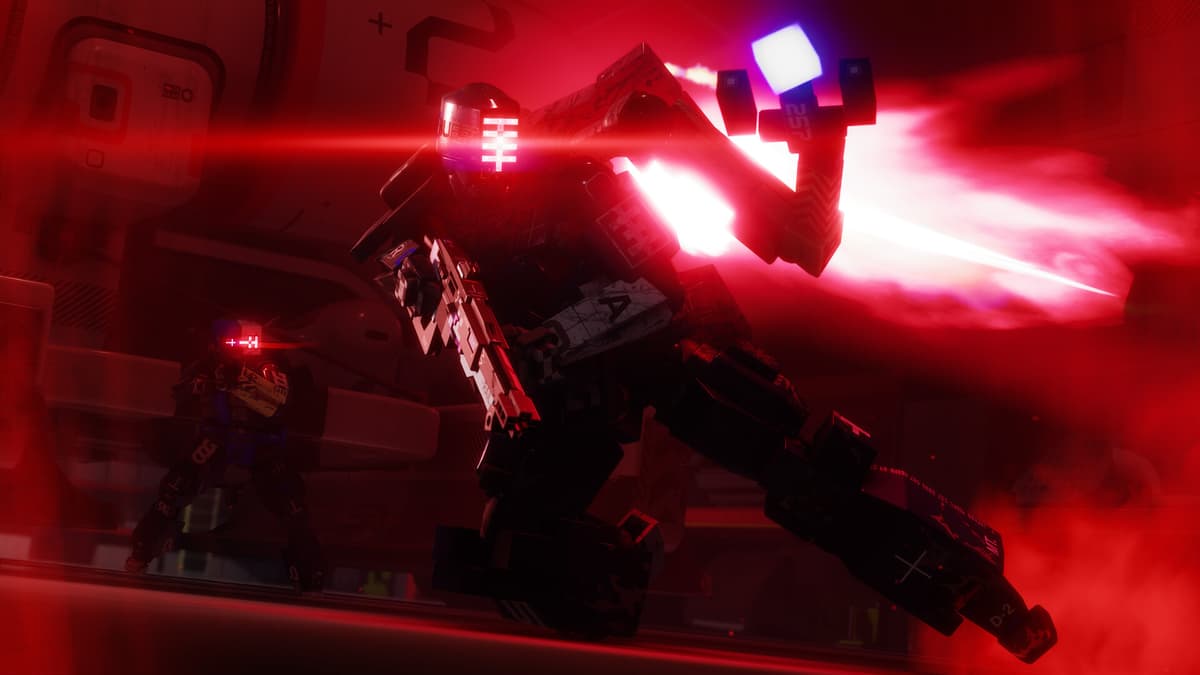
- Limited-time events centering on specific maps like Cryo Archive
- Faction-wide objectives that unlock new contracts or modifiers
- A battle pass-style track that mostly throws cosmetics and currency at you
The good news: the core loop is strong enough that I want more maps, more sponsor kits, more weird Shells. The bad news: the current battle pass feels bolted on, and the monetization hooks (cosmetic bundles, premium currency, etc.) live in the same already-messy UI the game struggles with.
So far it avoids pay-to-win territory, and most meaningful progression still comes from playing well and engaging with sponsors and factions. The danger is more that the live-service scaffolding could distract Bungie from sanding down the rough UX edges that actually hold the game back.
Who Marathon Is (And Isn’t) For
If you’re a Destiny player looking for a cozy PvE grind where death is an inconvenience, this is going to feel mean. Marathon is spiky. Bad runs can chain together and make you question your life choices. Losing a kitted-out Shell because you got third-partied a second before extraction genuinely hurts.
But if you live for:
- High-stakes PvP where every bullet counts
- Extraction games like Tarkov or Hunt but want something tighter, more readable, and less obsessed with minutiae
- Build tinkering and faction meta-strategy layered on top of run-based tension
Then this is absolutely worth your time. Solo stealth runs, duo ambush plays, trio death squads — the sandbox supports all of it. And when a run comes together, when your Shell build clicks and your sponsor contract lines up with your route and you exfil with a backpack full of purple loot, it feels incredible.
If you mainly play in Japanese and care a lot about clean UI and readable text, I’d consider that a soft warning label. The core game is strong enough to push through, but the font/UI issues genuinely sap some enjoyment and make learning the systems harder than it should be.
FinalBoss // Gear
Level up your setup
01Top-rated gaming headsetson Amazon→02High-refresh gaming monitorson Amazon→03Gaming chairson Amazon→04Discounted game keyson Kinguin→
Affiliate links · As an Amazon Associate, FinalBoss earns from qualifying purchases.
Want to Level Up Your Gaming?
Get access to exclusive strategies, hidden tips, and pro-level insights that we don't share publicly.
Ultimate Reviews Strategy Guide + Weekly Pro Tips