
Table of Contents (10)
When Marathon’s TTK Feels Like a Joke… Until It Doesn’t
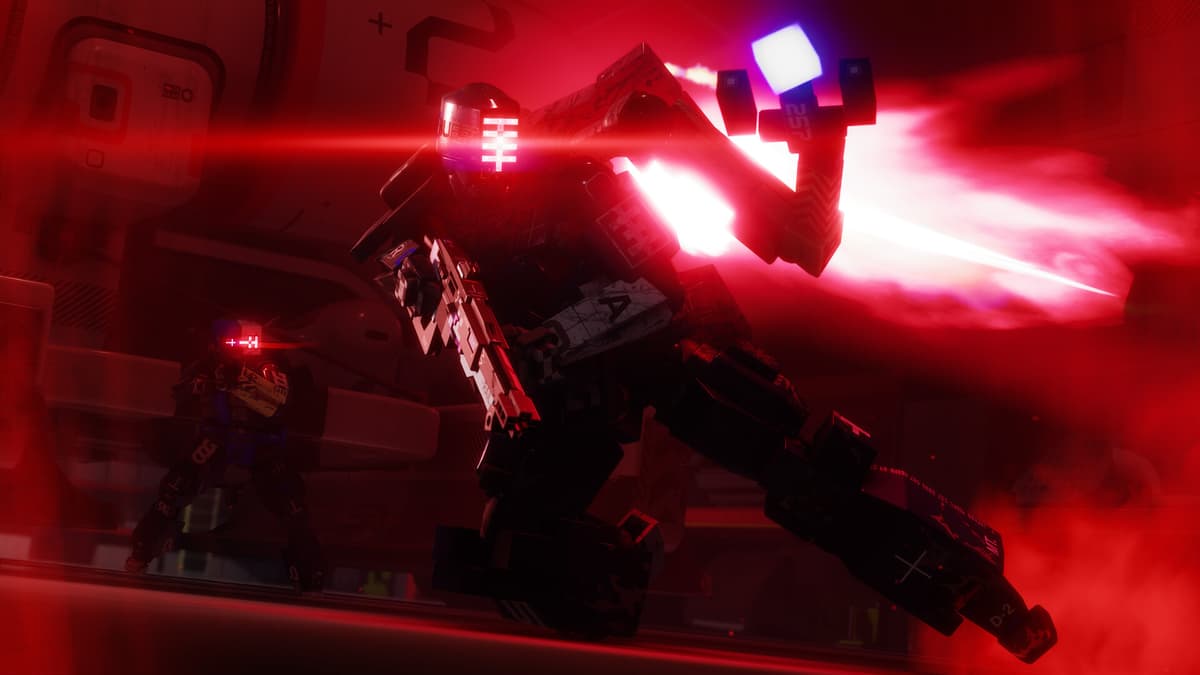
My very first night in Marathon, I died before I could even finish thinking the sentence “I see someone.” Peek a corner, screen goes white, dead. Drop onto Tau Ceti IV with a cool new Shell ability in mind, get melted before I can press the key. At the end of that first session, I had that familiar extraction-shooter question rattling around my skull: is the time-to-kill just too fast, or am I playing it completely wrong?
Marathon looks, at a glance, like a hero shooter welded onto an extraction game. You’ve got Shells with flashy abilities – invisibility smoke, deployable cover, a cheerful little healing drone, grappling hooks – but a health bar so flimsy that getting spotted first usually means you’re paste. During the early test period I walked away thinking the whole thing was fighting itself: why give me toys if I never get time to use them?
After living with the full release for dozens of hours, I’ve flipped completely. The low TTK is still ruthless, but it isn’t random. The game’s shield tiers and loot loop quietly reframe what “fair” even means in Marathon, and once that clicked, the gunfights went from coin-flip ambushes to some of the most tense, tactical showdowns I’ve had in a PvP shooter since Hunt: Showdown.
Fragile by Design: Why Marathon’s TTK Hurts So Much at First
Let me get this out of the way: you are absolutely fragile in Marathon. Your base health pool is a formality; your shield is what matters. If that’s gone, you’re basically walking around with a “free loot” sign on your forehead. In those first few raids, when all you have is a white-tier shield, every mistake feels fatal because it is fatal.
Coming from other extraction shooters – the more methodical, spongey side of things like Arc Raiders, or even the mid-range lethality of something like Tarkov on a calm day — Marathon sits way on the “blink and you’re dead” end of the spectrum. Two good bursts from a half-decent weapon and you’re down. Catching someone looting a body or staring at their map is basically a free kill.
The result, early on, is a very particular kind of frustration. You line up your first ability combo with your Shell, maybe you’re running the one with the mobile shield or the stealth smoke, you spot a squad, you step out to make a play… and you’re erased before the animation even finishes. It feels like the game is telling you: “Abilities are a lie. The only thing that matters is who saw who first.”
I bounced off that feeling hard at the start. In pre-release, I honestly thought Bungie had misjudged the identity here — Destiny-style gunfeel married to a TTK closer to an arena shooter, stuffed into an extraction format where one death means you lose everything. It read like pure sadism.
Shields Change Everything (Once You Actually Have Them)
The piece I completely underestimated is how central shield tiers are to Marathon’s entire combat balance. Weapons get better in nice incremental ways — stability, recoil control, handling, larger mags — but your raw lethality against other players doesn’t skyrocket just because you found a rarer rifle. Your survivability, on the other hand, jumps dramatically the moment you upgrade your shield.
The difference between a throwaway white shield and a solid blue one is night and day. With white, stepping into a lane is gambling your life on the first half-second of an engagement. With blue or better, you suddenly have time — not a ton, but enough to react:
- Time to pop your Shell ability instead of dying with it off cooldown.
- Time to grapple out of a death funnel or up to a rooftop.
- Time to drop a deployable barrier, plate up, and re-peek.
- Time for your squadmate to tag the shooter and crossfire.
One of the most telling shifts for me was how I approached the Thief-style Shell with its grappling hook. On starter kits, the hook was basically a traversal toy; if I tried to use it mid-fight, I was already dead by the time I hit my anchor point. Once I walked in with my first decent blue shield, the same ability became a clutch escape and reposition tool. I could eat the opening burst, zip to high ground, crack a return volley, and turn a doomed opening into a winning angle.
The same goes for dealing with ambush-heavy Shells like the Assassin archetype. With basic gear, getting jumped was an auto-loss; your health evaporated so quickly you just shrugged and blamed “cheese.” With a real shield, an ambush turned into a skill check. You could maybe survive that opening volley, slide into cover with a sliver of shield left, and make a call: retreat and reset, or snap back with an ability and force a 50/50?
That’s the turning point: the TTK doesn’t actually change — your effective TTK does, based on your shields and your ability to capitalize on those extra fractions of a second. A better shield isn’t just “more HP.” It’s more opportunities to make decisions instead of reading the killfeed in disbelief.
“Unfair” Fights and Why Marathon Stops Pretending Otherwise
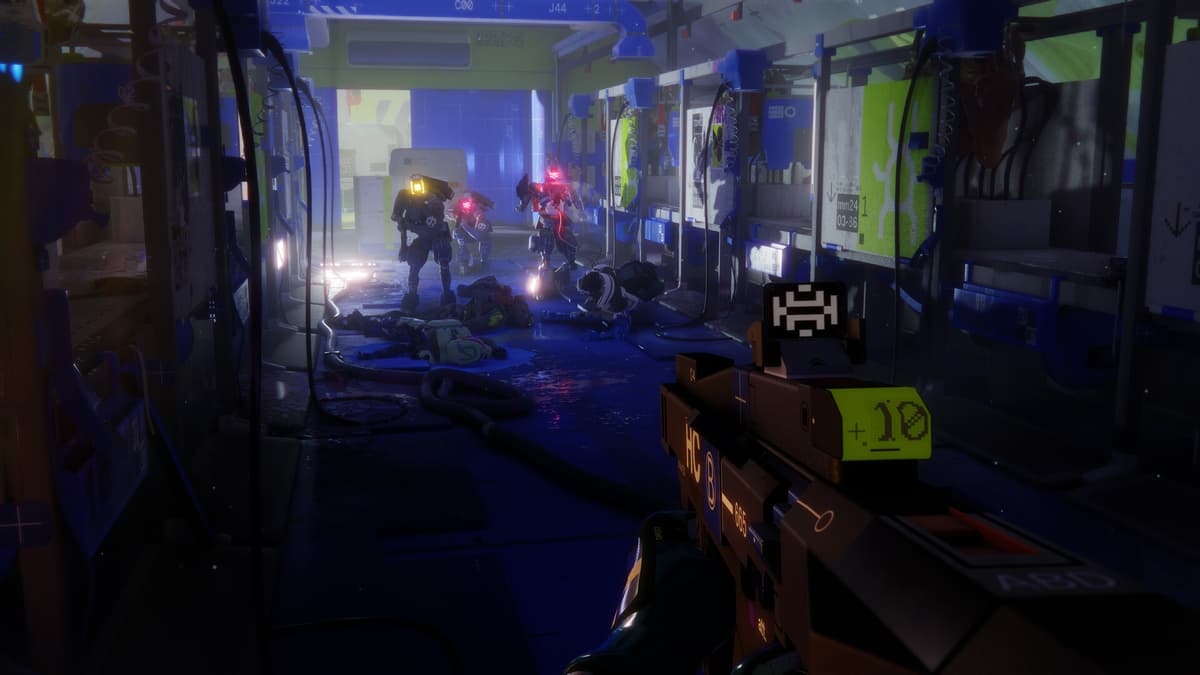
There’s a common complaint floating around: if you don’t bring a high-tier shield, you’re toast. And honestly? That’s kind of the point.
In a traditional arena shooter, both sides spawning with symmetric loadouts feels sacred. In an extraction shooter, “fair” is a different beast. Marathon leans into that. If someone loads into a raid with a high-end purple shield, rare weapon rolls, and tuned implants, the game wants that to feel oppressive in a straight-up duel. They’re effectively a roaming mini-boss, and beating them should feel like punching through the glass ceiling of your current bracket.
The shield system ties that fantasy directly into the loot economy. If you risk your best gear, you buy yourself more time in fights, more chances to win, more room to use your Shell abilities intelligently. If you cheap out and bring a free kit and a cracker-thin white shield, you’re signing up for a life where “spotted first” equals “deleted.”
Does that feel brutal when you’re new? Absolutely. You’re bringing starter gear to a live-fire exam against squads that already know every extraction route, every audio cue, every hot zone. But that asymmetry is what gives Marathon its teeth. When you finally do drop a kitted-out team and watch purple sparks fly off a dying shield, then crack open their backpacks like loot piñatas, the satisfaction comes precisely from knowing the fight wasn’t “even” on paper.
The flip side is that free kits start to feel appropriately disposable. They’re good for learning routes, finishing contracts, and knocking the rust off, but the game very deliberately discourages lobbies full of throwaway gear. Nobody wants to risk a tense mid-map firefight just to loot two starter pistols and a half-used patch kit. When strong shields are on the line, the stakes rise, and the low TTK fuels that tension rather than undermining it.
When Fully-Kitted Squads Collide, Marathon Finally Shows Its Hand
The real magic of Marathon’s tuning shows up when two squads with actual gear and at least a vague plan crash into each other. The TTK is still blisteringly fast, but now it’s mediated by layers of shields, abilities, and positioning. Fights unfold in quick, brutal chapters rather than single-frame jump scares.
A typical high-level engagement for me goes something like this: first contact is usually audio — footsteps on metal, a grapple whine, or the distinct crack of a weapon echoing through a corridor. Someone pings, everyone crouches. We try to get an angle, maybe send a recon Shell around the flank. The opening volley strips a shield clean but doesn’t kill; that runner backs up, throws down a deployable, and stims or lets a drone tick them back up.
A typical high-level engagement for me goes something like this: first contact is usually audio — footsteps on metal, a grapple whine, or the distinct crack of a weapon echoing through a corridor. Someone pings, everyone crouches. We try to get an angle, maybe send a recon Shell around the flank. The opening volley strips a shield clean but doesn’t kill; that runner backs up, throws down a deployable, and stims or lets a drone tick them back up.
🎮 Get This Game at the Best Price
Compare prices instantly and save up to 80% on Steam keys with Kinguin — trusted by 15+ million gamers worldwide.
*Affiliate link — supports our independent coverage at no extra cost to you
Those few seconds while a broken shield recharges, or a healed teammate repositions, are where the tactical game lives. Do you push while they’re weak? Do you hold a crossfire and wait for them to greed on their loot? Do you burn your own cooldowns to chase a crack you created?
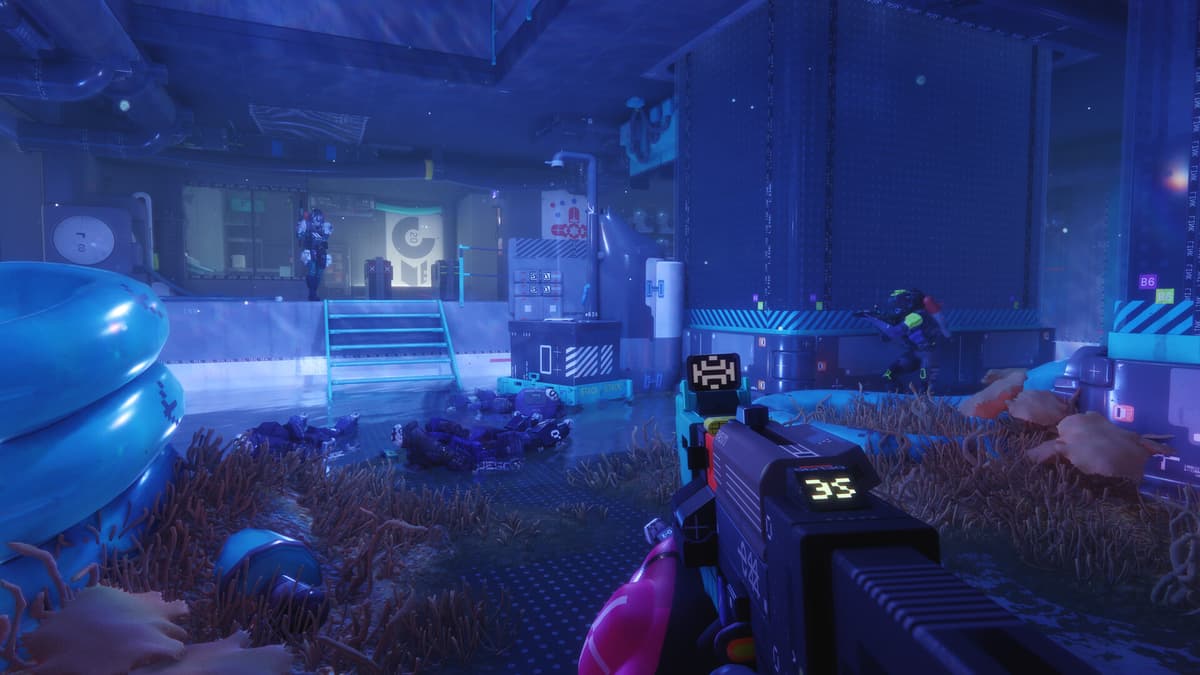
Because the TTK is low, mispositioning still gets punished immediately — peeking the wrong lane will absolutely send you back to the lobby. But the presence of substantial shields and abilities adds a miniature ebb-and-flow to each exchange. You’re constantly looking for that one clean burst to crack a shield, that one grapple to get above a team, that one smoke to break a sightline. Aim still matters a ton, but cooldown management and squad cohesion matter almost as much.
When it all works, Marathon hits a delicious rhythm: fast enough that your heart rate spikes, slow enough that your decisions matter. The low TTK stops feeling like a coin toss and starts feeling like a scalpel — unforgiving, but precise.
The Cost of Lethality: Onboarding, Solo Play, and UI Clutter
None of this lets Marathon off the hook for the players it leaves behind. The same systems that create those beautiful, high-stakes shootouts also make the early game genuinely rough.
If you’re mostly solo-queuing, the low TTK hits especially hard. Third-party deaths feel common. You win a duel by the skin of your teeth, crack open a shield, and just as you go to finish the job, a completely different squad lasers you from a rooftop you didn’t even know was in play. That’s extraction shooters in general, sure, but Marathon’s lethality gives you very little breathing room to adapt mid-raid without squad comms.
The UI and inventory systems don’t always help. The bespoke, ultra-styled menus look cool but can feel busy when you’re trying to quickly juggle shields, weapon rolls, and Shell abilities between raids. When I was new, I absolutely died because I spent too long fiddling with my loadout between drops, or tabbing into a menu in what I thought was a safe corner, only to get blitzed while mentally sorting shield tiers.
And then there’s the progression curve. Strong shields are the key to unlocking the “real” game, but naturally they live deeper in the loot ladder. It’s a classic chicken-and-egg problem: you need better shields to survive long enough to earn better shields. Marathon partially solves this with contracts and faction rewards that funnel you toward usable gear, but new players are going to feel that wall regardless.
I don’t think the answer is making the TTK slower across the board — that would flatten what makes Marathon distinct. But more generous early shields, or some kind of beginner-friendly buffer, would go a long way toward smoothing that first ten hours where every gunfight feels like clipping into a brick wall labeled “veterans only.”
Gunfeel, Movement, and Why TTK Needs Good “Glue”
All of this talk about TTK and shields would fall apart if the underlying shooting didn’t feel good. Thankfully, Bungie’s pedigree shows. Weapons kick and snap in that familiar, punchy way; even basic rifles feel responsive, and landing a burst that cracks someone’s shield is deeply satisfying. The audio-visual language helps too — the distinct sound of a shield breaking, the colored sparks that tell you what tier you’ve just shredded, the satisfying thud of a headshot.
Movement supports the lethality nicely. You’re nimble enough to slide, mantle, and swing around the vertical spaces without it turning into an outright arena-bunny-hop fest. The TTK is low, but you don’t feel rooted; there’s always the sense that a clever route, a grapple path, or a well-timed sprint through cover can save you if you see the danger a heartbeat early.
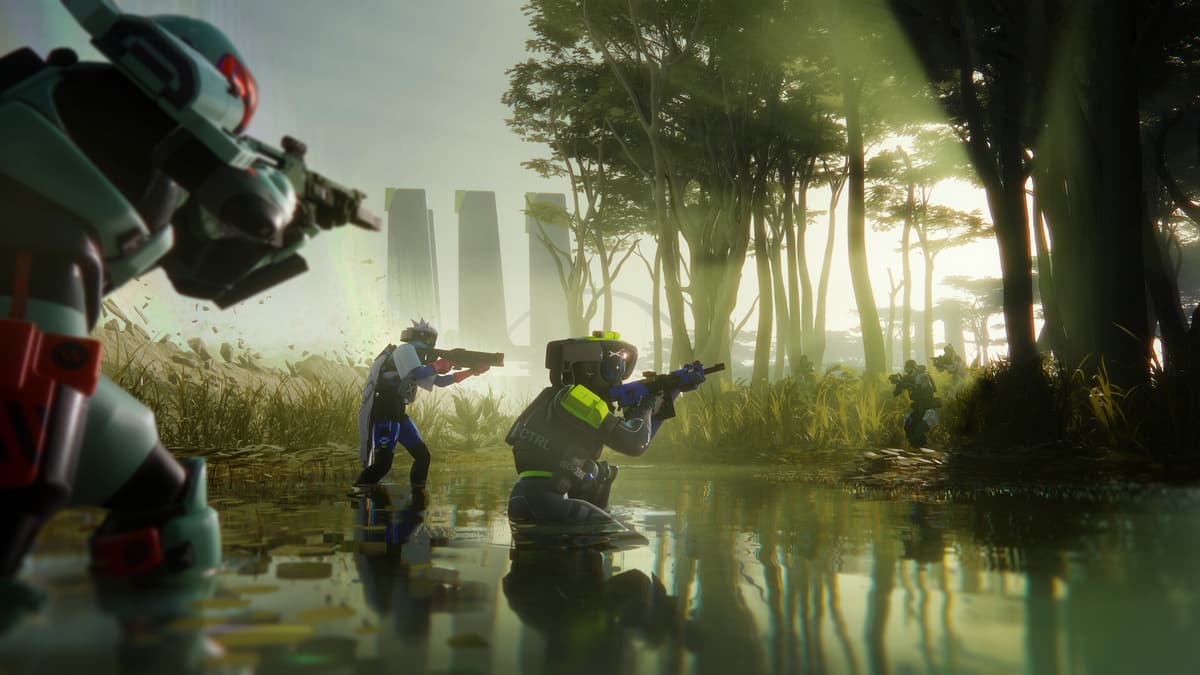
Where it wobbles is clarity in chaos. In tight indoor fights, especially when multiple Shell abilities are going off — smoke, barriers, drones buzzing — the already-high lethality combines with visual noise. It can be hard to parse who’s exposed, whose shield is cracked, and where that last burst even came from. In those moments, deaths slide back toward “arbitrary” in your brain, even if on paper the numbers are the same.
That’s less a flaw in the TTK itself and more a UX issue, but they’re intertwined. If a single burst can end me, I want every scrap of information I can reasonably get to understand why I died and what I could have done differently. Marathon is good at this most of the time, but not consistently.
Who Marathon’s Low-TTK, Shield-Driven Combat Is Really For
If your ideal shooter is something like Destiny’s control playlists — generous health, lots of dueling, plenty of time to pop your Super and express yourself — Marathon might border on abusive. You’ll die a lot, and many of those deaths will feel like you never got to “play your build.”
But if you’re the type who loves Hunt: Showdown’s heart-in-throat pacing, or Tarkov’s “gear fear” rush, Marathon is doing something very sharp. The low baseline TTK keeps every peek dangerous, while the shield tiers, Shell abilities, and loot loop mean your expertise and your stash size are constantly bending that lethality in your favor.
It’s for players who don’t mind that a day’s worth of progress can vanish in 30 seconds, as long as those 30 seconds are dense with decisions. It’s for squads that enjoy coordinating cooldowns, trading shield breaks, and pouncing the instant a purple-tier shield pops in the distance.
TL;DR – Fragility as Tactical Depth
- Marathon’s TTK is brutally fast, especially on starter shields, and will annihilate careless players.
- Shield tiers are the hidden backbone of combat; better shields effectively lengthen your TTK and unlock your Shell’s potential.
- High-tier gear creates “mini-boss” players, making uneven fights intentional and extremely rewarding to win.
- Fully-kitted squad fights are where the game shines: quick, tactical exchanges driven by shield breaks and ability cooldowns.
- New players and solo runners will struggle; the early game can feel unfair until you climb the shield ladder.
- Excellent gunfeel and solid movement make the lethality satisfying, but visual/UI noise sometimes muddies why you died.
FinalBoss // Gear
Level up your setup
01Top-rated gaming headsetson Amazon→02High-refresh gaming monitorson Amazon→03Gaming chairson Amazon→04Discounted game keyson Kinguin→Affiliate links · As an Amazon Associate, FinalBoss earns from qualifying purchases.
Want to Level Up Your Gaming?
Get access to exclusive strategies, hidden tips, and pro-level insights that we don't share publicly.
Ultimate Reviews Strategy Guide + Weekly Pro Tips