
Game intel
Marathon
Marathon Recompiled is an unofficial PC port of the Xbox 360 version of Sonic the Hedgehog (2006) created through the process of static recompilation. The port…
Bungie is once again running a closed, NDA-bound technical test for its decades-dormant Marathon franchise from October 22 to October 28, 2025. No streams. No leaks. No mass marketing blitz. And that silence tells you far more about the state of this extraction shooter’s development than any flashy reveal trailer could. Invitations are distributed by lottery through Steam and Bungie’s website. If you’re picked, you’ll explore three maps, five runner shells, proximity chat, solo queue matchmaking, and what Bungie calls “adjusted combat pacing.” As someone who’s tracked Bungie from Halo’s LAN-party heydays through Destiny’s turbulent ride, I see this muted approach as a studio rebuilding trust after a year marked by delays, leadership turnover, and a lukewarm early showing.
The term “technical test” under NDA isn’t about hype—it’s about data. Bungie wants to know if the core loop of extraction-phase tension, gunplay feel, and social emergent moments are hitting the mark. Three maps may feel slim, but it’s enough to vet spawn logic, sightline balance, and rotation flow under real-player load. Five runner shells—Marathon’s customizable avatars—hint at a push for a strong visual identity without diving straight into hero-shooter territory. Each shell likely carries subtle hit-box differences or cosmetic flair, but it’s too early to know for sure.
Proximity chat stands out as an inspired choice. In extraction shooters, audio cues can make or break emergent stories. A rival might whisper a false truce only to back-stab you at the exfil point. These unpredictable alliances fuel tension in games like Hunt: Showdown and the uneasy negotiation moments in Escape from Tarkov. Bungie is test-driving whether Marathon’s maps, audio spatialization, and proximity restrictions cultivate that same chaotic energy.
The solo-queue option is equally noteworthy. Extraction titles often punish lone wolves by funneling them into squads of three or four, where numbers overwhelm skill. By segregating solo players from premade groups, Bungie acknowledges that many fans love the thrill of “lone operator” runs. Combined with “adjusted combat pacing”—likely tweaks to movement acceleration, recovery windows, and time-to-kill (TTK)—this build seems designed to tune firefight readability. Bungie’s hallmark has long been clear, satisfying gun-feel; this test will reveal if that legacy holds when stakes are extraction-style high.
NDA tests are standard early in development, but Marathon’s context gives this one extra weight. Originally slated for release on September 23, 2025, Marathon was delayed indefinitely in June 2025 after mixed alpha feedback—including a scandal over stolen community artwork surfaced in test builds. Leadership changes followed, with key project leads shuffled and a new studio head stepping in to guide the title. In the wake of those stumbles, Bungie is doubling down on controlled, quantitative feedback rather than inviting YouTube personalities to dunk on an unfinished build.
By locking down this test, Bungie can gather anonymized data on match durations, map heat-maps, audio proximity usage, and drop-out rates without community pressure campaigns or hype-driven expectations. It’s a far cry from the “marketing beta” model many shooters adopt—where bugs and design issues are broadcast widely to build pre-orders. Here, Bungie is playing it more like a strict R&D phase. That’s risky: momentum can stall if players feel starved of news. But after a series of high-profile delays and mixed Destiny expansions, cautious data collection may be exactly what the studio needs to reassure stakeholders that the core experience is solid.
The extraction-shooter space is crowded. Following Tarkov’s gritty realism, Hunt’s emergent multiplayer drama, and new rivals like The Finals, Marathon must avoid feeling like “Tarkov in neon.” Bungie’s strengths—readable gunfights, tight movement, and engaging map flow—are its greatest assets. If Marathon nails three pillars—rewarding high-risk extraction, crafting emergent player stories, and empowering social interaction—it can find its own lane.
Rewarding risk means making each loot run feel consequential. In Halo Infinite’s early betas, Bungie learned that loot-driven tension needs careful tuning: too much risk leads to player frustration, too little and the loop feels hollow. Marathon’s proximity chat and solo-queue test suggests Bungie is internally testing how often players engage versus simply gun down any passersby. Are players bargaining on the fly? Betraying pacts? Gathering up loot and slipping away undetected? Those metrics will shape how extraction rewards are balanced at launch.

Emergent stories hinge on map design. Marathon’s maps will need funnel points that create tension without feeling overly choreographed. Bungie veteran designers know how to funnel players naturally—just look at Halo’s classic Battle Rifle chokepoints or Destiny’s Widow’s Court encounters. The test’s three maps likely cover different archetypes: tight indoor corridors, open rooftop zones, and mid-sized urban grids. Each environment will stress different mechanics and expose pacing flaws before a public beta.
To understand Marathon’s NDA-first approach, consider Bungie’s past betas. Halo 3’s 2007 public beta was a landmark, with millions of players logging in and server stats shared weekly. That open-beta model turbocharged word-of-mouth hype and helped shape the final tweaks. Destiny’s 2014 beta was similarly broad but faced criticism for limited endgame reveal. Both bets leaned heavily on community excitement.
This time, Bungie is refusing to lean on hype. After Destiny 2’s Forsaken launch struggles—underscored by some rushed content—Bungie added more closed test phases. Marathon’s tech test is an evolution of that strategy: gather focused feedback from hundreds, not thousands, before opening floodgates. If those small groups report smoother netcode, balanced loadouts, and friendlier slot-fill, Bungie can scale confidently into a public beta next year without worrying about first impressions gone viral.
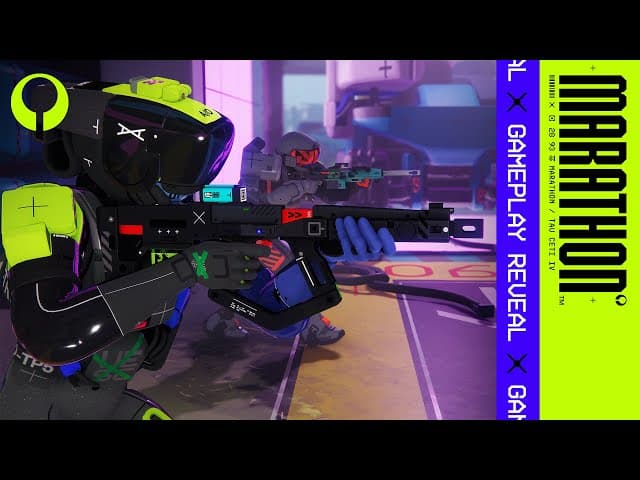
Even if tech metrics look good, extraction shooters live or die on long-term retention. Marathon will be a live-service title—Bungie has confirmed plans for seasonal content, in-game currencies, and cosmetic monetization. The test’s runner shells likely represent early cosmetic tracks. The risk lies in balancing free progression against paid unlocks. Destiny’s community has grown wary of grind-heavy seasons, so Marathon will need a tighter, more transparent reward curve to keep players invested without feeling nickel-and-dimed.
Server stability is another elephant in the room. Bungie’s last generation faced Destiny 2’s launch-day login queues and matchmaking hiccups. Marathon’s tech test is a stress test for both matchmaking and extraction server persistence. If players regularly disconnect mid-run or extraction data fails to sync, that could spell bad reviews at launch. The NDA won’t prevent disgruntled testers from flooding Bungie’s feedback portal—but it might keep public rancor muted until the studio addresses core issues.
This Oct 22–28 tech test isn’t the moment Marathon wins hearts and minds—it’s the lab work before the showcase. By going dark, Bungie aims to fix core gameplay and technical stability quietly, rebuild community trust after delays and shakeups, and ensure its extraction formula sings. If runner shells feel distinctive, proximity chat sparks authentic player stories, and solo queue combats third-party frustrations, Marathon could become the extraction shooter Bungie’s pedigree promises. But if TTK still feels muddy, extracts turn into coin-flips, or server hiccups persist, Bungie will have to head back to the drawing board before a public reckoning. This silent beta may not satisfy your thirst for flashy reveals, but it might just chart the healthiest path to Marathon’s triumphant return.
Get access to exclusive strategies, hidden tips, and pro-level insights that we don't share publicly.
Ultimate Gaming Strategy Guide + Weekly Pro Tips