
Is March of Empires Finally Lag-Free on UE5?
Game intel
March of Empires
A MMO/Strategy game from Gameloft.
Is March of Empires Finally Lag-Free on UE5?
I’ll admit it: when Gameloft teased “game-changing upgrades” for March of Empires, I was more than a little skeptical. After all, a decade of half-baked patches left many of us rolling our eyes. But now that the July 2025 Unreal Engine 5 migration is live, I’ve spent the last week rallying armies, testing server merges, and pushing my phone (and patience) to the limit. Could this medieval strategy MMO finally deliver the performance boost lag-weary veterans—and wary newcomers—have been begging for?
Game Snapshot
- Title: March of Empires
- Developer/Publisher: Gameloft
- Genre: Free-to-play medieval strategy MMO
- Original Launch: 2015
- UE5 Migration: July 2025
- Platforms: iOS, Android, Microsoft Store (PC)
- Active Players: 10M+ (mid-2025)
Why UE5 Matters for a Ten-Year-Old MMO
Bringing a 2015-era mobile MMO into the Unreal Engine 5 era isn’t just tweaking textures—it’s tearing out the engine’s foundation and rebuilding it around modern architecture. For March of Empires, that meant rewriting rendering pipelines, retooling server code, and re-optimizing data streaming to handle dozens of massive alliance battles without turning into a slideshow.
From early internal benchmarks, Gameloft is touting up to 70% less lag during high-traffic server merges. That’s huge when you consider how often alliances collide over world bosses or kingdom borders. But benchmarks aren’t battles—so I dove in headfirst.
Under-the-Hood Overhaul
- Server Architecture: UE5’s advanced networking layer promises smoother sync between regional nodes, cutting out the worst spikes during world events.
- Asset Streaming: Dynamic streaming of textures and models means fewer pop-ins and stutters when you zoom from map view into your castle walls.
- Memory Management: Garbage collection and resource pooling have been retooled for longer siege sessions without sudden crashes on mid-range devices.
Performance & Visual Upgrades in Action
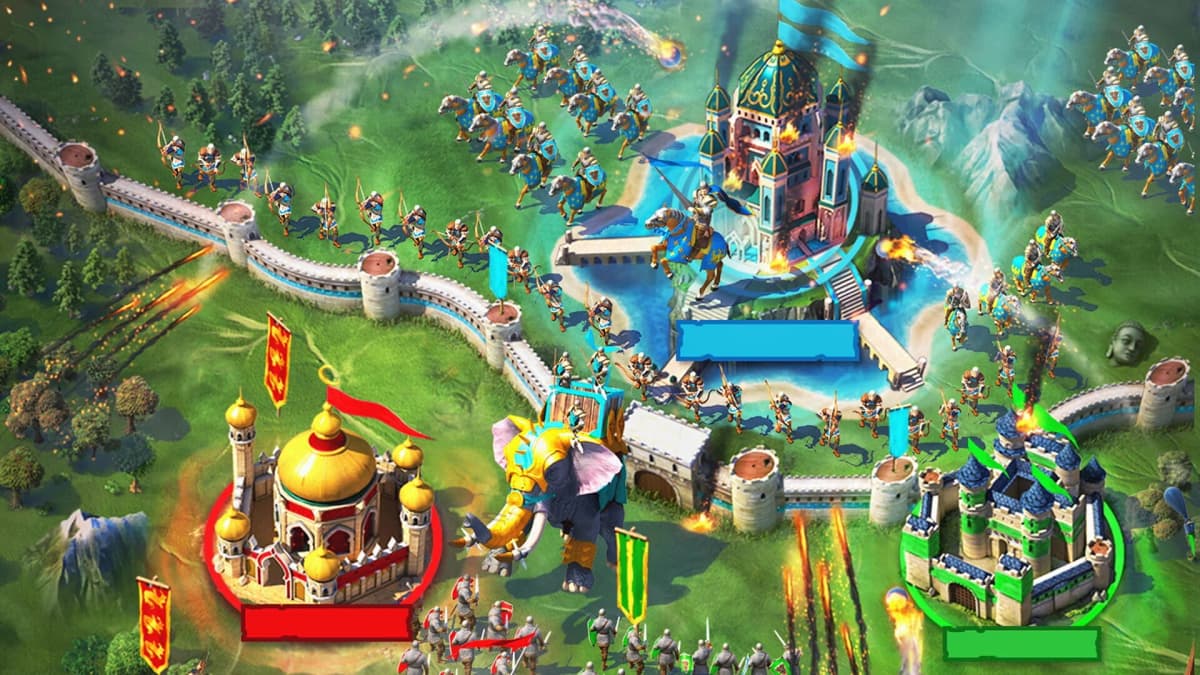
On paper, “up to 70% less lag” looks great—but I wanted real-world proof. So I queued up a mid-map alliance clash with over 400 players. During the first wave, my phone barely broke a sweat: frame rates hovered around 45–50 FPS instead of plummeting into the teens. Siege animations felt crisp, and troop formations marched without the usual teleporting glitch.
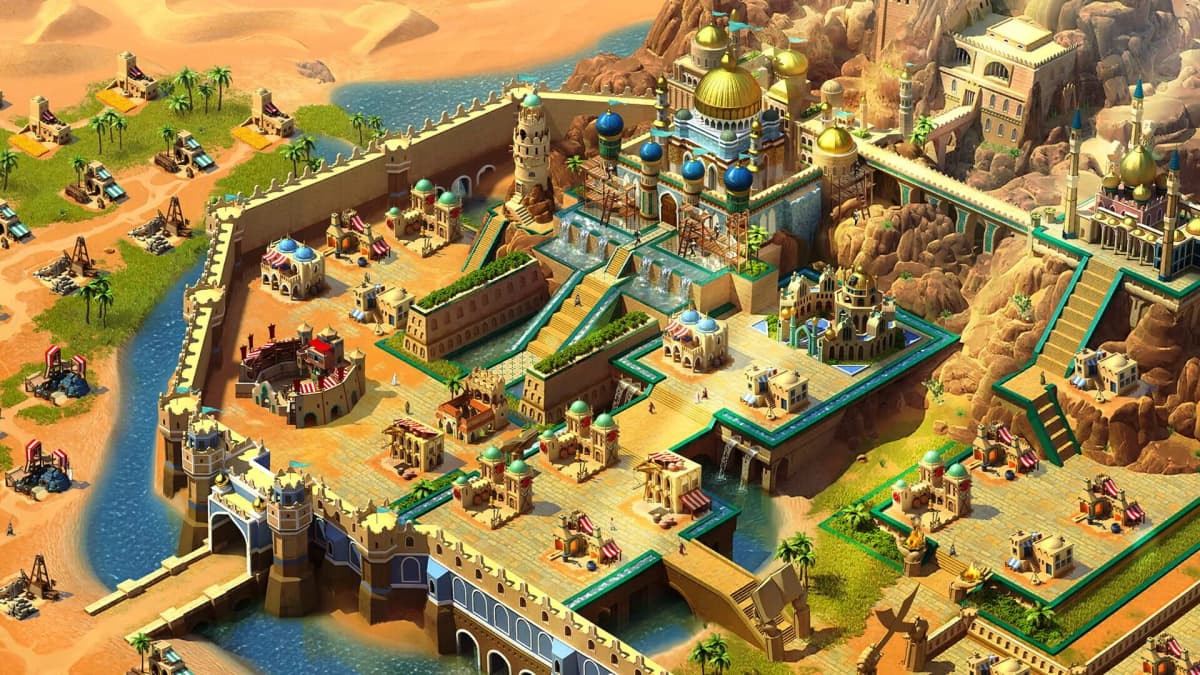
Visually, the upgrade is unmistakable. Dynamic lighting casts realistic shadows as trebuchets arc overhead, and textures on stone battlements now sport sharper edges and richer detail. It’s not Destiny-level photorealism, but for a mobile MMO that once looked dated, UE5 breathes fresh life into every castle keep.
Want to Level Up Your Gaming?
Get access to exclusive strategies, hidden tips, and pro-level insights that we don't share publicly.
Ultimate Gaming Strategy Guide + Weekly Pro Tips
Real-World Siege Experiences
That said, not every massive battle is entirely smooth. On older Android models and entry-level iPhones, I still saw occasional frame dips when cameras panned across hundreds of units. And while server merges are far more reliable, peak-hour world boss events can still trigger brief micro-stutters as the engine handles alliance buffs and real-time physics.
My tip? Tweak your graphics slider down one notch if you’re running lower-end hardware, and disable post-processing effects in your settings. You’ll lose a bit of bloom, but maintain a steadier frame rate throughout the bloodiest clashes.
Balancing Beauty, Stability & Monetization
Smoother performance is only half the story. A truly satisfying upgrade also depends on balanced gameplay and fair monetization. So far, Gameloft has kept the core progression mechanics intact: power-ups, research queues, and champion gear follow the same free-to-play economy. The company promises to monitor spending patterns closely to avoid “pay-to-win” pitfalls that fractured community trust in the past.
Future patches are already slated to refine siege tactics, adjust alliance cooldowns, and introduce new dynamic events that leverage UE5’s world-building tools. If Gameloft follows through, March of Empires could sustain its resurgence beyond this initial performance boost.
Should You Return?
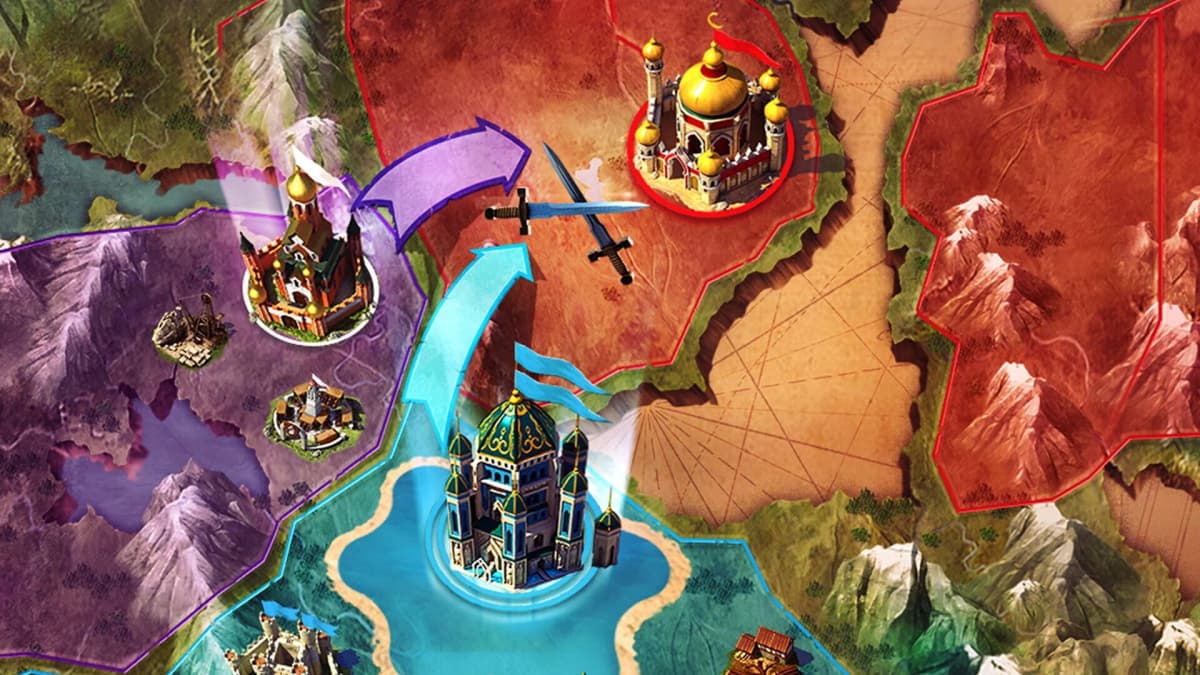
If laggy skirmishes and endless stutters drove you from your medieval throne, UE5’s overhaul might be the redemption arc you’ve been waiting for. The battlefield feels smoother, the graphics sharper, and the promise of stable servers real. Alliance warfare now plays out more like a living tapestry of clashing banners than a malfunctioning photo slideshow.
Casual players will appreciate the prettier vistas and fewer crashes. Competitors seeking every edge will welcome the reduction in frame-time unpredictability. As long as Gameloft keeps post-upgrade support responsive and resists over-monetizing, logging back in could feel like joining a brand-new kingdom rather than revisiting a relic.
Bottom Line
Unreal Engine 5 has transformed March of Empires from a ten-year-old strategy MMO into a revitalized medieval battleground. With up to 70% less lag, enhanced visuals, and more consistent server merges, it’s the most dramatic upgrade the game has seen since launch. The key now is maintaining that momentum—if Gameloft can balance stability, gameplay depth, and fair monetization, this could be the start of a lavish new era for loyal commanders and fresh recruits alike.