
This caught my attention because seeing a ten-year-old kart racer add millions of sales during a console transition is rare – and it tells us something real about player behavior, Nintendo’s strategy, and the staying power of well-made multiplayer games.
Table of Contents (6)
Mario Kart 8 Deluxe’s Astonishing 2.39M Sales Surge and What It Means
- Nintendo reports Mario Kart 8 Deluxe sold 2.39 million copies between April-December 2025, lifting its lifetime Switch total to ~70.59 million – still the platform’s best seller.
- The bump isn’t nostalgia alone: Switch hardware bundles, completed Booster Course Pass DLC, holiday discounts and a healthy online community all amplified replay value.
- Result: fuller lobbies, a hotter competitive meta, and continued relevance for Mario Kart as Nintendo prepares for the Switch 2 era.
{{INFO_TABLE_START}}
Publisher|Nintendo
Release Date|April 28, 2017 (Mario Kart 8 Deluxe release)
Category|Racing
Platform|Nintendo Switch
{{INFO_TABLE_END}}
Why the numbers matter beyond a headline
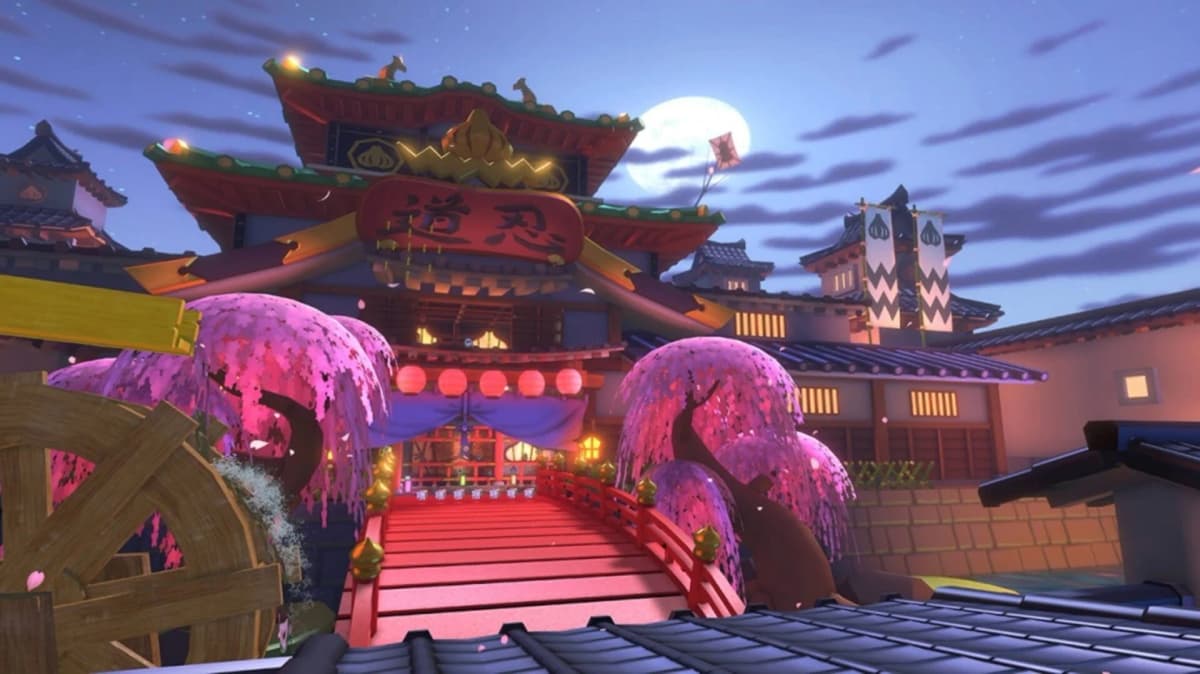
Nintendo’s reported 2.39M gain across nine months during 2025 is notable because it comes when the Switch library is mature and a next-gen system (Switch 2) is launching. That combination usually cools sales of older marquee titles, not inflates them. Instead, Mario Kart 8 Deluxe benefited from several converging forces: hardware bundles over the 2025 holiday, the completion of the massive Booster Course Pass DLC (which kept the map pool fresh), frequent eShop discounts, and an always-online social loop that makes the game an instant multiplayer pick for new owners.
What drove the post-launch surge
Three practical drivers stand out. First, Switch bundles during Black Friday and the winter holidays continue to be Nintendo’s best customer-acquisition tool – many bundles include a digital code or discounted physical copy of Mario Kart 8 Deluxe, turning new console buyers directly into kart racers.
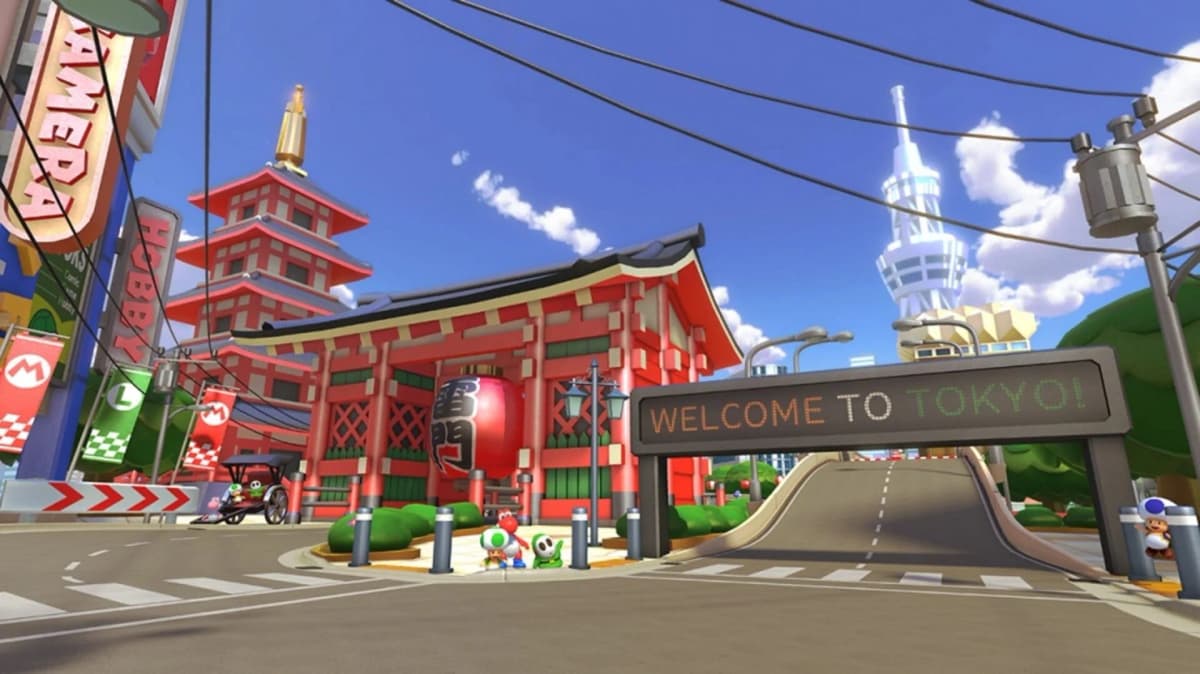
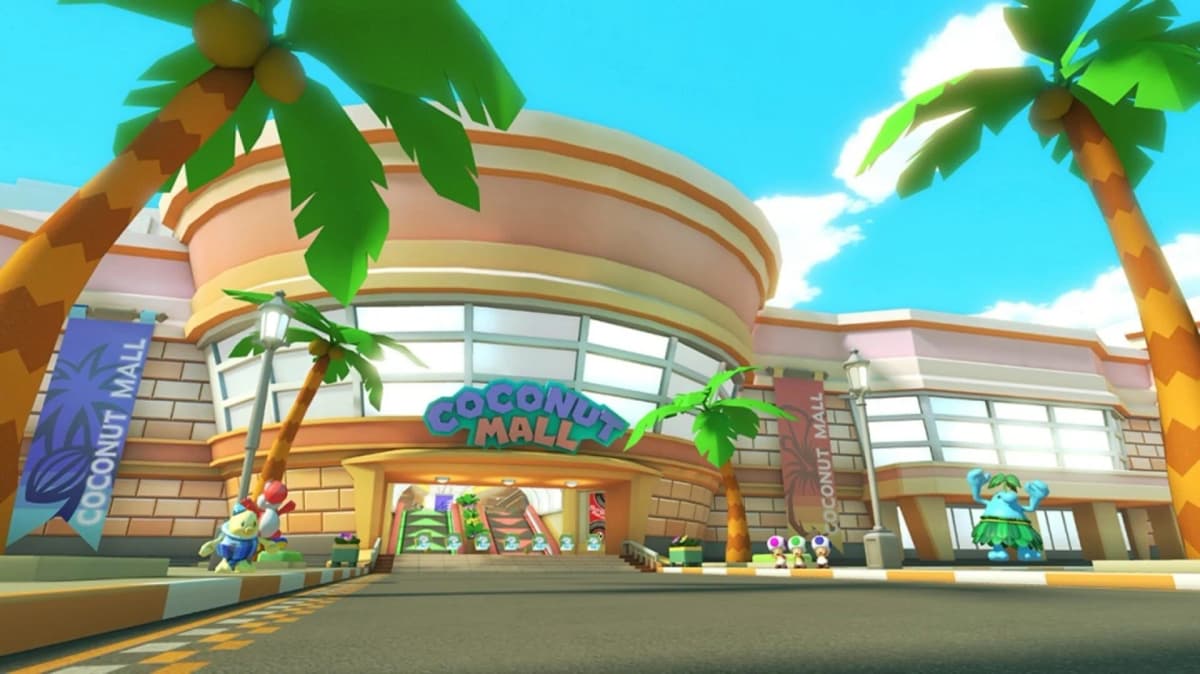
Second, the Booster Course Pass — rolled out over 2023-2025 — steadily refreshed track variety and headline moments, pulling lapsed players back into the game. When a platform-holder sells both hardware and DLC content, evergreen titles can enjoy fresh sales surges long after release.
Third, community activity: streamers, tournament organizers, and grassroots Discord servers kept the competitive and social scenes vibrant. That matters more than marketing claims — a healthy multiplayer scene lowers the friction for a new owner to buy and play immediately.
How this changes player experience and the competitive scene
For players, the immediate effect is better matchmaking and fuller public lobbies across time zones. For competitors and content creators, sustained player counts justify tournaments, prize pools, and continued investment in community events. Expect the meta to remain active into 2026: no new mainline Mario Kart has shipped to supplant Deluxe, and Switch 2’s backward-compatibility promises mean the title will likely stay relevant on new hardware.
What this means for Nintendo and the wider market
Commercially, Mario Kart 8 Deluxe’s continued sales reduce pressure on Nintendo to rush a sequel or remake. Strategically, it underscores Nintendo’s advantage: software that sells hardware, and hardware that sells software. For competitors, it’s a reminder that one excellent, multiplayer-first title can dominate a platform for years if supported with content, pricing, and community-friendly tactics.
TL;DR — The essentials for racers and observers
Mario Kart 8 Deluxe selling ~2.39M more copies in late 2025 is a sign of durability not just nostalgia. Bundles, DLC, discounts, and an active multiplayer ecosystem combined to keep the game engaging and visible. For players, that means fuller lobbies and a rich competitive scene into 2026; for Nintendo, it means an evergreen cash cow that smooths the transition to Switch 2.
FinalBoss // Gear
Level up your setup
01Racing wheels (PC & PS5)on Amazon→02High-refresh gaming monitorson Amazon→03Gaming chairson Amazon→04Discounted game keyson Kinguin→Affiliate links · As an Amazon Associate, FinalBoss earns from qualifying purchases.
Want to Level Up Your Gaming?
Get access to exclusive strategies, hidden tips, and pro-level insights that we don't share publicly.
Ultimate Gaming Strategy Guide + Weekly Pro Tips