
Table of Contents (8)
The moment Mario Kart World made me do the math
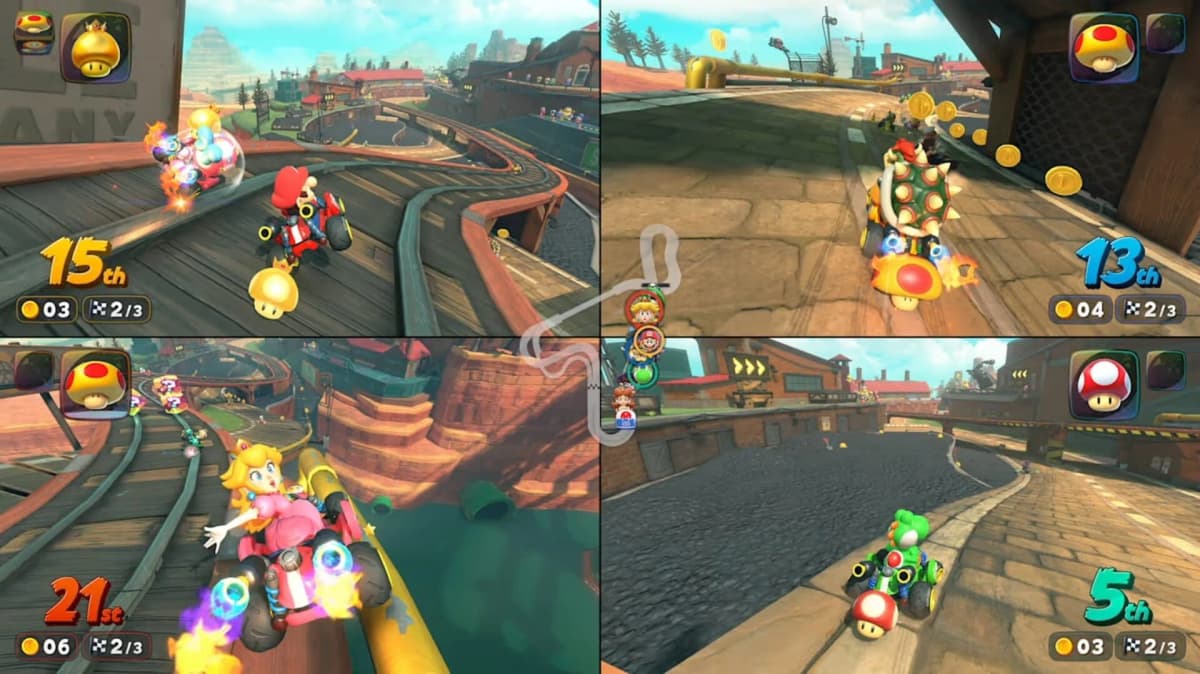
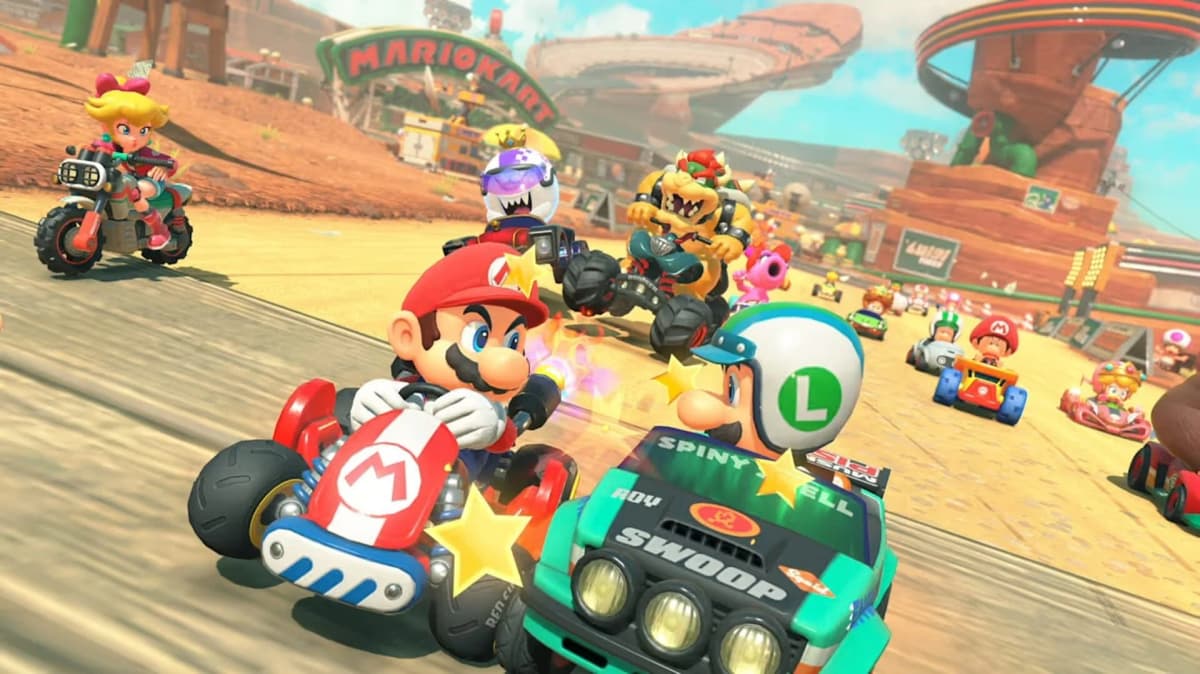
Mario Kart World broke me.
Not because it’s bad. It’s the opposite problem. Sitting on a friend’s couch, drifting through a new track while a blue shell ruined my life for the thousandth time, I had that sinking, annoying realization: I was going to buy a Switch 2. Not “someday.” Not “when the price drops.” Now.
I’ve been stubborn about this box. $449.99 for the Switch 2 at launch in June 2025 already felt steep for what’s basically Nintendo’s hybrid philosophy refined, not reinvented. Then there were delayed U.S. preorders because of China tariffs, the whole manufacturing pivot to Vietnam, and the weird stop-start launch window. It didn’t scream “drop everything and buy this thing.”
But on that couch, with Mario Kart World doing exactly what Nintendo games always do to me-weaponizing comfort, chaos, and dopamine-I looked at everything happening to console pricing right now and realized something grim: waiting is probably the more expensive option.
I don’t like that conclusion. It feels like letting the industry win. But looking at Sony jacking the PS5 Pro from around $750 to $900, Nintendo quietly nudging game prices around, AI hoovering up component supply, and tariffs hanging over everything, this is the rare case where “buy now” isn’t FOMO-it’s damage control.
Console pricing used to be simple. Now it’s a moving target.
I grew up in an era where console pricing was mostly a one-way street: launch high, then slowly walk down over the generation. The PS2 got cheaper. The GameCube got cheaper. The original Wii basically became a toy aisle staple.
Even the rocky launches followed that pattern. The PS3 famously overreached early, but the story arc was still obvious: wait long enough, prices would come down, bundles would get wild, and the “smart money” was on patience.
That mental model is dead, and Sony just lit the funeral pyre.
In early 2026, Sony didn’t just nudge prices. They nuked them. PS5 hardware across the board went up. The base PS5 jumped to around $649.99 in the U.S. The PS5 Pro rocketed to roughly $899.99. The PS Portal handheld went up too. And the justification was the same corporate word salad we’ve heard for years: “global economic pressures,” tariffs, RAM and component shortages driven by generative AI demand, blah blah blah.
Here’s the bit that matters: a mid-to-late generation price increase on a mature console line used to be unthinkable. Now it’s precedent.
The second that happened, the old advice of “just wait, hardware always gets cheaper” turned into wishful thinking. The floor dropped out. If Sony can get away with it—and they clearly think they can—every platform holder has cover to treat RRP like a live service: tweakable, seasonal, responsive to whatever pressure they can point at this quarter.
Which brings me back to Nintendo, the Switch 2, and why I’m swallowing my pride and buying the damn thing now.
Switch 2: strong start, messy reality
On paper, the Switch 2’s first year actually looks solid. Roughly 17 million units sold in year one without a brand-new mainline Mario or Zelda is not the behavior of a dying system. The launch window lineup didn’t have a Breath of the Wild-level mic drop, but it didn’t need to. It had something arguably more dangerous for my wallet: consistency.
Mario Kart World, Donkey Kong Bonanza, Metroid Prime 4—Nintendo did the slow-burn, evergreen thing they’ve perfected. The library doesn’t scream “next-gen arms race,” but it whispers, “If you like Nintendo games even a little, you’re never going to lack something to play.”
And yet the hardware story was weird from day one. U.S. preorders were delayed while Nintendo navigated China tariffs and shuffled production to Vietnam. The $449.99 launch price was already a clear step up from the original Switch era. Then the post-launch sales curve reportedly cooled off harder than Nintendo wanted, and suddenly we started hearing about production cuts.
At the same time, Nintendo ended up tangled in a lawsuit over those very tariffs, trying to claw back money from the U.S. government. That case is still hanging over them like a financial weather system—one that could either relieve pressure if they win refunds or tighten the vice if they eat those costs forever.
So on one side, there’s a hybrid console with a growing, genuinely tempting library and a premium $449.99 price point that hasn’t moved yet. On the other, there’s supply chain chaos, AI-driven component strain, legal battles over tariffs, and Sony demonstrating that mid-cycle hikes are officially on the menu.
That’s the background noise humming under every round of Mario Kart World I’ve played. And it’s why my “I’ll wait for a sale” instinct is starting to feel more like self-sabotage.
Nintendo’s game pricing curveball: digital winners, physical losers
If it were just hardware, I’d still be tempted to gamble. But Nintendo tipped their hand on how they think about price elasticity when they announced a new, format-based game pricing model for Switch 2 software.
Starting May 2026 with Yoshi and the Mysterious Book preorders, digital and physical versions of first-party games won’t share the same MSRP anymore. Digital will be cheaper. Physical will cost more—sometimes a lot more.
The ballpark numbers floating around are something like:
- Digital: around $59.99-$60 USD for a standard first-party title
- Physical: around $69.99-$70+ USD as the new “normal”
- High-end physical exclusives: potentially hitting $80 MSRP
Is that radically different from where Switch 2 prices were drifting anyway? Not entirely. Nintendo’s been playing in the $60–$80 range since launch, and the prices have felt “all over the place” even to people paying close attention.
The difference now is the framing. “We’re charging more for physical because it actually costs more to make and ship” is a clean narrative. It’s also convenient cover for formalizing premium price points.
As a mostly-digital buyer at this point, that announcement put me in a weird spot. On paper, I benefit. The strategy functionally says: if you’re okay living in Nintendo’s digital ecosystem, prices are going to look closer to the old $60 standard again. But if you still love owning boxes, carts, and steelbooks, congratulations: you just got marked as a luxury buyer.
It’s incredibly on-brand for this industry that the “reward” for not fueling plastic waste is getting gouged another way. But it also reveals a mindset. Nintendo isn’t afraid of fragmented pricing. They’re not afraid to treat format, region, and timing as levers to pull money out of the most committed segments of their audience.
Once a company shows they’re comfortable with that kind of variable pricing on software, it becomes a lot harder to trust that the hardware sticker is some sacred line they’ll never cross.
Will Nintendo actually hike the Switch 2 price? The honest “I don’t know”
Here’s the problem with a lot of hot takes about this stuff: they pretend certainty where there is none. So let’s be blunt.
Right now, there is no confirmed Switch 2 hardware price increase. Nintendo’s official moves have all been about software pricing, not the console itself. If anyone tells a clean, guaranteed story about an incoming $499.99 or $549.99 Switch 2, they’re guessing.
But that doesn’t mean the risk isn’t real.
- Component costs are under pressure from AI and data centers chewing through RAM and chips.
- Tariffs are still a wild card, with Nintendo actively litigating for refund relief from earlier hits.
- Production cuts after softer-than-hoped sales mean Nintendo has less volume to spread fixed costs over.
- Sony has broken the psychological barrier of mid-cycle hikes and hasn’t been punished enough to scare others off.
On the other hand:
- Nintendo’s brand is built around being the “family” option, not the ultra-premium, water-cooled, ray-traced monster box.
- Parents buying a Switch 2 for Mario Kart World or the inevitable 3D Mario are already wincing at $449.99; pushing that even higher risks killing impulse purchases.
- Game pricing tweaks might be their way of squeezing more ARPU out of existing hardware without touching the console MSRP at all.
So there’s a genuine tension. Nintendo might hold the line on hardware to keep the family-friendly optics intact and quietly use software and format pricing to do the dirty work instead. Or they might watch Sony get away with it and decide, six months after losing that tariff lawsuit or facing another component spike, that $449.99 isn’t cutting it anymore.
That uncertainty is exactly why I’ve grudgingly come around to a very un-romantic stance: if a Switch 2 is going to be bought in the next year or so, buying it now is the less risky move.
Why I’m buying a Switch 2 now instead of gambling on the future
After a couple dozen hours of Mario Kart World, some time with Metroid Prime 4, and way too much browsing of the eShop, here’s where I’ve landed for myself.
- The current $449.99 feels like a stable “for now” price, not a promise. With tariffs unresolved and AI warping component costs, the upside on waiting for a drop is tiny compared to the downside of getting blindsided by a hike.
- The library is already there for how I play Nintendo systems. I don’t need a fresh Mario or Zelda to justify the hardware anymore. Mario Kart World alone is a system I know I’ll come back to for an entire generation.
- Digital-forward pricing actually works in my favor. I’ve made peace with digital for Nintendo platforms. The idea that I can keep snagging first-party titles closer to $60 while physical creeps to $70–$80 means the long-term software cost of ownership doesn’t look as bad as the headlines suggest—for my specific habits.
- Production cuts spook me more than they reassure me. A company reducing output on a console that’s only a year or so old isn’t gearing up for a big value drop. They’re protecting margins and scarcity, not setting up a fire sale.
If I was still all-in on physical collecting, that calculus would change. The writing on the wall for those players is nasty: special editions creeping toward $100+, standard physicals becoming a luxury tier, resellers circling like vultures the second a print run ends. The whole thing feels like a slow-motion squeeze on anyone who still likes shelves that actually look like something.
But as someone who mostly wants a stable box to play evergreen Nintendo titles on, the least bad time to bite the bullet looks like “before May’s new pricing kicks in, and before Nintendo has any more external excuse to revisit hardware RRP.”
If this is the plan, there are a few key watchpoints
Even after deciding to buy, I’m keeping an eye on a few specific milestones. Because this isn’t just about my wallet; it’s about reading where console pricing is headed for everyone.
- May 2026 – Yoshi and the Mysterious Book preorders: The exact digital vs physical MSRP split here will set the template. If digital really locks in at around $59.99 while physical goes $69.99 or higher, that’s the new normal, not an experiment.
- Nintendo’s Q2 2026 earnings: If Switch 2 sales stay soft despite production cuts, that’s when the temptation for “strategic price adjustments” on hardware starts whispering in boardrooms. Watch the language very closely.
- The outcome of Nintendo’s tariff lawsuit: A win with meaningful refunds could take some heat off. A loss or weak settlement keeps pressure on margins and raises the odds of recouping those costs somewhere else—like hardware MSRP.
Those three checkpoints will say more about the future of Switch 2 pricing than any leak, rumor, or vibes-based YouTube rant.
This feels like gaming in 2026: enjoy it now, brace for impact later
There’s something deeply messed up about the position console makers have put players in. The industry has twisted “when should I buy?” from a fun timing question into a hedge against financial risk.
On PS5, the lesson was brutal: people who waited for a cheaper Pro got slapped with a more expensive one instead. On Switch 2, Nintendo is running a different experiment: leave the hardware price alone (for now), fiddle aggressively with software and format pricing, and see how much elasticity there really is among digital users, collectors, and families.
Console gaming used to feel like a relatively stable hobby. You bought a box, you knew roughly how much games cost, and the biggest surprise you got was some store-exclusive pre-order skin. Now it feels like sitting at a table where the house keeps changing the rules mid-hand and daring anyone to stand up.
That’s why my decision to grab a Switch 2 now is so conflicted. On one level, it’s pure self-interest. I want to play Mario Kart World, Metroid Prime 4, and whatever inevitably weird new stuff Nintendo’s cooking without staring at price trackers and investor calls for three years.
On another level, it feels like quietly accepting a future where “buy early before they raise the price” is just part of the hobby’s baseline logic. It’s the same gross feeling I had grabbing a PS5 before Sony’s latest hike—not joy, just relief at dodging a bullet that never should have been fired in the first place.
So that’s where things are for me: caught between frustration with how nakedly exploitative console pricing is becoming and a genuine love for the games that are trapped inside these systems. I’m going to end up with a Switch 2 and a digital copy of Mario Kart World, enjoying the hell out of them while watching every future price announcement with narrowed eyes.
That contradiction—loving the experience, distrusting the economics—isn’t going away any time soon. And if anything sums up what it feels like to be a console gamer in 2026, it’s probably that.
FinalBoss // Gear
Level up your setup
01Racing wheels (PC & PS5)on Amazon→02High-refresh gaming monitorson Amazon→03Gaming chairson Amazon→04Discounted game keyson Kinguin→Affiliate links · As an Amazon Associate, FinalBoss earns from qualifying purchases.
Want to Level Up Your Gaming?
Get access to exclusive strategies, hidden tips, and pro-level insights that we don't share publicly.
Ultimate Gaming Strategy Guide + Weekly Pro Tips