
Marvel Heroes was supposed to be gone for good in 2017. Instead, nine years later, it now exists in a form that’s arguably more resilient than when Gazillion and Marvel were in charge: open-source servers, offline play, and a growing network of player-run shards that don’t depend on a single company’s next quarterly report.
- A full 1.0 server emulator now exists for Marvel Heroes, allowing stable online and solo play using the original PC client.
- Project T.A.H.I.T.I., the first major public server, launched so hard it needed queues and a second shard, with over a thousand players piling in at peak.
- You can run Marvel Heroes entirely on your own hardware via the GitHub emulator and archived game files, including LAN and “offline” play.
- This is a test case for game preservation and IP control at a moment when emulator lawsuits and rogue servers are back under the legal microscope.
Table of Contents (8)
A dead MMO now runs more like preserved software than a live-service product
The core of this resurrection is MHServerEmu, an open-source server emulator that quietly hit version 1.0 after years of volunteer development. The project – led by community developer Crypto137 and contributors – has spent multiple versions climbing from “you can log in and run around” to a feature set that now includes loot drops, affixes, dynamic events, tutorials, and core ARPG progression.
Practically, it means you can take the final PC build of Marvel Heroes Omega – rescued from Steam libraries and archival mirrors like the Internet Archive – point it at MHServerEmu instead of Gazillion’s defunct backend, and play. No official servers, no launcher, no corporate infrastructure. Just your own machine and a fan-made service layer.
The emulator supports two modes that matter for long-term preservation:
- Solo/local server: Download MHServerEmu from GitHub, run
start_server.bat(which spins up a local Apache stack and the game services), create an account in the local web interface, then launch the client viastart_client.bat. Once configured, you can effectively play Marvel Heroes as a singleplayer ARPG or LAN game as long as you keep the binaries. - Remote/multiplayer server: The same tech lets anyone host a shard for others to join, which is how we get public projects like Project T.A.H.I.T.I., plus smaller servers being quietly tracked via a community Pastebin list.
This is the opposite of how Marvel sunset the game in 2017. When Disney yanked the license and Gazillion shut down, there was no offline mode, no sunset build, no way to keep playing. Once the official servers died, your heroes and your purchases died with them.
Now, the community has effectively built the “archive mode” that should have existed from day one. Even if every public server goes dark, anyone who grabbed the emulator and a copy of the client can keep the game running indefinitely. For live-service preservation, that’s a milestone.
Project T.A.H.I.T.I. proves Marvel Heroes still had an audience
On top of the tooling, there’s the part that publishers usually underestimate: demand. Project T.A.H.I.T.I., the first major public server built on MHServerEmu 1.0, flipped the switch last weekend and immediately ran into what MMO developers politely call “success problems.”
Massively Overpowered reports that T.A.H.I.T.I.’s launch drew over 1,300 concurrent players at peak, with queues reportedly cresting even higher. The volunteer devs had previously said they weren’t planning to enable queueing; the traffic forced their hand. Suddenly, this rogue server had a very real MMO launch on its hands: login issues, account-creation bugs, restarts, even a database wipe as the team fought fires.
The team’s own summary was brutal and honest: “With a proper, Gazillion-like, efficiency and certainty, we launched. And it went relatively horrible.” They followed it with apologies to everyone affected – and a pointed aside aimed at the people making their moderators’ lives a misery during the chaos.
As launch-week dust settled, Discord chatter cited by Massively OP suggests that stability has improved, login issues have eased for many, and the team is now spinning up a second server to handle demand. In other words: the game wasn’t just missed, it was missed enough to crush a volunteer-run infrastructure on day one.
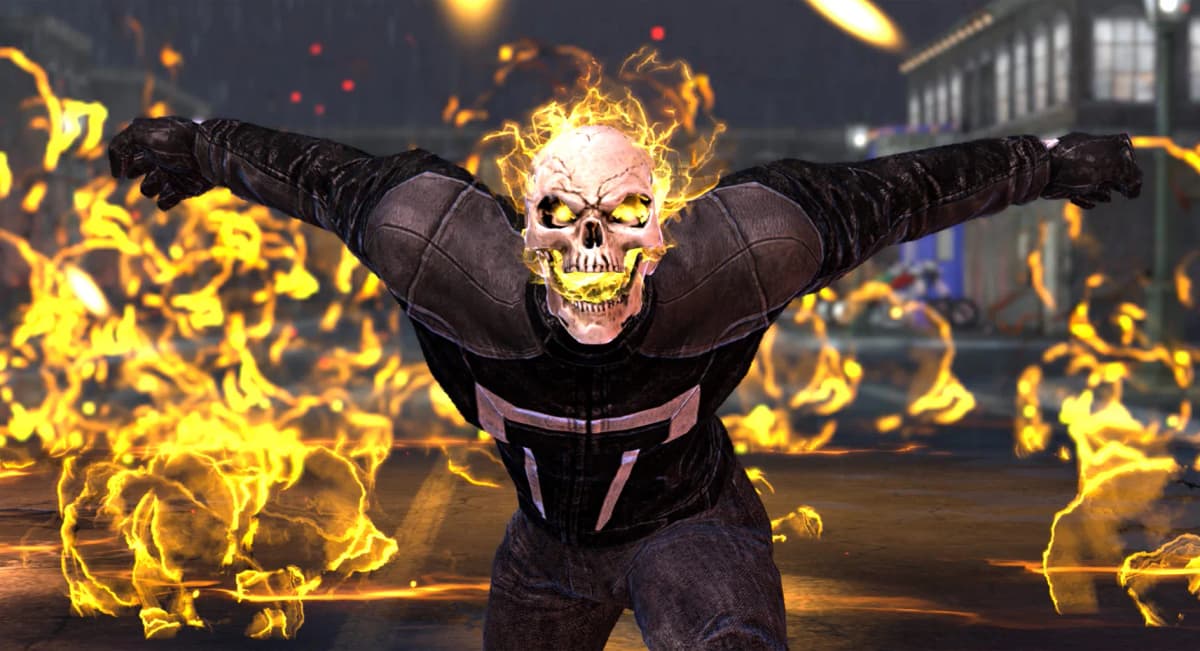
Access isn’t complicated, either. If you owned Marvel Heroes on PC, you can reinstall it from your Steam library. Players join T.A.H.I.T.I. by creating an account on the server’s site and launching the client with a custom parameter that points it at a new SiteConfig.xml. It’s not plug-and-play console simplicity, but for PC players used to private servers and modded launchers, it’s straightforward enough to scale.
The queue numbers matter because they explode a comforting myth publishers like: that when they shut an online-only game down, it’s because “no one was playing.” T.A.H.I.T.I. shows there were at least thousands of people ready to come back the moment they had a viable way in.
Fans are doing the preservation work publishers wouldn’t
Both the emulator and servers like T.A.H.I.T.I. sit in a broader pattern. When online games are killed off, it’s rarely the original developer that preserves them. It’s City of Heroes’ Homecoming. It’s Star Wars Galaxies emulators. It’s rogue shards of older EverQuest rulesets. And now it’s Marvel Heroes – a licensed, microtransaction-driven ARPG built around the Marvel brand.
The uncomfortable truth is that corporate incentives run against preservation. Gazillion couldn’t ship an offline mode because the business model was selling costumes and boosts through servers they controlled. Marvel and Disney had no reason to commission a “museum build” once they decided the license wasn’t worth the trouble. The game became valueless to them the second the revenue stopped.
For players, the value wasn’t just revenue. It was a Diablo-like ARPG with 20+ playable heroes – Spider-Man, Thor, the usual Marvel roster – and a specific feel that no other game has really replicated. That’s why MHServerEmu’s earlier versions (like the 0.4.0 branch, which got core systems like drops and events working) quietly built a following long before 1.0. YouTube was already full of install guides in 2024, Discord servers were walking people through LAN setups, and crucially: Disney didn’t intervene.
For players, the value wasn’t just revenue. It was a Diablo-like ARPG with 20+ playable heroes – Spider-Man, Thor, the usual Marvel roster – and a specific feel that no other game has really replicated. That’s why MHServerEmu’s earlier versions (like the 0.4.0 branch, which got core systems like drops and events working) quietly built a following long before 1.0. YouTube was already full of install guides in 2024, Discord servers were walking people through LAN setups, and crucially: Disney didn’t intervene.
🎮 Get This Game at the Best Price
Compare prices instantly and save up to 80% on Steam keys with Kinguin — trusted by 15+ million gamers worldwide.
*Affiliate link — supports our independent coverage at no extra cost to you
The current ecosystem is deliberately decentralized. Project T.A.H.I.T.I. is the flagship server, but that Pastebin tracking other servers exists for a reason. If one shard goes down – for technical or legal reasons – others can step in. Anyone with enough bandwidth, patience, and community trust can host their own slice of the Marvel Heroes multiverse.
If you’re a preservationist, this is the success condition: game logic reconstructed, assets archived, and the ability for future players to run it without asking permission. The fact that this had to be built in spite of the original stakeholders, not with them, is the indictment.
The legal gray zone Disney now has to decide how to handle
On Massively OP’s podcast this week, hosts Bree and Justin framed T.A.H.I.T.I. bluntly as a “rogue server relaunch” and put it in the same breath as the recent conclusion of the EverQuest emulator lawsuit. That’s the other shadow hanging over Marvel Heroes’ comeback: this is all built on someone else’s IP.
Technically, MHServerEmu is clean(er) than a straight server leak. It’s new code, written from scratch to replicate how Gazillion’s servers behaved. But to actually play the game, you still need Marvel’s copyrighted assets and trademarks – character models, logos, story content – which remain under Disney’s control.
Historically, we’ve seen three broad corporate responses to this kind of thing:
- Active suppression: cease-and-desists and lawsuits, as we’ve seen around certain World of Warcraft and EverQuest emulators in the past.
- Quiet tolerance: a blind eye turned to non-commercial, fan-run servers once a game is long dead and out of print.
- Official embrace or replacement: rare, but it happens when companies launch classic servers or reissues themselves, undercutting the need for rogue projects.
Marvel Heroes doesn’t fit neatly into the third category. There’s no sign Marvel or Disney intend to revive it officially, and rebuilding a modern, licensed ARPG around this codebase would be a licensing nightmare. That leaves the first two options: crack down, or live with it.
So far, the company has effectively done nothing. Emulator development has been public on GitHub for years. Setup guides are on YouTube. Discord servers are open. Now, with T.A.H.I.T.I. drawing thousands of players, that quiet tolerance is finally being tested at scale.
If I had one question for a Marvel or Disney PR rep, it would be simple: Are you prepared to formally allow fan-run servers for dead titles like Marvel Heroes, or will you reserve the right to shut them down at any time? Because functionally, that’s the choice. Either this becomes part of the unofficial Marvel gaming canon, or it’s a temporary reprieve that ends the second a lawyer decides it’s a brand risk.
For players jumping into T.A.H.I.T.I., that’s the uncomfortable subtext: you’re not just at the mercy of volunteer admins and their hardware, you’re at the mercy of a rights holder who can end the party overnight.
What this says about the future of live-service games
Marvel Heroes’ resurrection isn’t just a feel-good nostalgia story; it’s a warning shot at the entire live-service model. As more games go online-only, more of them will face the Marvel Heroes problem: what happens when the servers are no longer profitable, but players still care?
One path is the way Gazillion and Marvel handled it in 2017: pull the plug, walk away, and pretend the game never existed. The other is the path the Marvel Heroes community just prototyped for them: release enough information – or at least refrain from blocking emulation – so that the game can live on as a community-maintained artifact.
There are models for doing this responsibly. An official “sunset build” with a local server executable. Documentation dumps. Source-code releases where licensing allows it. Even a formal program that lets fan groups apply to run archival shards under clear non-commercial terms.
Publishers will argue that’s expensive, risky, or both. Projects like MHServerEmu quietly demonstrate the counterpoint: fans will do the work anyway, and they’ll shoulder the cost. The only real question is whether they’ll have to do it while looking over their shoulder.
In the meantime, Marvel Heroes has achieved something most dead live-service games never do: it escaped. It’s no longer chained to a single corporate infrastructure or business model. As long as the emulator code, the client files, and a handful of dedicated admins survive, so does the game.
What to watch next
- Project T.A.H.I.T.I.’s stability and scale: How well the server (and its new sibling shard) handle sustained load over the next few weeks will determine whether this feels like a real “return” or just a weekend curiosity.
- MHServerEmu’s roadmap beyond 1.0: Watch the GitHub project and Discord for updates on raid functionality, later endgame systems, and bugfixes. A 1.0 tag doesn’t mean development is done.
- The growth of alternative servers: That Pastebin list of shards will tell you whether a broader ecosystem is forming, or if T.A.H.I.T.I. remains the de facto “main” server.
- Any legal movement from Marvel/Disney: Silence so far doesn’t guarantee tolerance. A DMCA strike on major guides or a C&D to hosting providers would change the picture overnight.
- How other dying live-services react: If you’re running a marginal online-only game right now, Marvel Heroes just showed your community what’s possible. The pressure for official sunset options is only going to increase.
TL;DR
A community-built 1.0 server emulator has brought Marvel Heroes back, with both public servers like Project T.A.H.I.T.I. and fully solo/local play now possible. It’s a rare case of a dead, licensed live-service game escaping corporate shutdown to become a preserved, playable artifact. The next crucial signal will be Marvel and Disney’s response – or lack of one – as player numbers and emulator visibility climb.
FinalBoss // Gear
Level up your setup
01Top-rated gaming headsetson Amazon→02High-refresh gaming monitorson Amazon→03Gaming chairson Amazon→04Discounted game keyson Kinguin→Affiliate links · As an Amazon Associate, FinalBoss earns from qualifying purchases.
Want to Level Up Your Gaming?
Get access to exclusive strategies, hidden tips, and pro-level insights that we don't share publicly.
Ultimate Gaming Strategy Guide + Weekly Pro Tips