

Marvel Rivals is gearing up for a significant system overhaul with the June 26 patch, and this revision has long-time competitive players both intrigued and wary. Netease Games has lowered the bar for surrender votes, allowing teams to end games quicker when the chips are down. On paper, it’s a convenience upgrade—but in a hero shooter built on momentum shifts, will this change erode the very comebacks that keep matches thrilling?
Previously, every player had to agree before a surrender could proceed, meaning one holdout could force a full six-player team to endure a near-hopeless situation. The new “majority rules” system requires only five votes on a full roster, or a simple majority for smaller squads. Teams of four or fewer still need unanimous consent. Matches that once dragged through late-game stalemates or extended blowouts can now conclude more swiftly.
For solo queue warriors or groups tilted after a rough start, the faster exit has clear benefits. No one likes a multi-minute rout, especially when your match time budget is tight. By cutting down the window for uncompetitive play, players can jump into fresh games sooner, reducing frustration and potential toxicity. It also mirrors trends in other MOBAs and shooters, where reducing surrender thresholds helps maintain positive queue experiences.
However, easy surrenders can undermine the “hero shooter comeback.” Marvel Rivals lets you swap roles on the fly—tank to DPS, healer to bruiser—offering strategic pivots that can turn a match on its head. Echoes of League of Legends’ early-game surrender debates and Overwatch’s comeback potential remind us that lowering surrender requirements may encourage teams to tap out before exploring those adaptive plays. We could see a rise in “GG go next” culture, cutting into moments that define competitive lore.
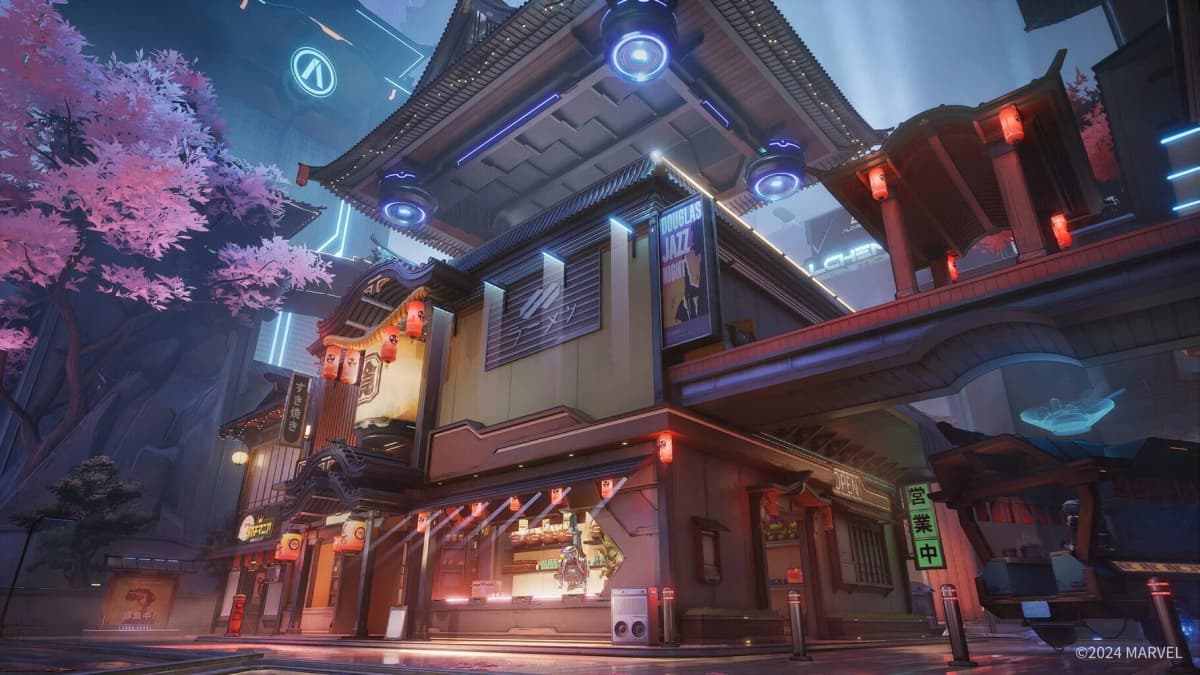
On the plus side, minor bugs impacting Winter Soldier, Magneto, Mister Fantastic, Iron Fist, and Doctor Strange have been patched. While these aren’t sweeping changes, they reflect Netease’s commitment to responding fast to hero issues. Still, the community buzz centers on queue times and matchmaking balance—topics the June patch leaves untouched.
The ultimate question is how this tweak will shape player psychology. Will teams view surrender as a strategic reset or default to it at the first sign of trouble? Historical data from similar systems suggests that surrender rates spike initially, then plateau as the meta adjusts. Tracking those metrics—comeback rates, average game length and tilt-induced quits—will be key for future balance decisions.
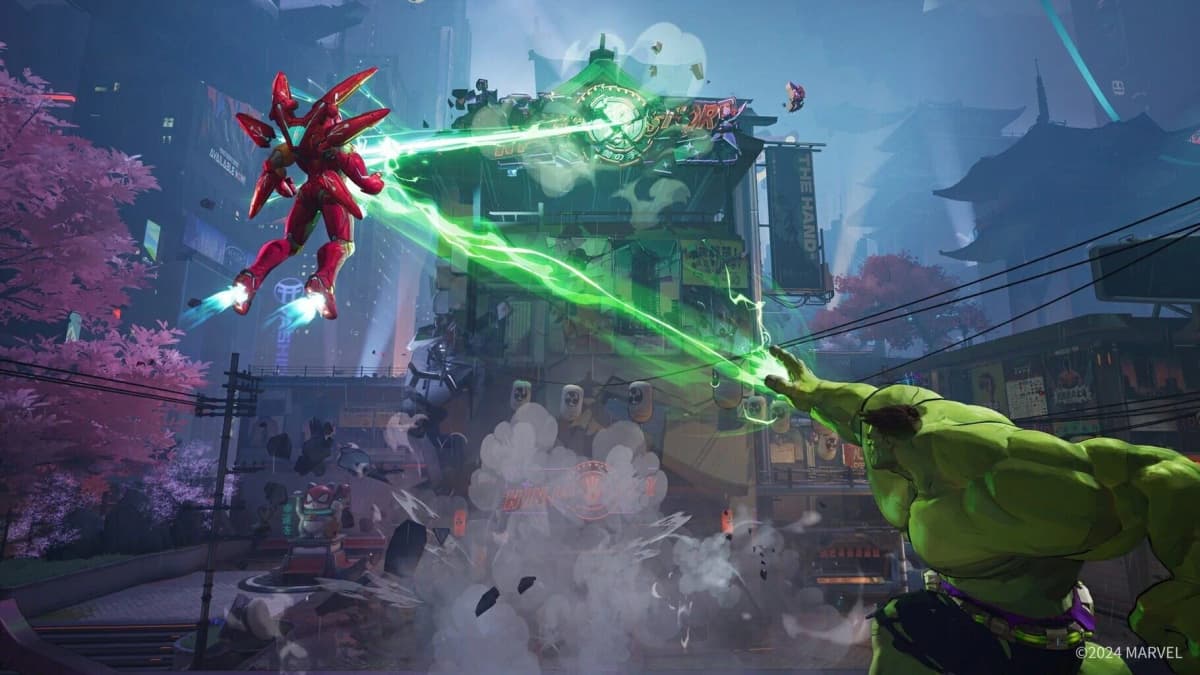
The June 26 patch’s surrender revamp promises leaner queues and fewer lopsided matches, but it also challenges the heroic comebacks that make Marvel Rivals memorable. I’m cautiously optimistic: if players resist the urge to bow out too early and lean into the game’s fluid role mechanics, this change could reduce burnout without sacrificing comeback potential. We’ll keep a close eye on post-patch stats and community sentiment to see if this gamble pays off.
| Feature | Specification |
|---|---|
| Publisher | Netease Games |
| Patch Release | June 26, 2024 |
| Genres | Hero Shooter, Team-Based Multiplayer |
| Platforms | PC (others TBD) |
Get access to exclusive strategies, hidden tips, and pro-level insights that we don't share publicly.
Ultimate Gaming Strategy Guide + Weekly Pro Tips