
Table of Contents (15)
Current Snapshot: 12 Fighters, 4 Stages, 5 Teams Incoming
Marvel Tokon: Fighting Souls is being built around big 4v4 tag teams and loud, multi-part stages, so keeping track of who’s in and where you can fight matters more than in a traditional 1v1 fighter. Right now, the picture is:
- 12 playable characters officially confirmed
- 20-character base roster planned at launch (five teams of four)
- At least four more characters planned as year-one DLC
- Four stages confirmed, all with dynamic transitions mid-match
- PS5 and PC launch on August 6, 2026
Below is a clear breakdown of the confirmed characters, how the teams are shaping up, what the four known stages actually do in play, and what all that means if you’re trying to decide which characters and arenas to watch as the game heads toward release.
How the 4v4 Team System Works
In the EVO Japan demo and recent trailers, matches in Marvel Tokon always revolve around full four-character squads. You do not just pick a point character and an assist; you pick an entire team of four from a predefined group.
- Each team has four fixed members (for example, all four “Amazing Guardians” lock together).
- Only one character starts on screen; others are taggable partners and assist callers.
- As rounds progress, your team’s unlock flow becomes important: certain supers, assists, and team finishers only unlock once enough teammates have been tagged in or specific meters have been filled.
- Control-wise, you can map tag shortcuts in
Options → Controls, which made a big difference for me in the demo – having instant access to my “escape tag” on a shoulder button saved a lot of rounds.
The key thing to understand: you are not assembling custom teams from the full roster (at least in the current builds). Instead, each four-character group is designed as a “mini-squad” with built-in roles: rushdown, zoning, support-style assists, and an anchor with stronger supers or comeback tools. When you look at the confirmed characters below, think in terms of what role they fill inside their team rather than as isolated picks.
Confirmed Characters: All 12 Fighters So Far
Right now, two full teams are public, and four extra characters are confirmed but not yet officially slotted into a named team in marketing materials. Here’s how it breaks down.
The Amazing Guardians (Fully Confirmed Team)
The “Amazing Guardians” are the most trailer-heavy team so far, and they were the easiest to get a feel for in the EVO demo. They play fast, flashy, and very assist-friendly.
- Spider-Man (Peter Parker) – A classic mobile rushdown point character. In the demo he had quick web-zips, air mobility, and simple combo routes that chained easily even on simplified inputs. Great starter pick if you just want to feel how the game flows.
- Ms. Marvel (Kamala Khan) – A mid-range brawler with stretchy normals and big hitboxes. I found her best as a second character: tag her in after Spidey corners someone, then use her extended limbs to keep them locked down while calling assists.
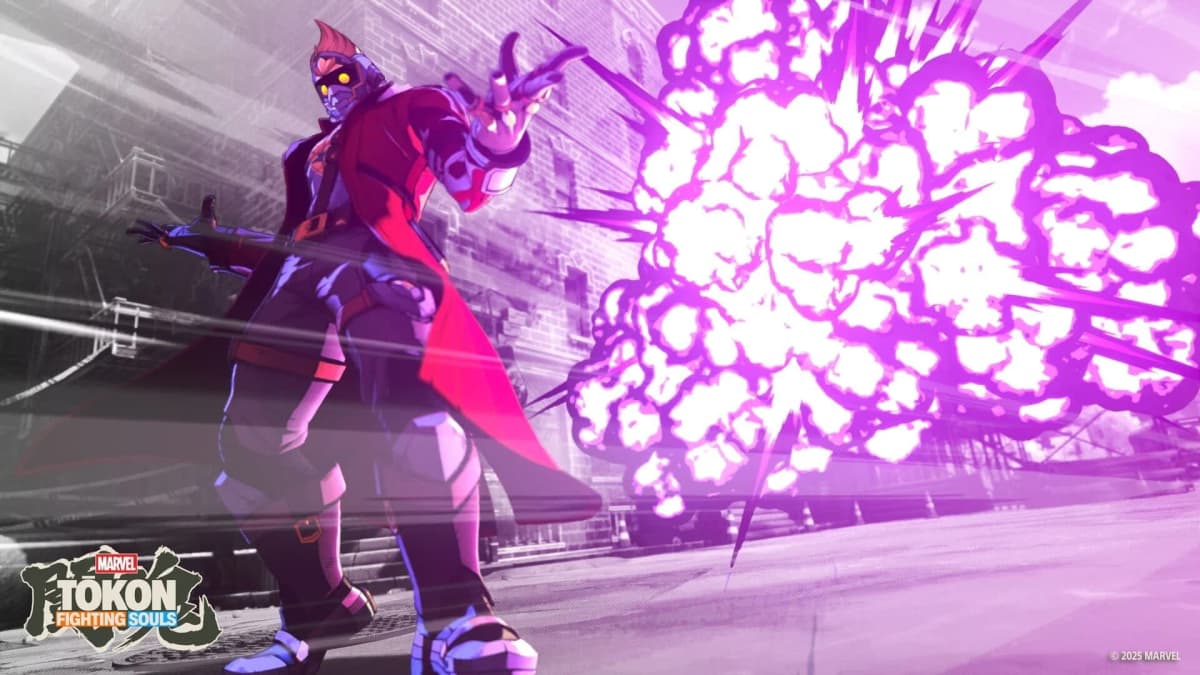
- Star-Lord – More of a hybrid zoner. Blasters, gadget traps, and a few trick movement options. In team play he felt like the one you bring in when you need to slow things down or snipe an over-aggressive opponent.
- Peni Parker (with SP//dr) – The newest reveal. Peni fights from inside SP//dr, and the moveset is packed with gadget rushes, drone-like projectiles and mech swings. In footage and demo builds, she leaned toward a technical, setplay style: place tools, then force opponents to respect delayed hits while your other characters move in.
If you plan to start with a single team at launch, this is the one that already shows a very complete gameplan: mobility from Spider-Man, pressure from Ms. Marvel, zoning control from Star-Lord, and technical traps from Peni.
The Unbreakable X-Men (Fully Confirmed Team)
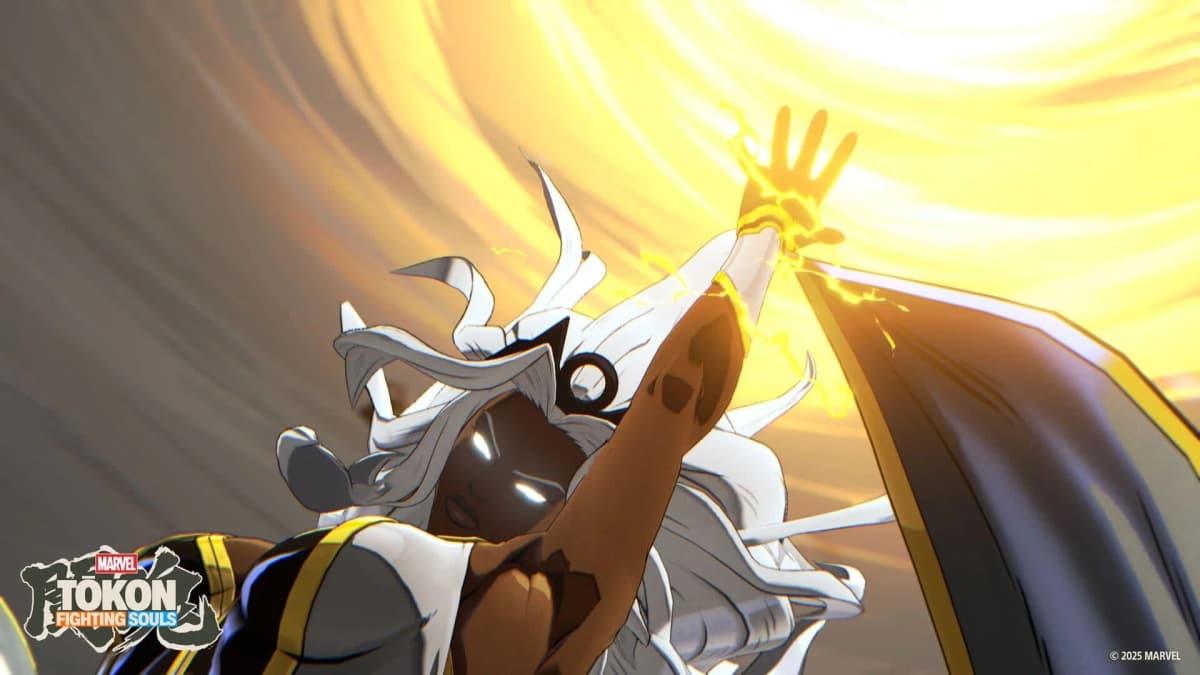
The February State of Play trailer finally pulled the curtain back on a full X-Men squad, and they were also available in an earlier closed beta. Compared to the Guardians, this team hits harder and plays a bit more honestly-less gimmickry, more raw buttons and space control.
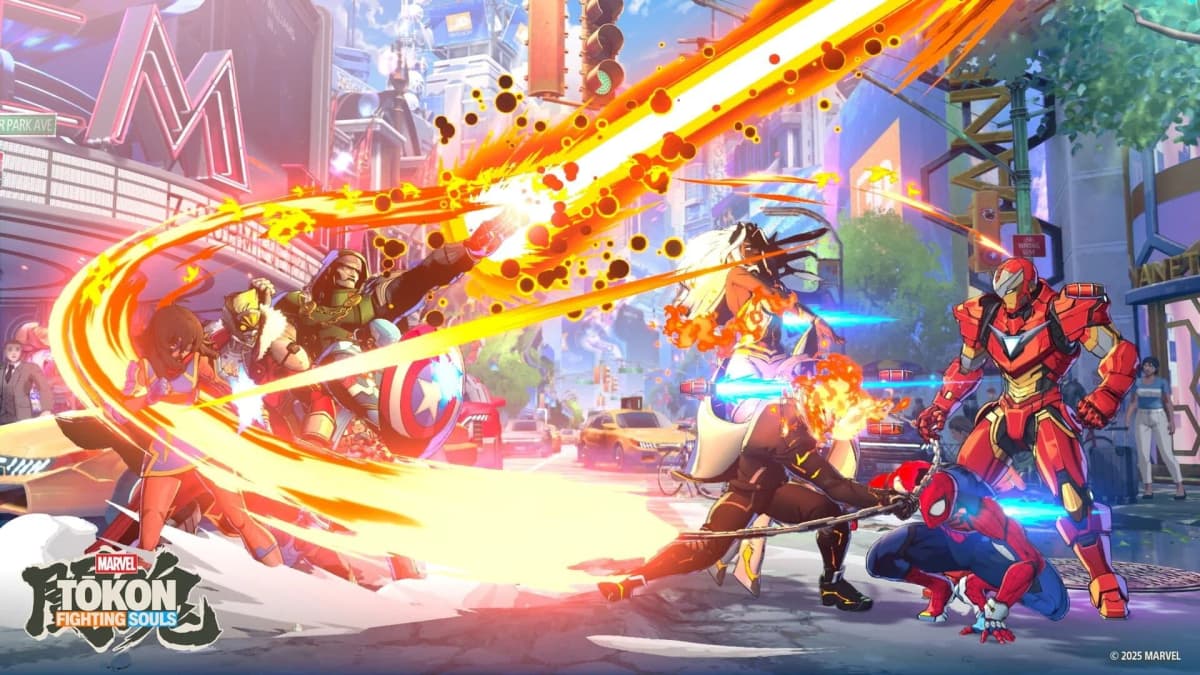
- Storm (Ororo Munroe) – Aerial queen with strong air control and lightning specials. In practice, she’s great for controlling the vertical space and punishing jump-happy players. Her assists also do a good job clearing the screen for your grounded characters.
- Wolverine (James “Logan” Howlett) – Short-range monster. Fast dashes, multi-hit claw strings, and good cross-up tools. I found he shines as a comeback anchor: once he’s in, he mauls, but he needs help getting through projectiles.
- Magik (Illyana Rasputina) – Teleports, sword normals, and portal tricks. She is the team’s mix-up specialist. If you enjoy forcing left/right or front/back guesses, she’s the character to study from this team once the full game launches.
- Danger – The embodied Danger Room is the weirdo pick and a standout. Her kit uses holographic constructs and stage-like traps. In the beta she felt like a support-heavy character whose assists and supers manipulate the screen rather than just doing straightforward damage.
This X-Men lineup feels built for players who like a balance of fundamentals and flair. They have straightforward confirms, recognizable gameplans, and fewer execution hurdles compared to the more tech-heavy Guardians group.
Other Confirmed Fighters (Likely Part of Additional Teams)
Four more characters are fully confirmed and shown in gameplay, but their final team banners have not all been spelled out publicly. What is clear is that they skew towards Marvel’s “face” heroes plus one major villain.
- Captain America (Steve Rogers) – Shield tosses, counters, and classic rushdown with a bit of zoning. From existing footage, he looks like a fundamentals-heavy leader character: solid anti-airs, reliable combos, and straightforward specials that teach you how the engine works.
- Iron Man (Tony Stark) – Flight-capable, beam-heavy, and very much a “stance” between grounded pressure and airborne zoning. I found that using his flight cancels to stall mid-air and bait anti-airs was one of the more satisfying things in the public build.
- Ghost Rider (Robbie Reyes) – Chain normals, hellfire, and some motorcycle-infused moves. His longer-range normals make him feel almost like a mid-range zoner, and he seems built to control that awkward space just outside most characters’ jab range.
- Doctor Doom – The only fully confirmed villain so far. In motion he channels elements fans will recognize: strong projectiles, high-damage corner combos, and a sense of presence every time he’s on screen. With his inclusion, expect at least one villain-focused team among the remaining roster slots.
Official materials confirm that all these characters are part of the 20-character base roster, not DLC. We just do not yet have final marketing names for every team they will occupy.
Voices, Languages, and Presentation
Because Marvel Tokon leans hard into its story and “tournament” framing, voice work matters more than it does in a lot of fighters. The newly revealed X-Men cast all have named voice actors, and the game is confirmed to support ten languages overall, with full English and Japanese voiceover alongside localized text in other major languages.
In practice, that means you get a lot of character-specific banter during tags, intros, and team supers. Even in the limited demo build, swapping between English and Japanese audio in Options → Audio gave the matches a very different flavor. If you care about character identity as much as frame data, this is a good sign for the final release.
In practice, that means you get a lot of character-specific banter during tags, intros, and team supers. Even in the limited demo build, swapping between English and Japanese audio in Options → Audio gave the matches a very different flavor. If you care about character identity as much as frame data, this is a good sign for the final release.
🎮 Get This Game at the Best Price
Compare prices instantly and save up to 80% on Steam keys with Kinguin — trusted by 15+ million gamers worldwide.
*Affiliate link — supports our independent coverage at no extra cost to you
The Four Confirmed Stages (and How Transitions Work)
Stages in Marvel Tokon are not just static backdrops. Each confirmed arena has at least one dynamic transition: hit a certain cinematic move or trigger, and the fight shifts into a new area with different visuals and sometimes slightly altered spacing.
New York City
This is the most traditional Marvel setting so far and the one you will probably see the most in early footage. It is an urban street-level stage with recognizable skyscrapers and traffic in the background.
- Starting area: Street-level fight with lots of vertical detail and good readability.
- Transition: A cinematic hit can launch both characters through building glass into a higher, more open rooftop area.
- Gameplay feel: Both areas are flat in terms of actual mechanics, but the rooftop backdrop makes aerial movement feel “clearer” – jumps and super jumps are easier to track against the sky than against the cluttered street.
From playing multiple matches here, it quickly became my “learning” stage: no odd silhouettes, clear foreground/background separation, and intuitive camera tracking during transitions.
X-Mansion
The X-Mansion stage doubles down on the X-Men theme and shows off the game’s multi-part arena concept really clearly.
- Starting area: The front lawn and courtyard, with the mansion looming in the back and students running around.
- Secondary area: A training-room interior that looks like a toned-down Danger Room, complete with holographic panels and sci-fi fixtures.
- Transition trigger: In demo builds, a specific cinematic launch super near the edge of the screen punched through the mansion doors and shifted the camera indoors.
Visually, this is busier than New York, but the inside segment is excellent for serious matches: clean floor, high contrast, and fewer distracting background elements.
Knowhere
Knowhere, added with the Peni Parker reveal, is the cosmic curveball. It leans heavily into the Guardians side of the roster.
- Starting area: A market or docking platform with neon signs, alien vendors, and skiffs lifting off in the background.
- Secondary area: A more industrial inner section with machinery and gantries, giving it a tighter look.
- Why it matters: The busy visuals make fast characters like Spider-Man and Peni stand out, and the lighting effects show off the game’s anime-inspired shading really well.
In my matches, Knowhere was where the game felt the most like an Arc System Works showcase: saturated colors, cinematic transitions, and flashy supers that fill the whole screen.
The Fourth Stage (Unnamed but Confirmed)
Official materials reference four distinct stages so far. New York City, X-Mansion, and Knowhere have been named; the fourth has been shown in brief clips but not consistently labeled in press write-ups, so details may still change before launch.
The important point from a player perspective is not the exact location but the pattern: every stage revealed so far has at least one mid-fight transition and is tied strongly to a specific corner of the Marvel universe. Expect the final stage lineup to continue pairing teams with “their” home turf in the same way X-Mansion maps cleanly to the X-Men, and Knowhere to the Guardians.
Why Stages and Transitions Matter for Actual Play
In some fighting games, stage choice is mostly cosmetic. In Marvel Tokon, even though the floor layout does not change dramatically, the transitions and presentation affect how comfortable you feel executing your gameplan.
- Readability: Clean segments like X-Mansion’s training room make it easier to track assists, projectiles, and aerial movement.
- Psychology: Big cinematic transitions after a super or combo make momentum shifts feel more dramatic. I noticed opponents playing more cautiously right after a transition, which is a great time to sneak in throws or dash-ups.
- Identity: Bringing X-Men to X-Mansion or Amazing Guardians to Knowhere helps you mentally “lock in” a theme, which sounds minor but does improve how memorable matches feel.
If you end up playing competitively, you will probably default to the cleanest-looking stage for most serious sets, but in casual and online lobbies, the variety and transitions should keep long sessions from blurring together.
What to Watch Next for Roster and Stages
With 12 out of 20 base characters revealed and four stages confirmed, Marvel Tokon is a little over halfway to a full picture. Based on the current pattern and public statements, here is what to expect:
- Three more full teams to complete the base roster, likely revealed in waves through upcoming trailers and events.
- At least a couple more stages beyond the current four, each tied to a newly revealed team (for example, a villain-focused arena for Doctor Doom and whoever joins him).
- DLC confirmation on four additional characters during or shortly after launch, expanding team variety further.
- More details on online lobbies (up to 64 players), including how stage selection and team mirror matches are handled in Ranked and Casual modes.
If you want to be ready on day one, the smartest move right now is to pick one of the two fully revealed teams and really study their footage. Learn how the four members complement each other, get a feel for tag timing and assist coverage, and pay attention to which stages give you the clearest view of the action. As the remaining teams and arenas are revealed, you will have a solid baseline to compare them against.
FinalBoss // Gear
Level up your setup
01Top-rated gaming headsetson Amazon→02High-refresh gaming monitorson Amazon→03Gaming chairson Amazon→04Discounted game keyson Kinguin→
Affiliate links · As an Amazon Associate, FinalBoss earns from qualifying purchases.
Want to Level Up Your Gaming?
Get access to exclusive strategies, hidden tips, and pro-level insights that we don't share publicly.
Ultimate Guide Strategy Guide + Weekly Pro Tips