
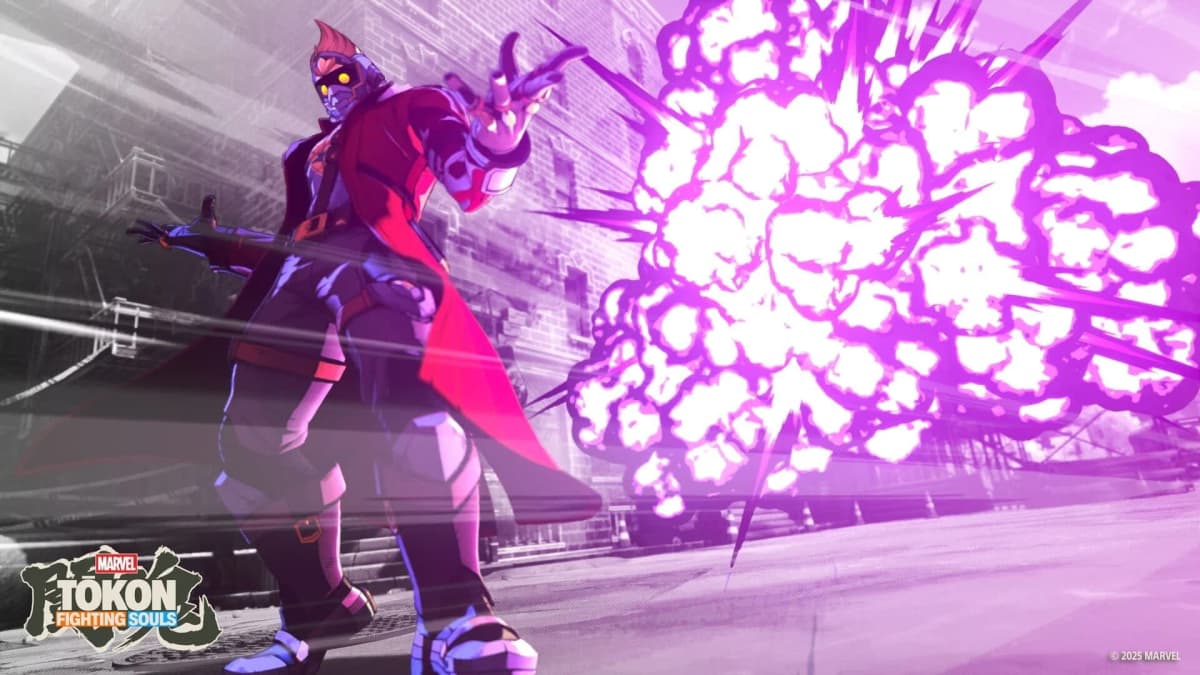
A roughly 10GB PC update is the clearest sign that Marvel Tōkon: Fighting Souls is in recovery mode, not routine post-launch support. The August 10 patch targeted CPU load, sudden frame-rate drops, lag, and a recurring stutter tied to repeated audio-device checks — issues that can undermine a four-on-four tag-team fighter even before an online match begins. That is not cosmetic cleanup. It is triage, and it tells you exactly where Arc System Works believes the PC version was failing hardest.
The game launched on PC, PlayStation 5, and Xbox Series X/S on August 6, 2026. While the PS5 version has been comparatively stable, Steam players quickly encountered stuttering, dropped frames, unusually high CPU usage, black-screen behavior connected to anti-cheat, and unstable online play. Steam reviews fell sharply, with the approval rating sitting around 39% positive before improving to about 46% after the patch. That is movement in the right direction, but it is still the kind of post-launch hole that studios spend months trying to climb out of.
The patch timeline finally separates quick triage from deeper repair
The useful timeline beat here is short and ugly. Marvel Tōkon hit PC on August 6, and Arc System Works said on August 7 that it was actively investigating the flood of complaints. Two updates followed in quick succession. The earlier fix addressed more immediate friction points, including problems around overlays and capture tools and making shader warm-up easier to access. The August 10 maintenance patch went further by reducing CPU usage, addressing sudden gameplay drops, and targeting the once-a-second style stutter linked to repeated audio-device checks. That before-and-after contrast matters: the first round was about getting players into a better state, while the second patch finally went after the nastier performance behavior that was making the game feel broken.
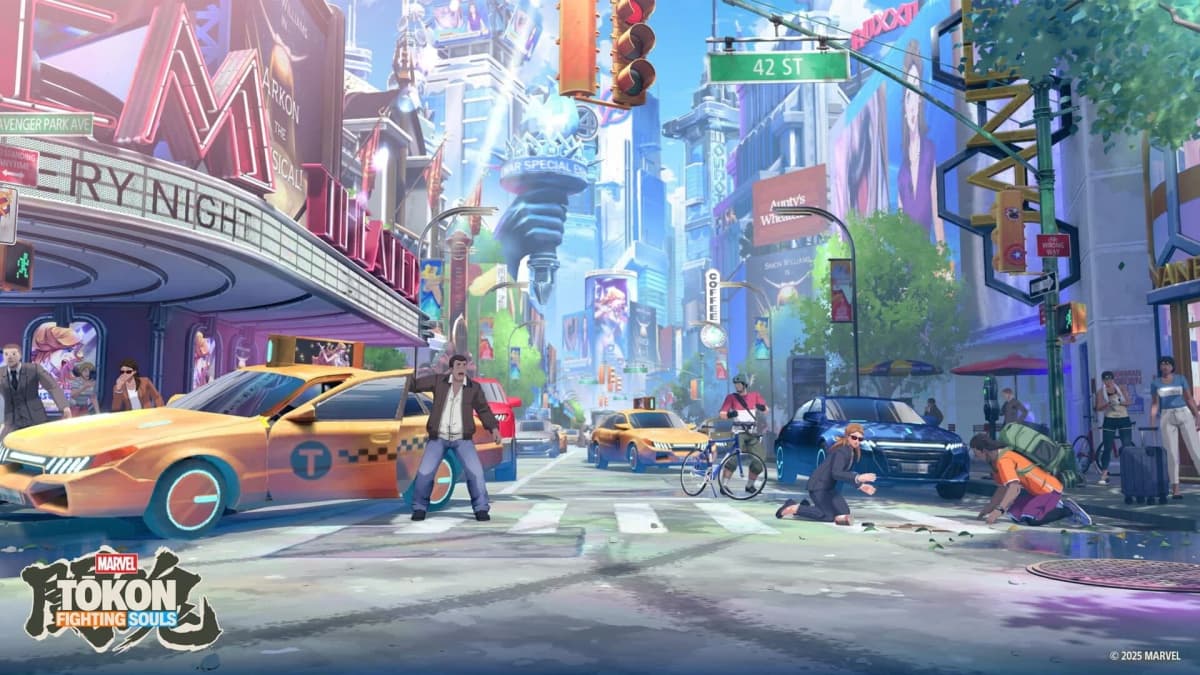
Producer Takeshi Yamanaka apologized for the PC version’s state and said Arc System Works had issued two updates in quick succession. He acknowledged that rebuilding player trust would be extremely difficult, while committing the team to further improvements so players can experience the game smoothly. The current work goes beyond raw frame rate: the Steam update also addressed delayed input data during matches, aiming to improve online responsiveness. That is a big deal in a fighting game, where even brief input delay or erratic match behavior can make the whole system feel suspect. Rollback spikes and cross-play instability still remained for some players after the patch, and no public timetable has been confirmed for the next round of fixes.
What changed on PC, and what clearly did not
There is real progress here, but not a clean bill of health. Some players saw better performance after the latest patch. Others still ran into micro-stutter and FPS drops. Shader warm-up also remains part of the conversation after updating, which is a pretty clear sign that first-run or post-patch hitching has not vanished across every setup. Community troubleshooting still circles around the same familiar suspects too: fullscreen mode, overlay conflicts, and background capture tools. In plain English, Marvel Tōkon on Steam looks improved for part of the audience, not conclusively fixed for all of it.
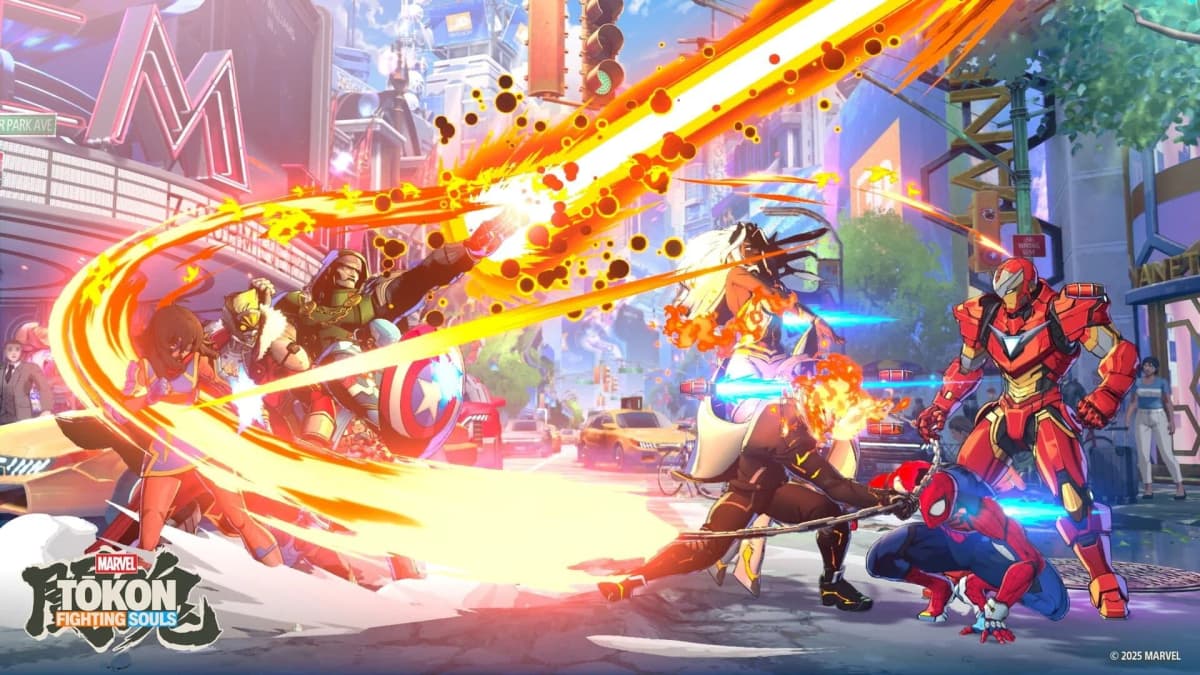
The wait, tweak, or refund checklist is finally simple
- Wait if your main blocker is CPU-driven stutter, sudden frame drops, or online lag. Those are the exact areas receiving direct patch attention, and the August 10 update was built around that problem set.
- Tweak if the game launches and mostly runs, but still feels rough. Run shader warm-up, try fullscreen mode, and disable Discord, Steam, Xbox, and recording overlays such as OBS. Those fixes map directly to the early patch priorities and the symptom set players are still discussing.
- Refund if you need Linux, SteamOS, or Steam Deck support, or if the PSN-account requirement is a deal-breaker. Those are compatibility and account constraints, not the sort of issue a CPU patch is likely to solve.
For players trying to decide whether this is an overreaction or a routine bad port story, Maximilian Dood, also known as Maximilian Christiansen, already supplied the bluntest possible answer: he uninstalled the Steam version during a livestream amid the PC problems. That example matters because competitive fighters get almost no grace period when responsiveness fails. Players might tolerate a thin menu, some ugly optimization menus, or a rough first boot. They do not tolerate hitching, dropped frames, or online matches that feel unreliable. Not in this genre.
Refunding is still the practical choice for anyone who requires Linux, SteamOS, or Steam Deck support: Easy Anti-Cheat is not enabled for those systems, and no supported workaround exists. The PSN-account requirement on PC is another fixed purchase constraint, not a performance setting buried in a menu. So yes, Arc System Works is now patching the right categories, and Yamanaka’s apology at least matches the severity of the launch. But the part that matters most has not changed: PC players are still waiting to see whether the next update can make Marvel Tōkon feel consistently smooth across more hardware, while also cleaning up the remaining online trouble without another round of caveats.
FinalBoss // Gear
Level up your setup
01Graphics cardson Amazon→02Gaming laptopson Amazon→03High-refresh gaming monitorson Amazon→04Discounted game keyson Kinguin→
Affiliate links · As an Amazon Associate, FinalBoss earns from qualifying purchases.
Want to Level Up Your Gaming?
Get access to exclusive strategies, hidden tips, and pro-level insights that we don't share publicly.
Ultimate Gaming Strategy Guide + Weekly Pro Tips