
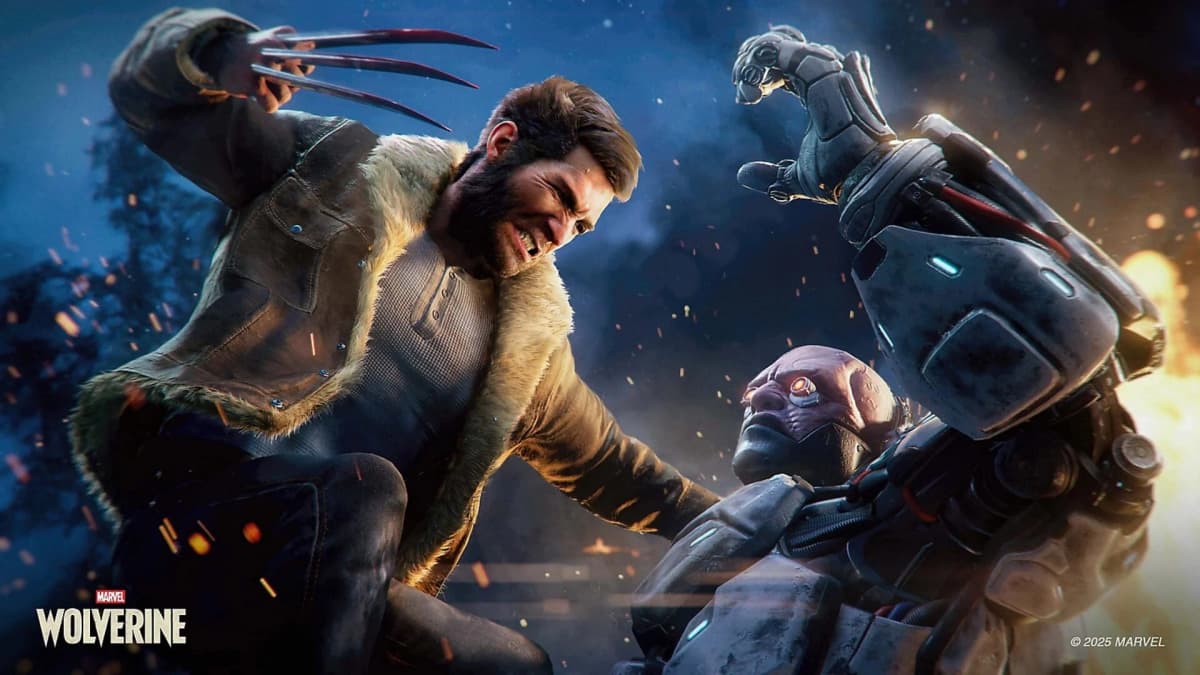
Marvel’s Wolverine takes place in a continuity where the X-Men do not exist as a team. For a PlayStation 5 game built around one of Marvel’s most recognizable mutants, that is a severe narrative restriction by design. I support it, with one condition: Insomniac has to make the missing X-Men felt in every part of Logan’s world.
Removing the X-Men gives Logan a cleaner story. It prevents every mission from becoming an excuse to ask where Professor X, Storm, Cyclops, or an entire mansion full of trained mutants have been hiding. Mike Daly’s stated goal is to keep the focus on Logan’s personal journey and his duty toward other mutants. That is a defensible creative decision. Wolverine works best when he is suspicious, cornered, and forced to decide who deserves his trust with limited information.
The danger lies in treating “the X-Men do not exist” as a convenient button that deletes difficult continuity. Wolverine carries too much association with mutant teams, mutant politics, and mutant persecution for the absence to function as background trivia. Insomniac has removed a major pillar of Logan’s history. The game now has to build a replacement structure strong enough to hold his story up.
Table of Contents (6)
The outsider premise gives Logan real stakes
Walt Williams’ explanation is the strongest case for the omission: mutants have no safe place. They hide their powers because exposure carries a cost. There is no established sanctuary, no public-facing mutant institution, and no organized hero team ready to absorb the consequences when somebody gets hunted.
That framework suits Wolverine. Logan should not enter this story with the comfort of an obvious support network behind him. His appeal has always depended on friction: he is dangerous, damaged, useful in a fight, and rarely comfortable around authority. A world where mutants have to stay hidden gives every encounter more tension because nobody can safely assume that help is coming.
This also keeps the story from getting swallowed by famous faces. A full X-Men roster would create immediate gravity around characters such as Jean Grey, Scott Summers, and Professor X. Logan would still matter, but the game would have to spend precious story time explaining team hierarchy, missions, rivalries, and ideological disagreements. The result could easily become an X-Men story with Wolverine holding the controller.
Insomniac is right to avoid that outcome. A solo Wolverine game needs to live inside Logan’s instincts: the urge to protect someone, the urge to walk away, and the urge to turn violence into the fastest available answer. Those are stronger foundations than a familiar team roll call.
Team X cannot become the X-Men with worse uniforms
The omission becomes harder to defend when the replacement cast enters the picture. Logan belongs to Team X, a secretive 1970s black-ops unit made up of mutant wetwork operatives. Sabretooth and Lady Deathstrike are part of that orbit, while Nathaniel Essex serves as Logan’s mentor and leader within the setup. That is already a sizeable mutant network.
Team X should work precisely because it is the opposite of a sanctuary. A black-ops unit does not offer community in the way fans associate with the X-Men. It offers assignments, leverage, compromise, and people who may have reasons to stand beside Logan one minute and undermine him the next. That is fertile ground for Wolverine. It also gives Insomniac a way to explore mutant identity without pretending every powered character automatically wants to become a public hero.
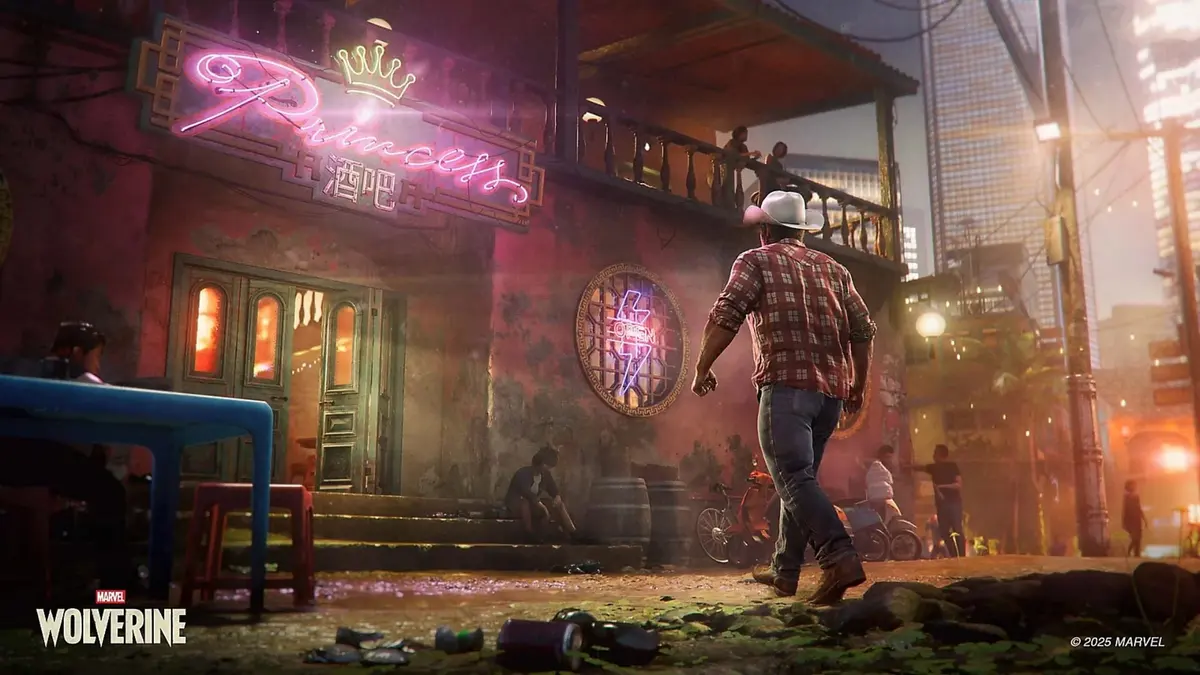
But Team X has to feel morally expensive. If Nathaniel Essex gives orders, Sabretooth cracks jokes, Lady Deathstrike fills a specialist role, and everyone operates like a dependable unit, Insomniac will have recreated the team dynamic it claims to be avoiding. The name on the file will be different. The dramatic function will be identical.
The better version is harsher. Team X should be useful without ever feeling safe. Logan should need its intelligence, resources, and mutant expertise while remaining aware that its members have agendas beyond his control. A secret organization built around wetworks should leave dirt on every character who relies on it. That pressure gives the outsider theme credibility.
Jean Grey is the real test of restraint
Jean Grey’s presence makes the choice more interesting than a simple act of X-Men avoidance. She exists in Marvel’s Wolverine, but she does not carry an X-Men identity, a Marvel Girl presentation, or the familiar institutional baggage that would come with a full mutant team. Insomniac has also removed the Logan-Jean-Scott Summers love triangle from the table.
Good. That triangle has consumed enough oxygen across Wolverine stories. Logan and Jean can have a meaningful connection without turning Scott into an obligatory third point in a relationship diagram. The game has room to define Jean through her own judgment, her own danger, and her own relationship with mutant survival.
Still, Jean cannot exist solely as proof that Insomniac knows the X-Men mythology. Her role has to reveal something about Logan that Team X cannot. If she becomes a familiar name stripped of context, the omission will feel cosmetic. If she forces Logan to confront the difference between protecting mutants and controlling their choices, then her inclusion earns its weight.
That distinction matters because the game is not operating in an empty mutant world. Logan has Team X. He has Jean. He has Sabretooth and Lady Deathstrike. He has Nathaniel Essex. The story cannot sell isolation by pretending these relationships do not exist. It has to show why none of them add up to belonging.
Partner combat creates the co-op storytelling risk
Insomniac has kept Logan as the sole playable focus, but the game still carries a team vibe through Jean Grey support and combat pairings with Sabretooth. That is where the X-Men omission stops being a lore debate and becomes a gameplay problem. Once a Wolverine game starts staging cooperative moments, players naturally judge the relationships on screen as potential team dynamics.
The Sabretooth detail is encouraging. He can pull enemies away from Wolverine in the middle of a fight and “steal” a kill, creating friction instead of clean cooperation. That is exactly the kind of behavior Team X needs. Sabretooth should not feel like a dependable co-op partner wearing a hostile expression. He should feel like a volatile ally whose help comes with annoyance, danger, and a challenge to Logan’s control of the situation.
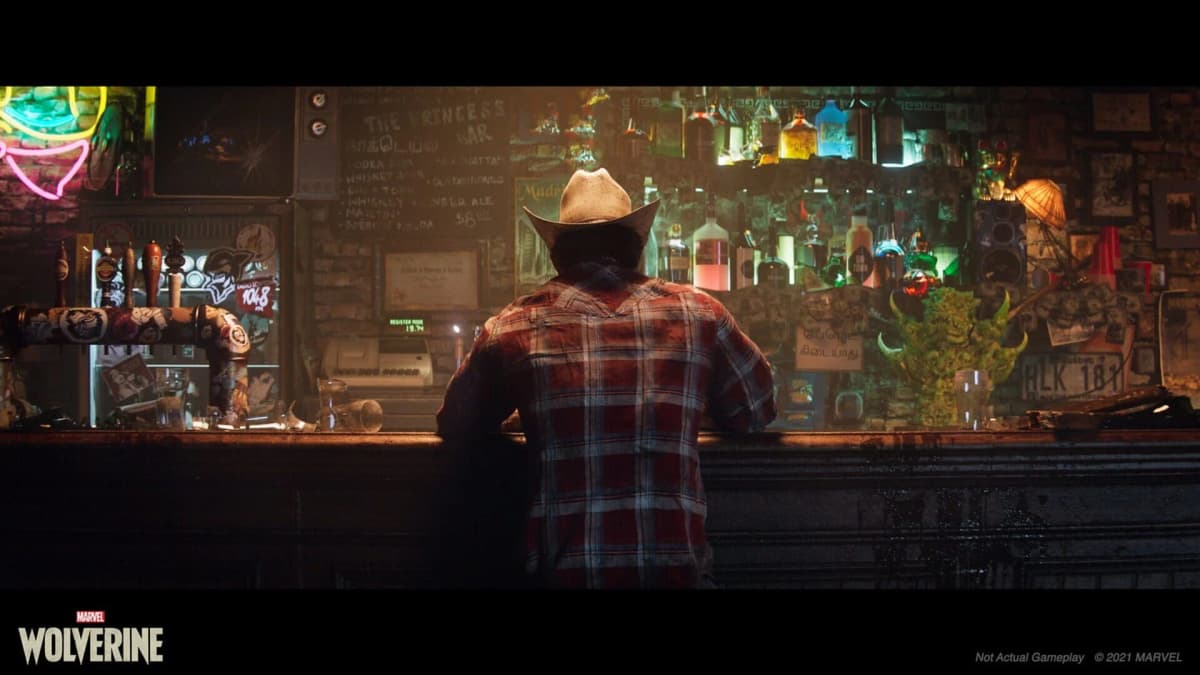
Partner mechanics can either reinforce Wolverine’s loneliness or quietly erase it. Jean and Sabretooth should complicate Logan’s decisions, disrupt his rhythm, and expose different parts of his character. They should not exist to make every encounter feel like a polished squad exercise. The more efficiently the partners solve Logan’s problems, the more hollow the outsider premise becomes.
This is why the missing X-Men remain a storytelling risk. A full team would come with built-in trust, conflict, history, and defined roles. Insomniac has rejected that package. Team X and Jean Grey now have to provide enough narrative weight to make Wolverine’s relationships feel consequential without drifting into a substitute X-Men roster.
Rage mechanics need to support the story, not replace it
The combat setup already leans into Logan’s self-sufficiency. His rage meter has three tiers, built through damage and kills before slowly fading outside combat. Tier two gives him a last stand after his health is depleted. Tier three heightens his damage, desaturates the environment, highlights enemies in red, and lets him execute many weaker opponents immediately.
That is a strong mechanical expression of Wolverine’s survival instinct. Logan becomes more dangerous when the situation gets worse. He endures punishment, refuses to stay down, and turns fury into momentum. The game clearly understands the appeal of controlling a character who can take a beating and answer it with claws.
But rage alone cannot carry the outsider theme. A berserker mode delivers power. Isolation requires consequences. The story has to make the player feel the cost of using violence, trusting Team X, relying on Jean, and choosing whether another mutant is a responsibility or a liability. The strongest version of Marvel’s Wolverine will connect those elements instead of treating its combat and its narrative as separate departments.
What Insomniac needs to prove
I do not need an X-Men cameo to accept this version of Wolverine. I need the game to prove that the absence changes the world around him. The standard is practical and demanding.
- Mutant isolation needs visible consequences. Hiding powers, avoiding exposure, and lacking a safe refuge must shape missions, character decisions, and the stakes around every alliance.
- Team X needs a moral cost. Nathaniel Essex’s operation cannot function as a comfortable replacement home for Logan. Its black-ops identity should create distrust and force compromises.
- Partner moments need friction. Jean Grey and Sabretooth should deepen Logan’s story through conflict, vulnerability, and competing goals instead of creating a frictionless hero squad.
That is the path forward for Marvel’s Wolverine. Keep the X-Men absent. Keep Logan at the center. Keep Team X dangerous enough that it never becomes a mansion with a different name. The missing safe place must remain a pressure point in the actual game, because the outsider theme only matters when players can feel what Logan loses by having nowhere secure to stand.
FinalBoss // Gear
Level up your setup
01Top-rated gaming headsetson Amazon→02High-refresh gaming monitorson Amazon→03Gaming chairson Amazon→04Discounted game keyson Kinguin→Affiliate links · As an Amazon Associate, FinalBoss earns from qualifying purchases.
Want to Level Up Your Gaming?
Get access to exclusive strategies, hidden tips, and pro-level insights that we don't share publicly.
Ultimate Gaming Strategy Guide + Weekly Pro Tips