
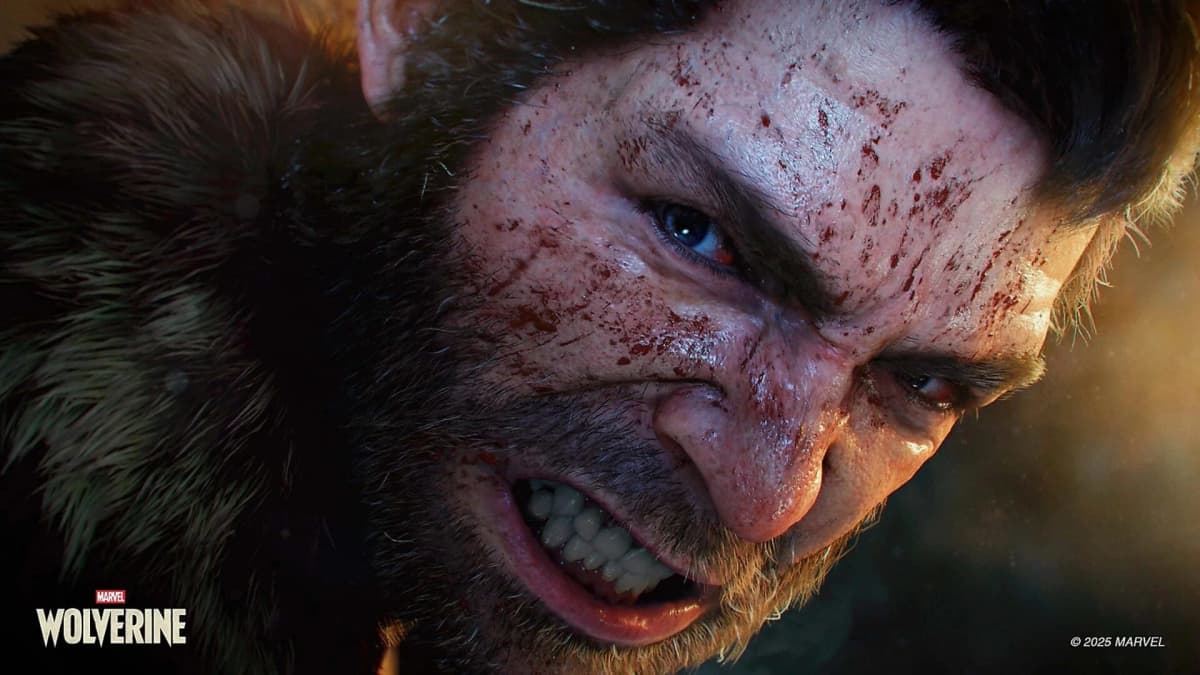
Marvel’s Wolverine was announced for PlayStation 5 on September 9, 2021. Five years later, the most consequential number attached to the game is not its release window, its rendering mode, or the height of its nine-foot Sabretooth. It is six million.
That number does not come from Sony, Marvel, or Insomniac in any official public statement. It comes from leaked Insomniac material that claims Marvel’s Wolverine must sell six million copies in its first year across PlayStation 5 and PC to satisfy a condition in Sony’s X-Men licensing arrangement with Marvel. If that leak-derived language is accurate, Wolverine is carrying a far uglier burden than ordinary blockbuster expectations. A single game’s opening year could help determine whether a roughly 10-year X-Men plan keeps moving or starts losing its foundation.
My position is simple: attaching a franchise-spanning licensing threat to one game’s first-year sales is reckless. Six million copies is a large target, but it is not an absurd number for a character with Wolverine’s cultural weight, Insomniac’s profile, and a project said in the same leak material to carry a $305 million total budget. The bad idea is treating that target as a potential veto over future creative work. That turns every design choice, trailer, review score, platform decision, and release-week sales chart into a corporate emergency.
Table of Contents (5)
Six Million Is a Franchise Test, Not a Normal Sales Goal
The leak-derived figure needs to be read in context. Wolverine’s internal lifetime sales projection was said to be 10 million copies. If both leaked figures are accurate, a six-million first-year threshold would demand around 60% of that total forecast inside the game’s most intense commercial window. That is the kind of target built for a major event release, with very little room for a slow burn, a delayed audience, or a softer launch followed by years of word of mouth.
That distinction matters more than people admit. There is a difference between a studio needing a game to perform well and a licensing agreement allegedly allowing either side to terminate or renegotiate a multi-game X-Men arrangement after a title misses a sales floor. The first is normal AAA pressure, meaning big-budget blockbuster pressure. The second turns Wolverine into a gatekeeper for projects that may have different casts, stories, budgets, tones, and commercial prospects.
It also warps the meaning of the result. A first-year sales floor is not just a measurement of whether the audience exists. It is a measurement of whether the audience can be reached fast enough, loudly enough, and on enough hardware in the most expensive twelve months of the campaign. That kind of clause, if the leaked terms describe it correctly, rewards speed, spectacle, platform reach, and marketing force. It is less friendly to weirdness, patience, or sharp creative swings.
The leaked agreement has been described as covering three major X-Men titles. The exact legal trigger remains unconfirmed: some accounts frame the condition around individual games, while others frame it as a wider clause in the deal. Sony, Marvel, and Insomniac have not confirmed the six-million term. Yet the warning inside the leak is still hard to ignore. Sony did not chase Wolverine as a contained one-off. It chased a larger X-Men lane, and Wolverine was positioned, at least in those leaked materials, as proof that the lane deserved to keep existing.
That is a lot to put on Logan’s shoulders. The character can carry rage, trauma, adamantium, and a very bad healing-factor day. He should not have to carry the strategic future of every mutant story Sony hoped to make.
The PC Question Makes the Target More Demanding
The six-million figure is supposed to be measured across PS5 and PC combined. That matters because Sony’s original public announcement only confirmed Marvel’s Wolverine for PS5. A PC version has not received the same official confirmation. So when the leaked contract language treats PC as part of the crucial first-year recovery period, it creates an immediate tension between the public platform reality and the alleged business rule.
That tension needs to stay clear, because it changes how the number should be interpreted. If the leaked clause is real, the target is not a PS5-only hurdle. It is a combined PS5-and-PC first-year hurdle. But Wolverine is only publicly announced for PS5. That means any PC contribution inside the decisive year would depend on a later, still unannounced port or a launch strategy Sony has not publicly outlined. You cannot fairly talk about day-one PC help as though it were settled fact.
That setup leaves Sony with a very narrow strategic problem, assuming the leaked terms still reflect the real deal. Holding the game to PS5 alone limits the immediate audience available to reach the threshold. Expanding to PC inside the same window broadens the market but weakens the old prestige logic around a tightly controlled console exclusive. The alleged agreement makes the platform question part of the game’s survival math rather than a side conversation for fan wars.
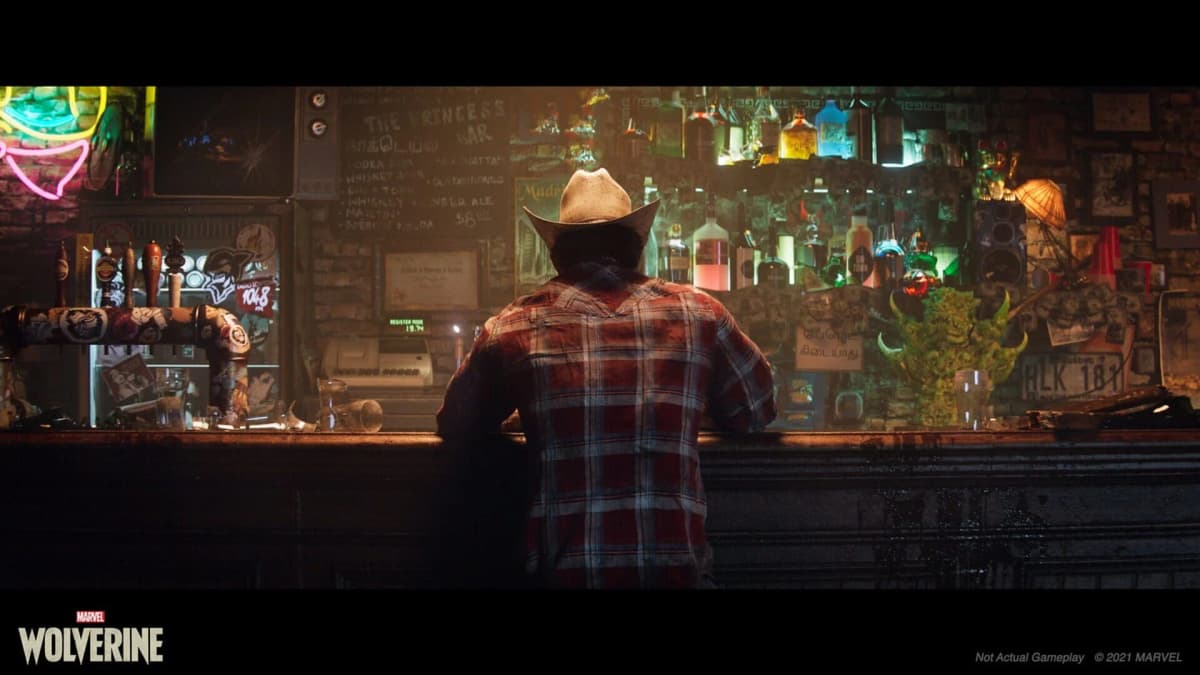
This is why six million cannot be dismissed as a clean measure of whether players “wanted” Wolverine. Unit sales are shaped by availability. A first-year target across PS5 and PC rewards a release plan that reaches every eligible buyer early. If Sony limits one of those platforms, then it is choosing a harder road to the same destination. If PC arrives too late to matter, then a combined-platform clause stops looking like a neutral benchmark and starts looking like a trap made by corporate timing.
The timing piece matters just as much as the platform piece. A first-year sales target compresses every advantage and every mistake into a short window: review momentum, launch date competition, hardware ownership, holiday placement, marketing cadence, and the simple question of how many people can buy the game when excitement is hottest. Under a normal long-tail model, a great action game can keep selling. Under an alleged clause like this, “keep selling” may be strategically less important than “sell immediately.”
A September 15 PS5 release date has circulated alongside renewed discussion of the leak, but it should not be treated as a confirmed public date. Marvel’s Wolverine remains officially unreleased, and Sony has not publicly announced a PC version. Those are not small technicalities. They directly affect how realistic the alleged first-year requirement would be and whether the PC part of the metric is even available when the clock starts.
Wolverine Cannot Be Designed Like a Safe Corporate Mascot
The commercial pressure creates a predictable temptation: sand down Wolverine until he becomes a broadly acceptable action figure with claws. That would be the fastest way for Insomniac to waste the character.
Marvel’s Wolverine should be brutally violent because brutality belongs to Logan’s psychological identity. His violence is tied to rage, control, regret, and the damage done to him through Weapon X. The game’s version of Wolverine is described as a reluctant hero who gets the job done by any means necessary. That only works if “any means necessary” feels ugly when it should. Blood cannot function as a layer of red paint splashed over a routine combat loop and then marketed as maturity.
The material around the game gives Insomniac the raw ingredients for something harsher than spectacle. Wolverine returns to Team X after three years away. Mutants largely exist in the shadows, unknown to much of the wider world. A Weapon X process forces Logan to swallow carbonadium pills that are highly radioactive and block his healing powers. Those details point toward vulnerability and bodily horror, not an invincible hero mowing through disposable enemies without consequence.
That is exactly why a sanitized version would feel so false. Wolverine is not Spider-Man with sharper elbows. Marcus Smith has already framed the difference clearly: Spider-Man is open-world and tied to New York, while Wolverine is meant to feel closer, more visceral, more in contact with the world, and more grounded. Good. That is not just a marketing distinction. It is a design philosophy. One hero glides above the city. The other should feel trapped inside rooms, bodies, memories, and bad decisions.
Wolverine’s claws are essential to combat, and they should carry a weight that guns, swords, and superhero energy blasts do not. Claws require proximity. They make every hit intimate. They remove the fantasy distance that lets violence become decorative. Insomniac’s stated direction is the correct one: closer, more visceral, more grounded. Wolverine should feel dangerous because the player has to get close enough to see what danger means.
Violence customization options are part of the package, which is sensible. Players deserve control over how much graphic detail they want on screen. That flexibility cannot become an excuse for a default game afraid of its own lead. The baseline version needs the nerve to show the physical and emotional cost of Logan’s methods, even if players later choose to tune down the mess.
This is where the leaked six-million pressure becomes creatively dangerous. When a game is asked to validate a wider franchise plan, every sharp edge starts looking like a risk. Every ugly character trait starts looking like something to soften for broader appeal. But Wolverine without discomfort is not Wolverine. He is a brand-approved approximation of Wolverine, which is exactly the sort of product that can hit a target and still leave the adaptation spiritually empty.
The Details That Matter Are the Ones Players Will Feel
Insomniac has described Wolverine’s traversal around a quadrupedal running stride. It sounds like a small mechanical detail, but it is exactly the kind of decision that can make Logan feel distinct rather than interchangeable. He should move like a hunted animal who has learned to become the hunter. If that animation reads as aggressive, uncomfortable, and efficient rather than cute, it will do more for the character than a hundred polished promotional lines.
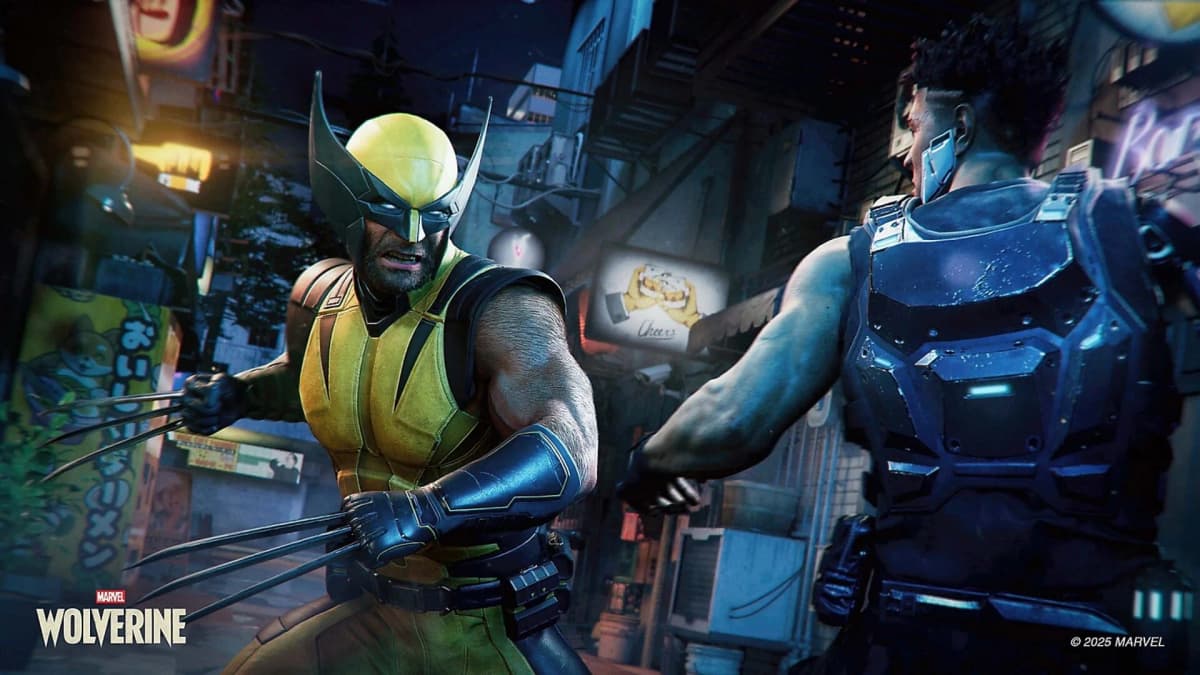
The promised default 60fps mode with ray tracing also matters. This is described as a first for Insomniac, and it should serve readability and physicality rather than screenshot bait. Wolverine’s combat depends on reaction time, close-range positioning, and the clarity to understand what a claw strike has done. Smooth performance supports the actual fantasy. Glossy lighting alone does not.
Even the oversized details can work if the game understands what they are for. A nine-foot Sabretooth is not interesting because “big villain big.” He is interesting if that size turns every encounter into a physical mismatch that makes Logan’s aggression feel reckless instead of glamorous. Wolverine works best when survival looks expensive, not effortless.
There are warning signs in the lighter systems. Crates containing raw materials for suit unlocks and whiskey bottles used to aid progression could easily turn a character built around addiction, trauma, and self-destruction into a scavenger loop. That would be a serious tonal misfire. A whiskey bottle should not feel like a cheerful collectible placed beside a crate of crafting parts. If Insomniac wants those systems, it needs to make them serve Logan’s condition rather than flatten it into progression currency.
That tension goes directly back to the six-million problem. High sales targets produce a familiar kind of fear: more broadly marketable systems, more collectible clutter, more pressure to make every grim idea feel frictionless and rewarding. Wolverine has never been compelling because his life is frictionless. He is compelling because every victory has blood under it, and much of that blood is his.
Players will feel the difference immediately. They will feel it in the pause before a finishing blow, in whether healing looks miraculous or desperate, in whether level spaces invite predatory movement or merely corridor cleanup, in whether mutant secrecy creates dread or just lore wallpaper. Those are the details that survive beyond trailers. Those are also the details most vulnerable to corporate fear when a leaked sales clause hangs over the whole production.
What a Miss Would Actually Signal
If Marvel’s Wolverine fails to reach six million first-year copies under the leaked metric, the easy industry story will be that Wolverine “did not connect.” That would be lazy analysis. A miss would reflect the game’s quality, certainly, but also its release timing, platform reach, price, marketing, critical reception, hardware ownership, and whether Sony ever allowed PC to contribute while the target still mattered. A franchise-level clause turns all of those business choices into ingredients in the same verdict.
It would also matter what kind of miss happened. Missing a leak-reported first-year floor is not the same as proving the audience never existed. It may mean the audience arrived more slowly than a contract preferred. It may mean the platform plan throttled the reachable market. It may mean the target itself was calibrated for maximum leverage rather than reasonable evaluation. Those are not excuses. They are the business conditions that any honest reading would have to include.
The alleged $305 million budget raises the stakes further. At that cost, Wolverine was built to behave like a prestige blockbuster, not a smaller character experiment. If the leaked six-million threshold and the wider X-Men termination logic are accurate, the danger is obvious: Sony responds to pressure by demanding a safer blueprint for whatever comes next. Fewer strange ideas. A cleaner hero. A wider tone. A more generic combat spectacle. That would protect the spreadsheet while hollowing out the reason Wolverine was worth adapting in the first place.
The better response is narrower and harder. Make the game unmistakably Wolverine. Make the claws hurt. Make the rage have consequences. Make the world’s fear of mutants feel specific. Make Team X, Weapon X, and the years Logan spent trying to outrun himself matter in play rather than merely in cutscenes. A game capable of selling six million copies should be built around conviction, because the alternative is a $305 million exercise in sanding down everything sharp about its lead character.
If the leaked X-Men agreement truly depends on Wolverine clearing that number, Sony has already made the commercial gamble. Insomniac’s job is to refuse the creative cowardice that gamble invites. And if the leaked clause turns out to be incomplete, outdated, or wrong, the argument still stands: the worst possible way to build a Wolverine game is to treat him like a safe mascot first and a damaged, dangerous person second.
FinalBoss // Gear
Level up your setup
01Top-rated gaming headsetson Amazon→02High-refresh gaming monitorson Amazon→03Gaming chairson Amazon→04Discounted game keyson Kinguin→
Affiliate links · As an Amazon Associate, FinalBoss earns from qualifying purchases.
Want to Level Up Your Gaming?
Get access to exclusive strategies, hidden tips, and pro-level insights that we don't share publicly.
Ultimate Gaming Strategy Guide + Weekly Pro Tips