
Table of Contents (10)
Why Evergreen Games Work (and How I Finally Grew)
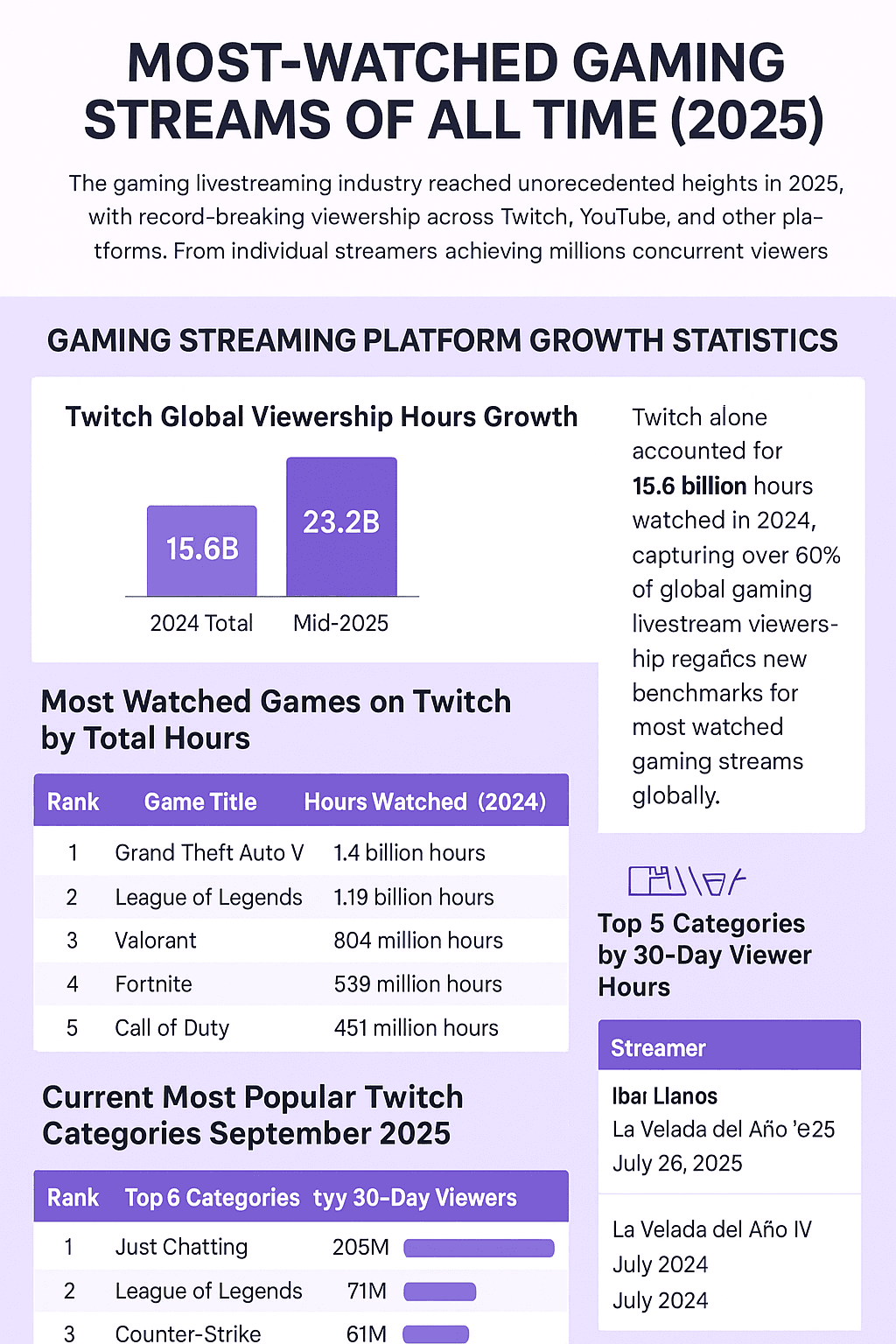
After 18 months of erratic growth and too many “day-one” streams that died after a week, I finally committed to evergreen games. The breakthrough came when I realized, “Evergreen games provide a reliable foundation for consistent audience growth.” Once I stopped chasing every new release and locked in two core titles, my average viewers doubled in six weeks, my chat stopped feeling like a ghost town, and my stress plummeted. Here’s exactly how I set it up, what I messed up along the way, and what I wish I’d known on day one.
Step 1: Pick Two Core Evergreen Games (and Stick to Them)
Don’t make my mistake of trying to be “variety” before you’re established. Limit Your Core Games to Two. I rotated through six titles in two months and split my audience into tiny islands. When I focused on two evergreen games, people knew why to show up and when. Commit to at least 4 weeks of consistent streaming per game before evaluating performance.
- Choose games with strong developer support and diverse content: Riot Games (League of Legends, Valorant), Rockstar Games (GTA V Online/RP), Mojang Studios (Minecraft), Valve (Counter-Strike 2, Dota 2), Digital Extremes (Warframe), Epic Games (Fortnite), Activision (Warzone).
- Match to your strengths: high APM? Try CS2 or Valorant. Storytelling? GTA V RP. Builders/teachers? Minecraft or Warframe.
- Reality-check your skill ceiling: if you can’t hold your own in ranked, lead with coaching/casting or viewer lobbies instead.
What finally worked for me: League of Legends for ranked coaching and viewer VOD reviews, and GTA V RP for longer, story-driven sessions. I still leave one rotating slot weekly to test a trend without cannibalizing my core.
Step 2: Lock a Predictable Schedule (and Build Habits)
My growth started the week I published a calendar and stuck to it. Viewers plan around reliability. Algorithms notice it too.
- Fixed days and themes: e.g., Mon/Wed = Core Game A (ranked + coaching), Thu = Core Game B (RP), Fri = rotating trend/test.
- Session length: Coaching streams shine at 1-2 hours; RP sessions flourish at 2-4 hours for immersion; challenge/speedrun blocks work at 90-180 minutes.
- Booking cadence: announce your specific beats on Discord 24 hours prior; pin the week’s schedule on your channel.
I evaluate content weekly, but I only change the schedule after a full 4-week block. That buffer kept me from panic-swapping too early and losing momentum.
Step 3: Make 1080p60 Rock-Solid (Tech Setup That Won’t Fail You)
I used to obsess over overlays before fixing fundamentals. Don’t. Stability first, then style. Minimum upload of 5 Mbps is required; I strongly recommend 10–15 Mbps to comfortably run 1080p60 with headroom.
- Network: use wired Ethernet; avoid Wi‑Fi. Restart your router before long RP sessions. Enable QoS if available. Close cloud backups while live.
- OBS video:
Settings → Video → Base (Canvas) 1920×1080,Output (Scaled) 1920×1080,Common FPS Values 60. - OBS output (Streaming):
Settings → Output → Streaming:- Encoder: NVENC (new) for NVIDIA or AMF/Apple VT as appropriate.
- Bitrate: 6000 kbps for Twitch; 8000–9000 for YouTube if your upload allows.
- Keyframe Interval: 2. Preset: Quality. Profile: High. B-frames: 2.
- Look-ahead: Off. Psycho Visual Tuning: On. Max Bitrate spikes cause drops-cap it.
- Audio:
Settings → Audio48 kHz; mic track 1 at 160 kbps; VOD on track 2 so you can mute DMCA sources on VODs. - Mic chain: Noise Suppression (RNNoise or NVIDIA Noise Removal) → Noise Gate (gentle) → Compressor (4:1, -18 dB threshold). Test and listen back.
- Scene hygiene: keep one clean gameplay scene and one talking scene; I removed three “busy” scenes and my CPU temps dropped enough to stop stutters.
Common pitfalls I hit: encoding overload from browser sources, audio crackle from hot USB hubs, and bitrate yo-yos when I forgot to kill background downloads. Watch your Stats dock in OBS; if dropped frames exceed 1%, reduce bitrate by 500 kbps or move to 900p60 temporarily.
Step 4: Build Three Repeatable Content Pillars
Evergreen games shine because they support repeatable formats that viewers understand instantly. I rotate these pillars inside my two core games:
- Coaching and Tutorials (1–2 hrs)
- League: viewer VOD reviews, rank-up clinics, patch-note breakdowns. I use a whiteboard browser source and annotate live.
- Structure: 10 min intro → 40–60 min coaching block → 10 min Q&A → 10 min actionable homework.
- Tip: label VOD chapters with
00:10 laning drills,00:38 macro reviewfor replay value.
- Roleplay Sessions (2–4 hrs)
- GTA V RP: character arcs, scheduled “beats” (a heist, a date, a trial). Longer sessions let stories breathe and keep returning viewers invested.
- Prep: write a 3-beat outline in Discord notes; coordinate with 1–2 regulars; keep backup beats if a server queue spikes.
- Tech saver: bind push-to-talk and hotkeys for emotes; crashes kill momentum, so relaunch scripts should be one click on a stream deck.
- Challenges and Speedruns (90–180 min)
- Minecraft: hardcore “one biome,” seed hunting, 1-chunk builds; Warframe: “no mods” boss clears; CS2: aim routine + map time trials.
- Always define win/lose conditions on-screen. Viewers latch onto clear stakes.
I keep a simple run-of-show doc: Hook (30 sec), Agenda (60 sec), Pillar block, Community segment (shoutouts, clips), Call-to-action (next schedule). It made my streams feel “produced” without killing spontaneity.
Step 5: Community Systems That Compound
What grew my channel wasn’t a single viral stream-it was systems. Here’s what compounded:
- Discord with clear channels:
#schedule,#vod-links,#viewer-vods,#rp-updates, and#clips. Pin the week’s agenda every Sunday. - Channel points/rewards that reinforce your pillars: “Ask for a VOD timestamp review,” “Spin a challenge modifier,” “Trigger RP catchphrase.”
- Viewer participation rules: a short command
!joinqueue for custom games; a code of conduct to prevent griefing. - Collabs that make sense: duo queues in Riot titles, co-building in Minecraft, guest judges for challenge nights. Keep audio standards consistent to avoid chaos.
Don’t make my mistake of running giveaways with no tie-in. If you do them, tie entries to clip submissions or VOD comments that feed your content loop.
Step 6: Measure, Review, Adapt (Every 4 Weeks)
I review metrics every Monday and only make structural changes after a 4-week block. That cadence protects you from overreacting to one bad night.
- Core metrics by game:
- Average CCV per pillar, Chatters/hour, Follows/hour, Click-through on VOD thumbnails, 1-minute retention on shorts.
- Decision rules I use:
- If a pillar is 25% below your core average for 3 weeks, reframe it (new hook, new title format) before replacing it.
- If a game underperforms for 8 straight streams, trial a new evergreen title in your rotating slot for two weeks.
- A/B tests:
- Titles: lead with outcome and specificity (e.g., “Gold to Plat in 10 Games? Patch 14.x Jungle Coaching”).
- Thumbnails: one promise, one face, one stat. Keep brand colors consistent across pillars.
On Twitch, lean into raids, tags, and category consistency. On YouTube, SEO matters more: strong titles, evergreen thumbnails, and tight descriptions improve discovery and VOD longevity.
Troubleshooting: What Tripped Me Up (So You Can Skip It)
- Burnout from over-scheduling: I capped at four live days, one VOD edit day, two off days. My energy on stream improved immediately.
- Audio scuff mid-stream: route music to a separate track (e.g., Track 3) so you can mute VODs without killing live audio. Keep a backup dynamic mic ready.
- Server queues killing RP momentum: always have a “B-plan” scene-Just Chatting Q&A, patch notes review, or clips breakdown—so you’re entertaining while you wait.
- Switching games too often: “Commit to at least 4 weeks of consistent streaming per game before evaluating performance.” Tattoo that on your OBS if you have to.
- Stutters from browser sources: limit embedded pages, run sponsor widgets locally, and refresh caches between scenes.
Day-of-stream checklist I actually use: restart PC and router; verify bitrate on a 2-min private test stream; check mic chain levels; load run-of-show notes; post the 15-minute “going live” ping in Discord; set stream title/category accurately; breathe.
Example Weekly Plan You Can Copy
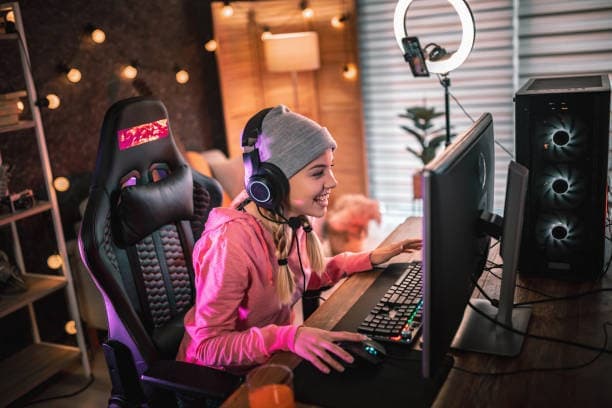
- Monday (Core 1 – Riot): Ranked coaching clinic (1.5–2h) + viewer VOD review (30m).
- Wednesday (Core 1 – Riot): Live ranked climb (2h) with specific goals (CS/min, ward timers).
- Thursday (Core 2 – Rockstar): GTA V RP episode (3h) with a 3-beat outline and a backup “court case” beat.
- Friday (Rotation): Trend test or community challenge (1.5–2h) with clear win conditions.
- Sunday: Analytics review + schedule publish + edit one highlight VOD and three shorts.
If your games differ, keep the structure: two days for Game A, one long day for Game B, one flexible slot. That balance has been the most sustainable for me.
Final Notes and Next Steps
Evergreen games let you build a channel that compounds. You’re not chasing novelty; you’re compounding skill, storylines, and community. Pick two core games with deep wells of content, schedule them predictably, nail 1080p60 reliability, and rotate three repeatable content pillars. Expect the first signs of stability by week two, stronger chat by week four, and a noticeable brand “feel” by week six.
If you’re starting today: choose your two games, write a 4-week calendar, and run a private test stream to lock in audio/video. Then go live—and keep going. Consistency turns “good enough” into growth.
FinalBoss // Gear
Level up your setup
01Capture cards (Elgato & more)on Amazon→02USB microphoneson Amazon→03Gaming keyboardson Amazon→04Gaming deskson Amazon→Affiliate links · As an Amazon Associate, FinalBoss earns from qualifying purchases.
Want to Level Up Your Gaming?
Get access to exclusive strategies, hidden tips, and pro-level insights that we don't share publicly.
Ultimate Guide Strategy Guide + Weekly Pro Tips