
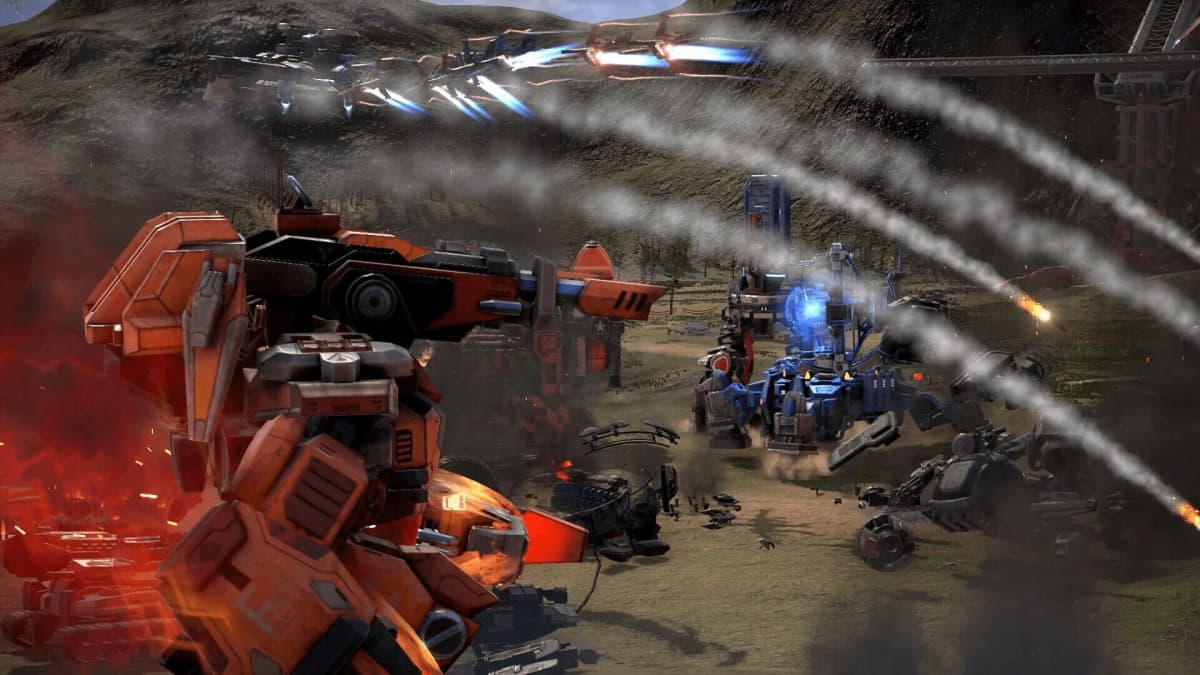
Mechabellum is a PC-based 1v1 tactical auto-battler in which players select starting packs, deploy giant mechs across a board, and watch automated combat resolve. Victory is determined by HP damage across battle phases, not by direct unit elimination alone. This guide examines the core loop, unit roles, placement logic, card and reinforcement systems, and tower mechanics that define early decision-making.
Table of Contents (6)
The Core Loop: Packs, Deployment, and Automated Combat
Each match begins with a pack selection that seeds your initial army. The game then proceeds in alternating rounds of deployment and automated battle. During deployment, you position units on your side of the board. Once the timer expires, both armies engage without further input. The outcome deals HP damage to the loser. When a player’s HP drops to zero, the match ends.
This structure shifts the strategic emphasis away from micro-management and toward pre-combat composition and positioning. Every choice is made in anticipation of what the opponent has already shown or is likely to field next.
Unit Roles and Interactions
Mechabellum organizes units into three primary roles that counter one another in a rock-paper-scissors relationship: chaff, chaff clear, and carry. Understanding these categories is necessary before deciding what to buy and where to place it.
- Chaff: Inexpensive, low-value units designed to absorb fire and protect more expensive pieces. Their purpose is to force enemy targeting onto low-value targets.
- Chaff clear: Units specialized in removing large numbers of weak enemies quickly, opening lines of fire toward the backline.
- Carry: High-cost, high-output units that deal the majority of your damage but are vulnerable if exposed.
Beyond this trinity, two functional tags shape army composition: tanks and anti-air. Tanks draw fire and endure punishment, while anti-air units answer flying threats that bypass ground-level blocking. A balanced deployment typically includes a mix of these elements, weighted toward whatever the opponent’s previous formations suggested.
Placement and Screening Principles
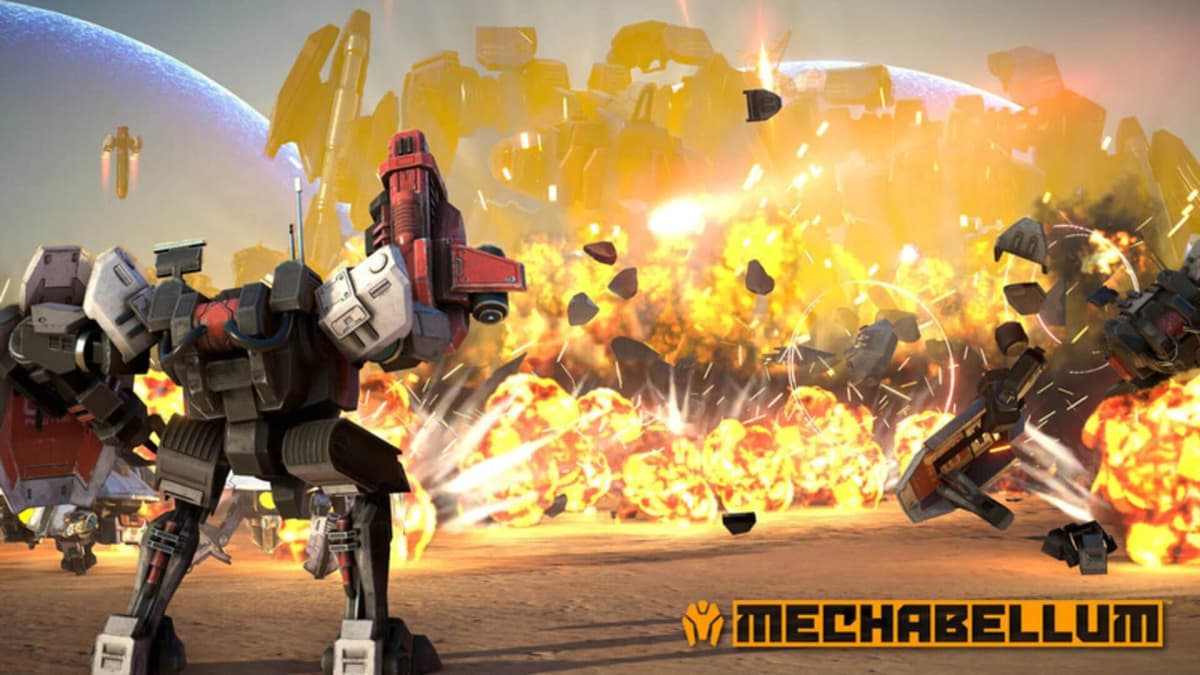
Placement determines whether your expensive units generate value or die before firing. The basic rule is to screen vulnerable backline carries with chaff or tanks positioned forward. If your highest-cost units are taking fire first, your frontline is not performing its screening function.
Effective placement forces the enemy to spend shots on low-value targets while your carries remain in range to return damage. Chaff that survives too long without absorbing fire is usually misplaced; conversely, chaff that dies instantly without protecting anything has been positioned too far forward or in a line that the enemy can bypass. The goal is to create a buffer that delays enemy contact with your damage dealers until the automated combat phase has progressed long enough for your carries to fire multiple volleys.
Cards, Reinforcements, and Leveling
At the start of every round, both players are shown the same choice of four cards. These cards alter units, provide resources, or adjust global parameters. Because the options are identical for both players, the difference lies in which card each player selects based on their board state and read of the opponent.
Every three rounds, a unit reinforcement drop occurs. All players receive the same set of unit options, maintaining parity while allowing divergent army builds.
Units gain experience during and after deployment, eventually leveling up. A leveled unit receives its level-one stats for half the unit’s purchase price. that said, leveling chaff is generally inefficient: when leveled chaff is destroyed, it grants more experience to the enemy than its un-leveled counterpart. The resource is better spent on carries and durable units that are expected to survive multiple rounds and leverage the stat increase.
Tower Mechanics and Base Damage
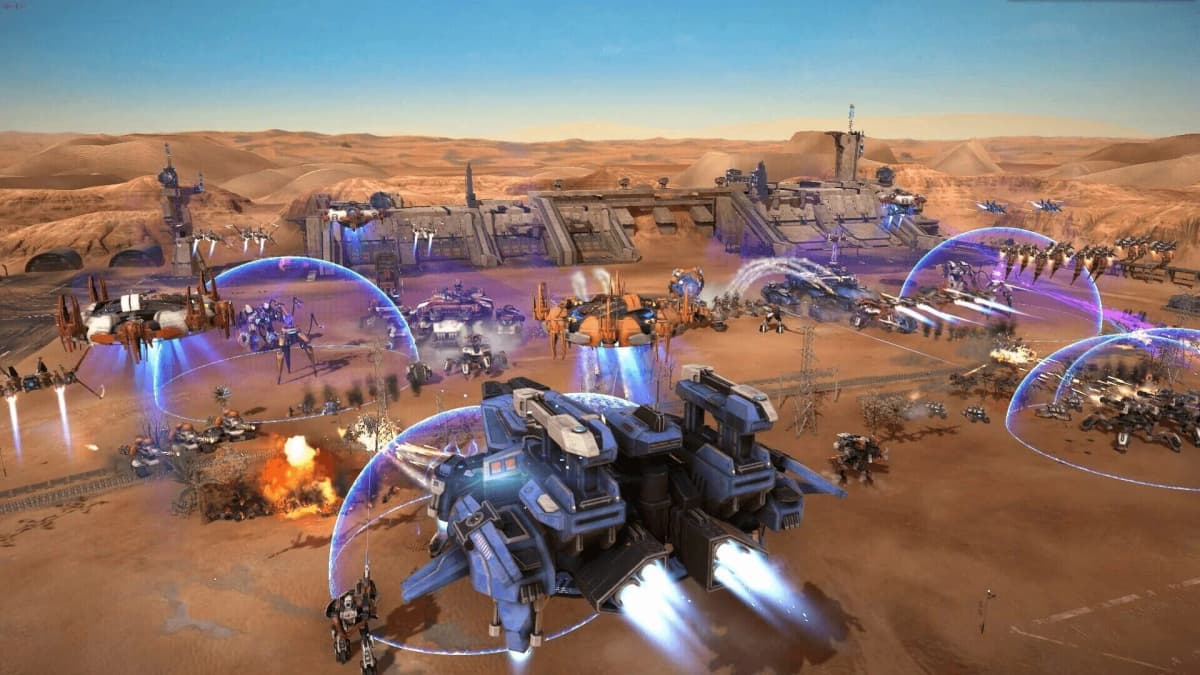
Towers are not static scenery. When a tower is destroyed, the owning player receives a debuff that reduces unit damage, movement speed, and increases damage taken for nine seconds. This penalty can swing a battle phase dramatically if it occurs while armies are still engaged. Protecting your own towers and prioritizing the opponent’s structures is therefore a positional objective embedded in the auto-battler format.
Winning a battle phase inflicts HP damage on the opponent. Because HP is the ultimate win condition, small cumulative advantages across multiple phases matter more than winning a single phase by a wide margin. Stable, repeatable board advantages translate directly into match victories.
A Practical Decision Framework for New Players
New players should approach each round as a reaction to visible information rather than a pre-planned build order. Examine the opponent’s deployment for role composition-do they lead with chaff, or do they have exposed carries? Select cards that patch your weaknesses or exploit theirs. Place chaff to intercept, carries to output, and anti-air where flight paths converge. Avoid over-investing in chaff levels, and check whether your formation leaves towers exposed to early pressure.
Focus first on consistent screening and role balance. Choose cards that answer the opponent’s visible threats, place chaff to absorb fire, and reserve levels for units that survive multiple rounds. Protect your towers to avoid the nine-second debuff, and treat every battle phase as an incremental trade toward zeroing the opponent’s HP.
FinalBoss // Gear
Level up your setup
01Top-rated gaming headsetson Amazon→02High-refresh gaming monitorson Amazon→03Gaming chairson Amazon→04Discounted game keyson Kinguin→Affiliate links · As an Amazon Associate, FinalBoss earns from qualifying purchases.
Want to Level Up Your Gaming?
Get access to exclusive strategies, hidden tips, and pro-level insights that we don't share publicly.
Ultimate Guide Strategy Guide + Weekly Pro Tips