
Menace makes a conscious trade: it gives you bombastic, squad-as-army battles and cinematic pacing instead of the minute-by-minute life-or-death micromanagement XCOM fans expect. The recent demo expansions and balance patches have reopened the conversation – and the verdict so far is simple: this is not a clone. It’s a different, deliberate take on alien-threat tactics that will please players who want spectacle and squad drama more than granular fiddliness.
- Key takeaway: Menace favors scale and cinematic moments over XCOM-style individual soldier care.
- Key takeaway: Demo updates and balance tweaks are already shaping how its suppression-and-focus-fire combat plays out.
- Key takeaway: The game’s ambitions (destruction, sound design, large maps) are promising – onboarding and identity of individual units remain the biggest risk.
Table of Contents (6)
Why the comparison to XCOM is the wrong conversation
Every new turn-based tactical game gets the XCOM question. Menace does too – but it practically hands you the answer. Where XCOM makes you fall in love with single soldiers, memorise their quirks, and agonise over every health bar, Menace hands you squads that behave like small regiments. Maps are larger, encounters are designed for focus-fire and suppression, and the spectacle of a well-coordinated strike is the emotional payoff, not a last-second clutch from a lone hero.
That distinction shows up in the design choices: multiple soldiers per squad, open, bombastic missions, and systems that reward unit cohesion over heroic individualism. PCGamesN summed it up neatly — “Menace isn’t XCOM, and that’s okay.” That isn’t faint praise. It’s a framing cue for what to expect from play sessions.
What the demo changes make clear
Hooded Horse and Overhype Studios have been iterating in public. The demo expansion that dropped ahead of early access is more than marketing: players can now test procedural operations, army-building loops, and the balance changes the devs rolled out after community feedback. Those tweaks emphasize suppression and removing some of the messy edge-cases that make overwatch-heavy systems frustrating.
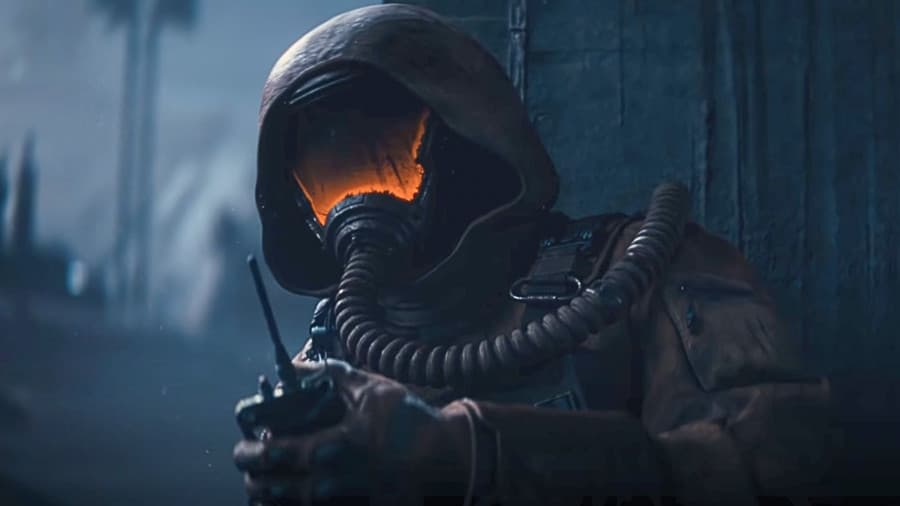
On the plus side, reviewers and hands-on impressions consistently praise the audiovisual work — destruction physics, animations, and sound design sell the power fantasy. The negative chorus is predictable and useful: onboarding is thin, the mini-map and tutorials don’t do the heavy lifting newer players need, and identity management of named soldiers can already feel diluted when squads are treated as units rather than characters.
The uncomfortable observation
PR will spotlight scale, day-one PC Game Pass, and multilingual support (the game launches with a long list of languages). What they aren’t primed to lead with is how that scale masks a real design gamble: making each unit feel meaningful when the gameplay rewards treating them as cogs. If Menace wants both spectacle and attachment, it needs systems that make squad composition and soldier stories mechanically relevant — not just window dressing.
If I were on the Steam discussion now, the question I’d put to the devs is direct: how do you sustain soldier identity when the core tactics push toward treating squads like armies? Their answer will tell us whether Menace becomes a memorable tactical RPG or a very pretty strategy sandbox.
Why this matters for the tactical genre
We’re in a moment where turn-based design is branching. Some games go deep into granular simulation (XCOM, Xenonauts), others lean into narrative or RPG systems (Baldur’s Gate 3), and a few try to fold spectacle into tactics. Menace sits in that last lane. If it succeeds, it gives players a third familiar shorthand: not “XCOM with better graphics” but “squad-level, cinematic tactics.” That’s useful: genre labels only help when mechanics match player expectations.
What to watch next
- First major post-demo balance patch: look for fixes to onboarding, UI, and changes to suppression/overwatch mechanics. That will show if the devs heard player feedback.
- Developer communication (devlogs/Steam posts): will they double down on squad drama systems that preserve soldier identity, or lean further into spectacle?
- Community metrics after EA launch: Steam concurrent players and early reviews will indicate whether the scale resonates or feels shallow.
Menace is not a better or worse XCOM — it’s a different promise. Right now that promise is appealing: the demo’s balance changes point to a team listening to players, the audiovisual work sells the fantasy, and the day-one availability across PC stores (including Game Pass) removes access friction. The danger is familiar: ambitious scope from a relatively small team increases the chances that core systems like onboarding and soldier identity will be underbaked.
TL;DR
Menace deliberately rejects XCOM’s minute-by-minute micromanagement in favor of cinematic, squad-driven tactics. The recent demo and balance tweaks show promise, but the game still needs stronger onboarding and ways to make individual soldiers feel consequential. Watch the next big post-demo patch and the devlogs — they’ll tell if Menace can turn spectacle into a satisfying tactical identity.
FinalBoss // Gear
Level up your setup
01Top-rated gaming headsetson Amazon→02High-refresh gaming monitorson Amazon→03Gaming chairson Amazon→04Discounted game keyson Kinguin→Affiliate links · As an Amazon Associate, FinalBoss earns from qualifying purchases.
Want to Level Up Your Gaming?
Get access to exclusive strategies, hidden tips, and pro-level insights that we don't share publicly.
Ultimate Gaming Strategy Guide + Weekly Pro Tips