
Table of Contents (14)
Why Play Order Matters in Metal Gear (And How I Got It Wrong)
The first time I tried to “do Metal Gear properly” I jumped from Metal Gear Solid 2 straight into Metal Gear Solid V: The Phantom Pain. Big mistake. I kept seeing names and organizations I barely recognized, and the emotional beats in V’s ending just didn’t land.
After spending another 60+ hours replaying the series in different orders, I finally found a couple of routes that make the story click without forcing you to dig out ancient hardware. This guide is the version I wish I’d had: focused on canon, clear about what you can safely skip, and grounded in what’s actually available in 2026 (like Master Collection Vol.1 and Metal Gear Solid Delta: Snake Eater).
I’ll keep story spoilers to an absolute minimum. I’ll mention time periods and which “Snake” you’re playing as, but I won’t spell out the big twists.
The Canon in One Glance: 11 Story-Critical Games
Across all the ports, spin-offs, and oddities, there are 11 story-canon games you need to care about for the main saga (1964-2018).
In chronological timeline order (in-universe years):
- 1964 – Metal Gear Solid 3: Snake Eater (or Metal Gear Solid Delta: Snake Eater remake)
- 1970 – Metal Gear Solid: Portable Ops (canon status debated; optional but referenced)
- 1974 – Metal Gear Solid: Peace Walker
- 1975 – Metal Gear Solid V: Ground Zeroes
- 1984 – Metal Gear Solid V: The Phantom Pain
- 1995 – Metal Gear (MSX version; included in most modern collections)
- 1999 – Metal Gear 2: Solid Snake (MSX)
- 2005 – Metal Gear Solid
- 2009 – Metal Gear Solid 2: Sons of Liberty
- 2014 – Metal Gear Solid 4: Guns of the Patriots
- 2018 – Metal Gear Rising: Revengeance (canon epilogue, action-focused spin-off)
On top of those, there’s a pile of non‑canon or side material you can safely skip for a clean first run:
- Metal Gear Survive – parallel universe zombie spin-off, explicitly non‑canon.
- Metal Gear Acid 1 & 2 – card-based tactics, alternate continuity.
- Metal Gear: Ghost Babel (GBC) – alternate timeline.
- Snake’s Revenge – unofficial Western sequel, non‑canon.
- Mobile/social games like Metal Gear Solid: Social Ops – non‑essential.
For a first serious playthrough, focusing on the 11 games above keeps the narrative tight and avoids lore rabbit holes.
Two Main Ways to Play: Chronological vs. Release Order
I’ve finished the saga in both chronological and original release order. Both work, but they feel very different. Here’s the tradeoff I wish someone had explained to me clearly.
Option 1 – Chronological “Big Boss First” Order
This is my preferred route for 2026, especially with modern remasters and Delta available. You follow the story as it “actually happens” in-universe, starting with Big Boss and ending with Raiden’s cyborg rampage.
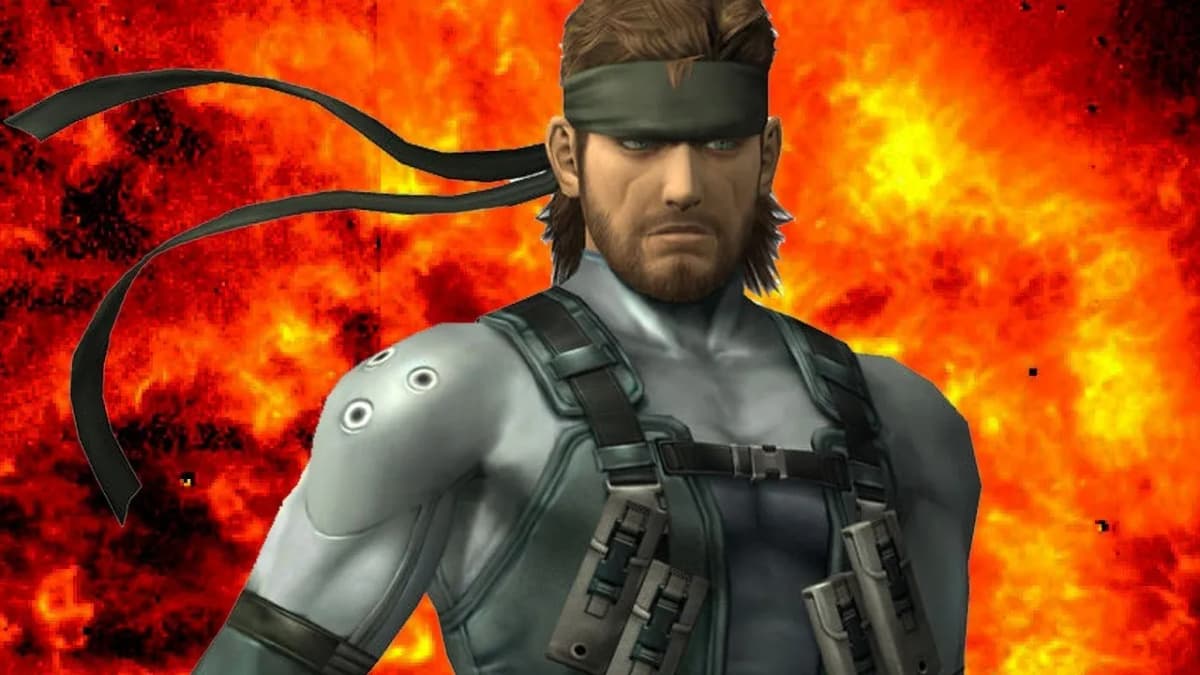
Play in this order:
- Metal Gear Solid 3: Snake Eater or Metal Gear Solid Delta: Snake Eater (1964)
- Metal Gear Solid: Portable Ops – optional but nice to slot here (1970)
- Metal Gear Solid: Peace Walker (1974)
- Metal Gear Solid V: Ground Zeroes (1975)
- Metal Gear Solid V: The Phantom Pain (1984)
- Metal Gear (1995)
- Metal Gear 2: Solid Snake (1999)
- Metal Gear Solid (2005)
- Metal Gear Solid 2: Sons of Liberty (2009)
- Metal Gear Solid 4: Guns of the Patriots (2014)
- Metal Gear Rising: Revengeance (2018)
Why it’s good: the Big Boss arc (MGS3 → Peace Walker → MGSV) feels like one continuous tragedy, and when you finally shift to the classic Metal Gear / Metal Gear Solid games, you already understand why the world is the way it is. V’s ending also lands harder if you follow it directly with the original Metal Gear duology.
Downside: you lightly dull one of the original PS1-era twists, because you’re going in already knowing more about Big Boss than 90s players did. Personally, the emotional payoff outweighed that tradeoff for me on a modern playthrough.
Option 2 – Original Release Order (Best for First-Timers Who Love Twists)
If you want to experience the series as players did when it was new-preserving the big “wait, who is Big Boss really?” moments-this is the way. The timeline jumps around, but the story is written to support that.
Play in this order:
- Metal Gear (1987)
- Metal Gear 2: Solid Snake (1990)
- Metal Gear Solid (1998)
- Metal Gear Solid 2: Sons of Liberty (2001)
- Metal Gear Solid 3: Snake Eater (2004)
- Metal Gear Solid 4: Guns of the Patriots (2008)
- Metal Gear Solid: Peace Walker (2010)
- Metal Gear Solid V: Ground Zeroes (2014)
- Metal Gear Solid V: The Phantom Pain (2015)
- Metal Gear Rising: Revengeance (2013, set in 2018)
- Metal Gear Solid: Portable Ops can slot in after MGS3 or before Peace Walker whenever you can access it.
Why it’s good: this preserves the original pacing of mysteries and reveals. The writing often assumes you don’t yet know Big Boss’s full backstory, so some conversations feel sharper when you follow this path.
Downside: mechanically you jump back and forth in time and tech: you’ll go from slick PS2 sneaking to more old-school MSX-style movement, then back again. I found this jarring on a replay, but if you’re patient with older design, it’s a rewarding “museum tour” of the whole franchise.
Quick Decision Guide: Which Path Is Right for You?
Here’s the short version based on what actually stuck for me and my friends:
- You want a clean, movie-like saga from start to finish → Pick the chronological Big Boss-first order.
- You love plot twists and don’t mind dated controls → Pick the original release order.
- You mainly care about modern gameplay → Start with Metal Gear Solid V: The Phantom Pain, then backfill with the rest if you fall in love.
- You’re testing the waters with one game → Start with MGS3 (original or Delta). It stands alone surprisingly well and introduces the core themes.
If you’re still paralyzed by choice, my honest recommendation in 2026 is:
Start with MGS3 (or Delta), then follow the chronological order from there. It’s the best balance between story, modern access, and gameplay.
Start with MGS3 (or Delta), then follow the chronological order from there. It’s the best balance between story, modern access, and gameplay.
🎮 Get This Game at the Best Price
Compare prices instantly and save up to 80% on Steam keys with Kinguin — trusted by 15+ million gamers worldwide.
*Affiliate link — supports our independent coverage at no extra cost to you
What to Actually Buy and Play in 2026
This is where I wasted the most time: trying to figure out which versions are worth hunting down, and in what order, on modern systems. Here’s the practical route that worked for me.
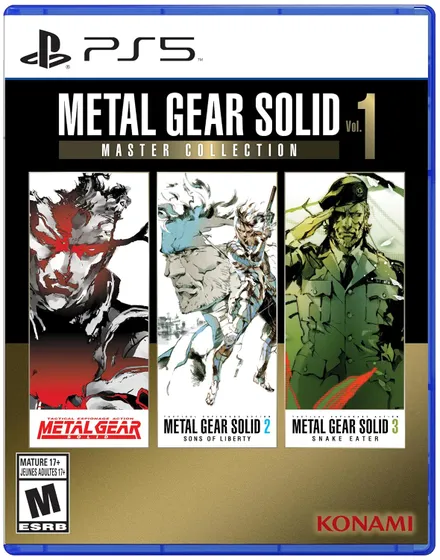
Step 1 – Grab Metal Gear Solid: Master Collection Vol. 1
Platforms: PlayStation, Xbox, PC, Nintendo Switch (check your store region).
This collection is your main entry ticket. It bundles:
- Metal Gear (MSX version)
- Metal Gear 2: Solid Snake
- Metal Gear Solid
- Metal Gear Solid 2: Sons of Liberty
- Metal Gear Solid 3: Snake Eater
With just this one purchase you can cover either:
- The entire Solid Snake arc up to 2004 (MGS3 chronologically, then MG1–MGS2), or
- The first half of the release order path.
My advice: as soon as you get the collection, start with MGS3-even though it’s the third numbered game, it’s the first story chronologically. It also sets up basically every major idea the series keeps coming back to: patriotism, betrayal, nuclear deterrence, and the cost of loyalty.
Step 2 – Decide: Original MGS3 or Metal Gear Solid Delta?
By now, Metal Gear Solid Delta: Snake Eater is out on modern hardware and has already crossed two million sales. I’ve played both the PS2 original (and its HD versions) and Delta, and here’s how I’d choose:
- Pick Delta if you want modern visuals, audio, and controls while keeping the original dialogue and story.
- Pick the Master Collection version if you’re a purist or you don’t want to buy an extra game right away.
Story-wise they tell the same events in 1964, so from a timeline perspective either is fine. I played Delta on my first full chronological run and didn’t feel like I missed anything crucial.
Step 3 – Add Metal Gear Solid V (Ground Zeroes + Phantom Pain)
Platforms: PS4/PS5 (via BC), Xbox One/Series, PC.
Next, you’ll want both parts of MGSV:
- Metal Gear Solid V: Ground Zeroes – a standalone prologue set in 1975.
- Metal Gear Solid V: The Phantom Pain – the massive 1984 open-world follow-up.
Most digital stores sell them separately, but they’re often discounted, and your save doesn’t need to carry over for story comprehension. I highly recommend actually playing Ground Zeroes instead of just watching a recap. Its final mission sets the emotional state of everyone in Phantom Pain.
Once you’ve cleared MGSV, you’ve essentially finished the Big Boss arc. At that point I like to jump straight into the original Metal Gear inside Master Collection and feel the tonal whiplash of going from 1984 back to 1995 tech. It makes the story connection between Phantom Pain’s final twist and the early games much stronger.
Step 4 – Track Down the Rest (MGS4, Peace Walker, Portable Ops, Rising)
This is the messy part in 2026, because not everything is neatly remastered yet.
- Metal Gear Solid: Peace Walker – Available on older HD Collections and some digital storefronts; chronologically 1974, ideally played before MGSV. If you can’t access it, you can still follow MGSV’s story, but you’ll miss some character history.
- Metal Gear Solid 4: Guns of the Patriots – Still primarily locked to PS3. It’s canonically essential (it wraps up a ton of loose ends), but if you don’t have the hardware, you may need to wait for a new collection or watch a detailed recap.
- Portable Ops – Nice-to-have connective tissue between MGS3 and Peace Walker, but even the series creator has called it “semi-canon.” Don’t stress if you can’t find it.
- Metal Gear Rising: Revengeance – Easy to find on modern platforms. It’s set after MGS4 and focuses on Raiden; tonally more over-the-top action, but still canon. Treat it as a fun epilogue once you’ve seen the main saga through.
Don’t make my mistake of obsessing over playing everything “perfectly” in order before you even start. Begin with what you can easily access (Master Collection + MGSV), then fill gaps as new remasters or collections appear.
What You Can Safely Skip (At Least for Now)
To keep your first run focused and enjoyable, here’s what I’d deliberately leave for later:
- Metal Gear Survive – Non‑canon alternate reality; fun curiosity if you really love the MGSV engine, but contributes nothing to the main story.
- Acid 1 & 2, Ghost Babel, Snake’s Revenge – Interesting historical artifacts, but they either contradict the main timeline or sit in their own universe.
- Mobile/social games – Almost all are side stories or gacha experiences with no major plot reveals.
- Portable Ops, if you can’t access it – Read a short summary later; key beats are loosely referenced elsewhere.
Focusing on the 11 core titles first means you actually finish the saga instead of burning out in the weeds, which is exactly what happened to me on my first attempt.
Putting It All Together (And What to Expect)
If you follow the chronological Big Boss-first route using modern releases, your practical play plan in 2026 looks like this:
- MGS3 or Delta (Master Collection or standalone) – 1964
- Peace Walker if available – 1974
- Ground Zeroes → Phantom Pain – 1975 & 1984
- Metal Gear → Metal Gear 2 → MGS1 → MGS2 (all in Master Collection) – 1995–2009
- MGS4 on PS3 (if you can) – 2014
- Rising: Revengeance – 2018 epilogue
Expect this to be a long-term project. If you’re playing fairly casually, you’re looking at 150–250 hours across the whole saga depending on how completionist you get, with MGSV and Peace Walker being the biggest time sinks if you chase every extra mission.
The payoff, though, is huge. Once you’ve cleared that final Rising boss fight or watched the last MGS4 cutscene, the callbacks between games feel incredibly deliberate—because they are. Konami’s current wave of re-releases and the success of Metal Gear Solid Delta finally make it realistic to experience that full arc without emulators or obscure imports.
If I can give you one last piece of advice from my own failed attempts: don’t wait for the “perfect” collection lineup. Grab Master Collection Vol.1, add MGSV, pick your order (chronological or release), and start sneaking. You can always fill the gaps later—but the story only truly hits once you’ve actually lived through it.
FinalBoss // Gear
Level up your setup
01Top-rated gaming headsetson Amazon→02High-refresh gaming monitorson Amazon→03Gaming chairson Amazon→04Discounted game keyson Kinguin→Affiliate links · As an Amazon Associate, FinalBoss earns from qualifying purchases.
Want to Level Up Your Gaming?
Get access to exclusive strategies, hidden tips, and pro-level insights that we don't share publicly.
Ultimate Guide Strategy Guide + Weekly Pro Tips