

Metro Rivals: New York marries UE5 ‘sim‑cade’ subway racing with purchasable music
Game intel
Metro Rivals: New York
Reputation is paramount; strategy is key, and all-out speed can make or break everything. Welcome to Metro Rivals—a genre-defying subway simcade game where you…
A subway racer from Dovetail with reactive, purchasable music? Now you’ve got my attention
Dovetail Games, the studio best known for serious rail sims like Train Sim World, just announced Metro Rivals: New York – a “sim‑cade” subway racer built in Unreal Engine 5 and powered by Reactional Music’s real-time, procedural soundtrack tech. It’s up for wishlisting on Steam, Epic, PS5 and Xbox Series X|S today, aiming for early 2026. The pitch is wild: gritty, competitive subway racing in NYC where the music adapts to your driving, with the option to buy commercial tracks that plug straight into the game’s reactive score.
Key Takeaways
- Metro Rivals: New York targets an early 2026 launch on PC and current-gen consoles; wishlists are live now.
- Built in UE5 with Lumen/Nanite and procedural systems – a big swing beyond Dovetail’s usual pure-sim comfort zone.
- Reactional Music’s engine promises instant, reactive soundtrack swapping and the ability to buy commercial songs in-game.
- Huge potential for vibes and personalization – but real questions around pricing, streamer safety, and nickel-and-diming.
Breaking down the announcement
“Sim‑cade” is the right word here. Dovetail’s co-CEO Gemma Brown frames it as Crazy Taxi meets Need for Speed: Underground, which tells me the focus is speed, spectacle, and competitive edge, not timetable punctuality and brake curves. For a studio known for rivet-counting authenticity, that’s a refreshing pivot — and potentially the smartest way to use the New York City subway: a high-speed labyrinth with personality and danger baked in.
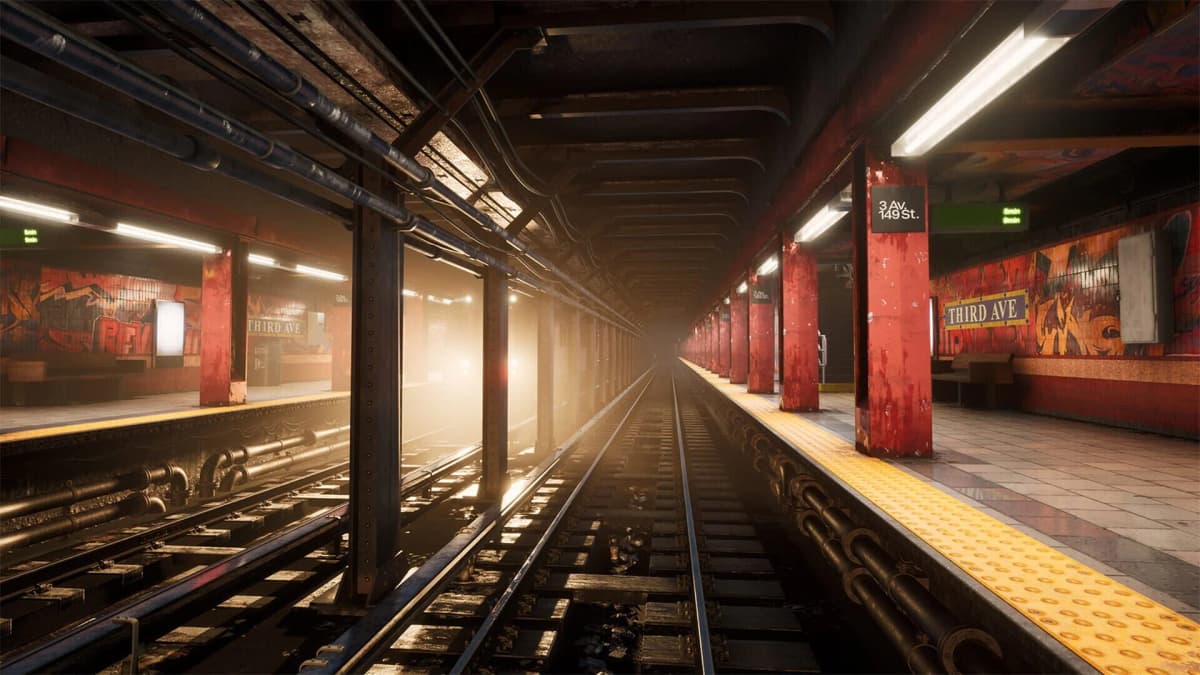
This is also Dovetail’s first UE5 project. If they truly lean into Nanite and Lumen, we could get dense station geometry, grime and tiles that actually read under dynamic lighting, and fast tunnel transitions without the usual pop-in that plagues high-speed urban games. The promise of “procedural generation” suggests dynamic encounters — rush-hour crowds, service disruptions, rival AI behaviors — though the release stops short of spelling that out. I want to see how they translate “racing” to subway cars without losing the fantasy; it needs clean rulesets, readable hazards, and a 60fps target on consoles or it won’t land.
The real story: music as a monetization pillar
Reactional’s pitch is bigger than one game: fully native, reactive music that you can swap on the fly, with commercial tracks sold as in-game purchases. Think the stylistic impact of NFS: Underground’s soundtrack, but reactive to your moment-to-moment play — bass kicking as you nail a perfect overrun, drums shifting as you switch lines — and, crucially, you paying to add more tracks.
On paper, that’s cool. Games thrive when audio supports flow. If Reactional’s tech maps musical structure (tempo, key, stems) to gameplay events reliably, the right song at the right second could make threading a packed express feel electric. But let’s talk friction:
- Price and scope: Are we buying individual songs, packs, or a subscription? If a track costs the same as a cosmetic skin, will players bite?
- Ownership questions: Do purchased songs work offline? Do they carry across platforms? What happens if licensing changes post-launch?
- Streamer safety: Reactive or not, licensed music can trigger takedowns. Will there be a streamer-safe mode with rights-cleared alternatives or dynamic mixes?
- Integration quality: If tracks are just slapped on top, it’s radio-by-microtransaction. The promise lives or dies on deep integration with gameplay states and stems.
We’ve seen licensed music used smartly (Forza Horizon’s stations, GTA’s radio, Fortnite’s emotes), and we’ve seen music games shut down despite devoted fans (Fuser). Reactional wants to turn music into a scalable cosmetic layer like decals or emotes. That could be a win for personalization — or a new way to nickel-and-dime a core experience that should already come with a killer soundtrack. Given Dovetail’s history of sprawling DLC libraries, the community is right to keep eyes open here.
Want to Level Up Your Gaming?
Get access to exclusive strategies, hidden tips, and pro-level insights that we don't share publicly.
Ultimate Gaming Strategy Guide + Weekly Pro Tips
Dovetail + UE5: big potential, fair skepticism
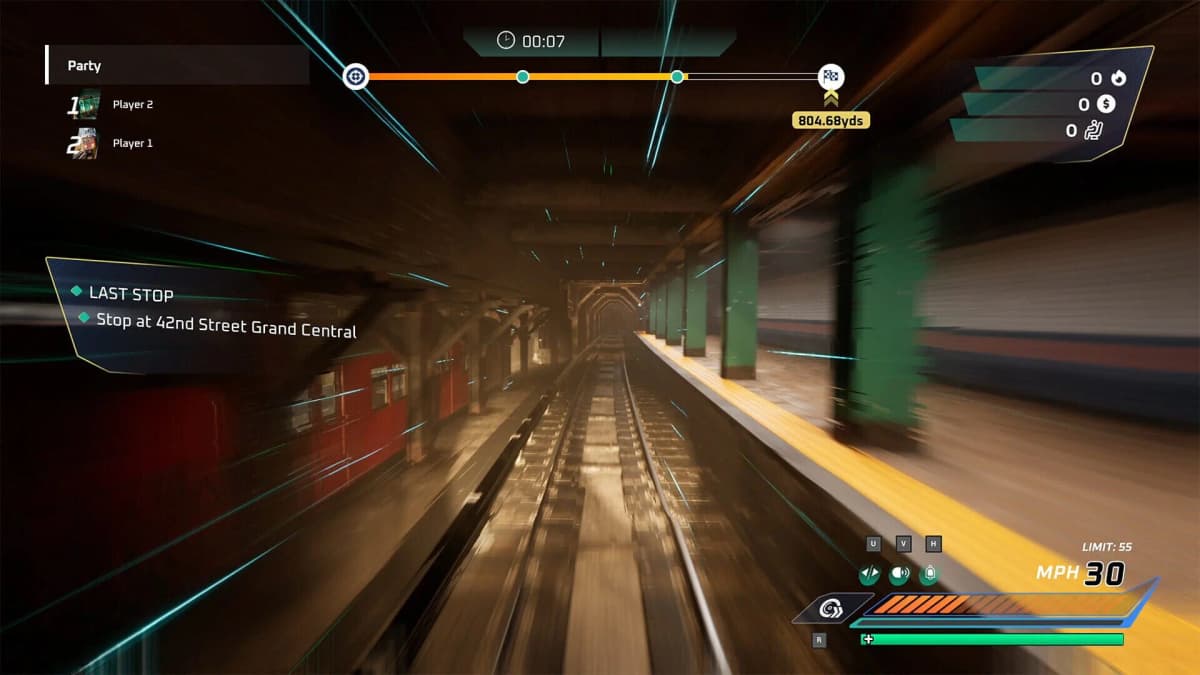
I’ve spent enough time with Dovetail’s sims to know they care about the feel of trains — the audio, the weight, the environment — even when performance hiccups happen. Moving to UE5 and chasing arcade intensity raises new challenges: input latency at speed, collision readability in tight tunnels, AI rivals that aren’t rubber-band nightmares, and a camera that sells velocity without inducing nausea. If Metro Rivals hits those fundamentals, the “New York attitude” they’re touting could shine.
The procedural talk is intriguing for replayability. Imagine commuter density shifting your route risk, dynamic service advisories forcing mid-run choices, or scoring that rewards risky transfers. That’s the kind of systemic chaos that gives a racer identity. Until we see raw gameplay, though, “procedural” is marketing fog. Show me a three-minute uncut run with music swapping on the fly and I’ll believe.
What gamers should watch for
- Real gameplay: Movement model, crash penalties, camera, and framerate matter more than any buzzword.
- Music implementation: Is it truly reactive with stems and transitions, or just playlist swapping? And is there a streamer-safe option?
- Monetization clarity: Base soundtrack quality, pricing for commercial tracks, and whether music IAPs affect progression or are purely cosmetic.
- Content cadence: Dovetail loves post-launch add-ons. Great for longevity if priced fairly; frustrating if the base feels thin.
For now, Metro Rivals: New York is one to wishlist if you’ve ever wanted an arcade racer with heavy steel and third-rail sparks. The concept is fresh, the tech is ambitious, and the city is perfect for high-stakes chaos. Just keep your expectations measured until Dovetail shows the goods — and keep your wallet guarded if “pay-to-vibe” creeps too far into the core experience.
TL;DR
Metro Rivals: New York is a UE5 “sim‑cade” subway racer with reactive music and purchasable commercial tracks, targeting early 2026. It could be a banger if the driving feels great and the music tech truly syncs with play — but watch the monetization and demand real gameplay before you get fully onboard.