
Metro Rivals: New York Turns Train Sims Into PvP Street Culture—And I’m Intrigued
Game intel
Metro Rivals: New York
Reputation is paramount; strategy is key, and all-out speed can make or break everything. Welcome to Metro Rivals—a genre-defying subway simcade game where you…
Why Metro Rivals Caught My Eye
Dovetail Games-the studio behind Train Simulator and Train Sim World-is throwing a curveball: Metro Rivals: New York, a “subway simcade” with a single‑player campaign and four‑player PvP, slated for early 2026 on Steam, Epic Games Store, PlayStation 5, and Xbox Series X|S. As someone who’s logged unhealthy hours chasing perfect station stops in Train Sim World, this caught my attention because it finally asks a spicy question: what if train mastery wasn’t just zen and timetables-what if it was competitive?
Key Takeaways
- Simcade pivot: authentic train handling meets arcade pacing, boss districts, and score-chasing.
- Multiplayer matters: first proper PvP from Dovetail, with precision scoring over raw speed.
- UE5 debut: Nanite/Lumen plus procedural systems aim for mood, density, and motion underground.
- Cosmetics-only monetization is promised—but Dovetail’s DLC-heavy past means we’ll watch closely.
Breaking Down the Announcement
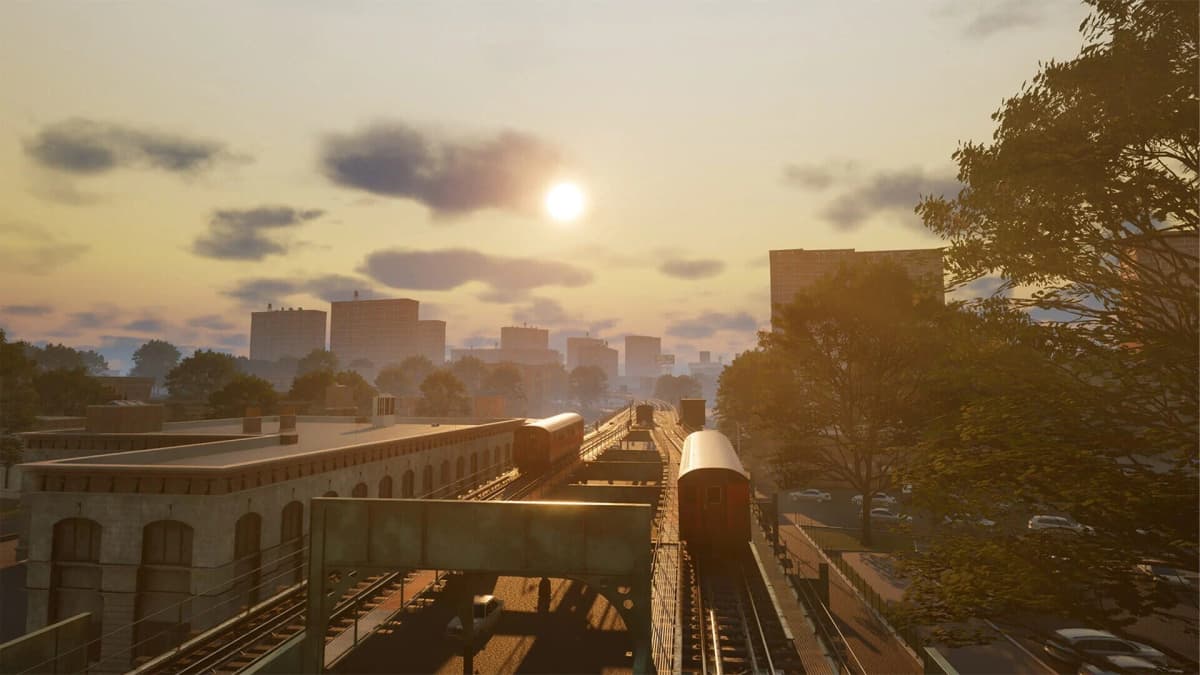
Set in a near-future NYC carved into 10 rival districts, Metro Rivals builds its campaign around five “Track Titans”—celebrity drivers guarding their turf. You start with a clunker of a train and work your way up by completing missions, earning fares, upgrading performance, and growing your following. It’s part street legend, part sim discipline: you’re rewarded for strategy, precision, and keeping your cool under pressure, not just mashing the throttle and praying the brakes hold.
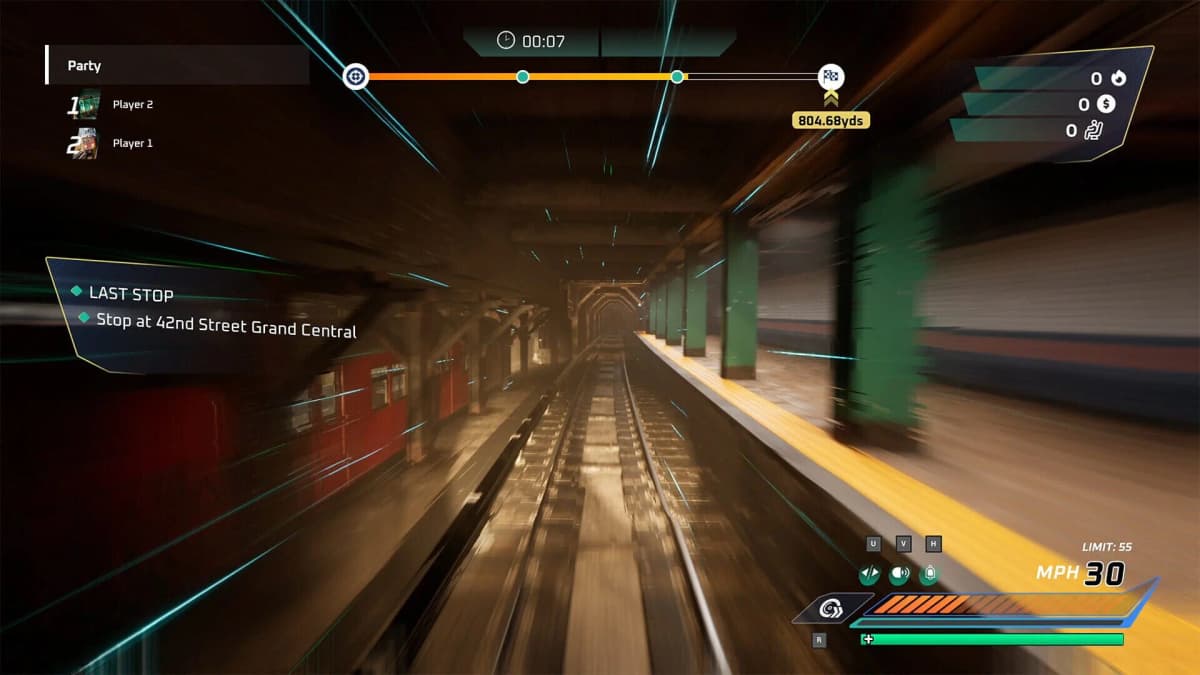
The PvP pitch is smaller scale but smart: up to four players race to hit designated platforms, and the scoring focuses on precision—smooth braking, accurate door alignment, adherence to signals—rather than sprinting between stations. That fits trains. It turns the stuff sim fans obsess over (stopping on the marker, obeying speed limits, managing traction and brake curves) into competitive metrics instead of background chores. Asynchronous leaderboards should keep the grind alive between matches, too.
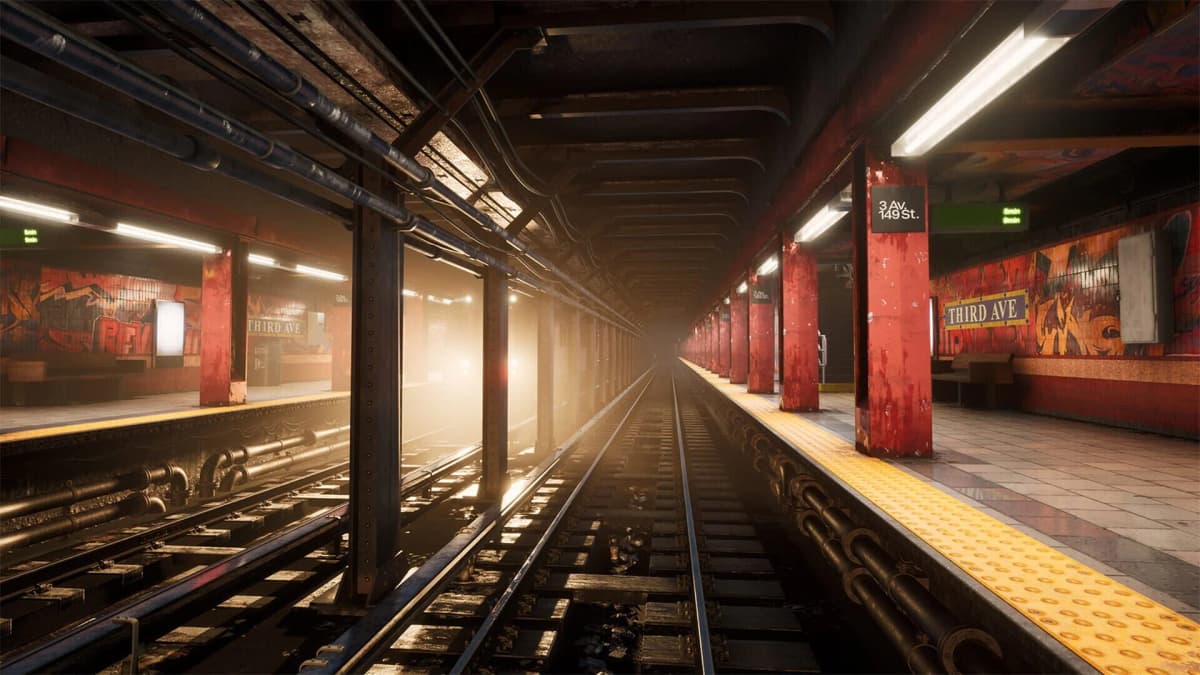
Dovetail’s making two big tech moves here. First, it’s their Unreal Engine 5 debut, with Nanite and Lumen promising better scene detail and subterranean lighting. That matters more in a subway than it sounds; tunnel lighting, reflections off steel, and platform ambience sell the mood. Second, they’re partnering with Reactional Music for procedural soundtrack logic, so music reacts to your driving and intensity. If it’s more than a BPM gimmick—think dynamic layers ramping with overspeed warnings, late arrivals, or a Titan showdown—it could be the secret sauce that makes a “just one more run” loop sing.
Why This Matters for Train Fans and Sim Racers
“Simcade” usually belongs to car games—Forza Horizon, Grid, the sweet spot where handling models stay readable but still let you flex skill. Applying that to trains is weird in the best way. Dovetail already knows authentic systems: speed limits, grades, braking curves, signal compliance, maybe even near-future takes on CBTC/ATO. Wrapping that in a boss-structured campaign with performance upgrades and style gives train mastery an audience beyond the usual timetable enjoyers.
The near-future setting is telling. It likely loosens licensing shackles with the MTA while letting Dovetail stylize the city and introduce larger-than-life rivals. That could also give them permission to tweak physics and rules without a realism purity test. If they nail the feel—weight, wheel slip, the satisfying bite of a good service brake—this could do for trains what Rocket League did for car control: turn nuance into spectacle.
Want to Level Up Your Gaming?
Get access to exclusive strategies, hidden tips, and pro-level insights that we don't share publicly.
Ultimate Gaming Strategy Guide + Weekly Pro Tips
The Skeptic’s Corner: Monetization, Physics, and Netcode
Dovetail promises “cosmetics only” for in-game purchases. Good. But let’s be honest: the studio’s legacy is a blizzard of DLC for Train Simulator and Train Sim World. Cosmetic-only is the right call here, yet I’ll be watching for how aggressive the store is and whether core features or routes trickle out as paid add-ons post-launch. A live service drip can work if the base package is generous and competitive parity isn’t compromised.
On gameplay: the upgrade path has to respect the sim side. If acceleration and braking upgrades turn trains into rollercoasters, the whole “precision over speed” ethos collapses. Let tech trees lean into reliability, heat management, or handling finesse rather than cartoonish top speed. Also, the four-player cap sounds small, but precise stopping contests actually benefit from fewer bodies and cleaner reads; chaos for chaos’ sake isn’t better here.
Then there’s netcode. Millimeter-accurate stops and signal obedience don’t mix well with latency spikes. If Metro Rivals wants tense photofinish arrivals and tight scoring, it needs robust prediction and authoritative servers. Dovetail hasn’t shipped competitive multiplayer before, so this is their crucible. Launch stability and fair anti-cheat will matter more than flashy trailers.
Looking Ahead: What to Watch Before Launch
- Hands-on feel: Does the handling carry real weight, or is it arcade mush with a train skin?
- Scoring depth: Are we graded on braking curves, dwell times, signal adherence, passenger comfort—stuff that rewards mastery?
- Content scope at launch: How many districts, event types, and trains ship day one without a paywall?
- Performance on consoles: UE5 in underground spaces is a lighting showcase, but frame pacing needs to be rock solid.
- Music integration: Is the procedural score reactive in meaningful layers or just tempo shifts?
Wishlists are live now, and early 2026 is a sensible runway for a first UE5 and first PvP outing. If Dovetail threads the needle—authenticity where it counts, style where it helps, and a fair cosmetic economy—Metro Rivals could carve a new niche: competitive train handling that’s actually fun to watch and even better to play.
TL;DR
Metro Rivals: New York turns train mastery into a score-chasing simcade with four-player PvP, UE5 visuals, and reactive music. It looks like the bold, watch-this-space pivot Dovetail needed—provided the physics stay honest, the netcode holds, and “cosmetics-only” stays exactly that.