
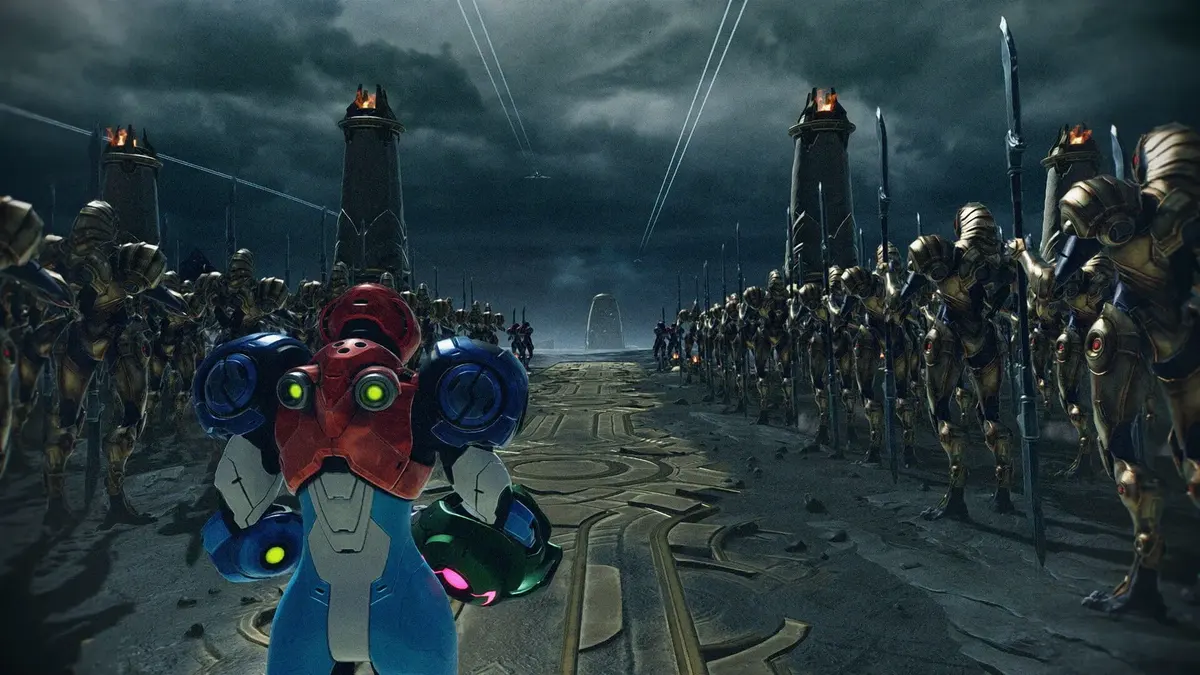
Console transitions get expensive before the old hardware stops being useful. An original Switch can still serve its owner perfectly well, with a library worth keeping, while Nintendo starts reserving new adventures for its successor. Metroid Ravenous brings that awkward stage into focus for anyone whose next hardware purchase depends on where Samus goes.
Nintendo revealed Ravenous during its September 2026 Direct. The important consequence reaches beyond the trailer: an original Switch owner interested in this particular adventure now has a console purchase to consider alongside the game.
My position is straightforward. Nintendo can draw a generational boundary, and developers should have room to leave older hardware behind. But I would not buy a Switch 2 on the strength of this announcement alone. Ravenous gives the upgrade a purpose; the game and the wider library still have to earn the expense.
Table of Contents (5)
What Switch 2 exclusivity means for original Switch owners
Metroid Ravenous is scheduled for January 28, 2027, exclusively on Nintendo Switch 2. The announced release cannot be played on an original Switch. There is no original-Switch edition in the release plan, so this is a decision about access rather than choosing between two versions with different visual settings.
That distinction matters at the checkout. Buying Ravenous does not provide a route around the hardware requirement. Neither a physical cartridge nor a digital purchase makes the game compatible with the older console. For someone who owns only an original Switch, the practical entry price includes a Switch 2.
I would also leave a hypothetical later port out of the buying calculation. Waiting is a sensible response to an expensive upgrade; waiting because an older-hardware edition must eventually arrive is a bet on a release Nintendo has not announced. Those are different decisions, and only the first rests on something the player controls.
A 2D presentation does not settle the hardware argument
Ravenous sends Samus Aran into a labyrinth-like underground world on an unfamiliar moon after an ambush leaves her stranded. Its side-scrolling action includes parrying, Morph Ball traversal and absorbing energy from stunned enemies to regenerate. The “eat or be eaten” theme gives that last mechanic a clear place in the adventure’s identity.
Those details interest me more than the platform badge. Energy absorption could make the decision to approach a vulnerable enemy matter to survival, while parrying puts timing and readability under scrutiny. I want to see how those systems interact across sustained exploration and combat, rather than treating their presence in an announcement as a finished argument for the game.
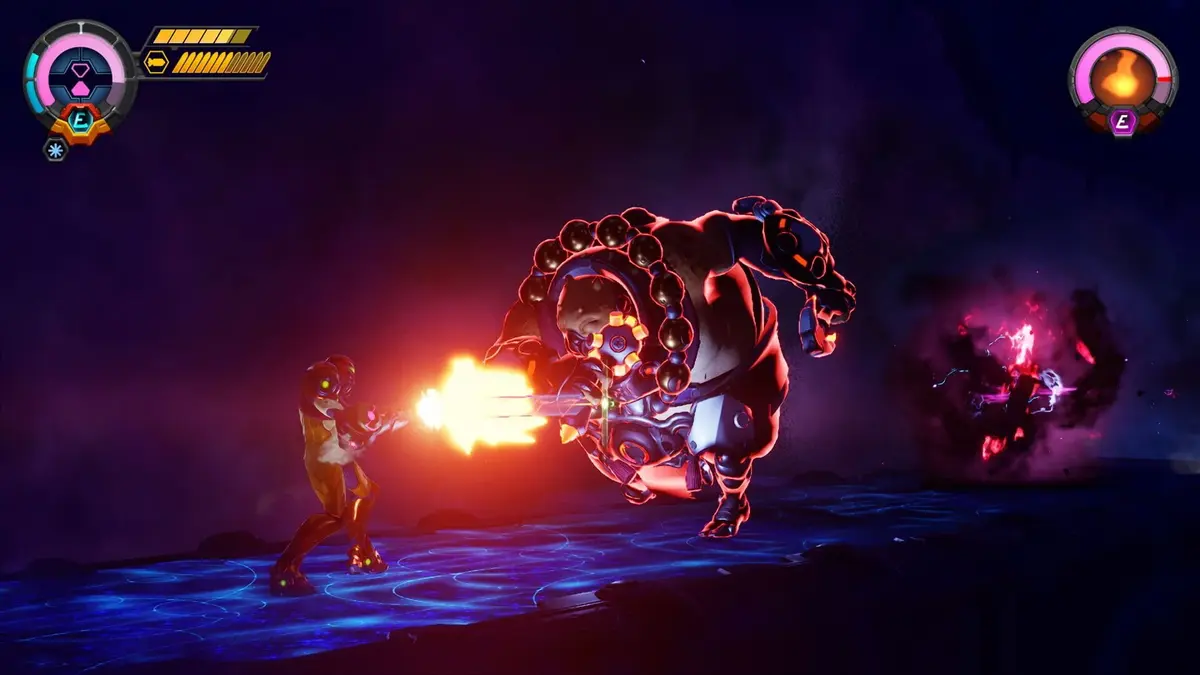
Equally, “it’s 2D” is a weak technical objection to exclusivity. A side-on perspective does not tell us the demands of a game’s simulation, environments, animation or effects. It cannot establish that an original-Switch version would be straightforward.
The reverse argument deserves the same scrutiny. A Switch 2-only label does not demonstrate that Ravenous needed the newer hardware to deliver its design. The platform listing establishes where the game will run. It does not, by itself, explain what players gain from that restriction.
For me, that explanation needs to come through the game: responsive parries, legible encounters and movement that holds together as Samus traverses confined spaces. Those are specific things to examine in extended gameplay and performance assessments. I am far more interested in that evidence than in assuming a generational leap from the box.
The $59.99 game price is only part of the decision
The US digital edition costs $59.99. For an existing Switch 2 owner, that is a software purchase. For an original Switch owner, the relevant calculation is the console plus $59.99, along with any additional spending their particular setup requires. Judging those two purchases as though they carry the same burden makes the upgrade sound easier than it is.
This is where I draw a hard line between wanting Ravenous and recommending new hardware for it. A game can be compelling without making a console purchase sensible for every interested player. Someone who expects to use Switch 2 regularly has a different calculation from someone who wants this one adventure and otherwise remains satisfied with their original Switch.
The $119.99 Special Edition adds another layer: it includes the game, a SteelBook case and an exclusive Samus “Metroid Suit” amiibo. Separate Samus and Chozo Statue amiibo figures are also scheduled for launch alongside the game. Collectors have concrete extras to consider, but those extras do nothing to resolve the hardware decision.
I would settle access before collecting. Committing to an elaborate edition while still deciding whether to buy the machine puts the purchases in the wrong order. The exclusive figure can make a package more desirable; it cannot establish that Switch 2 will get enough use in your home.
Nintendo has a defensible reason to move on
The strongest argument for exclusivity is development freedom. Supporting an older console means designing and testing around its limits. A newer-hardware-only project can avoid that particular obligation, whether the benefits appear in responsiveness, complexity, presentation or simply the team’s ability to concentrate on one target.
I support that freedom. Requiring every new release to accommodate the previous generation indefinitely would turn a successful old console into a permanent constraint. Original Switch owners can reasonably dislike losing access without being owed an older-hardware version of every future game.
But Nintendo’s benefit and the player’s benefit need separate accounting. Ravenous gives Nintendo a clear incentive for people to move to Switch 2. A player benefits when the resulting game and the console’s other uses justify that move. Those interests can align, but an exclusivity announcement does not make them identical.
Nor does this one release establish that the original Switch has become worthless, or that every subsequent Nintendo game will follow the same platform policy. The useful conclusion is narrower: Ravenous marks a firm boundary for this adventure. Owners have to decide whether crossing it is worth their money.
Make January 28 a decision point, not an obligation
For an original Switch owner considering an upgrade primarily for Ravenous, my recommendation is to wait for a fuller picture of its exploration, combat and technical performance. Examine the energy-absorption loop in particular: it is central enough to the premise that its effect on encounters deserves more attention than another look at the Special Edition packaging.
Then judge Switch 2 against the games you genuinely expect to play on it. If Ravenous joins several releases you already want, it can become a sensible purchase deadline. If it remains your sole reason to replace a console you still enjoy, the game has a much larger expense to justify. Missing launch day is an acceptable outcome.
Nintendo has made the compatibility decision. Original Switch owners still control the spending decision. I would keep that distinction intact: let Ravenous demonstrate why its adventure deserves the trip to Switch 2 before paying for the journey.
FinalBoss // Gear
Level up your setup
01Best-selling Switch 2 gameson Amazon→02Switch 2 accessorieson Amazon→038BitDo controllerson Amazon→04Discounted game keyson Kinguin→Affiliate links · As an Amazon Associate, FinalBoss earns from qualifying purchases.
Want to Level Up Your Gaming?
Get access to exclusive strategies, hidden tips, and pro-level insights that we don't share publicly.
Ultimate Gaming Strategy Guide + Weekly Pro Tips