
Table of Contents (7)
Why Mewgenics Caught My Eye
I didn’t expect to spend my morning thinking about eugenics in game design, but here we are. Edmund McMillen (The Binding of Isaac) has finally pulled back the curtain on Mewgenics, a randomly generated, turn-based strategy game about breeding cats with traits that can be both brutal and brilliant. After six years in the oven, it’s heading to Steam on February 10, 2026-and the pitch is as provocative as it sounds.
- It’s a systemic strategy game where traits like ADHD, autism, and even cancer have mechanical upsides and downsides.
- McMillen says neurodivergent players responded positively to seeing nuanced trade-offs rather than “pure debuffs.”
- The design leans into emergent runs with thousands of permutations-think Isaac-level chaos, but tactical.
- The ethical tightrope is real; whether it avoids punching down will come down to execution and tone.
Breaking Down the Announcement
Mewgenics is pitched simply by McMillen: “a randomly generated turn-based strategy game where there’s cats,” with breeding-sim DNA layered over tactical play. In an interview with indie doc channel NoClip_2, he spells out how far the team has gone with traits. “We just added ADHD, which raises your intelligence and your speed, but you’ve got five seconds to make an action or [the cat] just does something, it defaults to something else.” That’s a smart trade-off: power through tempo, with a constant risk of misfires if you hesitate.
He continues: “Autism lowers the charisma, raises the intelligence, and then it makes all the things that the cat is naturally born with, they’re good at. So they’re really good at these one or two specific things, but everything else is harder.” Designing around strengths, not just deficits, is a clear throughline. McMillen stresses that there’s a “silver lining” to difficult traits, and you can feel the Isaac-era design ethos-awkward, uncomfortable themes, but systems-first and player-driven.
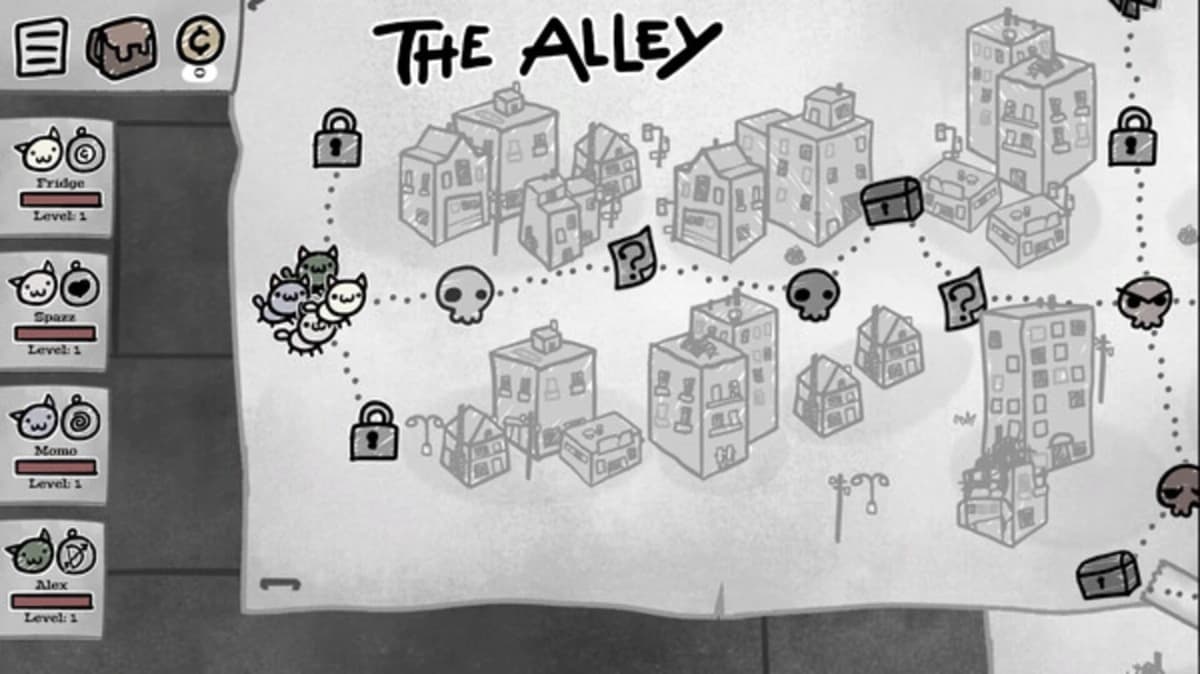
The most jaw-dropping example he shares isn’t edge-lord shock; it’s systems talking to each other. His nephew reportedly bred a squad where every cat had cancer—sure, it chips away at health over time, but it also triggers random mutations that can snowball into power. That run worked. That’s the kind of emergent gameplay turn-based sickos live for: a risky, morally gray min-max that only a systemic game can reward.
McMillen knows the subject matter is combustible. “There was some worry (not by me) that this could come out wrong,” he says. After testing the waters with posts that went viral, he was surprised: “It feels like representation, too… It wasn’t necessarily intended as such.” Coming from the guy who reminds us “The Binding of Isaac is a game about child abuse,” this isn’t a creator shying away from hard topics. It’s him trying to make them mechanical without making them the punchline.
The Real Story: Systems, Ethics, and Emergence
If you’ve min-maxed bloodlines in Crusader Kings or tried to keep a colony sane in RimWorld, you’ve already danced around uncomfortable heredity mechanics. Mewgenics pushes that idea from implied to explicit. The gamble here is whether players read the design as “find the broken synergy” or as “reduce real conditions to min-max fodder.” McMillen’s “silver lining” approach helps—every trait has a reason to exist beyond cruelty—but the line between commentary and caricature is razor-thin.
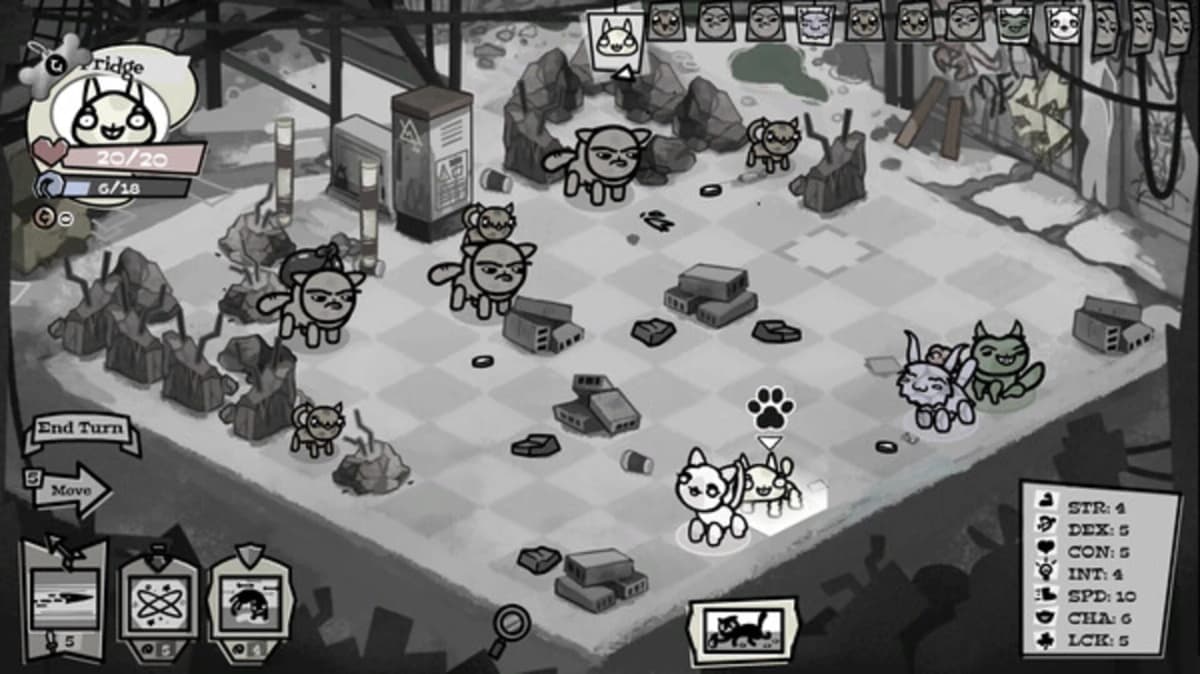
Mechanically, this could be a dream for strategy fans who love discovering degenerate builds. Time pressure tied to trait bonuses creates tense decision-making. Specialization invites team compositions with real identity. And the breeding layer suggests long-arc planning akin to XCOM’s roster stewardship or Darkest Dungeon’s hamlet metagame—except your choices shape literal bloodlines instead of just trinkets and quirks.
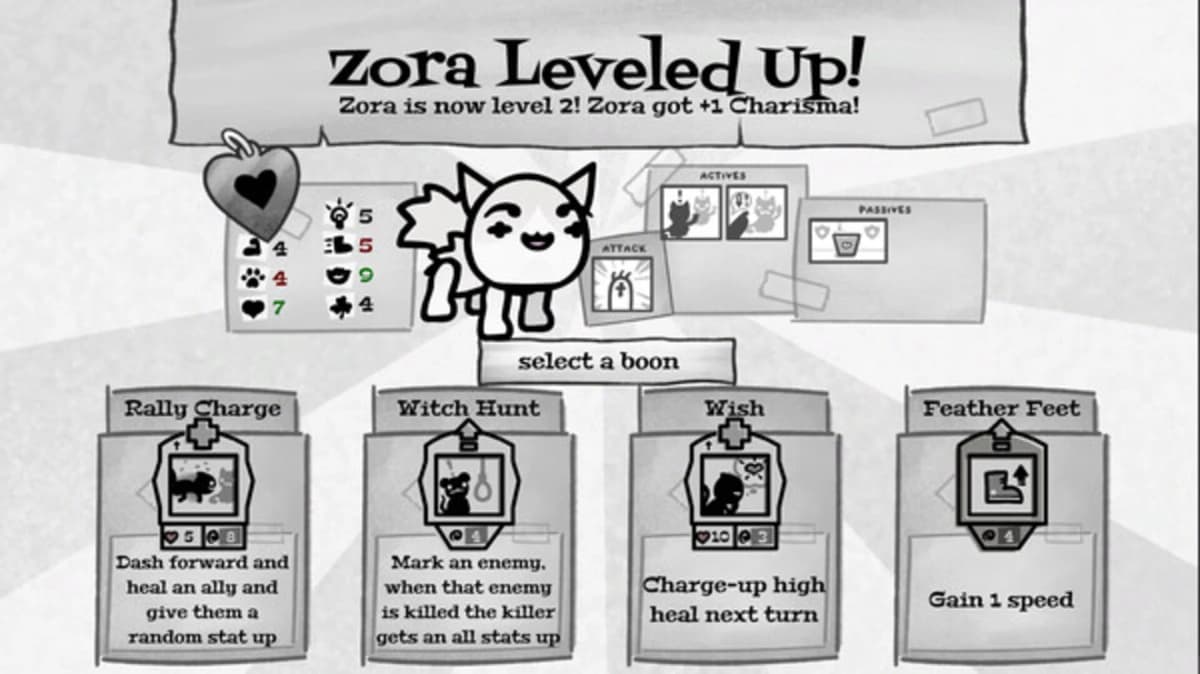
What I appreciate is that Mewgenics isn’t hiding its morality behind lore blurbs. It’s forcing you to confront trade-offs in the open: take the power, accept the cost, live with the consequences. That’s honest design, and very much in line with McMillen’s past work. But honesty doesn’t automatically equal sensitivity. The real test will be tone, writing, and whether the game gives players tools to engage without feeling like it’s punching down.
What This Means for Players
On the ground, this reads like a tactics game where the meta is the breeding chart. Expect communities to theorycraft bloodlines, speedrunners to route trait combos, and streamers to do “cancer runs” that will spark debates and think pieces in equal measure. If the permutations hit as promised, Mewgenics could be that rare strategy title where every squad tells a genuinely different story.
Value-wise, a deep trait system can carry dozens of playthroughs if the emergent variety holds up. Isaac’s staying power came from its item synergies; Mewgenics is aiming for that same wild unpredictability, but in a slower, more contemplative tactical shell. If you bounced off Isaac’s twitchy chaos but love planning three turns ahead, this might be the McMillen game you were waiting for.
Questions I Still Have
- Will there be content filters or terminology options for players who want the mechanics without specific labels?
- How does the five-second “ADHD” timer interact with accessibility settings and turn-based pacing?
- Can single dominant traits overshadow the sandbox, or does the balance push diverse builds?
- What are the campaign stakes—permadeath, lineage loss, recovery systems—and how do they shape long-term strategy?
Looking Ahead
McMillen’s track record tells me two things: he doesn’t sanitize, and he builds systems that keep the community talking for years. If Mewgenics threads the needle—honest about ugly realities, generous with mechanical creativity—it could be one of 2026’s most argued-about and replayed strategy games. If it stumbles on tone, the discourse will drown the design. Either way, it’s not boring, and that alone makes it one to watch when it hits Steam on February 10, 2026.
TL;DR
Mewgenics turns eugenics into a breeding-and-tactics sandbox where harsh traits come with real upside. It’s bold, messy, and mechanically promising. If the tone stays empathetic and the balance keeps builds diverse, this could be McMillen’s most interesting game since Isaac.
FinalBoss // Gear
Level up your setup
01Top-rated gaming headsetson Amazon→02High-refresh gaming monitorson Amazon→03Gaming chairson Amazon→04Discounted game keyson Kinguin→Affiliate links · As an Amazon Associate, FinalBoss earns from qualifying purchases.