
This caught my attention because GOG’s return to its anti‑DRM roots is both a moral clarion call and a practical repositioning in an industry where games disappear or refuse to run offline. Kiciński isn’t relaunching a gimmick – he’s reasserting what made the store meaningful to a particular kind of player: the person who expects a bought game to keep working, no strings attached.
Table of Contents (5)
Michał Kiciński reclaims GOG and doubles down on DRM-free gaming
- Key takeaway: GOG’s new owner is recommitting the storefront to DRM‑free purchases, accepting fewer publisher partnerships in exchange for player freedom.
- Key takeaway: Kiciński argues DRM doesn’t stop piracy but does penalize paying customers – and can even hurt game performance.
- Key takeaway: Practically, GOG will remain a niche alternative to Steam: better for offline, archival, and ownership-centered players, but unlikely to match Valve’s user numbers.
- Key takeaway: The move matters more now as delistings and server shutdowns make DRM‑free ownership a real preservation strategy.
{{INFO_TABLE_START}}
Publisher|GOG
Release Date|Late 2025
Category|Storefront / Industry
Platform|PC
{{INFO_TABLE_END}}
What happened and why it matters
Late in 2025 Michał Kiciński – one of GOG’s original founders — bought the storefront back from CD Projekt. His stated aim is simple: preserve and amplify GOG’s DRM‑free promise. That means the platform will prioritize sellable copies that run offline and don’t force online checks, tradeoffs be damned. Kiciński is explicit that this is both an ethical stance and pragmatic: DRM often fails to prevent piracy, and it routinely inconveniences legitimate buyers, especially on devices like the Steam Deck or when internet access is flaky.
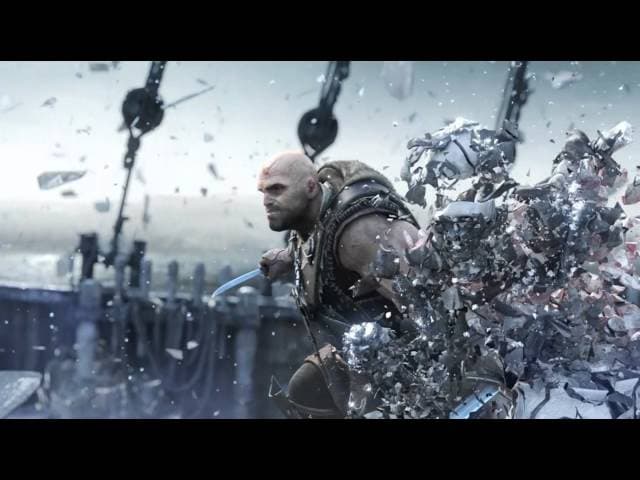
This isn’t theoretical. Kiciński points to historical examples — including a legal tussle when DRM was removed from The Witcher 2 to improve performance — to show that removing restrictions can trigger commercial fallout, even if consumer experience improves. GOG has lost access to some publishers over its policy, and it’s gained others. That pattern will continue: DRM‑free curation narrows the pool of big, live‑service titles available, but it attracts developers and players who care about permanence and offline play.

Analysis — pragmatism over perfection
Let’s cut through the rhetoric. Kiciński’s argument that DRM doesn’t stop piracy is not new, but it’s important: most high‑profile games are cracked quickly regardless of protections, while DRM introduces friction for legitimate users. I’ve run into this myself testing single‑player games on portable hardware — forced online checks, activation limits, or heavy anti‑cheat hooks that penalize frame rates. For players who value being able to replay, mod, or archive purchases, DRM‑free is a tangible benefit.
From a business perspective, this is a niche play. Steam’s scale — entrenched community features, social elements, achievements, and smooth installs — is a near‑insurmountable advantage. Even Epic’s large money campaigns haven’t toppled Valve. GOG’s path isn’t to beat Valve on user numbers; it’s to be the principled alternative for buyers and developers who prioritize ownership and longevity over maximum discoverability.

That said, Kiciński’s return could nudge industry norms. If GOG continues to prove DRM‑free releases don’t spell ruin — and if it demonstrates techniques that preserve developer revenue (better store margins, curated sales, value bundles, and goodwill) — more publishers may experiment with minimal or optional DRM. The real constraints remain live services and multiplayer titles that legitimately require server checks; those games will remain outside GOG’s core offering.
What this means for players
If you value being able to replay titles years from now, install without a persistent client, or run games on offline devices, this is good news. Buying from GOG reduces the chance you’ll lose access to a single‑player title because a store or publisher vanishes. You’ll probably sacrifice some catalog breadth — expect fewer live‑service and always‑online games — but gain peace of mind and often better performance.
For developers and smaller publishers, GOG remains attractive: it offers a channel to reach players who care about DRM‑free experiences and who are more likely to value extras (manuals, soundtracks, and archival builds). For larger publishers focused on live services and long‑term online monetization, GOG’s model will remain a poor fit.
TL;DR — A principled niche with practical benefits
Michał Kiciński buying back GOG is less about dethroning Steam and more about defending a set of values: ownership, offline play, and performance without invasive DRM. It’s a risky but coherent business choice — niche, not mass market — that protects customer rights and game preservation. For the segment of players who care, GOG just became more trustworthy; for everyone else, Steam’s convenience still wins.
FinalBoss // Gear
Level up your setup
01Top-rated gaming headsetson Amazon→02High-refresh gaming monitorson Amazon→03Gaming chairson Amazon→04Discounted game keyson Kinguin→Affiliate links · As an Amazon Associate, FinalBoss earns from qualifying purchases.
Want to Level Up Your Gaming?
Get access to exclusive strategies, hidden tips, and pro-level insights that we don't share publicly.
Ultimate Gaming Strategy Guide + Weekly Pro Tips