
This caught my attention because Microsoft’s numbers make a clear, uncomfortable separation: gaming is sliding while cloud and Windows carry the story. For anyone who follows Xbox closely, the headlines add up to a strategy crossroads rather than a temporary wobble.
Table of Contents (5)
Microsoft’s Q: Xbox Falters as Cloud and Windows Keep the Train Moving
- Xbox revenue plunged 32% year-on-year; Xbox content & services fell 5%
- Overall gaming revenue dropped 9%, pulling More Personal Computing down 3%
- Microsoft overall grew 17%, with cloud up 26% and Windows momentum (Windows 11 at 1 billion users)
- $37.5B capital expenditure likely reflects heavy data-center and AI infrastructure investment
{{INFO_TABLE_START}}
Publisher|Microsoft
Release Date|Latest quarterly report (reported Jan 2026)
Category|Corporate earnings / Gaming
Platform|Xbox, Windows, Cloud
{{INFO_TABLE_END}}
The core numbers are stark: a 32% drop in Xbox hardware revenue, a 5% decline in Xbox content & services, and a 9% fall across gaming overall. Meanwhile, Microsoft’s broader business is healthy – overall revenue rose 17% and Intelligent Cloud jumped 26%. Windows OEM and Devices even eked out a 1% lift, helped by Windows 11 reaching one billion users.
Why Xbox is sliding – and why the timing matters
Several visible moves explain the pullback. Microsoft skipped a mid‑generation Xbox refresh, raising the bar for console sales when consumer demand for hardware is cyclical and promotion-driven. The company also raised console prices, reducing impulse buys in a market sensitive to price and bundled value.
On the services side, the 50% Game Pass price hike has been widely felt. Anecdotal accounts – and early churn signals — suggest the new $30/month tier pushed casual subscribers to reconsider the value equation. Subscriptions are sticky when perceived value is stable; sudden, steep price increases can reverse that.
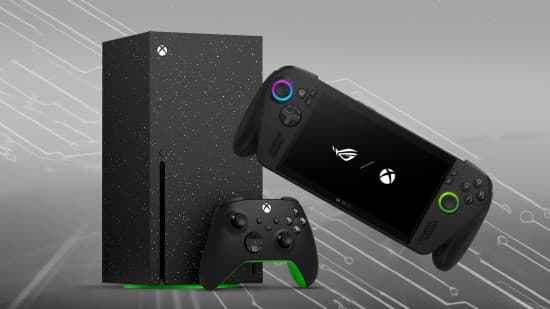
The Xbox Ally X handheld experiment also underperformed versus expectations. Rather than a distinct, affordable Xbox-specific portable, it looked like a premium ROG rebrand with a high price — an easy product to like on paper but hard to sell at scale.
What Microsoft’s priorities look like now
Microsoft’s capital spending — $37.5 billion — is enormous and tells its own story. That kind of capex is almost certainly tied to data centers and the AI arms race: GPUs, networking, power, and real estate. Those investments support Azure, AI services, and the long-term shift to cloud-first products. From a corporate perspective, gaming appears increasingly tactical: valuable for ecosystem and recurring revenue, but not the top growth engine.
Windows momentum — Windows 11 reaching one billion users, faster than Windows 10 did — is a reminder that Microsoft still controls massive distribution channels. For gamers on PC, that is a useful, stabilizing fact: the PC installed base remains healthy even if consoles are soft.
How this plays out for players and enthusiasts
- Expect Microsoft to lean more on cloud, Xbox Game Pass value propositions, and first‑party releases rather than expensive new hardware revisions.
- Game Pass pricing could be tuned — either new lower tiers, regional pricing, or bundled incentives — if churn stays high.
- Hardware buyers might see fewer aggressive console price cuts; Microsoft will try to protect margins while using software and services to capture long‑term value.
- PC and Windows gamers benefit from Microsoft’s broader health: continued investment in OS, driver support, and ecosystem services.
Broadly: gaming matters to Microsoft strategically, but it’s no longer the growth story. Cloud and AI are. That rebalances where resources, talent, and R&D dollars will flow over the next several years.
TL;DR
Xbox is in a downturn — hardware sales and content revenue are down, and Game Pass price hikes plus a lack of a mid‑gen console refresh have magnified the pain. Yet Microsoft overall is strong: cloud growth and Windows momentum (Windows 11 at 1B users) are masking gaming weaknesses. With $37.5B in capex, expect the company to prioritize data centers and AI; gaming will remain strategically important but will compete harder for investment.
FinalBoss // Gear
Level up your setup
01Top-rated gaming headsetson Amazon→02High-refresh gaming monitorson Amazon→03Gaming chairson Amazon→04Discounted game keyson Kinguin→Affiliate links · As an Amazon Associate, FinalBoss earns from qualifying purchases.