
The useful takeaway here is simple: no, Project Helix is not suddenly becoming some Asus-and-MSI-only Xbox box that Microsoft hands off to third parties while it exits the hardware business. Microsoft has now pushed back on that reading. But the rumor was interesting anyway, because it hit a nerve Xbox created itself: the company keeps talking about a future where console and PC get closer, storefront walls get looser, and hardware looks less like one sealed box and more like an ecosystem. Once you say that out loud, people start wondering where the Xbox ends and the partner device begins.
That’s the real story. Not just whether a leaker got one detail right or wrong, but why the rumor sounded plausible in the first place.
Table of Contents (4)
This rumor spread because Xbox has been blurring its own lines
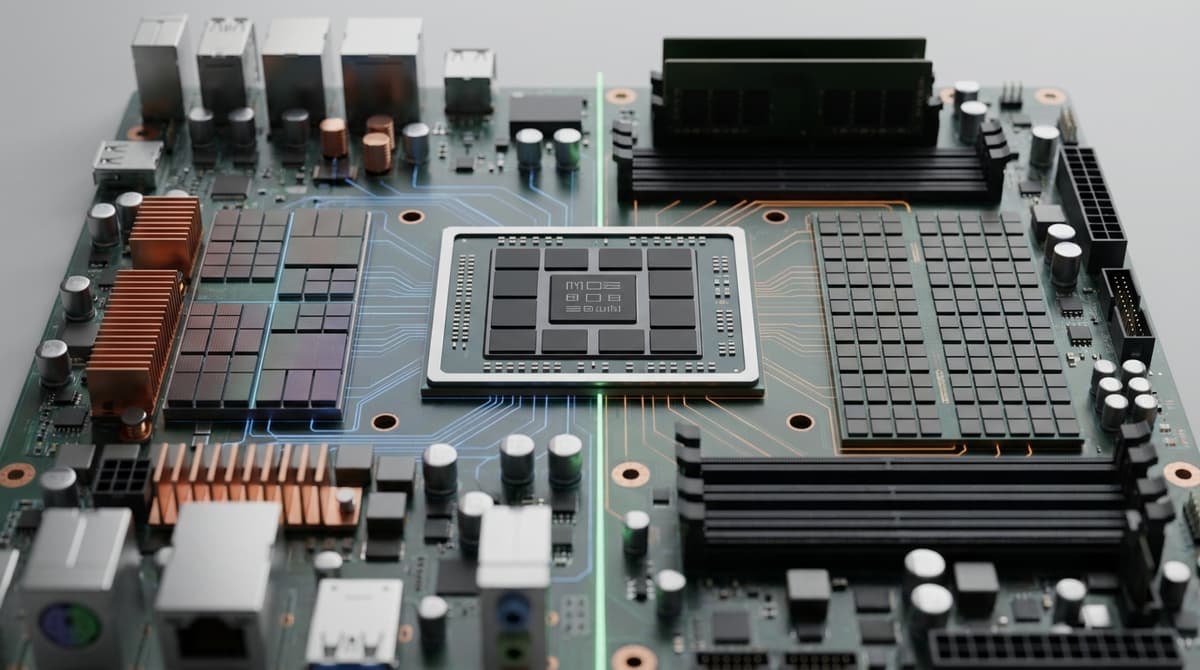
The initial claim, tied to leaker KeplerL2 and amplified by outlet reporting, was that Microsoft’s next-gen Xbox SoC, Project Helix, would show up in complete systems from OEMs like Asus and MSI rather than as a standalone chip sold directly to consumers. On paper, that’s not an absurd idea. Helix is widely described as an AMD co-engineered design built around Zen 6 CPU cores and an RDNA 5-class GPU, with the usual next-gen buzzwords attached: stronger ray tracing, tighter DirectX integration, and a hybrid console-PC pitch that sounds very Xbox in 2026.
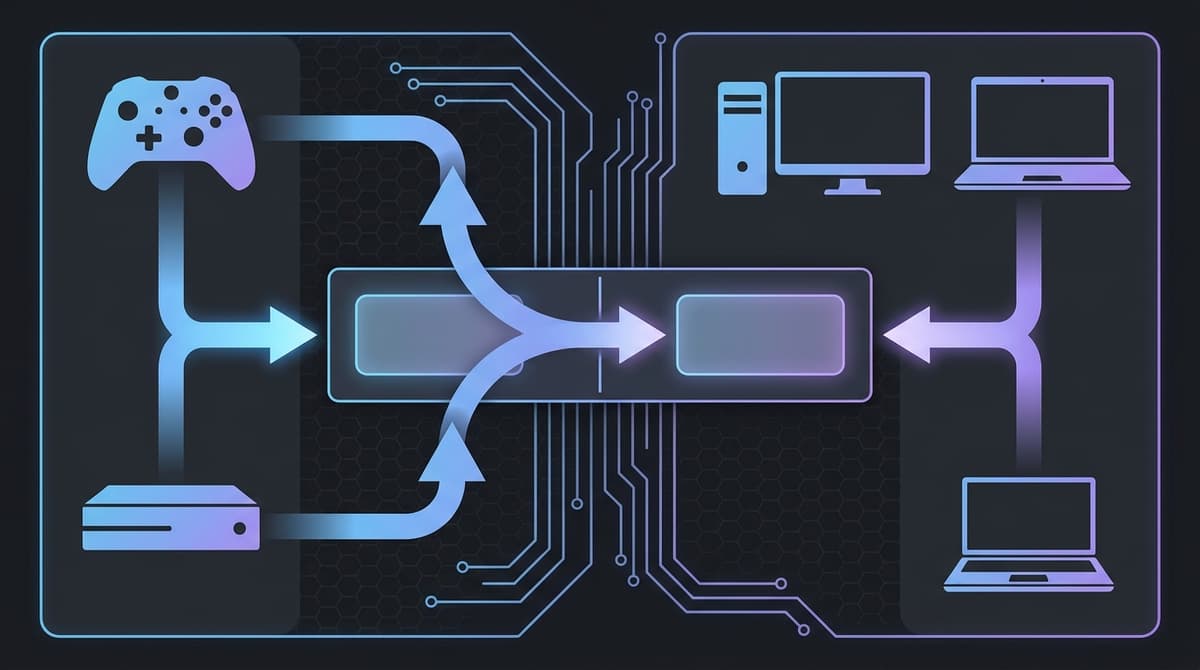
If Microsoft had said this five years ago, the rumor would have sounded ridiculous. In today’s Xbox context, it sounds just believable enough to get traction. That’s because the company has spent the last few years flattening the distinction between “Xbox platform” and “Xbox console.” Play Anywhere, Windows overlap, cloud streaming, handheld partnerships, multi-storefront talk, and the broader “everything is an Xbox” messaging campaign all point in one direction. Great for flexibility. Terrible for message discipline.
So when people heard “Helix chip via OEM machines, not sold standalone,” they didn’t hear pure fantasy. They heard an extension of Microsoft’s current strategy. That should tell Xbox something.
Microsoft’s follow-up matters because the company can’t afford more hardware ambiguity
According to follow-up reporting, including coverage of comments from Xbox executive Jason Ronald, Microsoft has made clear that Project Helix is still a first-party Xbox product. That denial matters more than it would for a healthier console business, because Xbox is already fighting two separate perception problems at once.
First, there’s the old one: declining confidence in the value of dedicated Xbox hardware compared with PlayStation, PC, and even Microsoft’s own cross-platform publishing strategy. Second, there’s the newer one: a growing suspicion that Xbox hardware is becoming more like a reference design than a must-own device. If the Helix rumor had been left to hang in the air, it would have reinforced the idea that Microsoft is slowly outsourcing the console itself while keeping the software and services.
That’s exactly the kind of narrative Xbox cannot let harden, especially before it properly unveils next-gen plans. A next Xbox needs to feel like a product, not a licensing experiment. Steam Machines already taught the industry what happens when you have a platform idea without a clear hardware identity: lots of concepts, very little consumer confidence, and zero mainstream momentum. Gamers do not reward vagueness in hardware transitions.
The uncomfortable question is whether Xbox wants openness without the downsides of openness
Here’s the question the PR version of this story would prefer to skip: if Helix is a first-party console, how open is this “console-PC hybrid” actually going to be?
Because that’s where the real tension lives. Xbox clearly wants the upside of PC language – broader library access, more flexible storefront integration, easier developer onboarding, cleaner alignment with AMD’s roadmap – without sacrificing the security, certification control, and low-friction user experience that make consoles consoles. Fair enough. Every platform holder wants that magic trick. The problem is that it’s hard.
If Microsoft truly lets Project Helix behave more like a PC under the hood, then questions about OS partitioning, storefront access, anti-cheat compatibility, performance consistency, and certification standards get a lot messier. If it keeps Helix tightly locked down, then the hybrid pitch starts sounding like branding more than a meaningful shift. That doesn’t make the idea bad. It just means “an Xbox that is also kind of a PC” is one of those concepts that sounds cleaner on stage than it does in engineering meetings.
That’s why the OEM rumor had legs. It fit a broader theory that Microsoft might solve this by creating a baseline Xbox architecture and letting partners build around it. Microsoft now says that is not what Project Helix is. Fine. But then the company needs to explain where the openness stops.
What to watch next is not another leak, but the June messaging
The next signal that matters is Microsoft’s formal next-gen framing, not the next forum post with a codename and a block diagram. Background reporting has pointed to more Helix details around the June 7 Xbox Games Showcase, with developer kit timing reportedly expected later, into early 2027. Those are the checkpoints that matter because they’ll show whether Xbox can describe this machine in plain English.
- Does Microsoft present Helix as a clear first-party console, or as a broader hardware standard?
- Does it name actual PC storefront support, or keep that part fuzzy?
- Does it explain how Xbox compatibility, certification, and performance targets survive in a more PC-like model?
- And crucially, does it make buying the next Xbox sound simpler than just buying a PC?
That last point is the one that matters. If Helix becomes a machine that mostly duplicates the PC pitch while arriving with console restrictions, it has a positioning problem. If Microsoft can package PC-adjacent flexibility into something console-clean and developer-friendly, then Helix starts to look like a real next-gen idea instead of another identity crisis with silicon attached.
So yes, the OEM-only rumor appears to have been overstated or flatly wrong based on Microsoft’s follow-up. But it exposed a genuine issue anyway: Xbox’s future is close enough to the PC space that even bad rumors can sound strategically coherent. That’s not just a leak problem. That’s a messaging problem Microsoft still has to solve.
FinalBoss // Gear
Level up your setup
01Top-rated gaming headsetson Amazon→02High-refresh gaming monitorson Amazon→03Gaming chairson Amazon→04Discounted game keyson Kinguin→Affiliate links · As an Amazon Associate, FinalBoss earns from qualifying purchases.
Want to Level Up Your Gaming?
Get access to exclusive strategies, hidden tips, and pro-level insights that we don't share publicly.
Ultimate Gaming Strategy Guide + Weekly Pro Tips