
Table of Contents (7)
Project Helix isn’t just a new Xbox – it’s an attempt to collapse the line between consoles and gaming PCs
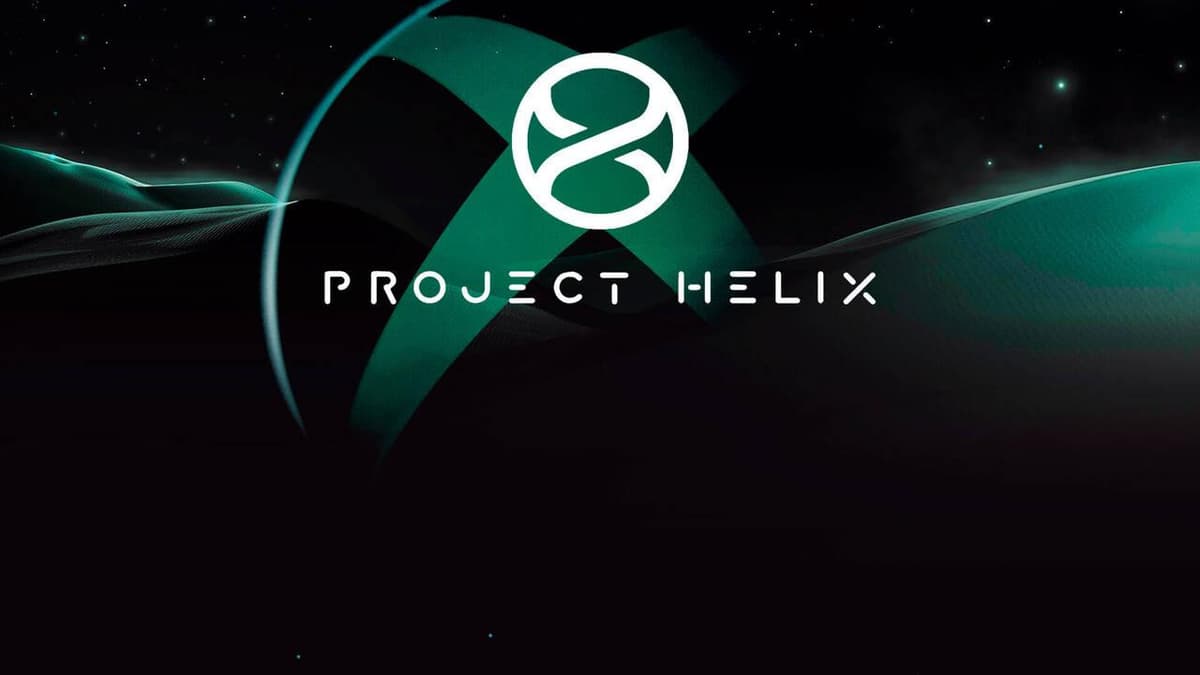
What changes right away: Microsoft wants the next Xbox to behave like a living room PC. Project Helix, announced in a short teaser and promised for deeper discussion at GDC, is billed as a high-performance box that can run both Xbox and PC games, with an “Xbox Full Screen Experience” layer to hide the Windows desktop and keep the couch-friendly console workflow intact.
- Key takeaways:
- Project Helix is a hybrid console-PC pitched to run Xbox and PC games from day one (Asha Sharma, Microsoft).
- Microsoft is openly planning support for third‑party PC stores on the device – Epic has already signaled eagerness to be there at launch.
- AMD says the console SoC is on track for 2027, but rising component prices (notably RAM) could push price or timing.
- This is a strategic pivot: sell hardware as a gateway to a larger gaming ecosystem rather than a closed-store profit engine.
Why Microsoft wants to blur the line – and why that makes sense
Xbox has been nudging toward a PC-first strategy for years: Game Pass ubiquity, Windows-native tooling, widespread PC ports. Project Helix formalizes that trend into hardware. If Microsoft succeeds, you get a single device that boots into a console-like UI but can access Steam, Epic, GOG, and the Xbox Store — massively expanding what you can play without switching machines.
This isn’t just feature creep. It’s a commercial pivot. By turning the living-room Xbox into a PC, Microsoft makes the console less about exclusive software and more about convenience, services, and ecosystem lock-in. You still buy the hardware, but the money game shifts to subscriptions, cloud services, and cross‑platform storefront flows where Microsoft can keep users inside its ecosystem even if individual titles are multiplatform.
The uncomfortable observation: “open” has costs
Microsoft’s PR pitches openness; Steve Allison of Epic publicly said Epic wants to ship on the next Xbox. That’s headline-friendly. The reality is this: enabling third-party stores dilutes Microsoft’s control over storefront revenue, curation, and services. If Epic, Steam, and others land on Helix, Microsoft will need to make hard choices about default apps, UI placement, and revenue share. Those are commercial fights — not just engineering work.
There’s also a UX challenge. Microsoft wants a “Full Screen Experience” that reproduces console simplicity on PC hardware (think ROG Xbox Ally-style layers). Delivering that without breaking DRM, mod support, or interfering with third‑party clients is technically messy. The PR line is “open and simple.” The engineering trade-offs will reveal who actually benefits: gamers, Microsoft, or third‑party stores.
Timing and price are the real wildcards
AMD’s Lisa Su said the custom SoC for Microsoft’s next box should be ready in 2027 — that gives a plausible earliest launch window. But external pressures are mounting. Memory and component prices have spiked thanks to AI and data‑center demand. RAM in particular has become a volatile input cost for high‑end consoles. Do you raise the MSRP, shave GPU/CPU targets, or delay launch? Each choice has real consequences for competitiveness and perception.
Expect Microsoft to debate those trade-offs publicly and privately. Internal signals (Asha Sharma’s “lead in performance” promise) suggest Xbox wants a premium positioning. Historically, premium hardware plus a crowded launch window is an expensive bet — and potentially self‑sabotaging if Sony times PlayStation 6 differently or keeps price pressure tight into 2028.
The questions Microsoft didn’t answer — and the one I’d ask on stage
We still need concrete answers: What constitutes “PC games” on Helix — native Windows executables, stores, or cloud streams? Will third‑party stores be preinstalled or optional downloads? How will achievements, cross‑play, and controller mapping work across storefronts? And pricing: will Microsoft absorb component inflation or pass it to buyers?
If I were in Asha Sharma’s chair at GDC, my first live question would be blunt: “Will Project Helix ship with competing stores installed out of the box, and if so, what are the commercial terms?” That answer will tell you whether Helix is truly open or just another way to funnel users into Microsoft services.
What to watch next
- GDC (next week) — expect technical details and partner commitments from Microsoft (Asha Sharma) and possibly AMD.
- AMD roadmap updates — any slippage from Lisa Su’s 2027 timeline would materially change launch planning.
- Component price trends — if RAM and GPU memory costs keep rising, prepare for a premium price or delayed launch.
- Third‑party store announcements — Epic’s public interest is a lead; Steam, GOG, and others will reveal whether Helix really becomes a multi‑store device.
- Pricing signal — any credible MSRP leak will immediately tell whether Microsoft is chasing share or margin.
Small but telling context: the PC ecosystem isn’t idle. Services like Amazon Prime Gaming continue to deliver free PC titles and funnel players into PC storefront habits — a behavioral trend that makes Helix’s PC compatibility more traction-ready than it would have been five years ago.
TL;DR
Project Helix is Microsoft’s clearest move yet to merge console and PC into a single living‑room device. That’s strategically smart — it leverages Game Pass and Windows ecosystems — but the payoff depends on three hard things: how open the software stack really is, whether AMD and supply chains hit 2027 targets, and whether Microsoft is willing to accept lower storefront control in exchange for broader access. The GDC details and any pricing signals will decide if Helix is a revolution or a very expensive experiment.
FinalBoss // Gear
Level up your setup
01Top-rated gaming headsetson Amazon→02High-refresh gaming monitorson Amazon→03Gaming chairson Amazon→04Discounted game keyson Kinguin→Affiliate links · As an Amazon Associate, FinalBoss earns from qualifying purchases.
Want to Level Up Your Gaming?
Get access to exclusive strategies, hidden tips, and pro-level insights that we don't share publicly.
Ultimate Gaming Strategy Guide + Weekly Pro Tips