
Table of Contents (10)
Key Takeaways
- Microsoft named Asha Sharma—formerly CoreAI president—as EVP and CEO of Microsoft Gaming on Feb. 20, 2026.
- Her first memo vows “no soulless AI slop” and a renewed console focus, pushing back on short-term efficiencies.
- Studio closures and a recent gaming revenue dip have developers and fans skeptical of real change.
- Watch for GDC announcements, hiring shifts, greenlit projects, and AI pilots in Xbox titles.
Why an AI executive running Xbox is the story you should care about
This mattered to me the second the emails leaked: Microsoft has tapped Asha Sharma—a recent president of CoreAI with a résumé spanning Meta and Instacart—to run Xbox, and her opening message immediately pledged to double down on creative game development and resist what she called “soulless AI slop.” That matters because Microsoft is pushing AI across every business unit, but gaming faces studio closures, falling revenue, and rumors of a major next-gen hardware pivot. The question on everyone’s mind: will this hire speed up art-killing automation or actually fuel bolder games?
Breaking down the shake-up
On Feb. 20, 2026, Microsoft’s official blog post confirmed that Sharma—who moved into CoreAI leadership in early 2024—would report directly to Satya Nadella as EVP and CEO of Microsoft Gaming. At the same time, Phil Spencer announced his retirement after 40 years at Microsoft, transitioning into an advisory role through summer, while Xbox Game Studios head Matt Booty was promoted to Chief Content Officer/EVP. Sarah Bond, who had shared oversight of gaming, also departed.
Outlets like TheSixthAxis and Steam News synchronized on the basics: Spencer’s handoff, Sharma’s credentials, and Booty’s “content guardian” title. Push Square zeroed in on Sharma’s careful AI language, while Game Developer highlighted that memo line rejecting “short-term efficiency” and “flooding the ecosystem with soulless AI slop.” Taken together, these reports paint a meticulously choreographed leadership pivot designed to reassure jittery developers and investors.
Why this appointment is unexpectedly consequential
Sharma’s pedigree is unapologetically AI: she led Microsoft’s CoreAI since 2024, steered product at Meta, and served as COO at Instacart. Historically, bringing in an AI executive to run creative projects would set off alarm bells—studios fear cost-cutting and algorithmic art. Instead, Sharma’s first act was a radical public pledge: “Games are and always will be art, crafted by humans,” she wrote, and “we will not chase short-term efficiency or flood our ecosystem with soulless AI slop.”
That frank language is a political maneuver as much as a policy statement. Microsoft has the cloud infrastructure, enterprise momentum, and tooling to lean heavily into AI-driven workflows—from automated asset generation to in-game NPC dialogue engines. Sharma’s memo signals a pause: invest in original ideas, protect creative craft, and resist turning franchises into cash machines.
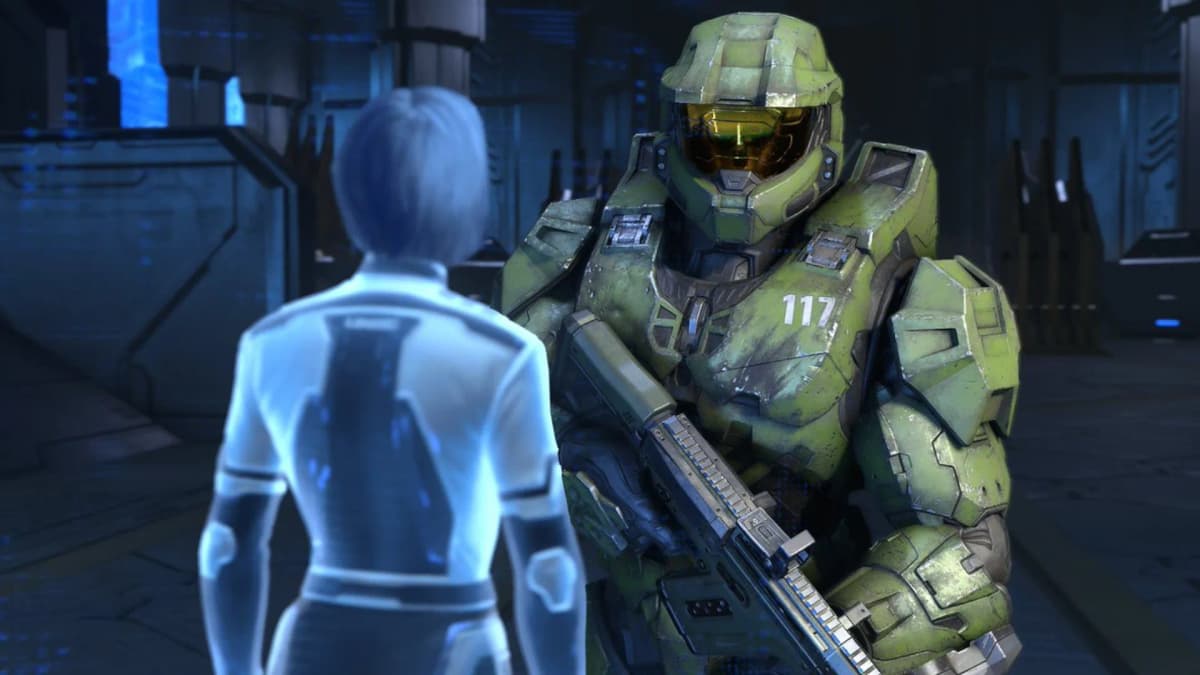
The potential of AI in game development
Separating hype from reality, AI could streamline tasks like procedural environment creation, automatic bug detection, and narrative prototyping. For example, generative models might whip up hundreds of background textures in minutes, or quickly draft quest dialogue for writers to refine. Automated play-testing bots can flag glitches faster than human QA teams, potentially cutting development time by weeks.
Yet the risk is that over-reliance on AI tools reduces distinctive art direction, flattens level design, or prioritizes saving salary dollars over studio staff. Sharma’s memo acknowledges this tension: she promises to “evolve monetization and AI without shortcuts,” hinting that Microsoft will pilot AI internally (think dev-support assistants or QA helpers) before rolling out player-facing automation. The coming months should reveal whether these pilots are additive or precursors to wider workforce scaling.
What this means for studios, players, and hardware
Short term, Sharma’s arrival and Booty’s elevation are olive branches to developers. Booty’s new role underscores a commitment to “iconic teams, characters, and worlds,” while Sharma’s memo names funding “bold, creative teams” as a top priority. But Microsoft’s gaming revenue has dipped in recent quarters—CFO Amy Hood pointed to lower first-party game sales in the latest earnings call—and several studio closures have stung morale.
On the hardware front, Sharma explicitly referenced a renewed console focus, even as rumors swirl about a PC-hybrid next-gen system codenamed “Project Hydrus.” If Microsoft does pivot toward a more PC-like box, Sharma must reconcile that roadmap with her pledges to “honor the craft” both technically (native performance, exclusive features) and commercially (developer-friendly revenue shares, marketing support).
Where the skepticism comes in
It’s reasonable to be wary. Microsoft’s executive rhetoric has promised studio support before—remember the 2018 xCloud reveal—yet follow-through on greenlights and staff retention has been uneven. Hiring an AI specialist to run gaming creates natural tension between platform optimization and artistic risk-taking. Community voices on YouTube have labeled Sharma’s Instacart/Meta background “the worst possible for PR,” fearing she’ll chase efficiency metrics, not rich game experiences.
The real test will be in hard signals: Are hiring freezes reversed? Do we see fresh studio openings or revived canceled projects? Does Microsoft publish a transparent roadmap for console upgrades? And when AI tools hit dev pipelines, are they marketed as “Augmenting Creators” or “Replacing Roles”? Those answers will make or break Sharma’s credibility.
What to watch next
- Retention and morale at Xbox studios—will veteran teams stay or depart after the leadership swap?
- Concrete investment signals: announcements of new studios, greenlit franchises, or reversals of canceled initiatives.
- Rollout of AI tooling in development: are they dev-support assistants or cost-saving automation pushed onto gameplay?
- Details from GDC and the spring Xbox Showcase on policy, product roadmaps, and next-gen hardware hints.
Conclusion
Asha Sharma’s appointment is a bold gambit: an AI insider promising to guard creative craft in an industry leaning into automation. Microsoft Gaming now stands at a crossroads between hyper-efficient pipelines and human-driven artistry. The next few quarters will reveal whether Sharma’s “no soulless AI slop” mantra becomes policy or just a soothing headline.
TL;DR
Microsoft named AI exec Asha Sharma as Xbox head and warned against “soulless AI slop.” It’s a reassuring opening play—but only swift, tangible support for studios, clear hardware roadmaps, and responsibly rolled-out AI tools will turn words into trust.
FinalBoss // Gear
Level up your setup
01Best-selling Xbox Series X|S gameson Amazon→02Xbox controllerson Amazon→03Top-rated gaming headsetson Amazon→04Discounted game keyson Kinguin→Affiliate links · As an Amazon Associate, FinalBoss earns from qualifying purchases.
Want to Level Up Your Gaming?
Get access to exclusive strategies, hidden tips, and pro-level insights that we don't share publicly.
Ultimate Gaming Strategy Guide + Weekly Pro Tips