
Table of Contents (9)
Lede
Microsoft’s recent leadership shake-up at Xbox isn’t just another shuffle in the C-suite—it’s a strategic play to fold gaming into its booming generative-AI agenda. Satya Nadella has placed CoreAI veteran Asha Sharma at the helm of Xbox, signaling that games are no longer a standalone passion project but a vital component in Microsoft’s AI quest. After twenty years of cultivating a “gamer-first” identity, Xbox now faces the risk of being seen as a data pipeline and feature farm—where every mechanic, asset, and narrative thread becomes an “AI problem” to solve.
Key Takeaways
- By naming Asha Sharma—a generative-AI stalwart—to lead Xbox, Microsoft is clearly integrating games into its company-wide AI thesis, not simply refreshing leadership.
- Sharma’s public mantra of “no tolerance for bad AI” and “games are art” aims to soothe anxious fans, but critics view it as PR cushioning a deeper AI-first agenda.
- Industry voices like Xbox co-founder Seamus Blackley warn this could be the start of quietly “sunsetting” Xbox hardware and studio investment in favor of AI efficiency.
- While AI tools promise faster workflows, personalized experiences, and accessibility boosts, the commercial drive toward low-effort generative outputs threatens craft-driven studios and independent creators.
The AI gamble behind Microsoft’s Xbox shuffle
The timing of this move is telling. Microsoft has poured billions into generative-AI research, from OpenAI partnerships to its in-house Muse model. Folding Xbox leadership under a CoreAI alum underscores that games are now another lever in Nadella’s AI machine. As IGN highlighted, Seamus Blackley sees Sharma’s promotion not as a routine handoff but as the moment Xbox becomes a “nail” for Nadella’s AI “hammer.”
This shift follows the surprise departures of Phil Spencer and Sarah Bond—two executives synonymous with Xbox’s gamer-first ethos. Their exits left a vacuum that Microsoft’s broader strategic priorities were quick to fill. Instead of a seasoned game studio head, we get an AI-commerce executive whose résumé boasts AI product launches at Meta and Instacart but little deep gaming experience. That change in pedigree mirrors a shift in problem framing: from “How do we make better games?” to “How can AI optimize gaming for engagement, data, and efficiency?”
Asha Sharma’s assurances vs. the real test
In her introductory memo and interviews with GamesIndustry.biz, Sharma doubled down on a protective stance: “We have no tolerance for bad AI,” she wrote, and in a public Q&A she stressed that “games are art, and AI is here to augment human creativity—not replace it.” Those soundbytes are meant to reassure both players and internal teams that the soul of gaming is safe.
Yet these promises raise more questions than answers. What constitutes “bad AI,” and who draws that line? Sharma’s statements echo the caution Spotify once used before rolling out controversial algorithmic playlists—only to later let data-driven features dictate which tracks get promoted. The real test will come when Microsoft publishes thresholds or governance models for AI in games. Which internal board or steering committee gets veto power over experimental features that splice AI-generated quests into, say, an upcoming Forza or Halo live service?
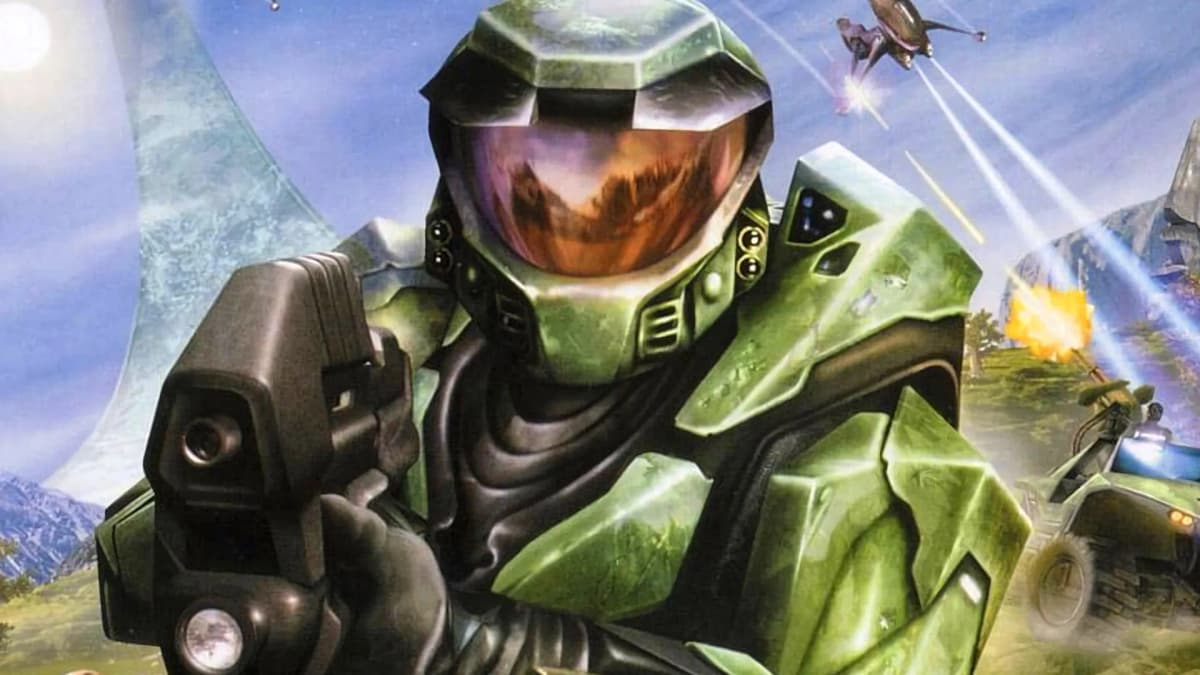
How generative AI could reshape games
Generative AI isn’t a single feature—it’s a toolbox. Here are some high-impact use cases Microsoft might deploy under Sharma’s watch:
- Procedural asset generation: AI-created textures, character models, and environmental props can cut art costs and speed up pre-production—but risk a bland, homogenized aesthetic if overused.
- Automated quest and narrative writing: Natural language models could produce side-missions or dialogue dynamically, reducing reliance on scriptwriters. That promises infinite campus expansions, but also the danger of cliché, cookie-cutter storytelling.
- AI-driven NPCs: Advanced behavior trees powered by reinforcement learning could create more responsive enemies and allies. The flip side: unpredictable bugs, or AI agents that game reward loops in unintended ways.
- User-generated content marketplaces: Imagine monetized AI-model markets where players pay for procedurally generated weapons, skins, or mini-maps. Microsoft’s cloud infrastructure could drive ARPU (average revenue per user) up, but community trust may take a hit if low-effort UGC floods the store.
- Personalized accessibility tools: On the positive side, AI could auto-generate custom control schemes, audio descriptions, or reading-level adjustments—improving access for players with disabilities.
Short-term, studios could enjoy faster prototyping and reduced asset-pipeline costs—some AAA teams spend $50–100 million and two years on a single title’s art stack alone. Long-term, however, the incentives to pump out high-margin AI content may sideline teams dedicated to handcrafted experiences that don’t easily scale.
Industry voices sounding the alarm
Blackley’s “palliative care” metaphor paints a grim picture: an AI executive brought in not to heal and invest, but to oversee a graceful wind-down of console hardware and first-party publishing. Those words carry weight—Blackley helped design the original Xbox hardware. His critique hinges on the idea that Nadella sees games as another business unit primed for AI-driven efficiency, not a craft requiring long R&D cycles.
TechCrunch’s recent analysis of the broader creator economy further underscores the risk. As social and video platforms suffer rising content saturation from AI generators, independent creators struggle to maintain visibility and revenue. Translate that to gaming, and indie projects—already facing intense discoverability challenges on Game Pass—may find themselves drowned by algorithmically churned mini-games and filler packs.
Meanwhile, Digital Foundry’s editorial team has decried a wave of studio closures and restructuring in the last two years whenever corporate strategy pivots. Their warning: IP-heavy, tech-intensive teams are often the first to go when efficiency metrics trump creative R&D. If Xbox studios see budget cuts or project cancellations in upcoming quarters, that will be more than a coincidence—it’ll confirm AI’s unwritten role in guiding those decisions.
Impacts on developers and the creator economy
For first-party studios, the pressure could be immediate. QA teams and junior designers might find their roles subsumed by AI validation pipelines or script-writing bots. Middle-management layers that once coordinated large teams could be “flattened” in service of agile, data-driven squads—echoing what we saw in retail and media post-AI investments.
Indie developers face a steeper climb. Game Pass remains a double-edged sword: guaranteed reach but razor-thin revenue share. If Microsoft’s AI features are baked into Game Pass exclusives, unsubsidized indies may struggle to compete on novelty or polish. And if AI generates vast libraries of “demoware,” player attention and wallet share could tilt toward built-in, cheaply spun-up content.
Even livestreamers and mod communities are watching nervously. AI-driven mod tools could democratize content creation, but they might also trigger stricter IP policing or proprietary lock-ins if Microsoft ties AI models to branded developer kits. The winner in that scenario is Microsoft’s cloud business, not necessarily the creative individual.
What to watch next
- Studio budgets and greenlights: Any reported cuts to flagship single-player projects or closures of creative labs are a red flag.
- Console roadmaps: Look for ambiguity around next-gen hardware—delays or vague promises suggest a de-emphasis of physical units.
- First AI features: Track whether Microsoft’s early AI launches focus on developer-side tools (positive signal) or consumer-facing generative content (potential cash-grab).
- Talent strategy: Are future hires AI/Cloud heavyweights or seasoned game leads? The balance will reveal Microsoft’s true priorities.
- Game Pass metrics: Watch quarterly churn, ARPU changes, and developer revenue share disclosures during investor calls.
Conclusion
Asha Sharma’s appointment signals that Xbox is no longer just a gaming division—it’s a testbed for Microsoft’s generative-AI ambitions. While her vow of “no bad AI” offers a veneer of protection, the real determinant will be where strategic incentives lie: in scalable AI content that boosts short-term engagement and cloud revenue, or in long-term creative investment that honors Xbox’s gamer-first roots. Over the next six months, budget decisions, product launches, and hire profiles will reveal whether Xbox remains a champion of craft or becomes another cog in Nadella’s AI machine.
FinalBoss // Gear
Level up your setup
01Best-selling Xbox Series X|S gameson Amazon→02Xbox controllerson Amazon→03Top-rated gaming headsetson Amazon→04Discounted game keyson Kinguin→Affiliate links · As an Amazon Associate, FinalBoss earns from qualifying purchases.
Want to Level Up Your Gaming?
Get access to exclusive strategies, hidden tips, and pro-level insights that we don't share publicly.
Ultimate Gaming Strategy Guide + Weekly Pro Tips