

Microsoft’s Advanced Shader Delivery Could Fix PC’s Most Annoying Load Times—Starting on Asus’s
Game intel
Avowed
Welcome to the Living Lands, a mysterious island filled with adventure and danger. Set in the fictional world of Eora that was first introduced to players in…
Microsoft just put shader stutter on notice-and handhelds might finally breathe
This caught my attention because shader compilation stutter is one of PC gaming’s most stubborn pain points. We’ve all booted into a new game-especially a big Unreal or DX12 release-only to sit through long “compiling shaders” screens or get hit with hitching in the first hour. Microsoft’s new Advanced Shader Delivery (ASD) claims up to an 85% reduction in load times by precompiling and cloud-delivering shaders, and it’s debuting on Asus’s new Xbox-branded Ally X handheld this October. If it works as advertised, this could be the most meaningful quality-of-life upgrade PC players have seen in years—especially on Windows handhelds that live and die by smoothness and battery.
Key Takeaways
- Microsoft will precompile and deliver shaders through the Xbox PC app, slashing start-up times (their Avowed demo is touting up to 85%).
- No developer work needed to benefit initially, but deeper engine integration is planned for better coverage.
- Asus’s Xbox Ally X is the showcase handheld, aiming for faster loads, fewer hitches, and better battery life.
- The win is biggest on Windows handhelds, but adoption hinges on Xbox app distribution and driver/hardware compatibility.
Breaking down the announcement (minus the buzzwords)
Shaders are the tiny GPU programs that make your games look like, well, games. On PC, they often get compiled the first time you boot or when you hit a new effect, which is why you see “compiling shaders” or feel a micro-stutter when entering a new area. Consoles avoid much of this because studios build against fixed hardware and can ship solid caches, but PCs are a wild zoo of GPUs, drivers, and API paths.
Microsoft’s move is to take this out of the runtime path: precompile shader pipelines ahead of time and deliver them alongside the game through the Xbox PC app, so your GPU is ready to roll at launch. Yes, Steam has done shader pre-caching (and Valve’s Proton on Steam Deck aggressively pre-bakes), but DirectX 12 has been tricky because Pipeline State Objects can vary with drivers and hardware. Having Microsoft sit in the middle of the DX stack is the missing piece—if anyone can normalize this mess across devices, it’s the platform owner.
The headliner stat—up to 85% faster loads—comes from Microsoft’s own Avowed demo. That’s a best-case example, but even a conservative half of that would be huge. The more interesting claim is “no developer work needed” to see gains. Real talk: that’s true for the first wave if Microsoft maps and maintains the caches, but long-term success still depends on tight engine integration and ongoing validation across driver updates. At the very least, it means fewer “day one” shader hitch threads and less pressure on devs to ship bespoke caches on PC.
Why handheld gamers should care right now
Windows handhelds are awesome in theory and inconsistent in practice. The original Ally, Legion Go, and a parade of niche devices can absolutely game—but shader compilation hitches murder frame pacing and eat battery. Compiling shaders spikes CPU and GPU usage; precompiling them shifts that cost to download/install time where you don’t notice and your fans aren’t screaming in your hands.

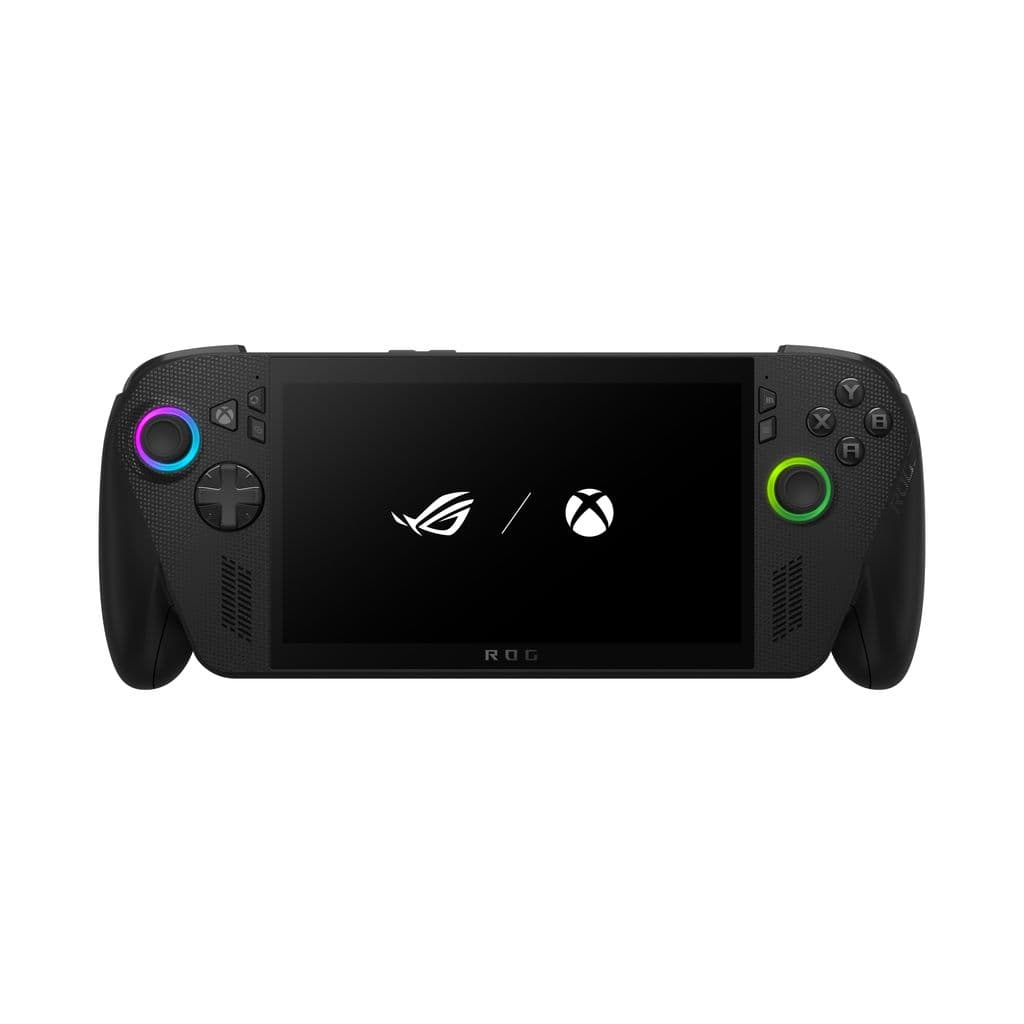
Enter the Asus Xbox Ally X. The branding is a little goofy (it’s still a Windows PC with Xbox integration), but the pitch is clear: out-of-the-box support for Advanced Shader Delivery, faster “press play to play,” and fewer stutters. If Microsoft also optimizes cache delivery and storage churn for portable use, you’re looking at smoother sessions at 15-25W with better battery efficiency. Think of it as the handheld equivalent of a good console-style “it just works” experience—something Windows portables have been chasing since day one.
The skeptic’s checklist (because we’ve been burned before)
- App lock-in: Right now this rides through the Xbox PC app. If you buy most of your games on Steam or Epic, will ASD help you on day one? Microsoft says broader support is the goal, but until we see cross-store coverage, this is a partial fix.
- Driver drift: DX12 caches can be sensitive to driver versions and GPU families. Expect Microsoft to regenerate caches often, and don’t be surprised if some updates trigger a rebuild or a one-time compile.
- Coverage: Avowed is the demo child, but the real test is messy PC launches with heavy PSO creation (think big UE releases). Early support will be spotty before engine-level hooks spread.
- Storage and bandwidth: Those shader blobs have to live somewhere. On a 512GB handheld SSD, extra gigabytes per game matter, and not everyone has uncapped internet.
- Not a silver bullet: Stutter isn’t only shaders. Asset streaming, CPU hitches, and bad threading don’t disappear because caches exist.
None of these are deal-breakers, but they are the weeds that usually swallow “PC-wide” fixes. The encouraging part is that Microsoft—and not just individual devs—owns the heavy lifting here. If they keep the pipeline fresh and make it boring for players, that’s a win.
Want to Level Up Your Gaming?
Get access to exclusive strategies, hidden tips, and pro-level insights that we don't share publicly.
Ultimate Gaming Strategy Guide + Weekly Pro Tips
What gamers need to do
- Use the Xbox PC app for supported games to get the precompiled caches.
- Keep Windows and your GPU drivers updated—ASD benefits track with driver compatibility.
- On handhelds, update firmware and power profiles; smoother frame pacing lets you lock to 45-60fps without ugly spikes.
- Don’t expect miracles on older HDDs or badly CPU-limited rigs; ASD fixes shader waits, not slow storage or weak cores.
Looking ahead
If Microsoft folds ASD deeper into DirectX and bakes it into popular engines, we could finally close the console-vs-PC gap for first-boot smoothness. For Asus, being first with the Xbox Ally X is smart positioning: handhelds are where stutter hurts most, and a platform-level fix is a killer feature you actually feel. The big question is ecosystem reach—Steam remains the center of gravity for PC gaming. If ASD stays Xbox-app-only for long, it helps a slice of players. If it goes broad, it changes expectations across the board.
TL;DR
Microsoft’s Advanced Shader Delivery precompiles and cloud-delivers shaders, promising up to 85% faster loads and fewer hitches—debuting on Asus’s Xbox Ally X handheld. I’m optimistic because this attacks a real PC problem at the platform level, but the impact depends on how fast support spreads beyond a few showcase games and the Xbox app. Cautious hype, with good reason.