

MIGS has always been more B2B than fan convention, but the 2025 edition looks like more than a coat of fresh paint. Doubling the footprint to 54,000 square feet at Grand Quay and expanding to four stages is a statement: Montréal wants to be the North American crossroads for making games, not just playing them. As someone who’s watched the city grow from “Ubisoft town” to a dense cluster of AAA, AA, and punchy indies, the scale-up makes sense. The real question is whether this growth translates into better opportunities and sharper talks for developers on the ground.
MIGS 2025 runs November 11-12 at Grand Quay in the Old Port of Montréal, spread across two bright, open levels. Organized by La Guilde du jeu vidéo du Québec with XP Gaming, the event says it will welcome participants from 25+ countries. The expanded program grows from one to four stages, including the MIGS Audio Summit presented by Audiokinetic, celebrating Wwise’s 25th and bringing its globally known tour to the show. If you care about sound design, audio implementation, or pipeline sanity, that’s a legit draw—not PR fluff.
The other big swing is external development. With the ExDev Hub presented by Game Caviar, MIGS is positioning itself as a North American meeting point for outsourcing and co-dev: art, animation, audio, QA, porting, even full co-production. The press line is 200+ buyers matched with a network of 1,400 service providers. That scale feels ambitious, but the timing tracks with the reality of 2023-2025: layoffs, slimmer in-house teams, and live games that still need content. Montréal’s time zone and transatlantic flight network make it a natural connector between Europe and the Americas.
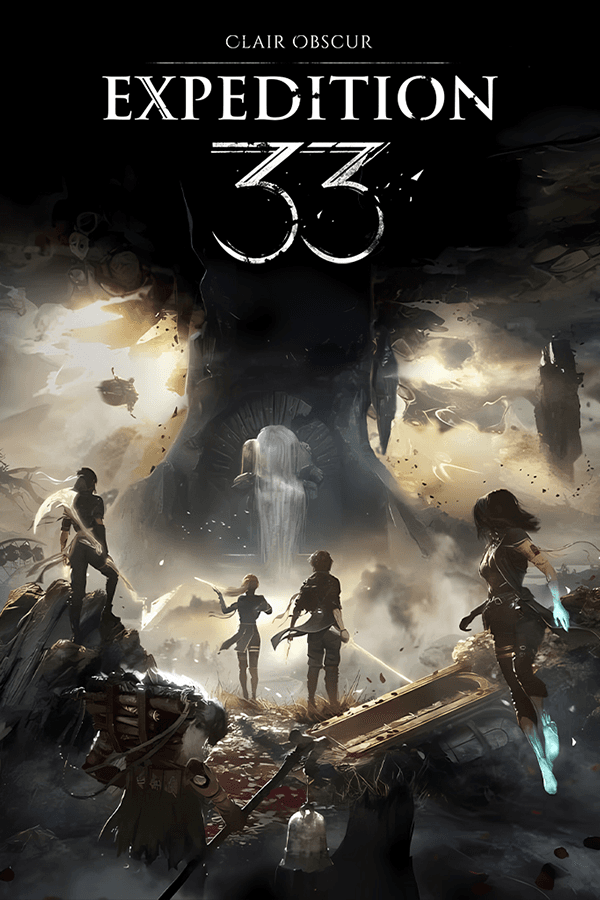
Speakers span Arrowhead (Helldivers II), Savvy Games (Monopoly GO), Sandfall Interactive (Clair Obscur: Expedition 33), and 11 bit studios (Frostpunk), plus Canadian voices like Playstack (Balatro). That mix tells me we’ll get both live-service scale lessons and boutique craft talk—the kind of contrast that actually sparks useful hallway conversations. Partners list reads like a who’s who: AMD, Epic Games Store, AWS, Ubisoft, EA Motive, Behaviour, Gameloft Montréal, Red Barrels, plus civic and funding bodies. Translation: expect strong Montréal presence and real industry weight in the room.
The industry is still recalibrating. Teams are smaller, milestones are tighter, and studios are leaning harder on external partners to ship and sustain games. There’s already an established external development scene (Vancouver’s XDS, devcom’s outsourcing tracks, etc.), so MIGS planting a bigger ExDev flag in Montréal is a competitive move. If they execute, this becomes a yearly anchor where producers can sanity-check budgets, compare vendor pipelines, and avoid the classic “we outsourced, but it cost us more in rework” trap.
On content depth: four stages could be a win if they avoid surface-level panels and actually drill into workable frameworks—think live-ops content velocity without crunch, PlayStation compliance horror stories and how to prevent them, or detailed Wwise profiling strategies for UE5 projects. The press release promises a “major leap,” but I’ll reserve judgment until the October program drop. We’ve all sat through a panel that said a lot and taught nothing.
The new Content Pass lands at $349 CAD early (regular $399), with access to 40+ talks, the Innovation Expo, and the Indie Zone. For students, juniors, and curious crossovers (film, VFX, audio, tech), that’s solid value—especially compared to the eye-watering price of some U.S. shows. But set expectations: these passes typically focus on learning and show-floor access, not closed-door dealmaking or curated matchmaking. If you’re chasing contracts or publisher meetings, you’ll want to confirm what higher tiers include before you book flights.

Don’t expect E3-style reveals—MIGS is about the craft and the business. What matters is whether sessions get practical. I’m looking for talks that tackle the hard stuff: managing remote vendor teams across time zones, keeping creative vision intact while outsourcing, realistic budgets for UE5/Unity toolchains in 2026, and post-launch retention strategies that don’t rely on predatory monetization. The Audio Summit could be a highlight if it dives into granular Wwise/UE5 optimization and spatial audio workflows.
If you’re indie or mid-sized, plan ahead. Book meetings early, polish a 5-minute vertical slice walk-through, and bring a clear ask—porting support, trailer production, MENA localization, whatever it is. For portfolio-focused folks: audio and tech-art reviews at events like this can be career-making if the mentors are hands-on. It’d be great to see MIGS formalize portfolio reviews or a real job board, especially with hiring still uneven across the city.
One more Montréal-specific note: the local ecosystem shows up. With Ubisoft, EA Motive, Behaviour, Gameloft, and Red Barrels listed as partners, you’re likely to get behind-the-scenes process talks and producer-heavy audiences. That’s invaluable if you want to understand how big studios are actually shipping in 2025, not just what they tweet.
The “gateway to North America” line is cheesy, but the intent tracks. If the October program lands with transparent tracks, meaty case studies, and more than surface-level panels, MIGS 2025 could become the annual calibration point for teams operating across continents. Bigger floorspace only matters if it leads to better conversations—and this year, the ingredients look promising.
MIGS 2025 is going bigger with four stages, an expanded ExDev Hub, and a reasonably priced Content Pass. If the talks go deep and the matchmaking is real, Montréal just put itself on the short list of must-attend industry stops this fall. Keep an eye on the October program reveal before you commit.
Get access to exclusive strategies, hidden tips, and pro-level insights that we don't share publicly.
Ultimate Gaming Strategy Guide + Weekly Pro Tips