
Table of Contents (6)
Why Screamer’s comeback actually matters
This caught my attention because Milestone didn’t just slap a fresh coat of pixels on an old name – they rebuilt Screamer around a single mechanical idea that changes how you play. The 1995 arcade classic is back in 2026 as an anime-styled, combat-focused street racer where timing and energy management (hello, ECHO) are the real skills, not raw speed.
- Key takeaway: ECHO makes boosts, shields and a single devastating Strike the core gameplay loop.
- Controls matter: drifting is mapped to the right stick and boost timing is a minigame – this isn’t your typical arcade comfort food.
- Tone and pace: lavish anime cutscenes and a slow teach-in mean the opening feels deliberate, not instant-gratification.
- Team racing and KOs change victory math – finishing first isn’t always the goal.
Breaking down the ECHO system
The preview I played for TheSixthAxis boiled Screamer down to the ECHO device, a sci-fi module installed on every car that accumulates two linked resources: Sync and Entropy. Sync is earned passively and by nailing Active Shift timing — a rhythmic upshift minigame that charges boost potential. Use boost and you generate Entropy, a separate currency that feeds defensive shields or a punchy Strike attack.
There’s real player-agency baked into those meters. You can hold and release boosts to amplify them through another timing check, or hoard Entropy for an Overdrive — a longer Strike that can wipe rivals off the track but leaves you fragile and primed to explode if you smack a wall. And if you do blow up? Respawn is instant, and the game keeps the carnage moving rather than getting moralistic about who you are now. Milestone even leans into the absurd — this is a world where a driving dog exists — so they avoid metaphysics in favor of gameplay momentum.
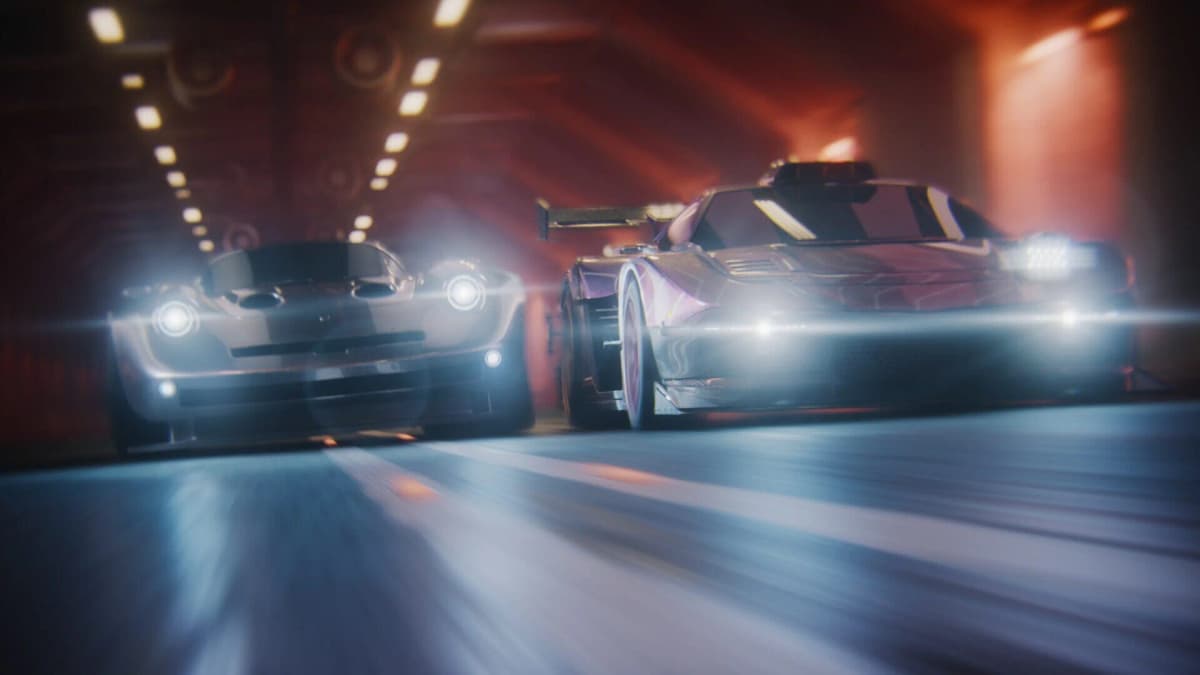
Controls and the deliberate learning curve
Milestone rethought the control map. Throttle and brake live on the triggers, steering on the left stick, but drifting is on the right stick — yes, you drift with the stick you’d normally flick for camera or minor inputs. Shifting is a timing minigame. The result is a tactile dance of counter-steer and timing that I described as “rubbing my head and patting my tummy.”
That complexity is why the story mode carefully introduces systems one at a time. Creative and Development Director Michele Caletti told me they intentionally paced tutorials so “you’re never thrown multiple things together to you.” It’s a smart move: the first hour can feel slow while the game teaches you how to juggle drift, boost, Entropy and Strike, but once it clicks the depth is satisfying rather than gimmicky.

Anime, narrative and team racing
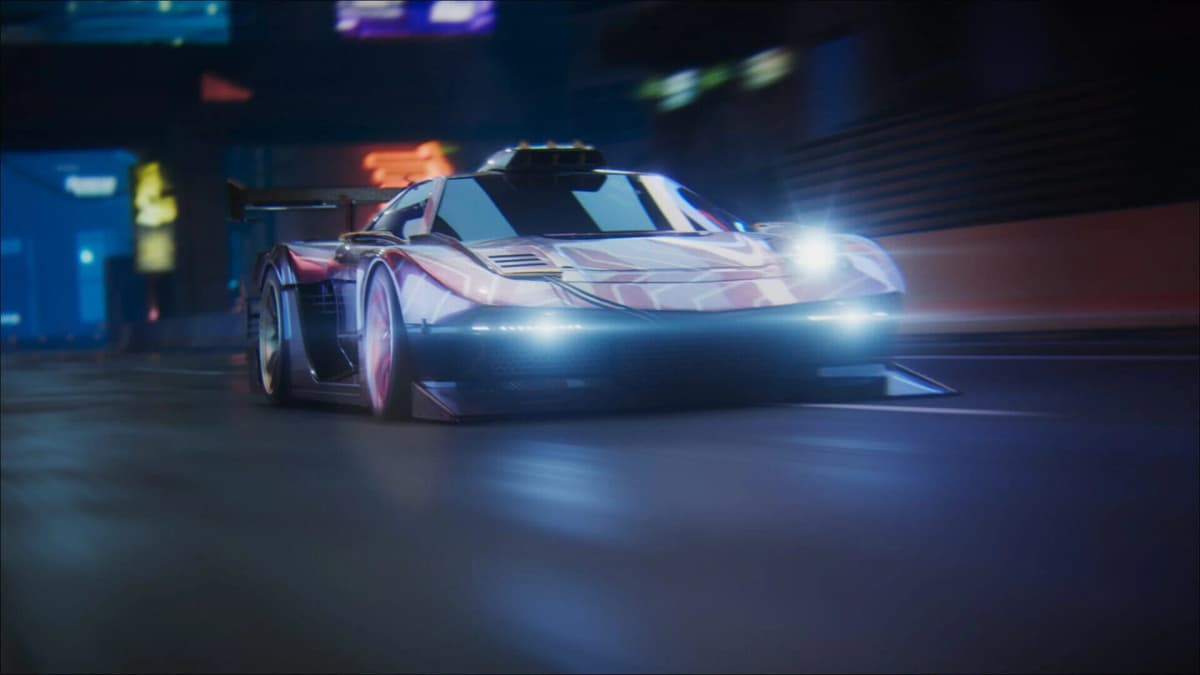
Visually Screamer is an odd, appealing hybrid. Milestone avoids flat cel-shading in favor of a blend that aims to marry anime influences with high-fidelity detail. “It would have been the easy choice – It’s an anime, so you make the game cel shaded – but if you do so, you have to oversimplify some details,” Caletti said, explaining the studio’s art direction. The story leans into melodrama: a billion-dollar illegal tournament, corporate villains, revenge plots — and yes, a talking dog — spread across five teams so the narrative hops between perspectives.
Team races are where the ECHO systems shine strategically. KOs award points, so a mid-pack driver who racks up eliminations can outscore the race winner. That reshapes how you approach combat: do you blow your Overdrive to secure a KO or conserve Entropy to shield and counter? It creates moments where racing feels like chess played at 180mph.
What this means for players
Screamer’s reboot isn’t nostalgia for nostalgia’s sake. It’s an attempt to graft deliberate, timing-heavy mechanics onto arcade racing and wrap that in an anime drama to justify pacing. If you like technical mastery, tactical team play and combat with real consequence, this will be a breath of fresh air. If you want immediate pickup-and-go thrills, the slow learn curve may frustrate you at first.
TL;DR
Milestone turned Screamer into an anime-tinged combat racer built around the ECHO’s timing-and-energy loop. It’s clever, a bit strange, and rewards discipline over throttle bravery. Give it time to teach you the systems — when it clicks, Screamer can be relentless, strategic and genuinely fun.
FinalBoss // Gear
Level up your setup
01Racing wheels (PC & PS5)on Amazon→02High-refresh gaming monitorson Amazon→03Gaming chairson Amazon→04Discounted game keyson Kinguin→Affiliate links · As an Amazon Associate, FinalBoss earns from qualifying purchases.
Want to Level Up Your Gaming?
Get access to exclusive strategies, hidden tips, and pro-level insights that we don't share publicly.
Ultimate Gaming Strategy Guide + Weekly Pro Tips