
Million Depth’s Time‑Freezing Combat and Barter Economy Aim for Smarts Over Sweat
Game intel
Million Depth
Embark on an adventure, exploring a million subterranean floors of a fallen Earth.Trace the remnants of humanity that once dwelled below, all in search of "YOU…
Why Million Depth Caught My Eye
Every few months PLAYISM pops up with a left-field indie that actually has teeth-think Touhou Luna Nights or Deedlit in Wonder Labyrinth, games that look niche but land because the mechanics are tight. Million Depth, from Cyber Space Biotope, feels like their next smart bet. The hook isn’t shiny ray tracing or cinematic QTEs; it’s a tactical twist: time freezes when you stop moving, letting you plan in the thick of real-time danger. That grabbed me immediately because “brains-first action” is rare-and when it works (Superhot, Transistor’s planning mode), it sticks.
- September Steam demo includes the full Route α and carries progress into launch.
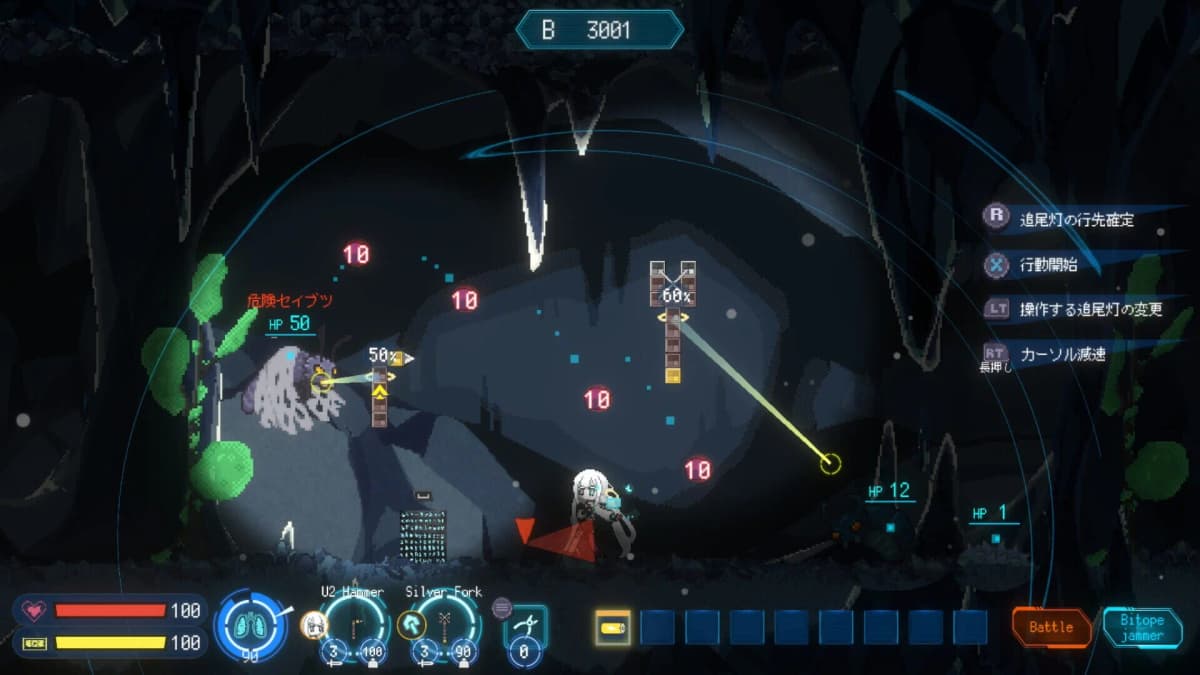
- Combat freezes while you stand still; your gear has durability, so planning matters.
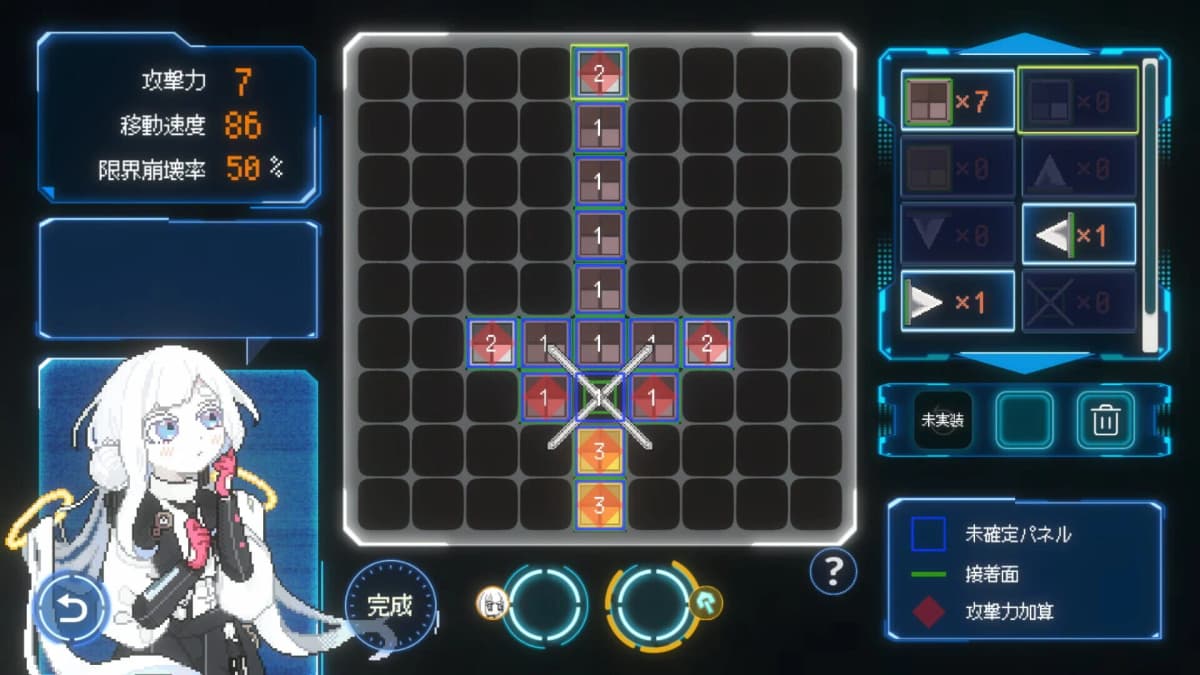
- Block-based weapon crafting with adjacency upgrades encourages creative builds.
- Barter shops and a fluctuating resource (“stockinum”) create a living economy.
Breaking Down the Announcement
PLAYISM will release Million Depth on PC via Steam on November 12, 2025. A playable demo lands in September and covers Route α in its entirety-essentially the first of three narrative routes, complete with multiple endings depending on your choices. Crucially, demo saves carry over, so this isn’t a disposable vertical slice. Languages at launch include Japanese, English, and both Traditional and Simplified Chinese. Price is TBD, which is fine; what matters here is that the demo sounds like real game time, not a tutorial hallway.
The new trailer doubles as a tone piece. It showcases the game’s underground labyrinth, the protagonist Moma across multiple timelines, and the key systems: the time-freeze “biotope jammer,” block-based equipment crafting, and barter-driven shops. The theme song “Re,Future” is performed by singer-songwriter VTuber Ririsya, with a live performance tied to her fifth anniversary concert. Cool cross-promo aside, it signals the game’s vibe—melancholic sci-fi with a music-forward identity—but the mechanics are doing the heavy lifting.
The Real Hook: Tactics Inside Real-Time
Million Depth’s core idea is elegant: time freezes the moment you stop moving. That flips the usual action script. Instead of dodge-rolling on instinct, you can halt, assess enemy patterns, and plot a safe path—especially crucial because weapons and shields degrade and can break mid-fight. It’s part Superhot’s “time moves when you move,” part the pausable chess of CRPGs, filtered through a lean action framework. If the level design pressures you into meaningful halts—choke points, mixed enemy types, durability risk—this could deliver that rare feeling of being clever and clutch.
My concern: durability. When done right, it forces adaptation (see Breath of the Wild’s early-game improvisation). When done wrong, it’s a chore that punishes experimentation. The biotope jammer is supposed to be your safety valve—freeze time, swap plans, re-equip, breathe. The September demo will be the test: do breakages create tactical puzzles, or just downtime?
Blocks, Barter, and a Shifty Economy
The crafting pitch is refreshingly specific. Moma equips two hand-made pieces built from blocks, with certain blocks upgrading when placed next to their own type. That adjacency rule nods to the joy of modular builders (think Backpack Hero’s layout tinkering or Nova Drift’s synergy stacking) rather than bloated RPG trees. If I can jury-rig a long-range cannon from brittle glass blocks that hit like a truck but shatter on contact, or a heavy shield that becomes immovable when lattice-linked, I’m in. The key will be clear feedback and fast iteration—craft, test, adjust—especially with the stop-time mechanic giving you room to breathe mid-encounter.
Then there’s the shops. No coin. It’s pure barter, with shopkeeper mood and perceived value affecting prices, plus a wild-card resource called stockinum whose value fluctuates. That’s bold. It could create memorable “I haggled my way into a god-tier relic” stories—or devolve into menu math. The best case is S.T.A.L.K.E.R.-style scarcity with personality; the worst is a minigame you fast-forward through. I like that the economy is a system you read and exploit, not just a wallet you empty. Whether it’s fun over hours depends on how readable those mood/value signals are and how often they surprise you without feeling random.
Routes, Timelines, and Trailer Misdirection
The story runs across parallel timelines, with Moma piecing together clues that ripple into other routes. The trailer even includes scenes from timelines that don’t exist in the game—deliberate misdirection to underline the theme. I like that flex. It invites community theory-crafting without spoiling the route structure, and it suggests the September demo (Route α) will set up payoffs you won’t fully grasp until the full release. That said, “multiple endings” can mean anything from a final-choice fork to complex state tracking. The demo will tell us whether choices echo across runs or if it’s a simple A/B/C wrap-up.
What Gamers Need to Know Before Downloading
Platforms: PC via Steam. Release date: November 12, 2025. Demo: September, includes full Route α with save carryover. Publisher: PLAYISM. Developer: Cyber Space Biotope. Languages: Japanese, English, Traditional and Simplified Chinese. Price: TBD.
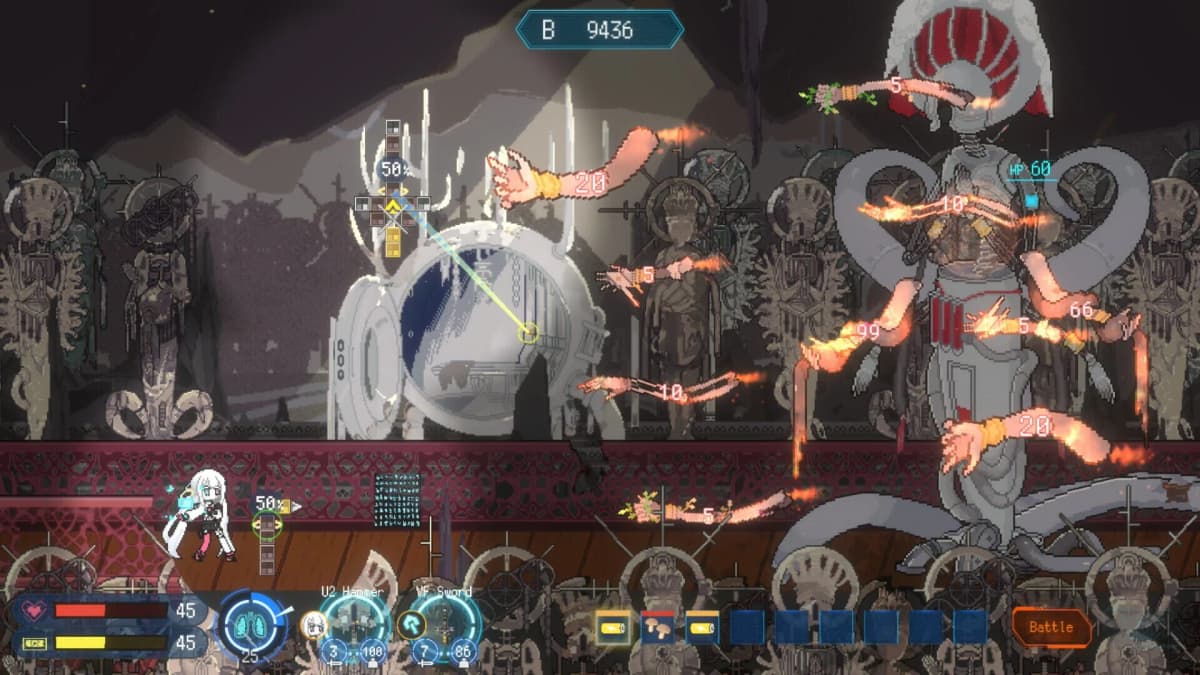
Questions I want answered in the demo: How quickly can you rebuild after a weapon breaks? Do adjacency rules create distinct archetypes or one “best” layout? Is barter readable enough that you learn and improve, or is it vibes-only? And most importantly, does the stop-time rhythm feel empowering rather than start-stop clunky? If PLAYISM’s curation track record holds, we’ll get a tight, replayable action-strategy hybrid with just enough weird to stand out.
TL;DR
Million Depth isn’t selling graphics—it’s selling decisions. Freeze time when you stand still, craft weapons from combinable blocks, and haggle your way through a volatile underground economy. The September demo is the real pitch: a full route with carryover saves. If the systems click, this could be one of 2025’s smartest indie picks.