
MIMESIS Early Access: AI-Driven Paranoia Lands on Steam With a Twist
Game intel
MIMESIS
A co-op survival horror game. When the cursed rain falls, 'Mimesis' appear, perfectly imitating your teammates, bringing a new level of tension you've never ex…
AI-fueled paranoia, now in four-player co-op
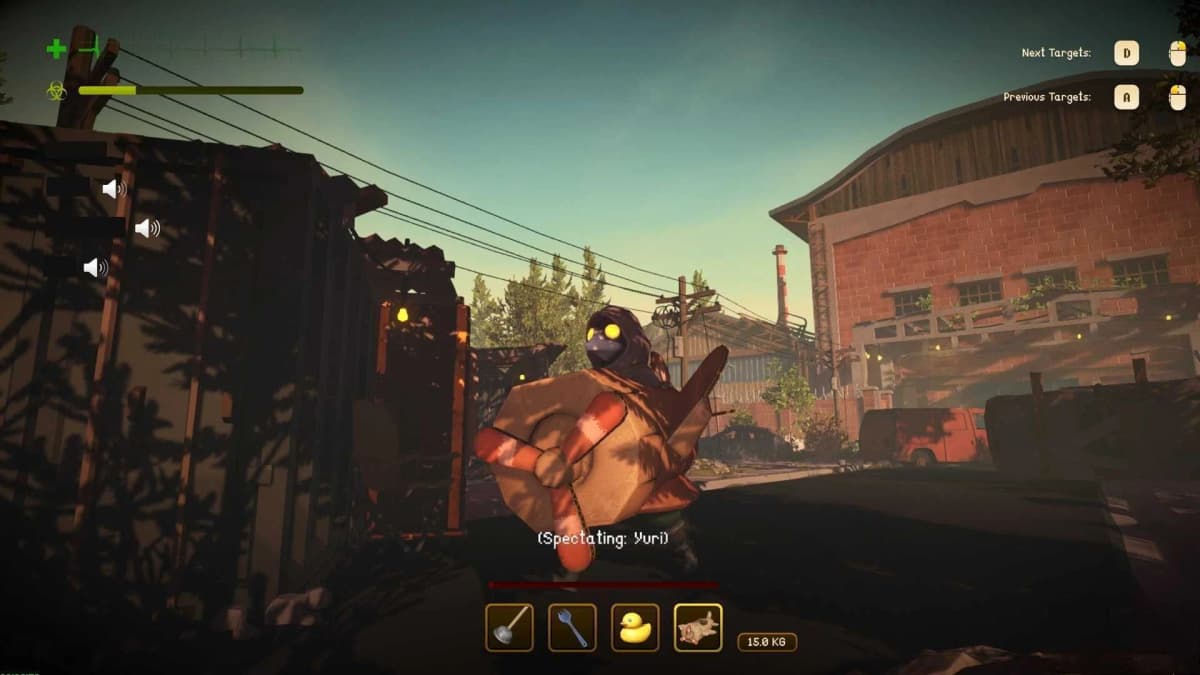
MIMESIS caught my eye because it aims at a sweet spot horror fans have been chasing since The Thing: a co-op escape loop where one teammate might not be who they seem. ReLU Games (a KRAFTON studio) has launched the game globally into Early Access on Steam with a 20% discount through November 10 at 7:59 AM CET, plus a cinematic trailer to set the vibe. After ranking among the Top 4 most-played demos during Steam Next Fest, MIMESIS returns with more maps, new monsters, and extra Scrap items to keep that momentum going.
Key takeaways
- AI is the hook: in-game systems mimic voices, behaviors, and “memories” to mess with team trust.
- Early Access adds maps, monsters, and Scrap items on top of the Next Fest demo foundation.
- Discount runs until November 10, which softens the “try it with friends” barrier-temporarily.
- Creator Codes via KRAFTON’s network point to a heavy influencer push at launch.
Breaking down the pitch: voice mimic and social deception
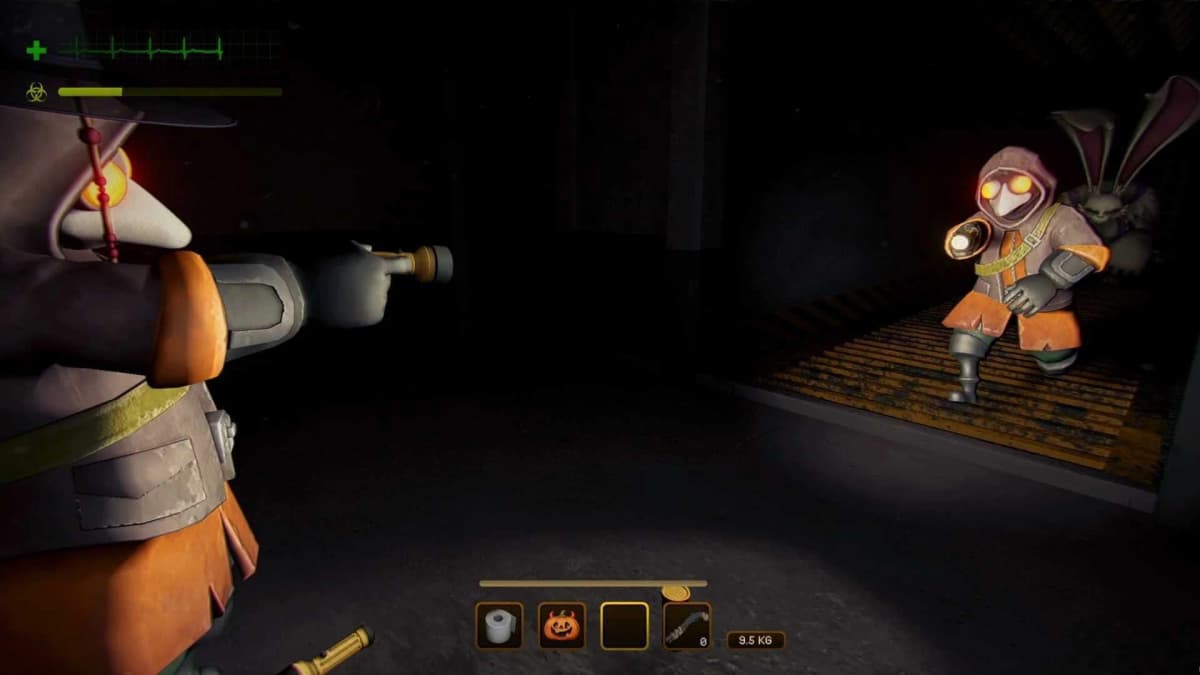
At its core, MIMESIS is a four-player co-op psychological horror game where mysterious rain turns humans into creatures called Mimesis. The central loop is tidy: scavenge Scrap, keep a tram functioning, and extract without falling apart as paranoia climbs. The twist is the AI-systems that can allegedly mimic voices, behaviors, and memories. If that works in real time and feels natural, it could be the secret sauce. If it’s clunky or predictable, it becomes a gimmick you ignore after the first session.
We’ve seen deception done brilliantly without AI (Among Us, Project Winter) and we’ve seen co-op horror thrive on proximity chat chaos (Phasmophobia, Lethal Company). MIMESIS is threading both needles: a traitor-lite tension inside a scavenging-and-extraction loop. That’s ambitious. The trick will be timing and subtlety-can the AI clone a teammate’s voice convincingly enough to cause doubt without crossing into “obviously fake” territory? And how quickly does the system learn your squad’s tells?
The tech reality check: cool idea, tough execution
I love the concept, but the practical questions start piling up. Voice mimic needs low latency, believable tone matching, and strong moderation tools so it doesn’t turn into a griefing factory. Is the voice cloning fully local, or is there a cloud round trip that adds delay? Can you opt out of voice mimic for specific players or turn it off entirely for accessibility? When the press release says the AI mimics “memories,” I’m assuming that means in-session events and conversation beats—not actual personal data—which should be clarified in-game so players aren’t spooked for the wrong reasons.
Then there’s the behavioral mimicry. If the game learns how a teammate moves or loots and replicates those patterns through an enemy, that’s compelling—especially if your group is the type that recognizes each other’s playstyles. But machine-driven tells can also become patterns players exploit. The best-case scenario is a dynamic cat-and-mouse where your group’s habits become part of the meta. Worst case, it’s “AI says boo” and you shrug.
Early Access: content and cadence matter more than buzz
ReLU is smart to arrive with new maps, monsters, and Scrap items beyond the demo—it shows they’re iterating, not just flipping an Early Access switch. But sustaining a co-op horror community is a content treadmill. That means frequent balance passes on enemy behavior, steady additions to the Scrap/upgrade pool, and at least one fresh map cadence players can anticipate. If the tram maintenance loop starts to feel samey by weekend two, no amount of AI tricks will save retention.
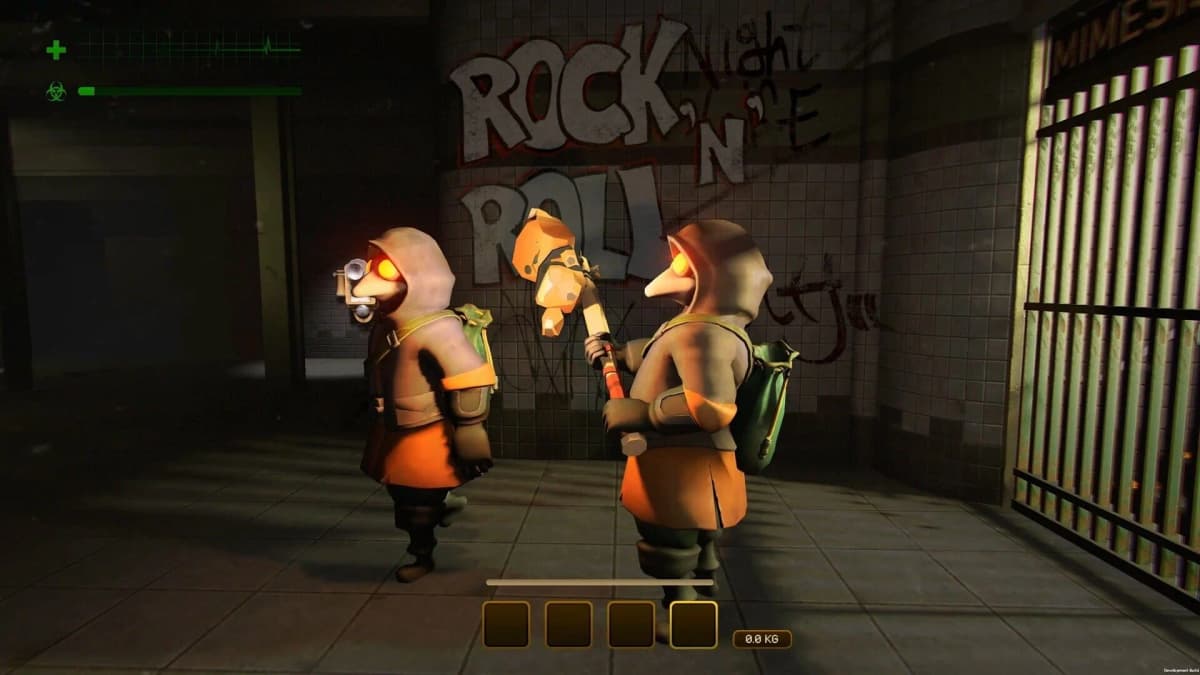
Server stability and voice chat quality will make or break those first impressions. Horror thrives on immersion—if your AI impersonation arrives half a second late or distortion breaks the illusion, tension evaporates. Clear patch notes, fast hotfixes, and transparent roadmaps go a long way in co-op spaces where player stories are the main marketing.
Want to Level Up Your Gaming?
Get access to exclusive strategies, hidden tips, and pro-level insights that we don't share publicly.
Ultimate Gaming Strategy Guide + Weekly Pro Tips
Creator Codes: smart growth, watch the meta
ReLU is partnering with the KRAFTON Creator Network on a “MIMESIS × KCN Creator Challenge,” offering a 20% revenue share on package purchases made with Creator Codes. That tells me two things: expect lots of streams at launch, and expect meta-defining behavior to appear almost immediately. Creator-driven lobbies will pressure-test the AI, surface the strongest strategies, and reveal whether the traitor tension holds after viewers know the tricks. That’s great for iteration—as long as ReLU resists flattening the experience to chase virality.
What I’ll be watching as a player
- How convincing the voice mimic feels in proximity chat with varied accents and mics.
- Variety in tram maintenance objectives—does Scrap management evolve, or is it fetch-quest fatigue?
- Enemy escalation: do new monsters force different team behaviors, or just inflate HP and damage?
- Onboarding for randoms versus premades—can solo queue players communicate and have fun without a Discord stack?
- Accessibility and control: toggles for AI mimic, text alternatives, push-to-talk, and reporting tools.
ReLU’s track record is small but focused on AI-forward experiments, and with KRAFTON behind them, the runway is there. If the studio nails the social tension and keeps the content faucet open, MIMESIS could carve out a space next to the co-op horror staples we marathon on Friday nights. If not, it risks being another clever idea that burns bright for a week and fades when the screams turn into sighs.
TL;DR
MIMESIS hits Early Access with a sharp pitch: AI that impersonates your friends inside a four-player co-op escape loop. The launch discount and added content make it easy to try, but the tech has to sell the illusion and the updates have to keep pace. If ReLU lands both, we might finally get the The Thing-style paranoia simulator we’ve been waiting for.