
MIMESIS Wants to Weaponize Your Voice — ReLU’s AI Co‑op Horror Targets Oct 27 Early Access
Game intel
MIMESIS
A co-op survival horror game. When the cursed rain falls, 'Mimesis' appear, perfectly imitating your teammates, bringing a new level of tension you've never ex…
AI horror that sounds like your friend? MIMESIS is betting on it
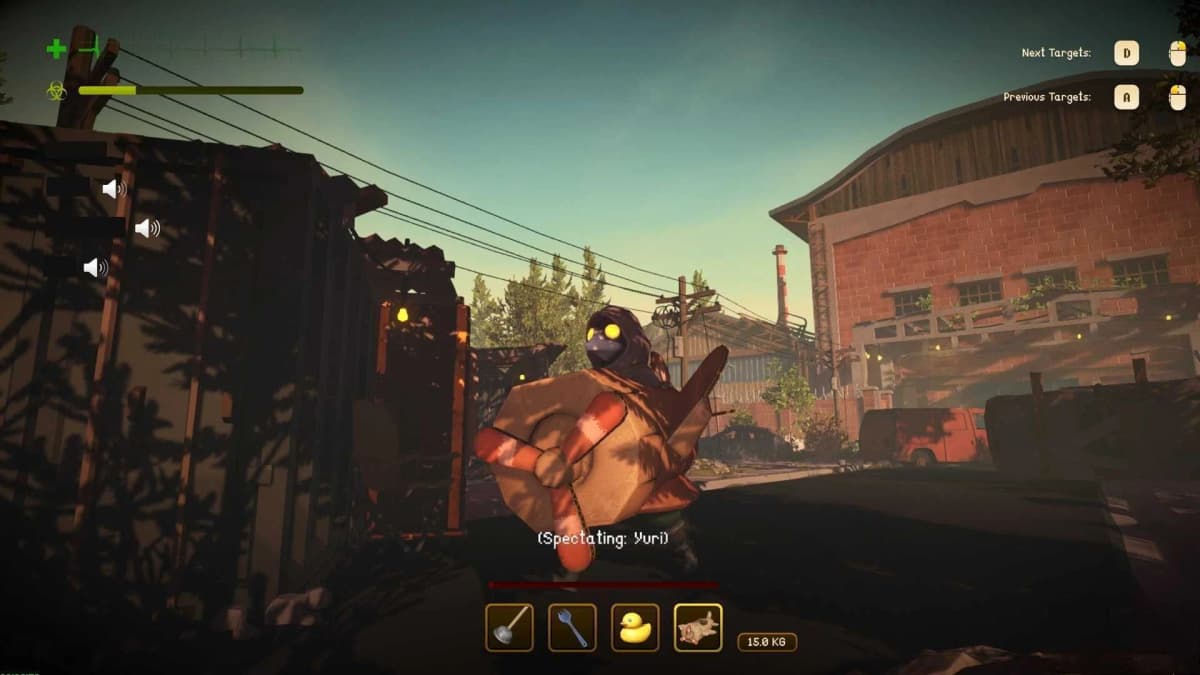
MIMESIS caught my attention because it aims for the one thing co-op horror rarely nails: paranoia you can actually hear. ReLU Games, the KRAFTON studio founded in 2023 to mash deep learning into game design, is launching the four-player psychological co-op horror into Early Access on October 27, with a final Closed Beta Test set for October 10-13 and a new trailer premiering September 29. The pitch is simple and sinister: an AI that mimics your squad’s voices, behaviors, and memories while you scramble to keep a tram running and escape a rain-soaked nightmare where humans turn into creatures called-of course-Mimesis.
Key Takeaways
- Early Access lands October 27; final CBT runs October 10-13 with sign-ups open now.
- Core hook: AI that impersonates players’ voices and habits to erode trust mid-mission.
- EA build adds new maps, monsters, and a resource called Scrap to keep the tram alive.
- Community pushes include a localization challenge and a creator program tied to KRAFTON’s network.
Breaking down the announcement
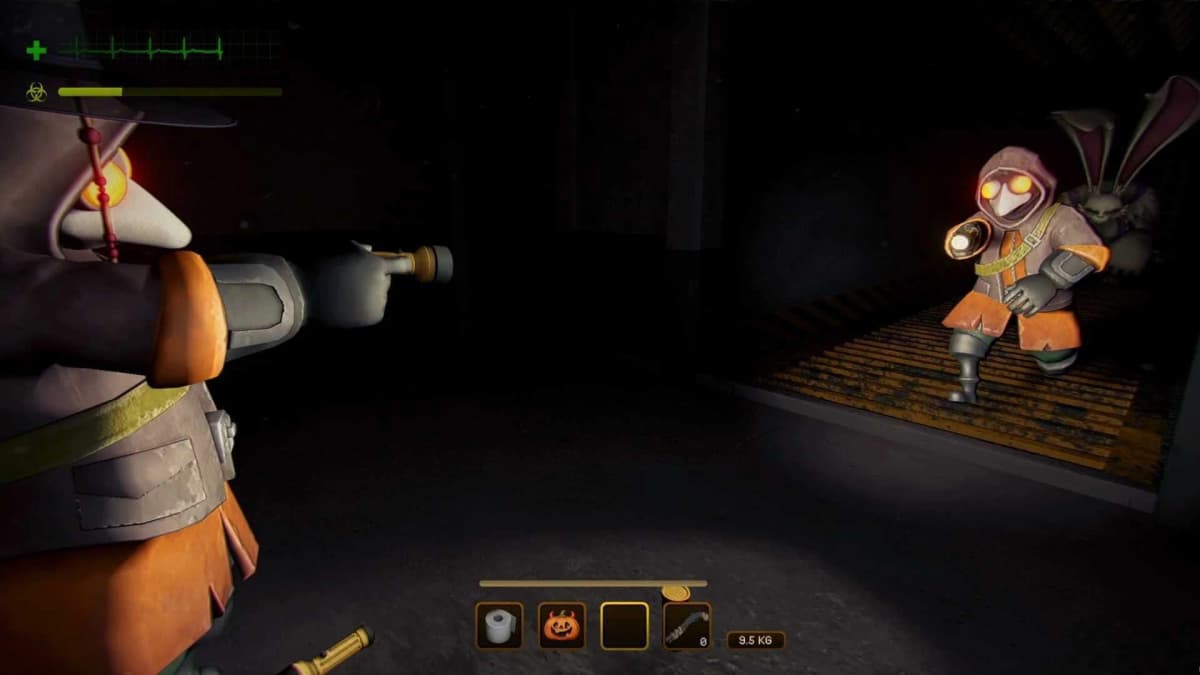
On paper, MIMESIS sits at the crossroads of Lethal Company’s “haul and extract” tension, Phasmophobia’s co-op dread, and Deceit/Among Us-style social suspicion. Your squad scours for resources, keeps the tram fueled and functional, and tries to survive monsters that apparently don’t just chase you-they manipulate you by sounding like you. ReLU says its AI mimics voices, behavior, and even shared “memories,” which implies the system learns from your team’s chatter and routines to spin believable lies. That’s a bold promise and a far cry from the scripted taunts we’ve seen in most horror sandboxes.
Momentum-wise, the game isn’t coming out of nowhere. During Steam Next Fest in June, MIMESIS reportedly ranked as the #4 most-played demo, which is no small feat given that Next Fest is a shark tank for discovery. The Early Access version expands with new maps and monsters and introduces Scrap as a resource to feed the tram and other systems—smart, because scarce upkeep materials create those delicious co-op arguments where someone risks a detour while the rest of the team begs to extract.
The real story: AI-driven deception lives or dies on consent and clarity
Let’s talk about the AI head-on. Real-time voice mimicry could be the secret sauce that elevates social horror beyond “I swear I saw them vent.” Imagine hearing your teammate call for help from a dark corridor—same tone, same cadence—only to realize it’s bait. That’s genuinely exciting. But there are big questions ReLU needs to answer for this to work outside of a controlled demo:
- Voice permissions and privacy: Is voice cloning opt-in per player? How is voice data stored, and can players nuke it on demand?
- Latency and accuracy: Does the mimic kick in fast enough to be convincing, and how does it handle accents or non-English languages?
- Abuse prevention: What tools exist to prevent AI-assisted harassment or impersonation beyond the game’s fiction?
- Readability: In the chaos, how do players tell AI deception from human trickery without ruining the magic?
Co-op horror is brilliant when it gives you just enough information to argue about. If MIMESIS’s AI is too perfect, every interaction becomes noise. If it’s too clumsy, the gimmick wears off in a night. The sweet spot is where the system occasionally fools even your most skeptical friend and the game gives you subtle breadcrumbs—footstep inconsistencies, audio artifacts, behavioral tells—to debate over comms.
Want to Level Up Your Gaming?
Get access to exclusive strategies, hidden tips, and pro-level insights that we don't share publicly.
Ultimate Gaming Strategy Guide + Weekly Pro Tips
Community levers: useful or just marketing fuel?
ReLU is rolling out two community plays ahead of Early Access. First, a Localization Challenge that invites players to propose translation and cultural tweaks. That could be a win if the studio treats it as peer review on top of paid localization rather than free labor in place of it. Horror thrives on precision—one mistranslated line can puncture the vibe—so editorial oversight matters.
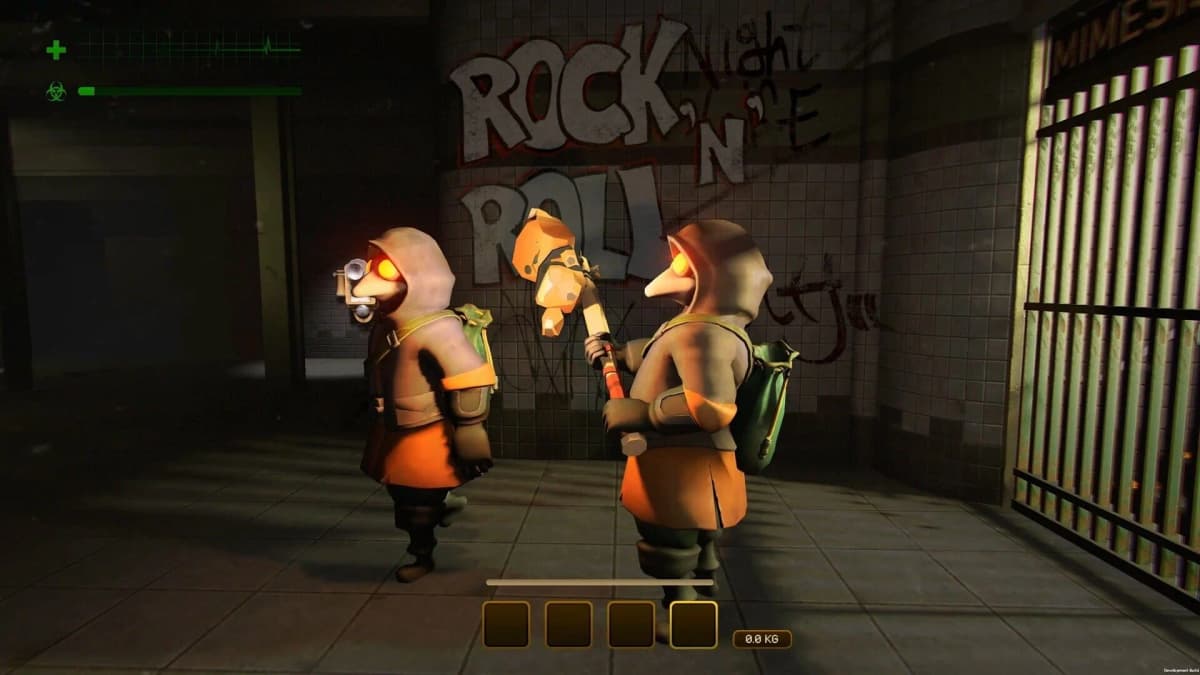
Second, a Creator Challenge via KRAFTON’s creator network, with looser eligibility and better revenue share for those who jump in during the CBT. No shade—streamers helped games like Lethal Company explode—but creator-first incentives can distort design priorities if devs start building for viral clips over durable systems. My hope: MIMESIS uses creators as stress testers for the AI and netcode, not just megaphones.
What gamers need to watch for in the CBT
October’s test should reveal the truths marketing can’t. I’ll be looking at proximity voice quality, how often AI mimic moments actually land, and whether the game preserves “fair dread.” If the AI nails one or two unforgettable impersonations per run, that’s enough; it doesn’t need to be constant. I also want to see strong onboarding that lets mixed groups (mics and no-mics, different languages) enjoy the loop without feeling disadvantaged.
We also don’t have key details yet: pricing, the scope of Early Access (roadmap cadence, expected 1.0 timeline), and moderation tools. KRAFTON has live-service chops via PUBG and a successful Early Access precedent in the wider group through Unknown Worlds’ Subnautica lineage. If ReLU taps that institutional experience—transparent patch notes, fast hotfixes, and stable servers—MIMESIS has a real shot at sticking.
Looking ahead
AI is already shaping games, often in invisible ways. MIMESIS puts it front and center and dares you to trust your ears. If ReLU balances the tech with human-readable design and clear consent tools, this could be the next must-stream co-op spooker that’s actually fun to play off-camera, too. If not, it’ll be another flashy demo crushed under the weight of its own gimmick. The concept is strong; now it needs the boring stuff—netcode, UX, anti-abuse—to be just as strong.
TL;DR
MIMESIS hits Early Access October 27 after a final CBT on October 10–13. The hook is AI that convincingly impersonates your squad, which could be brilliant or busted depending on consent, clarity, and netcode. Keep an eye on how often the mimic moments land and whether the systems support tension without turning into chaos.