
After years of “it’s coming,” Kickstarter glow, and one very public delay, Mina the Hollower finally has the thing backers and skeptics actually needed: a hard release date that looks like it might stick. Yacht Club Games says the retro action-adventure launches digitally on May 29, 2026 for $19.99, and the wording around this one matters. This is being framed as the final date, coming after the game reportedly went gold last month. In other words, the studio is done selling promise and has moved on to delivery.
The platform list is broad: PlayStation 5, Xbox Series X|S, Nintendo Switch, Nintendo Switch 2, and PC via Steam and Humble Store are consistently listed. Some coverage also mentions Mac and Linux, but that detail is less uniformly repeated elsewhere, so treat those versions as possible rather than locked until Yacht Club clarifies them directly. What is locked, though, is the price: $19.99. In a market where even modestly scoped indies increasingly reach for $29.99 and beyond, that number is either refreshingly sane or a sign Yacht Club knows it needs to remove friction fast.
Table of Contents (4)
This is not just a release date – it’s Yacht Club’s first real post-Shovel Knight exam
That’s the part worth paying attention to. Most outlets will run the surface version: spooky Zelda-like, Game Boy Color-inspired visuals, May 29, twenty bucks, next story. Fine. True. But the real story is that Mina the Hollower is the clearest test yet of whether Yacht Club can turn prestige earned from Shovel Knight into excitement for something that isn’t Shovel Knight.
And yes, that distinction matters. Yacht Club has spent years as one of the most respected names in retro-styled indie development, but respect and momentum are not the same thing. The studio’s reputation was built on one franchise, expanded through multiple campaigns, ports, spin-offs, and constant long-tail goodwill. Mina is the moment where that legacy either becomes a foundation or starts looking like a very long victory lap.
That’s why the delay from its previously planned 2025 launch was more significant than the usual “let them cook” discourse suggested. Delays happen. Delays after years of development hit differently. They don’t just raise questions about polish; they raise questions about scope control, pipeline discipline, and whether a studio is trying to make the exact game it needs or the perfect game it can never quite finish. Yacht Club’s answer, at least publicly, is that the extra time went into final polish. If the game lands sharp, nobody will complain. If it ships rough after all that, the “final date” language will age badly in record time.
$19.99 is smart, and probably not generous for the reasons PR would prefer
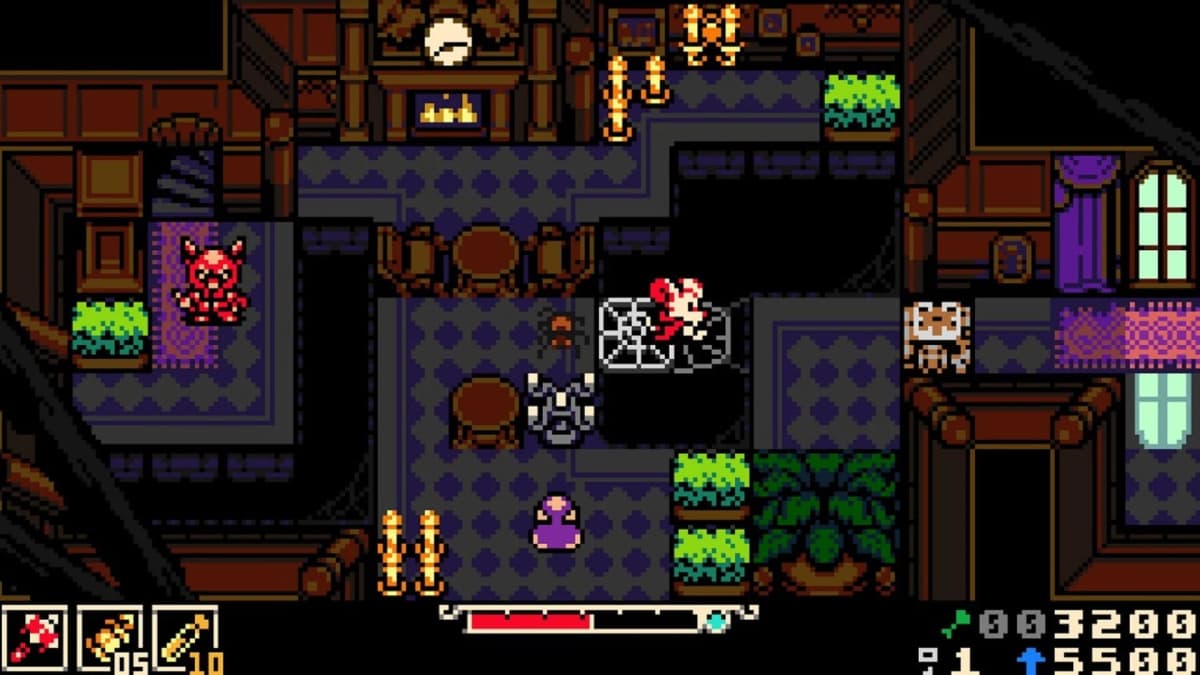
The price reveal deserves more attention than it’s getting. Twenty bucks is a strong number for a game pitching 25-plus bosses, RPG progression, New Game Plus, trinkets, and a full top-down action-adventure structure. On paper, it looks consumer-friendly. It is. But it’s also strategic.
Yacht Club does not need Mina to win a premium-pricing argument; it needs the game to get installed on as many systems as possible, as quickly as possible, with as little hesitation as possible. There’s a crowded May release calendar, and the indie lane is especially brutal because “looks cool, will wishlist” is where a lot of good games go to die. At $19.99, Mina stops being a debate purchase. That matters when your audience already likes your studio but may not be fully convinced by a new IP that wears its influences this openly.
The uncomfortable question PR won’t volunteer is simple: if Yacht Club were completely certain the name alone could carry this like a bigger event, would this still be priced at $19.99? Maybe. But the more likely answer is that the studio understands exactly where Mina sits in the current market: admired, watched, but not guaranteed. Smart pricing is not a charity move. It’s risk management.
The retro pitch looks great. The real question is whether the game feels modern where it counts
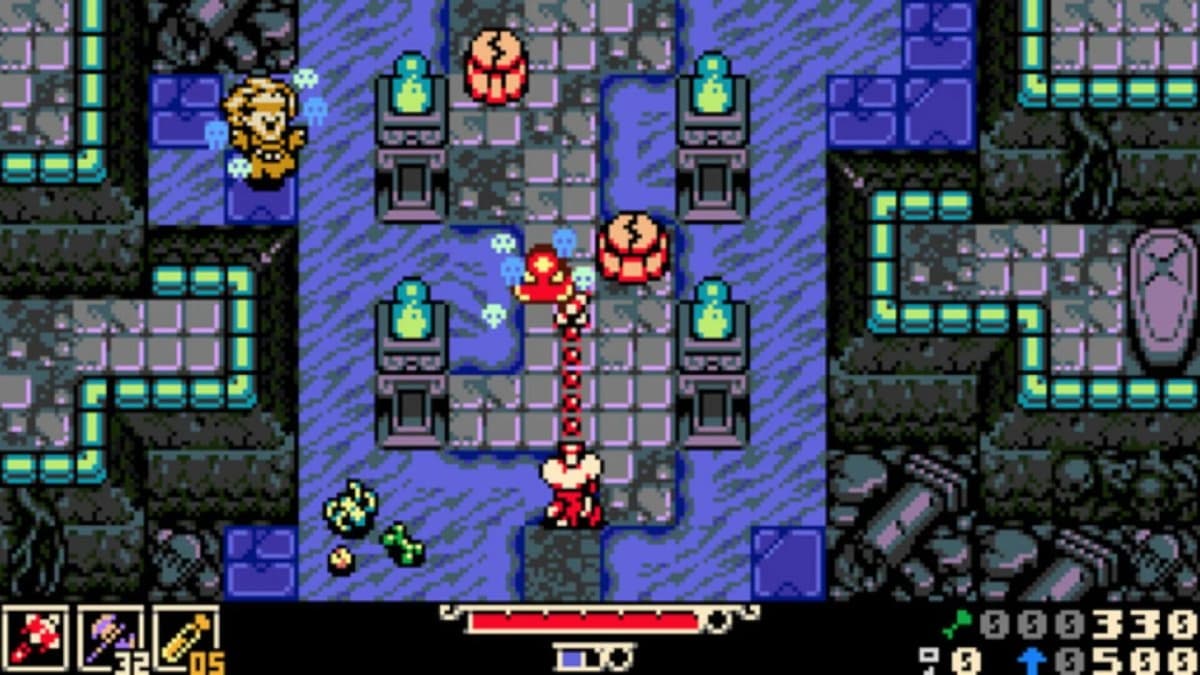
The visual hook is obvious. Mina the Hollower has been sold as a Game Boy Color-style action-adventure with a gothic edge, and Yacht Club is usually very good at translating nostalgia into something more deliberate than empty pixel bait. That’s the encouraging part. The less comfortable truth is that “retro-inspired top-down action game” is no longer a novelty category. It’s a knife fight.
If Mina is going to break through, it won’t be because people enjoy the aesthetic. Plenty of games have a nice fake-8-bit look. It will break through if the movement, combat rhythm, boss design, and “hollower” burrowing mechanic create an identity stronger than the easiest comparison line. Because if the main takeaway after launch is still “pretty good Zelda-like from the Shovel Knight team,” that’s respectable, not transformative.
That’s the standard Yacht Club invited by taking this long and building this much anticipation. When a game spends six years in development and raises over a million dollars through Kickstarter, nobody is grading on indie charm anymore. Players are going to judge the final product like a finished commercial release, because that’s what it is.
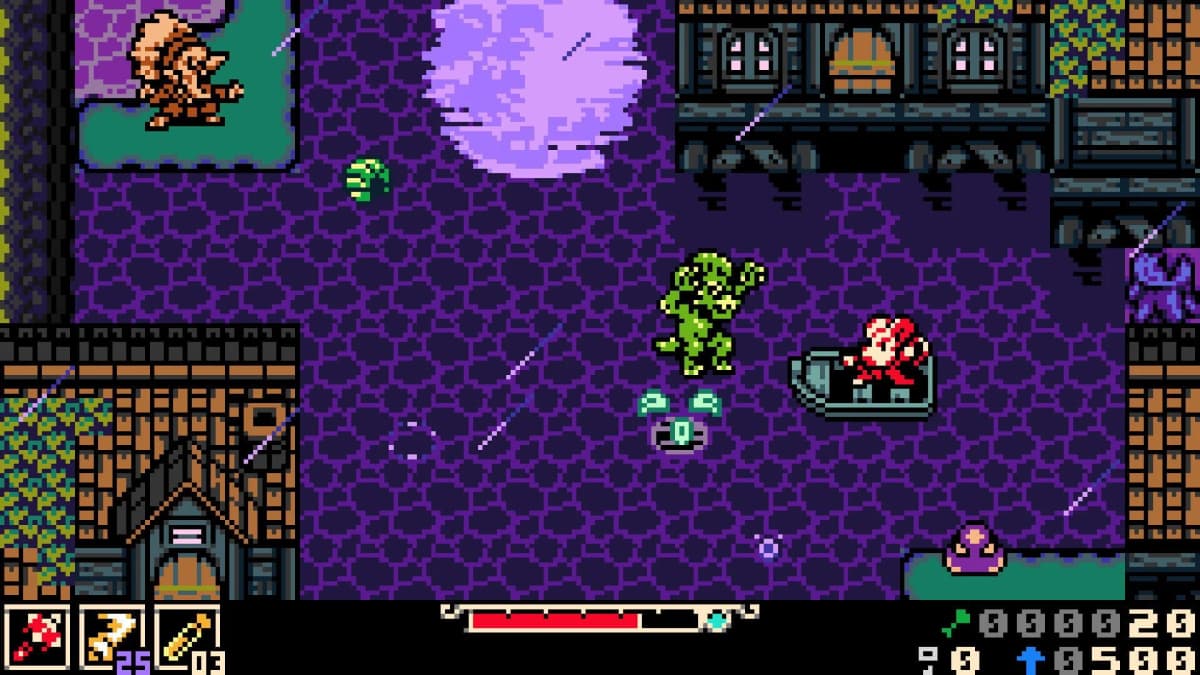
To be fair, some early demo impressions have been positive, and Yacht Club has historically been better than most at nailing feel, readability, and old-school design without making it play like an artifact. That track record is the reason Mina still has real heat after a delay that would have buried a lesser project. But goodwill is a runway, not a parachute.
What to watch on May 29 isn’t the review score – it’s the conversation around identity
Here’s what actually matters once the game is out:
- Whether players talk about Mina’s mechanics first, or just its inspirations.
- How stable the Switch and Switch 2 versions are compared with PC and PS5.
- Whether the game launches clean technically after the extra polish window.
- How often people say “worth $20” versus “should’ve been day one essential.” There’s a difference.
I’d also want a firmer answer on the full platform spread, especially around Mac and Linux, because that messaging has been a little messy depending on which announcement you read. That’s not a disaster, but it’s exactly the kind of avoidable confusion that tends to follow drawn-out release campaigns.
The verdict right now is pretty straightforward: this is a good release-date announcement because it finally stops feeling like vapor with a trailer attached. The price is smart. The platform coverage is broad. “Gone gold” is the first genuinely reassuring phrase attached to this game in a while. But the bigger story is still pressure. Mina the Hollower doesn’t just need to be charming; it needs to prove Yacht Club’s future isn’t permanently parked in Shovel Knight’s shadow. On May 29, we stop speculating and find out whether this studio’s next era is real or just well-packaged nostalgia with a mouse in the middle.
FinalBoss // Gear
Level up your setup
01Top-rated gaming headsetson Amazon→02High-refresh gaming monitorson Amazon→03Gaming chairson Amazon→04Discounted game keyson Kinguin→
Affiliate links · As an Amazon Associate, FinalBoss earns from qualifying purchases.
Want to Level Up Your Gaming?
Get access to exclusive strategies, hidden tips, and pro-level insights that we don't share publicly.
Ultimate Gaming Strategy Guide + Weekly Pro Tips