
Table of Contents (7)
Retro difficulty has trained players to confuse suffering with authenticity
For the last decade, retro-inspired games have been playing a weird little game with all of us. They borrow the look of old handheld adventures, layer on modern punishment, and then act like every rough edge is sacred because challenge is supposedly part of the genre’s DNA. That attitude has produced some incredible games, but it has also produced a lot of fake toughness: clumsy knockback, cheap runbacks, vague telegraphs, and fanbases that treat basic quality-of-life features like moral weakness. Mina the Hollower walks straight into that minefield.
My take is simple. Mina the Hollower is hard on its default settings, and sometimes uncomfortably so, but it is not “too hard” in the lazy, blanket sense that gets thrown around online. Most of its challenge seems deliberate, readable, and fair enough to learn. The bigger problem is that its early hours can feel harsher than they need to be because movement commitment, healing pressure, and a few clarity issues create friction before the game has fully earned your trust. The reason I refuse to join the “this game is inaccessible” pile-on is even simpler: Mina includes one of the most aggressive assist suites I have seen in an action-adventure, and that completely changes the terms of the debate.
Mina is punishing, but punishment is not the same thing as bad design
There is a difference between a demanding game and a dishonest one, and I care about that distinction more than the raw death count. I can live with getting punished for greed. I can live with needing to learn spacing, animation commitment, and when to burrow instead of swing. I can even live with a game smacking me around while I am still figuring out its rhythm. What I do not have patience for is a game that lies to me about why I died. From what reviewers and players have broadly described, Mina usually lands on the right side of that line. Its combat is unforgiving on default, but not arbitrary. Enemy patterns are generally learnable. The burrow-and-leap movement system asks for intention, not button mashing. The game wants precision, and in a lot of cases it earns the right to demand it.
That matters because “hard” gets flattened into one useless complaint way too often. A tough boss with readable tells is one thing. A room that kills you because the game’s perspective or movement rules make the situation harder to parse is another. Mina seems to have both kinds of pressure, and only one of them deserves a real indictment. Reviews have compared its tone and structure to old-school Zelda filtered through a denser, darker, almost Soulslike mindset. That combination was always going to upset people who came in expecting a breezy nostalgia trip. Yacht Club is not making a museum piece here. It is taking a familiar visual language and stuffing it with sharper teeth.
The real source of frustration is movement friction, not raw difficulty
If Mina has a problem, I do not think it starts with enemy damage or even boss aggression. It starts with the kind of friction that makes a player feel half a beat out of sync with the game. Some players have specifically pointed to grid-based movement weirdness, awkward interactions with flying enemies, and moments where the top-down perspective or visual density muddies what should have been a clean read. That complaint rings true to me because it gets at something deeper than “I died too fast.” It suggests that some of the hardest moments are not hard because the systems are deep, but because the communication is slightly off.
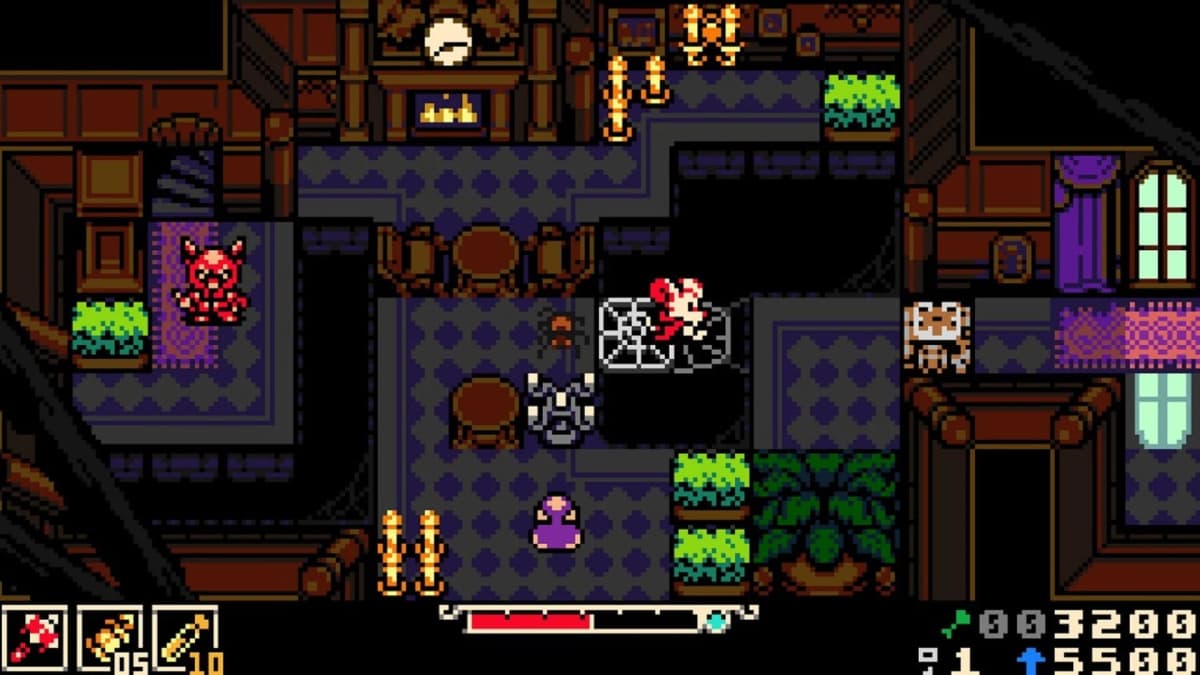
This is where I think the conversation needs to grow up. Too many debates about difficulty get reduced to bragging rights. Either the game is for “real players,” or it has been ruined by comfort features. That is nonsense. The useful question is whether the game’s verbs remain clear under pressure. Mina’s best combat seems to do exactly that. Its rougher moments sound like the game asking for exact positioning while occasionally making that positioning feel stiffer or less intuitive than the situation deserves. When someone says Mina is too hard, I suspect a lot of the time they really mean Mina is asking for precision during moments when its movement language is not at its cleanest. That is not the same accusation, and it matters.
The Modifiers and Assist menu blows up the laziest version of this argument
Here is the part that makes the loudest complaints sound sloppy. Mina the Hollower reportedly lets players open Settings, go into Modifiers and Assist, and change the experience at any time. Not after beating a boss. Not after unlocking some token easy mode with a condescending warning label. At any time. That one decision is massive. It means the game is not trapping anyone in its default tuning and then pretending difficulty is a purity test. It is offering a baseline challenge while also acknowledging that different players hit different walls for different reasons.
- Stat boosts that smooth over a harsh default curve
- Faster walk speed and faster burrow speed for players who feel the movement drag
- Auto-jump near pits, which directly addresses one of the easiest ways to die stupidly
- Infinite burrowing for people who want to lean into mobility without constant restriction
- Reduced damage taken or even no damage at all
- One-hit kills for enemies if someone wants exploration and atmosphere more than combat mastery
- Extra checkpoints that cut down runback fatigue
- More healing consumables, or even infinite healing, to relieve the game’s resource pressure
That is not a token accessibility menu. That is a toolbox. Frankly, it is more generous than what a lot of bigger action games offer after years of talking a good game about inclusivity. And no, I do not buy the purist complaint that these options somehow cheapen Mina’s intended design. A choice is not an attack. If someone wants the harshest version of Mina, the harshest version is still there. If someone wants to preserve the exploration, art, puzzles, and atmosphere while dialing down the parts that feel hostile, that is not cheating the game. That is using the game as designed. The only people threatened by this are the ones who mistake other players’ suffering for validation of their own.
Healing and trinkets matter, but they do not completely rescue the opening hours
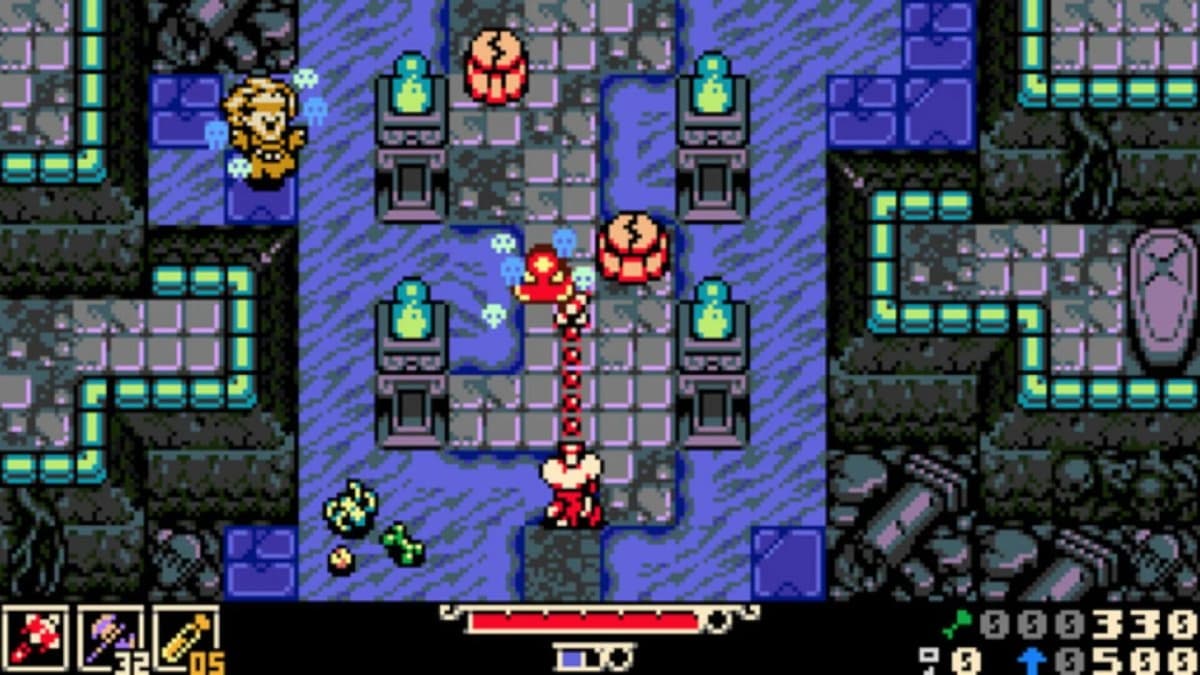
A lot of the current debate circles around healing, and for good reason. Healing economy is where challenge can stop feeling tense and start feeling stingy. If a game asks for careful learning but also makes every mistake expensive, the early game can turn into a tax on curiosity. That is especially true in an exploration-heavy action-adventure where part of the joy is poking into danger, finding secrets, testing routes, and occasionally getting punished for being nosy. If healing is too limited, or if recovery from mistakes is too slow, the game starts discouraging the very behavior it claims to celebrate.
Mina at least seems aware of that pressure, because the assist options reportedly let players increase healing consumables or go all the way to infinite healing. That is a big deal, and so are the trinket and progression systems that reviewers say can shape survivability and build comfort over time. But I am not going to pretend those systems automatically solve everything. If the first few hours are where players feel most squeezed, then saying “it gets better once you find the right setup” is only half a defense. Early friction matters. First impressions matter. If a player has to dig through rough combat, scarce recovery, and movement awkwardness before the build variety fully opens up, some people are going to bounce before Mina shows them its smarter side. That is not weakness. That is basic onboarding.
Accessibility options do not erase the need for better default clarity
This is the part where I think both camps in the debate need to stop talking past each other. The “Mina is too hard” crowd is wrong if they pretend the game offers no meaningful way to tune the challenge. That claim does not hold up when the modifier list is this broad and this flexible. But the “just use the sliders and shut up” crowd is being just as annoying. A great assist suite does not automatically absolve the default balance from criticism. If large numbers of players are running into the same pain points around telegraphs, healing strain, or movement feel, that is useful information about the game’s onboarding and readability.
In other words, the existence of accessibility tools shifts the conversation, but it does not end it. Mina’s modifier system weakens the argument that the game is inaccessible in any absolute sense. It does not weaken the argument that its default presentation can be pricklier than necessary. Those are separate claims. I think this distinction matters beyond Mina, because the industry keeps bungling it. Some studios treat assist options like a surrender. Others use them as a shield against any design criticism. The smarter approach is the one Mina appears to be reaching for: build a demanding default mode for the audience that wants it, then provide unusually granular ways for everyone else to bend the experience toward comfort, learning, or pure exploration. That is not compromise. That is confidence.
My line in the sand is practical, not ideological
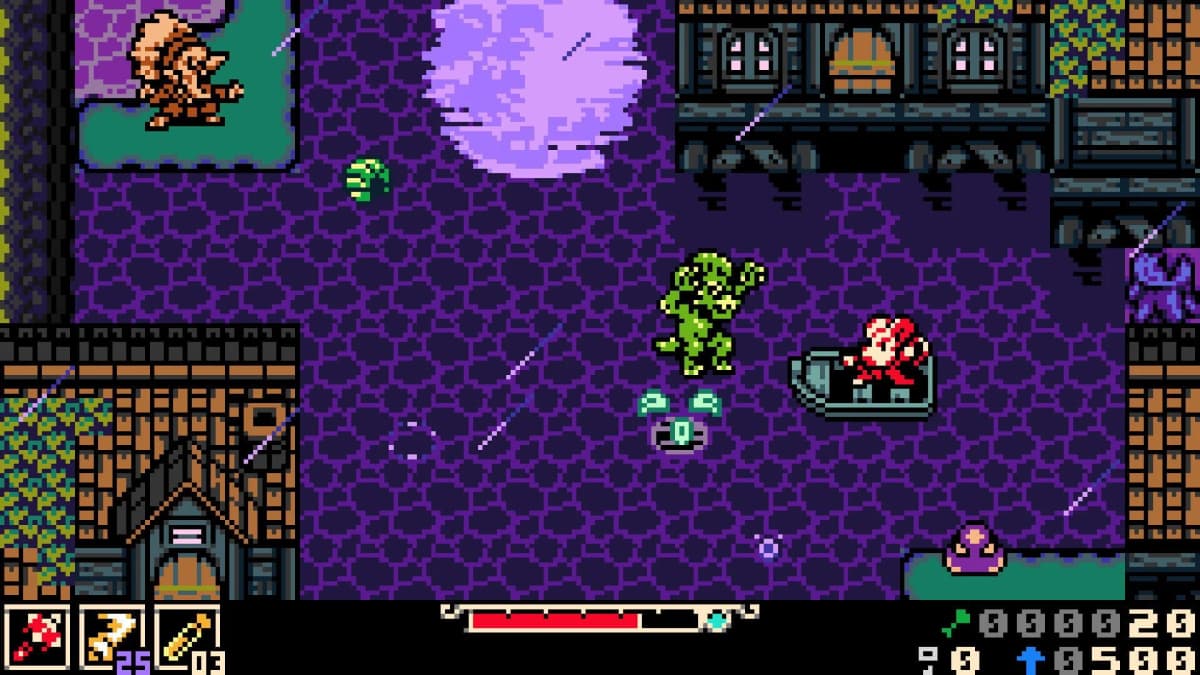
If someone asks me whether Mina the Hollower is too hard, my honest answer is no, but it is easy to see why the question keeps coming up. The game sounds like it is at its most abrasive before players have fully adapted to its movement logic and before their healing and trinket options start cushioning mistakes. That can make the opening feel harsher than the rest of the ride. Still, a game that gives players faster movement, auto-jump near pits, extra checkpoints, more healing, reduced damage, and even total combat trivialization is not slamming the door in anyone’s face. It is offering a hard default and then handing you the keys to adjust it.
My recommendation is blunt. Start on default if the combat premise excites you and you want to feel the intended tension. The moment the friction stops feeling educational and starts feeling stupid, go into Modifiers and change the specific thing that is wasting your time. If pits are the problem, use auto-jump. If runbacks are the problem, add checkpoints. If healing scarcity is choking experimentation, increase it. If movement feels too sticky, speed it up. I would save the nuclear options like one-hit kills or no damage for players who truly do not care about combat at all, because Mina’s identity seems deeply tied to overcoming danger rather than merely sightseeing through it. But there is no honor in spending your night arguing with a setting when the game openly gives you permission to tune it.
That is where I land, and I am not interested in pretending otherwise for the sake of fake balance. Mina the Hollower is not too hard in the way that phrase usually gets weaponized. It is demanding, sometimes awkward, occasionally harsher than it needs to be, and far more flexible than the outrage implies. The useful criticism is not that Yacht Club made a punishing game. The useful criticism is that some of the opening friction feels like a speed bump between players and the excellent action-adventure underneath. Fix the clarity, respect the player’s learning window, and keep the assist suite exactly as bold as it is. That is the version of “hard” worth defending.
FinalBoss // Gear
Level up your setup
01Top-rated gaming headsetson Amazon→02High-refresh gaming monitorson Amazon→03Gaming chairson Amazon→04Discounted game keyson Kinguin→
Affiliate links · As an Amazon Associate, FinalBoss earns from qualifying purchases.
Want to Level Up Your Gaming?
Get access to exclusive strategies, hidden tips, and pro-level insights that we don't share publicly.
Ultimate Gaming Strategy Guide + Weekly Pro Tips